U1424 Jeep Cherokee: Causes And Easy Fixes
 Reading Time: 12 minutes
 If your U.S.-market Jeep Cherokee displays diagnostic trouble code U1424, the vehicle computer has detected an implausible vehicle-speed signal. On many Chrysler, Dodge, Jeep, and Ram vehicles, including Jeep Cherokee models, the powertrain control module receives vehicle-speed information from the ABS or electronic stability-control system through the vehicle’s CAN communication network.
U1424 does not automatically prove that a specific wheel-speed sensor has failed. The code can result from a faulty sensor, damaged wiring, incorrect tire sizes, low system voltage, a communication problem, an ABS-module fault, or an issue with the module that is transmitting the speed signal.
The most reliable repair begins with a complete scan of the ABS, powertrain, transmission, and body-control systems—not merely clearing the code with a basic OBD-II reader.
What Does U1424 Mean on a Jeep Cherokee?
U1424 generally means “Implausible Vehicle Speed Signal Received.” The control module is receiving vehicle-speed data that does not agree with other information available on the network.
The vehicle-speed signal may be calculated from individual wheel-speed sensors. The ABS module compares the wheel-speed readings and broadcasts vehicle-speed information to other modules. If one signal is missing, intermittent, or inconsistent, another module may store U1424.
The exact wording and suffix can vary by model year and scan-tool manufacturer. You may see a code such as:
- U1424-00: Implausible vehicle-speed signal received
- U1424-xx: U1424 with an additional failure-type or network subcode
- A manufacturer-specific description that uses slightly different wording
The complete code, the module that stored it, and any accompanying ABS or communication codes are essential. A generic scanner may display only U1424 and omit the information needed to identify the original fault.
What the “U” in U1424 means
The first letter identifies the general fault category:
- P: Powertrain
- B: Body
- C: Chassis
- U: Network or communication
U1424 is a network-related code, but the underlying cause may be a chassis component such as a wheel-speed sensor.
Is U1424 a serious problem?
It can be. The Cherokee may continue to drive normally, but the vehicle may also lose or limit functions that depend on accurate speed information, including:
- Anti-lock braking
- Electronic stability control
- Traction control
- Adaptive cruise control, where equipped
- Automatic transmission shift strategy
- Electronic parking-brake or hill-hold functions
- Speedometer operation
- Engine torque management
If the ABS, traction-control, or stability-control warning lamps are illuminated, drive cautiously and avoid assuming that the affected safety systems are available. If the brake pedal feels abnormal, the vehicle pulls severely, the speedometer stops working, or multiple warning lamps appear, have the Cherokee inspected promptly.
Common Symptoms of U1424 on a Jeep Cherokee
The symptoms depend on which module is receiving the implausible speed signal and whether the problem is constant or intermittent.
Typical symptoms include:
- Check Engine light
- ABS warning light
- Electronic Stability Control or traction-control warning
- “Service ABS,” “Service Electronic Stability Control,” or similar dashboard message
- Speedometer that drops to zero, fluctuates, or reads incorrectly
- Transmission that shifts harshly, stays in one gear, or enters a limited operating mode
- Cruise control that will not engage
- Reduced engine performance or torque limitation
- Four-wheel-drive or drive-mode warnings on equipped models
- A code that returns immediately after being cleared
- No obvious drivability symptom other than warning lamps
A temporary warning after a weak battery or a jump-start does not prove that the battery caused the problem. Low voltage can create multiple communication codes, but a recurring U1424 usually requires further testing.
Most Likely Causes of U1424
1. Faulty wheel-speed sensor
A wheel-speed sensor can fail electrically, become contaminated, or produce an erratic signal. The sensor may work at low speeds and fail only when the vehicle is moving, making a stationary resistance test unreliable.
Possible sensor-related problems include:
- Internal sensor failure
- Metal debris or contamination near the sensor
- Sensor connector corrosion
- A sensor that is not fully seated
- Damage caused during brake, hub, axle, or suspension work
- A sensor installed incorrectly
Do not replace a sensor solely because U1424 is present. Look for a corresponding wheel-speed, ABS, or circuit code and compare live data from all four wheels.
2. Damaged wiring or connectors
The wiring harness near the wheel is exposed to water, road salt, suspension movement, and debris. A broken conductor may connect normally when the vehicle is stationary but open when the steering or suspension moves.
Inspect for:
- Chafed insulation
- Stretched wiring
- Broken clips
- Water intrusion
- Bent terminals
- Corrosion inside the connector
- Wiring trapped against a tire, axle, strut, or control arm
A visual inspection is useful, but it may not reveal an intermittent break. A technician may need to perform a wiggle test while monitoring live data or measuring the circuit.
3. Wheel bearing, hub, or tone-ring problem
On some designs, the wheel-speed sensor reads a magnetic encoder or tone ring integrated into the hub or bearing. A damaged, loose, or incorrectly installed hub can produce an implausible speed signal even when the sensor itself is good.
Possible mechanical causes include:
- Excessive wheel-bearing play
- A damaged magnetic encoder
- Incorrect hub installation
- Contamination on the sensing surface
- Axle or hub damage
- Uneven air pressure or tire-size differences that create mismatched wheel speeds
If a wheel bearing has play or grinding noise, repair the mechanical fault before condemning the electronic sensor.
4. Incorrect tire size, tire circumference, or tire pressure
The ABS system compares wheel speeds. Tires with significantly different rolling circumferences can make one wheel appear to rotate faster or slower than the others.
Check for:
- Different tire sizes on the same axle
- A temporary spare tire
- One new tire mixed with heavily worn tires
- Incorrect tire pressure
- A tire with severe wear or structural damage
- Nonstandard wheel or tire combinations
A modest pressure difference does not usually explain a persistent U1424 by itself, but it is an easy variable to correct before deeper testing.
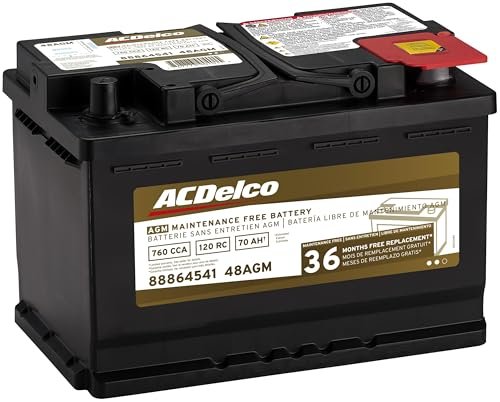
5. Low battery voltage or charging-system problems
A weak battery, poor ground, or alternator problem can disrupt communication between modules. This is especially possible after:
- A discharged battery
- A jump-start
- Battery replacement
- Long periods of storage
- Battery-terminal corrosion
- An alternator or starter repair
Test battery and charging voltage according to the vehicle manufacturer’s procedures. A voltage reading taken at one moment does not replace a proper battery load test and charging-system inspection.
6. CAN-bus communication fault
The Controller Area Network, or CAN bus, allows modules to exchange information. An open circuit, short circuit, poor ground, or connector problem can prevent a valid speed message from reaching the receiving module.
Communication-related causes may include:
- Damaged CAN wiring
- Poor module ground
- Water intrusion
- A loose connector
- A module that intermittently resets
- Aftermarket equipment connected incorrectly
- A shorted module loading the network
Network diagnosis requires the correct wiring diagrams, connector views, and manufacturer test procedures. Randomly replacing modules is an expensive and unreliable approach.
7. ABS or electronic stability-control module fault
The ABS module may be the source of the speed calculation. If it has an internal fault or cannot interpret a wheel-speed signal correctly, it may send invalid information to the powertrain or transmission controller.
An ABS module should generally be considered only after:
- Wheel-speed sensor data has been checked.
- Wiring and connectors have been tested.
- Tire and hub conditions have been verified.
- Power, ground, and network communication have been confirmed.
- Manufacturer-specific diagnostic tests point toward the module.
How to Diagnose U1424 on a Jeep Cherokee
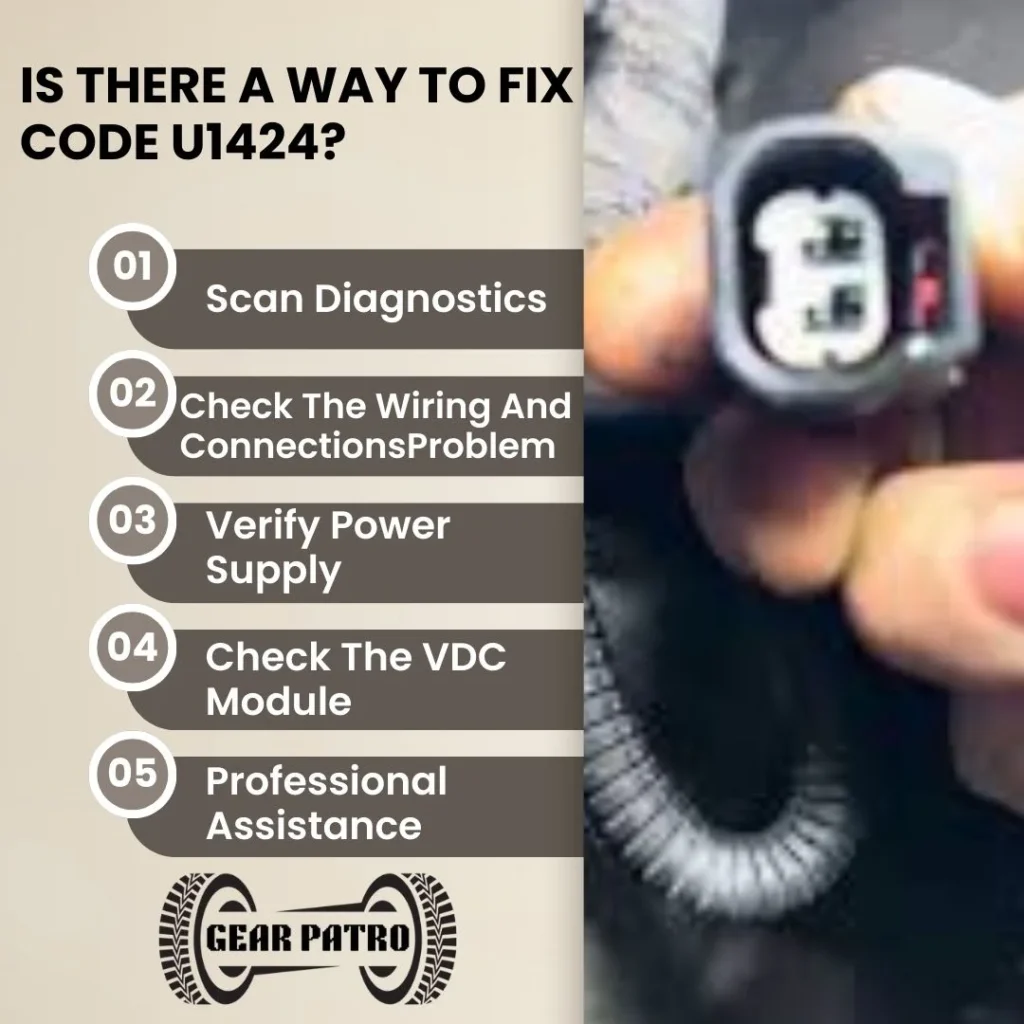
A professional diagnosis should proceed from the simplest and most informative checks to more specialized network testing.
Step 1: Record every stored code
Use a scan tool capable of communicating with Chrysler/Jeep modules. Record:
- Codes in the PCM
- Codes in the ABS or ESC module
- Transmission-control codes
- Body-control and network codes
- Freeze-frame information
- Whether each code is active, stored, or pending
Do not erase the codes before recording them. A code stored in the ABS module may identify the wheel or circuit that caused the U1424 in another module.
Step 2: Check the vehicle history
Ask whether the code appeared after:
- Brake or wheel-bearing work
- Tire replacement
- Suspension repairs
- Battery failure or replacement
- Water exposure or flooding
- An accident or curb impact
- Installation of aftermarket lighting, remote-start equipment, or audio equipment
The timing can help prioritize the inspection, but it is not proof of causation.
Step 3: Inspect tires and wheels
Confirm that:
- All installed tires match the required size.
- Tire pressures are set according to the Cherokee’s door-jamb label.
- No temporary spare remains installed.
- Tread-depth differences are not excessive.
- The wheels rotate freely without obvious bearing looseness.
Correct tire-related problems before evaluating live sensor data.
Step 4: Compare live wheel-speed data
With a compatible scan tool, monitor all wheel-speed sensors while driving slowly in a safe area or while following the manufacturer’s prescribed test procedure.
Look for:
- One wheel reading zero
- One wheel dropping out intermittently
- One wheel reporting a speed different from the others
- A reading that jumps abruptly
- A sensor that works only above or below a certain speed
- A mismatch that appears during turns or braking
At a steady speed on a straight road, the wheel-speed readings should generally be close, allowing for normal differences during acceleration, braking, and cornering. The deciding factor is not a single small variation; it is a repeatable dropout or implausible pattern supported by other tests.
Never place a vehicle in gear while it is supported unsafely. If wheel-speed testing requires lifted wheels, use equipment and procedures appropriate for the drivetrain and follow a qualified service manual.
Step 5: Inspect the suspected sensor circuit
Once live data identifies a likely corner, inspect that sensor and its wiring. Check:
- Connector fit
- Terminal tension
- Corrosion
- Harness routing
- Insulation damage
- Sensor mounting
- Evidence of recent repair interference
Use the wiring diagram for the exact Cherokee year and configuration. Sensor circuits and test values can differ, so avoid applying a generic resistance specification from another Jeep model.
Step 6: Check the hub and bearing
Inspect for:
- Bearing looseness
- Roughness while rotating
- Grinding or humming
- Axial movement
- Damage to the encoder or tone-ring area
- Incorrect hub installation
A new sensor will not correct a damaged encoder or loose bearing.
Step 7: Test battery voltage, grounds, and communication
If several modules report U-codes, or if the codes appeared together, test:
- Battery condition
- Alternator output
- Main grounds
- Module power supplies
- CAN bus wiring
- Connector condition
Network resistance and voltage tests must be performed using the correct procedure. Improper probing can damage terminals or short a communication circuit.
Step 8: Clear codes and perform a confirmation drive
After the cause is repaired:
- Clear the codes with a capable scan tool.
- Cycle the ignition as directed.
- Perform the required road test.
- Confirm that wheel-speed data remains consistent.
- Rescan all modules.
- Verify that warning lamps do not return.
A code that clears but returns during the confirmation drive indicates that the underlying fault remains or that the repair did not address the original cause.

U1424 Repair Options and Cost Variables
The repair depends on the failed component, not on the U1424 code alone. Possible repairs include:
- Repairing a damaged sensor harness
- Cleaning or replacing a corroded connector
- Replacing a wheel-speed sensor
- Replacing a hub or wheel bearing
- Correcting tire size or pressure differences
- Repairing a battery, ground, or charging-system problem
- Diagnosing and repairing CAN wiring
- Reprogramming or replacing an ABS-related module when testing confirms it
Labor cost varies significantly by U.S. location, vehicle configuration, rust level, parts quality, and whether the fault is intermittent. A straightforward sensor replacement is usually much less complex than diagnosing a communication fault or replacing and configuring a control module.
Before authorizing work, ask the repair facility:
- Which module stored U1424?
- Are there additional ABS or wheel-speed codes?
- Which wheel or circuit failed the live-data test?
- Was the wiring checked before replacing the sensor?
- Was the hub or encoder inspected?
- Will a module require programming or configuration?
- Does the estimate include a post-repair scan and road test?
Avoid estimates that list “replace sensor” without identifying the evidence supporting that diagnosis.

Can You Drive a Jeep Cherokee With U1424?
You may be able to drive a short distance if the Cherokee brakes normally, the steering is normal, the tires are properly inflated, and no severe warning signs are present. However, the vehicle may not have fully functioning ABS, traction control, or stability control.
Use extra caution in rain, snow, gravel, or emergency braking situations. Arrange diagnosis promptly if the warning returns.
Stop driving and seek assistance if you notice:
- A soft, sinking, or unusually hard brake pedal
- A red brake warning lamp
- Loss of braking performance
- Severe pulling or vibration
- Multiple systems shutting down
- A speedometer that remains at zero
- Burning odors, damaged wiring, or visible fluid leaks
U1424 itself is a data-validity fault, not a direct statement that the hydraulic brakes have failed. Nevertheless, the systems affected by the code can influence vehicle stability and braking performance.
Common Diagnostic Mistakes
Replacing the wheel-speed sensor immediately
U1424 does not identify a particular wheel. A scan of the ABS module and live-data comparison should come first.
Clearing the code without recording other faults
Erasing codes removes useful freeze-frame and diagnostic information. Record the full scan before clearing anything.
Assuming the newest tire is defective
Tire mismatch can contribute to wheel-speed disagreement, but a tire-related suspicion should be confirmed by checking sizes, pressures, tread differences, and live data.
Ignoring recent mechanical work
Brake, hub, axle, and suspension repairs can disturb sensor wiring or damage a sensor connector. Inspect the repair area carefully.
Replacing the ABS module without network testing
A module replacement may require programming and may not solve the problem if the actual fault is a sensor, wiring, power, or ground issue.
Using a generic code definition as the final diagnosis
Generic OBD-II descriptions are useful starting points. Chrysler-specific module data and service information are often necessary for an accurate repair.

When Professional Diagnosis Is the Better Choice
Professional help is appropriate when:
- The code returns immediately after clearing.
- Multiple U-codes are present.
- ABS and stability-control lamps remain on.
- The fault is intermittent.
- Live wheel-speed data is unavailable.
- The vehicle has an active braking or steering symptom.
- A module may need programming.
- Wiring damage or water intrusion is suspected.
- You do not have safe lifting equipment or a compatible scan tool.
A qualified technician with a manufacturer-capable scan tool can identify which module reported the fault, compare wheel-speed signals, test the network, and verify the repair.
Frequently Asked Questions
Is U1424 the same as a bad wheel-speed sensor?
No. A bad wheel-speed sensor is one possible cause, but U1424 can also result from wiring damage, a hub encoder problem, tire mismatch, low voltage, CAN communication faults, or an ABS-module issue.
Will disconnecting the battery fix U1424?
Disconnecting the battery may clear temporary codes or reset some modules, but it does not repair the underlying fault. If the problem remains, U1424 will usually return after the Cherokee is driven or the system performs another self-test.
Can a low battery cause U1424?
Yes. Low battery voltage, poor grounds, or charging-system problems can disrupt communication between control modules. If the code appeared after a dead battery or jump-start, test the battery and charging system—but still verify the code after voltage is corrected.
Why are ABS and traction-control lights on with U1424?
Those systems rely on accurate wheel-speed information. When the ABS or stability-control system cannot validate the signal, it may disable or limit related functions and illuminate the warning lamps.
Does U1424 require an ABS module replacement?
Usually, no conclusion can be made from U1424 alone. The ABS module should be replaced only when power, grounds, wheel-speed circuits, network wiring, and related mechanical components have been tested and the diagnostic results support an internal module failure.
Recommended Next Action
Start with a full module scan, record every code, and check tire condition, battery voltage, wheel-speed live data, sensor wiring, and hub condition in that order. Do not replace a wheel-speed sensor or ABS module based only on the U1424 code description.
For exact connector locations, test procedures, and specifications, use the service information for the specific Jeep Cherokee model year and drivetrain. Official Jeep/Mopar service documentation and the National Highway Traffic Safety Administration’s vehicle-safety resources are appropriate references for model-specific information and safety campaigns.
Conclusion
U1424 on a Jeep Cherokee means that a control module received vehicle-speed information it considered implausible. The message often points toward the ABS or wheel-speed system, but it does not identify the failed part by itself.
The most effective diagnosis combines a Chrysler-capable scan tool, complete module-code retrieval, live wheel-speed comparison, tire and hub inspection, wiring checks, and battery/network testing. Because U1424 can affect ABS, traction control, stability control, cruise control, and transmission behavior, treat recurring warning lamps as a diagnostic issue rather than simply clearing the code.