Jeep Wrangler Transmission Fluid Change Interval: Ultimate Guide
 Reading Time: 8 minutes
 Jeep Wrangler Transmission Fluid Change Interval
If you drive a Jeep Wrangler, you probably love its tough performance and off-road power. But even the strongest vehicles need regular maintenance. One key area is the transmission fluid. Changing this fluid at the right time keeps your Wrangler running smoothly and helps avoid expensive repairs. Many owners, especially beginners, ask: “How often should I change my Jeep Wrangler transmission fluid?” This guide will break it down in simple steps.
What Is Transmission Fluid And Why Does It Matter?
Transmission fluid is a special oil that lubricates and cools the parts inside your Wrangler’s transmission. It helps the gears move smoothly, prevents overheating, and removes tiny bits of metal and dirt.
Without the right fluid or if it gets old, you may notice:
- Rough shifting (the Jeep jerks or hesitates when changing gears)
- Strange noises (grinding or whining sounds)
- Overheating (especially after long drives or off-road trips)
- Reduced fuel efficiency (your Wrangler uses more gas)
Changing your transmission fluid on time is like giving your engine clean blood. It’s simple but crucial.
Standard Transmission Fluid Change Intervals For Jeep Wrangler
The recommended interval for changing transmission fluid depends on:
- Model year
- Transmission type (automatic or manual)
- Driving habits (city, highway, or off-road)
Here’s a quick overview for popular Wrangler models:
| Model Year | Transmission Type | Recommended Interval |
|---|---|---|
| 2007–2011 JK | Automatic | Every 60,000 miles |
| 2012–2018 JK | Automatic | Every 60,000 miles |
| 2018–2024 JL | 8-speed Automatic | Every 60,000 miles |
| All Years | Manual | Every 60,000–100,000 miles |
Note: Check your owner’s manual for your exact Jeep. Some newer models may have “lifetime” fluid, but real-world driving often requires earlier changes.
Automatic Vs Manual Transmission: Does It Make A Difference?
The answer is yes. The type of transmission affects how often you should change the fluid.
Automatic Transmission
- Works harder, especially in city traffic and off-roading.
- Fluid gets hotter and dirtier faster.
- Needs more frequent changes (usually every 60,000 miles).
Manual Transmission
- Simpler design, less heat.
- Fluid lasts longer, sometimes up to 100,000 miles.
- Still needs attention, especially if you shift gears often or drive off-road.
Here’s a side-by-side comparison:
| Feature | Automatic | Manual |
|---|---|---|
| Change Interval | Every 60,000 miles | 60,000–100,000 miles |
| Fluid Type | ATF+4 or Mopar ATF | Mopar Manual Transmission Fluid |
| Signs of Trouble | Slipping, harsh shifts | Hard to shift, grinding |
Factors That Affect Transmission Fluid Life
Transmission fluid doesn’t wear out at the same rate for everyone. These factors can shorten or extend its life:
- Heavy towing or hauling
- Frequent off-road driving
- Stop-and-go city driving
- Extreme temperatures (hot or cold)
- Driving in hilly or mountainous areas
If you do any of these, consider changing the fluid sooner—sometimes every 30,000–40,000 miles.
Non-obvious insight: Even if you don’t hit the mileage limit, fluid can age over time. Five years is a good rule for a change, even with low miles.

Credit: www.blauparts.com
How To Tell If Your Transmission Fluid Needs Changing
Sometimes, you can’t just rely on the odometer. Watch for these signs:
- Fluid color: New fluid is usually pink or red. Dark brown or black means it’s dirty.
- Burnt smell: Healthy fluid smells sweet; burnt means trouble.
- Shifting problems: Hard, slow, or rough gear changes.
- Leaks: Red or brown spots under your Jeep.
If you notice any of these, don’t wait—change the fluid, even if it’s before the “recommended” interval.
How To Check Jeep Wrangler Transmission Fluid
Not all Wranglers have a transmission dipstick, but if yours does:
- Park on a level surface and run the engine until warm.
- Shift through all gears, then leave in Park (automatic) or Neutral (manual).
- Pull the dipstick, wipe it, re-insert, and check the level.
- Look at color and smell.
Tip: If you can’t check it yourself, ask a mechanic during your next oil change.
Step-by-step Guide: Changing Transmission Fluid
Changing transmission fluid isn’t hard, but it can get messy. Here’s a basic outline for beginners. Always use the fluid type recommended in your manual.
You will need:
- New transmission fluid (check your manual for type and amount)
- A new filter (for automatics)
- Drain pan
- Socket set
- Funnel
- Gloves and rags
Steps
- Warm up the Jeep for a few minutes.
- Lift the vehicle safely with jack stands if needed.
- Locate the drain plug (check your manual for the exact spot).
- Place the drain pan under the plug.
- Remove the plug and let the old fluid drain out completely.
- Replace the filter (automatic transmissions only).
- Reinstall the drain plug and tighten.
- Pour in new fluid through the fill hole or dipstick tube.
- Check the level after running the engine and shifting gears.
Non-obvious tip: Always replace the filter if your Wrangler has an automatic transmission. Skipping this step can lead to early problems.
Dealer Vs Diy Vs Quick Lube Shop
Where should you get the fluid changed? Here’s a quick comparison:
| Option | Pros | Cons | Approx. Cost |
|---|---|---|---|
| Dealer | Expertise, warranty-safe, OEM parts | More expensive | $200–$350 |
| DIY | Cheapest, learn your Jeep | Messy, time-consuming | $60–$120 |
| Quick Lube Shop | Fast, convenient | May use wrong fluid, less expertise | $100–$180 |
Credit: newnancdjrservice.com
Common Mistakes To Avoid
Beginner Jeep owners often make these errors:
- Using the wrong fluid: Always use Mopar or the fluid type in your manual.
- Not replacing the filter: A clogged filter can ruin new fluid.
- Overfilling or underfilling: Too much or too little causes damage.
- Ignoring leaks: Small leaks lead to big problems.
- Believing “lifetime fluid” means never change: Even “lifetime” fluid breaks down, especially in tough driving conditions.
How Transmission Fluid Change Improves Your Jeep
Changing fluid does more than avoid breakdowns. It gives real, daily benefits:
- Smoother shifting (less jerking or hesitation)
- Longer transmission life (saving thousands of dollars)
- Lower repair bills (prevention is cheaper)
- Better fuel economy
- Peace of mind on the trail or highway
Many Jeep owners notice improved performance within days of a fluid change, especially if the old fluid was overdue.
How To Keep Track Of Changes
A simple maintenance log helps you remember when you last changed the fluid. Write down the date, mileage, and type of fluid used. Many owners use a notebook or a smartphone app.
Tip: Set a reminder for your next change. This prevents guessing and keeps your Jeep happy.
Jeep Wrangler Transmission Fluid Types
Not all fluids are the same. Each Wrangler model has a specific type.
- ATF+4: Most JK and JL automatics
- Mopar Manual Transmission Fluid: Most manuals
- Dexron III or equivalent: Some older models
Using the wrong fluid can void your warranty and cause damage.
Pro insight: When in doubt, visit the official Jeep Owner’s Manual site.
When Should You Change Sooner Than Recommended?
There are times when waiting for the official interval is risky:
- After driving through deep water or mud
- If you tow trailers often
- After off-road trips with lots of gear changes
- When the Jeep feels or sounds different
Fluid can get contaminated in harsh conditions, even if you just changed it. Trust your senses, not just the schedule.
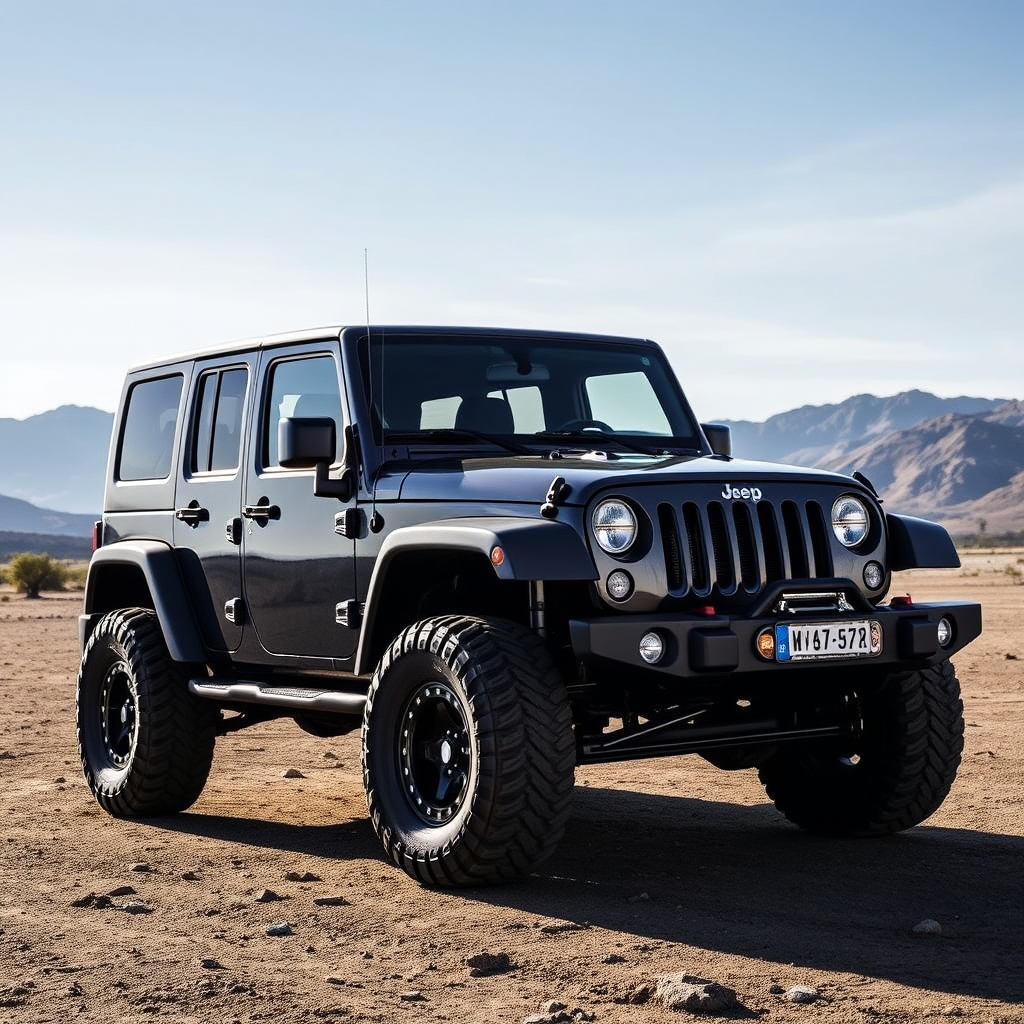
Real-world Example: Off-road Jeep Wrangler
Jake drives his 2018 JL Wrangler mostly on weekends. He loves off-roading in rocky and muddy areas. Jeep recommends a 60,000-mile change, but after 30,000 miles, Jake noticed rougher shifting and a burnt smell. He checked the fluid—dark and thin.
Changing it early solved his problem.
Lesson: Off-road adventures and tough conditions mean you should check—and maybe change—your fluid more often.
Credit: www.hananiacdjr.com
Frequently Asked Questions
How Do I Know If My Jeep Wrangler Needs A Transmission Fluid Change?
Look for signs like rough shifting, dark or burnt-smelling fluid, delayed gear engagement, or leaks under your Jeep. If you’re past 60,000 miles (or five years), it’s smart to change the fluid even if you don’t see problems.
Can I Change The Transmission Fluid Myself?
Yes, if you have basic tools and time. Make sure to use the exact fluid type for your model. Always replace the filter (automatic) and check the level after refilling. If you’re not comfortable, a mechanic can help.
What Happens If I Don’t Change My Wrangler’s Transmission Fluid?
Old or dirty fluid can lead to transmission failure, which is expensive to fix. You may notice hard shifts, slipping, overheating, and strange noises. Regular changes prevent these problems and keep your Jeep running longer.
Is There A Difference Between Flushing And Draining Transmission Fluid?
Yes. Draining removes most of the old fluid, but some stays inside. Flushing uses a machine to push all old fluid out and replace it with new. Flushing is more thorough but can sometimes cause problems if not done correctly. For most Wranglers, regular draining and filling is safe.
How Much Does It Cost To Change Jeep Wrangler Transmission Fluid?
Prices vary. DIY costs $60–$120 (parts only). Shops charge $100–$180. Dealers may charge $200–$350 for an automatic transmission service with filter change. Manual transmissions are usually cheaper.
Maintaining your Jeep Wrangler’s transmission is one of the smartest ways to enjoy smooth rides and avoid unexpected repair bills. By following the right interval and watching for signs, your Wrangler will stay ready for any adventure—on or off the road.