1993 Jeep Grand Cherokee Laredo: Ultimate Buyer’s Guide
 Reading Time: 8 minutes
 The 1993 Jeep Grand Cherokee Laredo holds a special place in SUV history. When it first appeared, it brought comfort, ruggedness, and innovation together in a way few vehicles had before. For many, this model became their introduction to the SUV lifestyle—whether for family road trips, daily commuting, or off-road adventures. Even decades later, it continues to attract interest from car enthusiasts and first-time buyers alike. If you’re thinking about this classic Jeep or just want to understand why it stands out, this guide breaks down everything you need to know in simple, direct language.
Background And Legacy
The 1993 Jeep Grand Cherokee Laredo was the first model year of the Grand Cherokee line. Jeep launched it as a mid-size SUV, aiming to bridge the gap between rugged off-roaders and comfortable family vehicles. This model replaced the Jeep Cherokee as the brand’s flagship SUV.
Some key points:
- First Grand Cherokee to hit the market.
- Introduced at the 1992 Detroit Auto Show with a dramatic stunt—driving up the steps and through a glass window.
- Combined off-road ability with car-like comfort, a new idea at the time.
Today, the 1993 model is often seen as a pioneer for the modern SUV market. It set standards for others to follow.
Exterior And Design
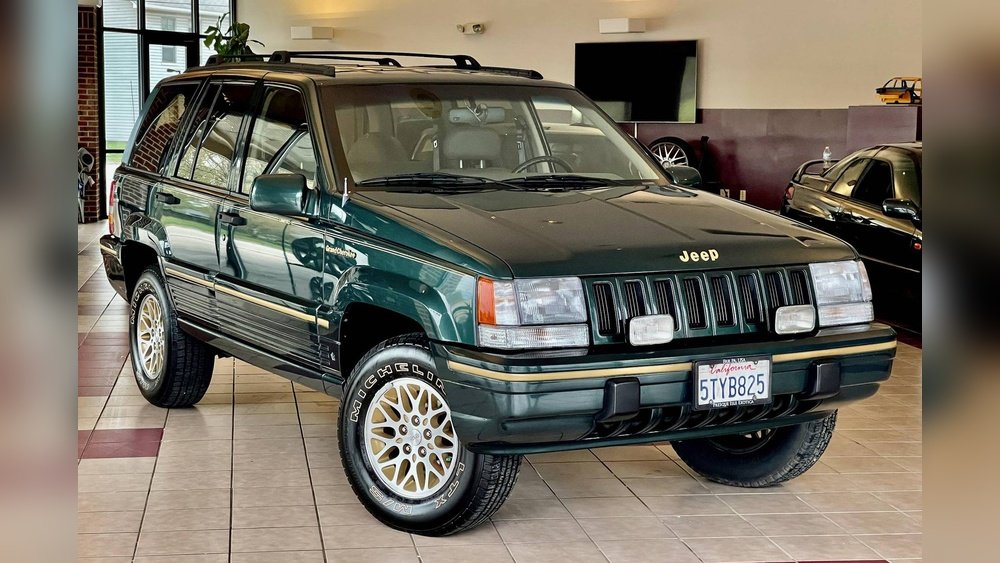
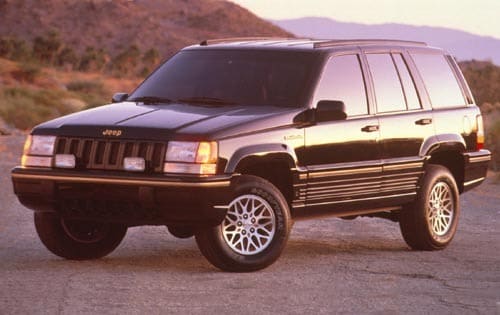
The 1993 Grand Cherokee Laredo had a boxy, practical design typical of early ’90s SUVs but with refined touches. Here’s what made it unique:
- Large, upright grille with seven vertical slots—a signature Jeep look.
- Wide stance for stability both on and off the road.
- Black body cladding and bumper for the Laredo trim.
- Alloy wheels as standard.
- Roof rack for extra cargo.
Its design made it both tough for off-roading and stylish enough for city driving. The Laredo trim sat in the middle of the lineup, balancing price and features.

Credit: en.wikipedia.org
Engine And Performance
Under the hood, the 1993 Grand Cherokee Laredo started with a 4.0-liter inline-six engine. This engine was well known for its reliability and power.
Key specifications:
- 190 horsepower at 4,600 rpm.
- 225 lb-ft of torque at 3,000 rpm.
- 0-60 mph in about 9 seconds (for the 4.0L version).
- Estimated fuel economy: 15 mpg city / 20 mpg highway.
For those wanting more power, a 5.2-liter V8 engine was optional. This offered:
- 220 horsepower.
- 285 lb-ft of torque.
Both engines came with a 4-speed automatic transmission as standard. There was also a 5-speed manual option for the six-cylinder, though it was rare.
On-road Vs. Off-road
The Laredo came with rear-wheel drive (2WD) or four-wheel drive (4WD). The 4WD system was called “Selec-Trac,” allowing you to switch between 2WD and 4WD easily.
- 2WD: Better fuel economy, suited for city/highway.
- 4WD: Essential for snow, mud, or off-road trails.
The Grand Cherokee Laredo could handle rough terrain, steep hills, and moderate water crossings, making it a favorite among outdoor enthusiasts.
Interior Comfort And Features
Inside, the 1993 Grand Cherokee Laredo felt more like a car than a truck. It could seat five adults comfortably.
Key interior features:
- Cloth upholstery (leather optional).
- Power windows, locks, and mirrors.
- Air conditioning as standard.
- AM/FM radio with cassette player.
- Fold-flat rear seats for extra cargo space.
- Tilt steering wheel.
The dashboard was simple but well laid out. Controls were easy to reach, and the gauges were large and clear.
For a 1993 SUV, these features were impressive. The Laredo trim offered a balance of comfort and price, making it the most popular choice.
.jpg?t=169418560195)
Credit: carsandbids.com
Safety Features
Safety was one of Jeep’s selling points for the Grand Cherokee. The 1993 Laredo included:
- Driver’s side airbag (a big deal in 1993).
- Anti-lock brakes (ABS) as standard.
- Sturdy steel frame and reinforced doors.
- Three-point seat belts for all seating positions.
- Child safety locks on rear doors.
These features helped the Grand Cherokee earn good safety ratings for its time.
Reliability And Maintenance
The 4.0L inline-six engine is famous for lasting over 200,000 miles with proper care. The main things to check on a used 1993 Laredo:
- Cooling system leaks (radiator and water pump).
- Power window failures.
- Rust, especially on the underbody in cold climates.
- Electrical issues (common with early ‘90s vehicles).
Regular maintenance includes oil changes every 3,000-5,000 miles, checking the transmission fluid, and keeping up with brake and tire replacements.
Parts are still widely available. Many owners enjoy working on these Jeeps themselves, thanks to simple mechanical systems.
Buying Guide: What To Look For
If you’re considering a 1993 Grand Cherokee Laredo, keep these tips in mind:
- Check for rust: Look under the doors, wheel wells, and the frame.
- Test the 4WD system: Make sure it engages smoothly.
- Listen for engine noises: The inline-six should sound smooth.
- Inspect suspension: Worn shocks or bushings can make the ride rough.
- Review service records: Well-maintained Jeeps last much longer.
A clean, rust-free Laredo with service history is a good find. Avoid models with major leaks, overheating, or persistent electrical gremlins.
Common Problems And Fixes
While the 1993 Grand Cherokee Laredo is reliable, some issues are typical:
- Power window failure: Often due to worn-out regulators.
- Cooling system leaks: Fix by replacing the radiator or hoses.
- Transmission issues: Regular fluid changes help prevent problems.
- Sagging headliner: Age causes the fabric to drop; re-gluing or replacement solves this.
Most repairs are straightforward, and parts are affordable.
Ownership Costs
The cost to own a 1993 Grand Cherokee Laredo varies:
- Purchase price (used): $2,000–$5,000 depending on condition and mileage.
- Annual maintenance: $500–$1,000 (higher if you do heavy off-roading).
- Insurance: Usually low, since it’s an older vehicle.
Fuel costs are higher than a small car, but lower than larger SUVs or trucks. The value stays steady for well-kept models, especially with lower miles.
1993 Grand Cherokee Laredo Vs. Competitors
Here’s a look at how the Grand Cherokee Laredo compared with its main rivals in 1993:
| Model | Engine Power | 4WD Option | Fuel Economy (mpg) |
|---|---|---|---|
| Grand Cherokee Laredo | 190-220 hp | Yes | 15/20 |
| Ford Explorer | 155 hp | Yes | 15/20 |
| Chevrolet Blazer | 200 hp | Yes | 14/19 |
| Toyota 4Runner | 150 hp | Yes | 16/19 |
The Grand Cherokee offered more power and comfort. It was also the first in its class with a driver’s airbag.
Driving Experience: On-road And Off-road
On paved roads, the Laredo feels sturdy. The suspension absorbs bumps, and steering is light for its size. It’s not as quiet as modern SUVs, but road noise is reasonable.
Off-road, the Jeep’s solid front and rear axles help it tackle rough trails. Ground clearance of 8.3 inches lets you clear rocks and ruts. The Selec-Trac system makes it easy to switch to 4WD when conditions change.
Many owners use their 1993 Laredo for camping, fishing, and other outdoor trips. It’s a true “go-anywhere” vehicle.
Practical Uses And Real-world Examples
The 1993 Grand Cherokee Laredo is great for:
- Family road trips: Roomy back seat, large cargo area.
- Hauling gear: Roof rack and folding seats for bikes, camping gear, or pets.
- Winter driving: 4WD handles snow and ice well.
- Light towing: Can pull small trailers or boats (up to 5,000 lbs with the V8).
Many first-time SUV owners found this Jeep easy to drive and maintain. It’s also a popular choice for “overlanding” (self-reliant travel to remote places).
Unique Insights Most Miss
- The 1993 Laredo was one of the first SUVs to combine off-road ability with luxury features like power seats and keyless entry (optional), setting a new trend.
- Its frame was unibody construction, not the typical body-on-frame. This gave a smoother ride but also required checking for underbody rust more often—a detail beginners often overlook.
Collector And Enthusiast Value
Today, the 1993 Jeep Grand Cherokee Laredo is a sought-after classic. Collectors look for:
- Low-mileage, unmodified examples.
- Original paint and interior.
- Factory documentation (manuals, window sticker).
- Early production “launch” models.
Enthusiasts appreciate its simple mechanics and strong parts availability. Some restore them to factory specs, while others build them into serious off-road rigs.
Credit: www.edmunds.com
Example Maintenance Schedule
Keeping a 1993 Laredo running smoothly is simple if you follow a schedule:
| Task | Interval |
|---|---|
| Oil and filter change | Every 3,000-5,000 miles |
| Transmission service | Every 30,000 miles |
| Coolant flush | Every 30,000 miles |
| Brake inspection | Every 12,000 miles |
| Tire rotation | Every 6,000 miles |
Following this helps prevent common problems and keeps your Jeep dependable.
Aftermarket Upgrades And Modifications
Many owners like to customize their Laredo. Popular upgrades include:
- Larger tires for better off-road grip.
- Upgraded headlights for safer night driving.
- Roof racks or storage boxes.
- Modern audio systems (Bluetooth, USB).
For serious off-roading, lift kits and skid plates can increase capability. Always check local laws before making changes.
Fuel Economy Tips
To get the best fuel economy from your 1993 Grand Cherokee Laredo:
- Keep tires properly inflated.
- Use the correct grade of motor oil.
- Drive smoothly—avoid sudden acceleration.
- Limit use of 4WD to when you need it.
- Remove heavy items from the roof rack when not in use.
Most owners average between 15–18 mpg in mixed driving.
Why Choose The 1993 Grand Cherokee Laredo?
This model stands out because:
- It’s simple to maintain and repair.
- Offers strong off-road ability plus daily comfort.
- Parts are easy to find and affordable.
- It has a classic Jeep look that never goes out of style.
For someone wanting their first SUV or a reliable second vehicle, it’s a smart choice.
For more technical details and historical context, check the official Wikipedia page.
Frequently Asked Questions
What Engine Options Were Available For The 1993 Jeep Grand Cherokee Laredo?
The Laredo came standard with a 4.0-liter inline-six engine. A 5.2-liter V8 was optional for extra power, but most Laredos had the six-cylinder.
How Reliable Is The 1993 Grand Cherokee Laredo?
It’s known for long-term durability, especially the inline-six engine. With regular maintenance, these Jeeps often last over 200,000 miles.
Is The 1993 Laredo Good For Off-roading?
Yes. Its Selec-Trac 4WD system, solid axles, and good ground clearance make it great for trails, mud, and snow.
What Common Problems Should I Watch For?
Check for rust, power window failures, and cooling system leaks. Also, make sure the 4WD system works properly.
How Much Should I Pay For A Used 1993 Grand Cherokee Laredo?
Prices range from $2,000 to $5,000 based on condition, mileage, and location. Clean, low-mileage examples may cost more.
The 1993 Jeep Grand Cherokee Laredo is more than just a classic SUV—it’s a milestone in automotive history. Whether you want a reliable daily driver, a project vehicle, or a rugged off-roader, this Jeep delivers value, character, and lasting appeal.