Jeep TJ Soft Top With Hardware: Ultimate Guide for Easy Installation
 Reading Time: 8 minutes
 If you own a Jeep TJ (1997–2006), you probably know the freedom of open-air driving. But you also know how important a good soft top is for protecting you from rain, wind, and sun. Many Jeep owners, especially beginners, get confused about which soft top to buy and what “with hardware” really means. This guide explains everything you need to know about choosing, installing, and using a Jeep TJ soft top with hardware. You’ll also discover practical tips, data, and answers to common questions.
What Is A Jeep Tj Soft Top With Hardware?
A Jeep TJ soft top is a removable fabric roof for the Jeep Wrangler TJ model. The term “with hardware” means that the package includes all the necessary metal parts and mechanisms to attach the soft top securely to your Jeep.
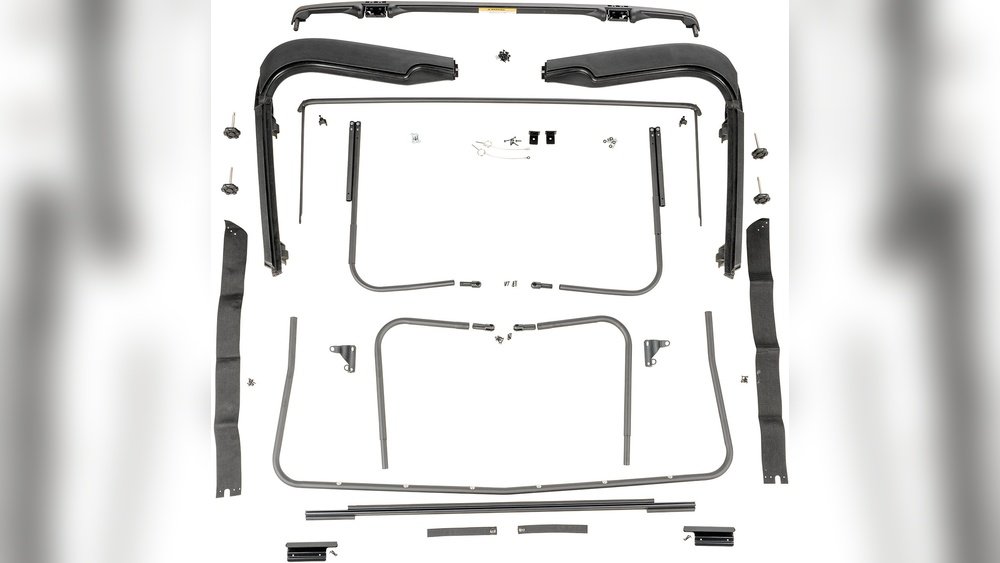
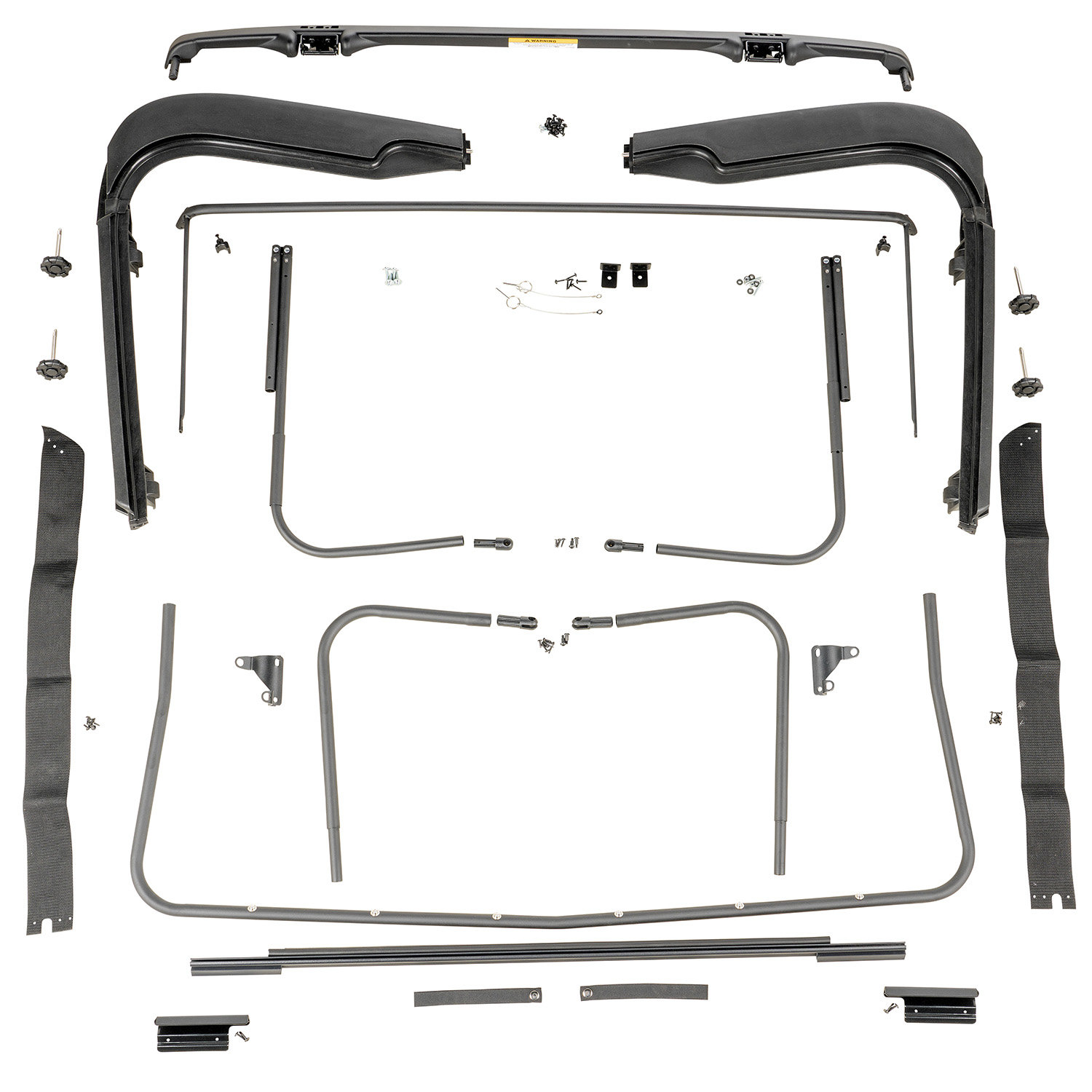
Most Jeep soft tops need more than just the fabric. They use a system of bows, brackets, and rails to hold the top in place. If your Jeep doesn’t already have these pieces, or if they’re old and rusty, you need a kit that includes the hardware. This is especially important if you’re switching from a hardtop to a soft top for the first time.
Key parts usually included:
- Main bows and side rails: These form the frame.
- Door surrounds: Plastic or metal pieces that seal the soft top around the doors.
- Tailgate bar: Keeps the rear window tight and sealed.
- Knobs, brackets, and screws: Small parts for assembly.
Without these, the soft top won’t fit or seal properly.
Types Of Jeep Tj Soft Tops
There are several types of soft tops for the Jeep TJ. Each offers different features, materials, and levels of protection.
Full Soft Top
This is the most common style. It covers the entire cabin and usually includes zippered windows (side and rear). You can remove the windows for more airflow.
- Good for year-round use
- Protects from rain and sun
- Most include tinted windows for UV protection
Bikini Top
A bikini top covers only the front seats. It’s great for hot, dry climates but not for rain or cold.
- Maximum open-air feeling
- Minimal weather protection
Frameless Soft Top
This type uses the Jeep’s body and roll bars for support instead of a full metal frame.
- Sleeker look
- Easier to fold down
- Less structure means less noise protection
Comparison Of Popular Soft Top Types
| Type | Weather Protection | Ease of Installation | Cost |
|---|---|---|---|
| Full Soft Top (with hardware) | High | Medium | $$$ |
| Bikini Top | Low | Easy | $ |
| Frameless Soft Top | Medium | Easy | $$ |
Insight: Many beginners think all soft tops are the same, but frameless and bikini tops offer less weather protection and may need additional hardware or straps.
Credit: www.quadratec.com
Why Hardware Matters For Your Jeep Tj Soft Top
If your Jeep has never had a soft top, you need the complete hardware kit. Even if your Jeep came with a soft top years ago, the hardware may be damaged or missing. Hardware ensures:
- Tight fit: Prevents flapping and leaks.
- Safety: A secure frame protects you at highway speeds.
- Easy installation/removal: The right hardware makes it simple to take the top off or put it back on.
Pro tip: Don’t mix hardware from different brands. A mismatched kit can cause fit issues and leaks.
Materials And Durability
The material of the soft top affects how long it lasts and how it looks. Most Jeep TJ soft tops use one of two main fabrics:
- Vinyl (Sailcloth)
- More affordable
- Good waterproofing
- Can be noisier at high speeds
- Twill Fabric
- Feels more like convertible car tops
- Quieter
- More expensive but lasts longer
Durability Data
- Average vinyl top life: 3–5 years with regular use
- Twill top life: 5–7 years (with proper care)
- Hardware (steel/aluminum): 5+ years, unless exposed to heavy road salt
Weather, sunlight, and road salt are the main reasons for early wear. Cleaning and UV protection sprays can make your soft top last longer.

Credit: wranglertjforum.com
Key Features To Look For
When choosing a Jeep TJ soft top with hardware, pay attention to these important features:
- UV resistance: Reduces fading and cracking.
- Zipper quality: Rust-proof zippers last longer.
- Tinted windows: Block heat and UV rays.
- Replaceable windows: Some tops let you change out damaged windows instead of buying a whole new top.
- Warranty: Look for at least a 1-year warranty.
Beginner mistake: Some buyers forget to check if the kit includes door surrounds. These are often missing in cheaper kits.
Installation: Step-by-step For Beginners
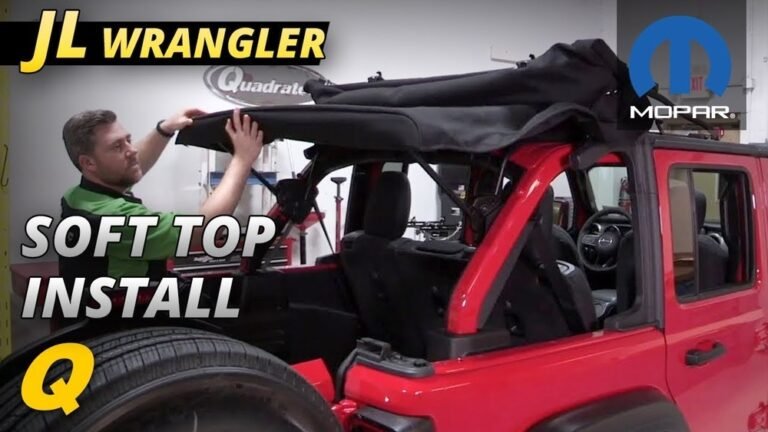
Installing a Jeep TJ soft top with hardware can look hard, but most beginners can do it with simple hand tools. Here’s a practical step-by-step:
- Remove the old top and hardware (if any).
- Unscrew all brackets and save the screws if in good condition.
- Lay out all new hardware and fabric pieces.
- Check the instructions and make sure nothing is missing.
- Install door surrounds.
- Attach with included brackets.
- Make sure they line up with your Jeep doors.
- Assemble the main bow frame.
- Connect the bows and side rails.
- Attach to factory mounting points on the Jeep’s body.
- Fit the soft top fabric over the frame.
- Start from the front and work backward.
- Pull the fabric tight to avoid wrinkles.
- Attach windows.
- Zip in the side and rear windows.
- Slide the tailgate bar into place for a tight seal.
- Check all connections.
- Tighten loose screws and adjust for best fit.
- Test for leaks.
- Use a hose or wait for rain to check if water gets in.
Example: Most first-time installers take about 2–3 hours for a full soft top with hardware. An extra pair of hands helps a lot.
Real-world Benefits Of A Soft Top With Hardware
A Jeep TJ soft top with the right hardware transforms your vehicle experience:
- Quick weather changes: Take the top up or down in minutes when the weather changes.
- Better resale value: A new, well-installed top makes your Jeep look newer.
- Lower weight: A soft top is much lighter than a hardtop, which can improve fuel economy slightly.
- Easy repairs: Damage to the fabric or windows can often be fixed without replacing the whole top.
Insight: Many new Jeep owners don’t realize that a good soft top can also reduce cabin noise compared to an old, worn-out hardtop.
Cost Breakdown And Value
Pricing for a Jeep TJ soft top with hardware varies by brand, material, and included features.
- Entry-level kits (vinyl, basic hardware): $350–$500
- Mid-range kits (sailcloth, tinted windows, better hardware): $500–$700
- Premium kits (twill fabric, high-end hardware, 3-year+ warranty): $700–$1,100
Example Cost Comparison
| Kit Type | Material | Hardware Included? | Average Price |
|---|---|---|---|
| Bestop Trektop NX | Twill | Yes | $950 |
| Sierra Offroad Full Top | Vinyl | Yes | $399 |
| Pavement Ends Replay | Sailcloth | No | $320 |
Practical tip: Avoid used hardware kits unless you know their history. Rusty or bent frames can cause leaks and make installation much harder.
Common Problems And How To Avoid Them
1. Leaks and Flapping:
- Cause: Loose hardware or old seals.
- Solution: Tighten frame bolts, replace worn-out weatherstripping.
2. Zipper Failure:
- Cause: Dirt, rust, or forcing zippers.
- Solution: Use zipper lubricant and always clean before storing.
3. Poor Fit:
- Cause: Mixing brands or missing hardware.
- Solution: Buy a complete kit from a trusted manufacturer.
4. Window Fogging or Scratching:
- Cause: Low-quality plastic or rough cleaning.
- Solution: Use a microfiber cloth and plastic-safe cleaner.
Non-obvious insight: Storing the windows flat and out of direct sunlight prevents permanent creases and discoloration.
Maintenance Tips For Long Life
- Wash by hand with mild soap—never use car washes or harsh chemicals.
- Apply UV protectant every few months.
- Lubricate zippers regularly.
- Check hardware for rust or loose bolts every season.
- Store windows in a soft case when not in use.
Real example: Jeep owners who follow these steps often get 2–3 extra years from their soft tops compared to those who don’t.
How To Choose The Right Kit For Your Jeep Tj
When shopping, consider:
- Your climate: Twill fabric for cold, wet, or noisy environments; vinyl for hot, dry areas.
- How often you’ll remove the top: Frameless and quick-release tops are best for frequent changes.
- Color: Black is most popular, but spice, tan, or gray can match your Jeep’s paint.
- Warranty and support: Buy from brands with good customer service and clear installation guides.
Example: If you live in a rainy area, pick a kit with extra weatherstripping and sealed seams.
For more detailed Jeep TJ specs, check the official Jeep Wrangler (TJ) Wikipedia page.
Frequently Asked Questions
What Does “with Hardware” Mean For A Jeep Tj Soft Top?
It means the kit includes all the metal frame parts, brackets, and fasteners needed to attach the soft top to your Jeep. If your Jeep never had a soft top, or if parts are missing, you need a kit “with hardware.
”
Can I Install A Soft Top With Hardware By Myself?
Yes, most beginners can install a Jeep TJ soft top with hardware at home. You need basic tools (screwdriver, wrench). Plan for 2–3 hours and ask a friend to help for easier alignment.
How Do I Know If My Jeep Tj Already Has Soft Top Hardware?
Look for metal or plastic rails around the door edges and roll bars, plus a bow system that folds. If you only see smooth metal or mounting holes, you likely need a full hardware kit.
Are All Jeep Tj Soft Tops Compatible With All Hardware?
No, tops and hardware kits are often brand-specific. Always buy a matching set or check compatibility with your model year and brand.
How Do I Care For My Jeep Tj Soft Top And Hardware?
Clean the fabric with mild soap and water. Lubricate zippers. Check hardware for rust or looseness every few months. Store windows flat and out of sunlight to prevent damage.
A good Jeep TJ soft top with hardware makes driving more enjoyable and keeps your Jeep ready for any season. With the right kit, a careful installation, and regular care, your soft top will last for years—giving you both style and practical weather protection on every adventure.

Credit: www.bestop.com