Jeep Tj Door Panel Replacement: Step-by-Step Guide for DIY Success
 Reading Time: 8 minutes
 Replacing the door panel on a Jeep TJ can seem challenging if you’ve never done it before. But with the right guidance, even beginners can handle this job confidently. Whether your panel is cracked, faded, or you want to upgrade your interior, knowing how to remove and replace it yourself can save money and keep your Jeep looking sharp.
Many Jeep TJ owners face common issues: broken clips, worn-out panels, or rattling doors. This guide will walk you through the process, share tips that most new DIYers miss, and help you avoid mistakes that lead to frustration. You’ll also find data tables to compare parts and tools, plus a handy FAQ section for quick answers.
Why Replace Your Jeep Tj Door Panel?
The door panel is more than just decoration. It covers important wiring, holds controls, and protects the inside of your door from dirt and water. Here are some reasons why you might need to replace it:
- Damage: Cracks, fading, or holes make your Jeep look old.
- Function: Broken clips or parts can stop windows or locks from working.
- Upgrade: New panels can improve comfort, sound, or style.
- Noise: Old panels may rattle or squeak when driving.
Regular replacement or repair keeps your Jeep in top condition and can also increase resale value.
Tools And Materials Needed
Before you start, gather all tools and materials. Missing something halfway can be frustrating, so double-check this list:
- Phillips screwdriver (for screws)
- Flathead screwdriver (for prying)
- Trim removal tool (plastic is safest)
- Needle nose pliers (for clips)
- Replacement door panel (fits Jeep TJ, usually 1997–2006)
- Replacement clips (optional, but often needed)
- Socket wrench set (for bolts)
- Panel fastener remover (optional, for stubborn clips)
- Protective gloves (to avoid cuts)
Having the right tools avoids damage and makes the job faster.

Credit: www.onallcylinders.com
How To Remove The Jeep Tj Door Panel
Follow these steps to remove your old panel safely. Take your time, and don’t rush—most mistakes happen when people hurry.
- Lower the Window: Roll it down to avoid breaking glass.
- Disconnect Battery: If your Jeep has power locks or windows, disconnect the battery to prevent shorts.
- Remove Screws: Look for screws near the door handle, armrest, and lower part of the panel. Use a Phillips screwdriver.
- Pry Off Trim: Use a flathead screwdriver or trim tool to gently pop off the plastic trim near the door handle and edges.
- Release Clips: Insert the trim tool between the panel and door. Gently pry to release the plastic clips. Work around the edges—don’t pull hard in one spot.
- Lift Panel Up: Once loose, lift the panel upward to unhook it from the window channel.
- Disconnect Wiring: Carefully unplug any wiring for speakers, locks, or windows.
Most beginners forget to disconnect wiring before pulling the panel away. This can rip wires or connectors—always check before removing the panel completely.
Choosing The Right Replacement Door Panel
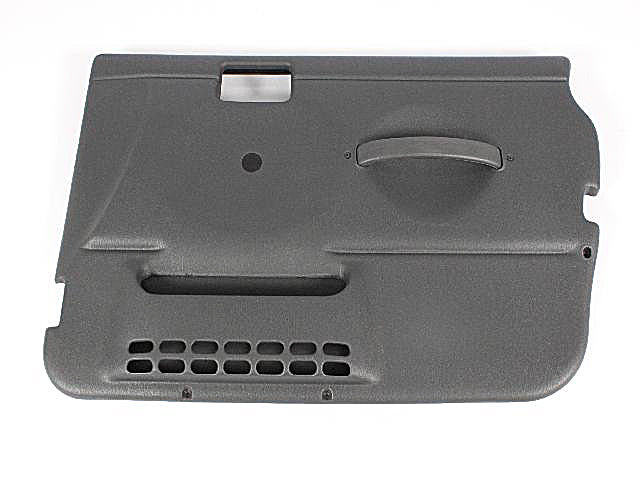
Not all panels fit every Jeep TJ. Here’s what to check before buying:
- Model year: Panels for 1997–2001 differ from 2002–2006.
- 2-door vs 4-door: Jeep TJs are 2-door, but confirm before purchase.
- Color and finish: Match your interior color for a clean look.
- Manual or power: Choose panels with the right holes for window cranks or switches.
- Material quality: Some panels use thicker plastic or better soundproofing.
Here’s a simple comparison of aftermarket and OEM (original) panels:
| Panel Type | Pros | Cons | Average Price (USD) |
|---|---|---|---|
| OEM | Perfect fit, factory look | More expensive | $180–$350 |
| Aftermarket | Cheaper, more choices | Fit may vary, colors may differ | $60–$180 |
Tip: Buy extra door panel clips. Many will break when removing the old panel.
Credit: www.quadratec.com
Installing The New Door Panel
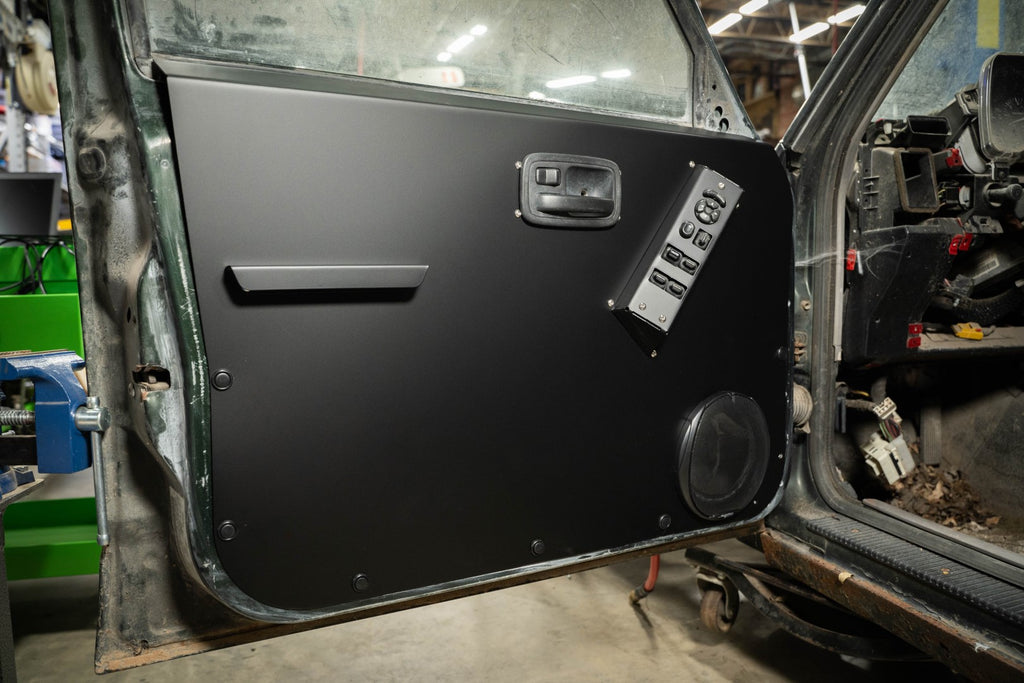
With the old panel off, it’s time to fit the new one. Clean the area and check that everything works before installing.
- Compare Panels: Hold the new panel next to the old one. Confirm holes and clip placements match.
- Transfer Parts: Move over switches, handles, or speakers if the new panel is empty.
- Plug in Wires: Reconnect all wiring. Test locks, windows, and speakers before putting the panel on.
- Align Panel: Hook the top edge into the window channel.
- Press Clips: Line up and press the panel so clips snap into place.
- Reinstall Screws: Secure screws at all points.
- Replace Trim: Snap back any trim covers.
- Reconnect Battery: Test everything again.
Beginner tip: Don’t force clips or screws. If something won’t fit, realign the panel and try again.
Common Mistakes And How To Avoid Them
Many first-timers make the same errors. Here’s how to avoid the most common ones:
- Breaking clips: Use a proper trim tool, not a screwdriver, to avoid snapping clips.
- Losing screws: Place them in a tray or cup so nothing gets lost.
- Forgetting wiring: Always check for wires before pulling off the panel.
- Wrong panel: Double-check your Jeep’s year and model before buying parts.
- Not testing: Test all functions before final assembly. It’s easier to fix problems before everything is back together.
Real-world Example: 2004 Jeep Tj Door Panel Swap
Let’s look at a real example. Sarah owns a 2004 Jeep TJ. Her driver’s side panel was cracked and the speaker grill broke off. She decided to replace it herself.
- She bought an aftermarket panel for $120.
- She used a trim removal tool to save the old clips.
- Swapped her speaker and lock switch to the new panel.
- She found the fit was slightly off, so she used extra foam behind the panel for a tight fit.
- Finished in under an hour.
Insight: Aftermarket panels can sometimes fit loosely. Adding thin foam or buying new clips can solve rattles.
Cost Breakdown: Diy Vs. Professional Replacement
Some Jeep owners wonder if paying for a shop is worth it. Here’s a cost comparison:
| Replacement Option | Parts Cost | Labor Cost | Total Cost |
|---|---|---|---|
| DIY (Aftermarket Panel) | $80–$150 | $0 | $80–$150 |
| Professional Shop | $120–$300 | $100–$200 | $220–$500 |
DIY saves money, but requires time and care. Shops charge more but handle all the work.
Credit: theturtlelab.com
Tips For A Clean, Rattle-free Finish
- Replace all clips: Old clips lose grip and cause rattles.
- Add sound deadening: Stick thin foam or sound mat behind the new panel for quieter doors.
- Wipe surfaces: Clean inside the door before installing. Dirt can scratch new panels.
- Check fit: Make sure panel edges line up evenly all around.
- Tighten gently: Over-tightening screws can crack plastic.
Even small steps like cleaning and adding foam can make your Jeep feel more solid and new.
What To Do With Old Door Panels
Don’t just throw them away. Here are a few ideas:
- Sell or donate: Someone may want original panels, even if damaged.
- Recycle: Most panels are plastic and can be recycled.
- Keep for parts: Save handles or switches as spares.
Recycling is better for the environment, and you might even earn back a little money.
Jeep Tj Door Panel Replacement: Quick Reference Steps
If you want a fast checklist, use these steps:
- Gather tools and new panel.
- Lower window and disconnect battery.
- Remove screws and trim.
- Pry panel loose, unplug wiring.
- Lift off old panel.
- Transfer handles, switches, speakers.
- Plug wiring into new panel.
- Align and press new panel into place.
- Reinstall screws and trim.
- Test all functions.
Keep this list handy for your next replacement.
Jeep Tj Door Panel Options Compared
Jeep TJ owners often ask about the best replacement panels. Here’s a quick look at three popular types:
| Panel Brand | Material | Color Choices | Warranty |
|---|---|---|---|
| OEM Mopar | Thick ABS plastic | Gray, Black | 12 months |
| Rugged Ridge | Textured plastic | Black only | 5 years |
| Bestop | Vinyl over plastic | Black, Spice | 3 years |
Non-obvious insight: Some aftermarket panels use softer plastic that feels cheaper but is easier to trim if needed.
When To Call A Professional
Most Jeep TJ door panel jobs are DIY-friendly. But sometimes you need extra help:
- Electrical issues: If power locks or windows don’t work after replacing the panel.
- Fit problems: If the panel will not align, even after adjustments.
- Broken wiring: If you accidentally pull out or break wires.
A professional can solve these problems quickly and safely. For most people, though, replacing the panel yourself is simple and rewarding.
Where To Find Replacement Panels
You can buy Jeep TJ door panels at:
- Dealerships: For original Mopar parts.
- Auto parts stores: Offer both OEM and aftermarket options.
- Online retailers: Amazon, eBay, Quadratec, and others.
- Specialty Jeep shops: Sometimes have rare colors or styles.
Always read reviews and check return policies before buying. For more details, you can check the official Jeep website.
Frequently Asked Questions
How Long Does It Take To Replace A Jeep Tj Door Panel?
Most people can replace a door panel in 30–60 minutes. If you’re new, plan for about an hour. Taking your time helps avoid mistakes.
Do I Need Special Tools For Door Panel Removal?
You only need basic tools: screwdrivers, trim tool, and pliers. A plastic trim tool is safest for removing clips without damage.
Can I Reuse The Old Door Panel Clips?
Sometimes, but old clips often break or lose their grip. It’s best to use new clips for a secure, rattle-free fit.
Will A 1997–2001 Panel Fit A 2002–2006 Jeep Tj?
No, there are small differences. Always buy a panel that matches your exact model year for best results.
Is It Okay To Drive Without A Door Panel?
It’s not recommended. The panel protects wiring and mechanisms. Driving without it can lead to dirt, water damage, or electrical problems.
Replacing your Jeep TJ door panel is a smart upgrade that’s easy for most people to tackle in an afternoon. With the right tools, some patience, and a little guidance, you can give your Jeep a fresh look and avoid paying high shop prices. Remember: double-check your parts, keep track of screws, and don’t rush. A well-done replacement makes your ride quieter, cleaner, and more enjoyable—so get started and enjoy the results!