
Jeep Grand Cherokee Engine Replacement Cost: What To Expect
 Reading Time: 8 minutes
For U.S. Jeep Grand Cherokee owners, an engine replacement can cost about $4,500 to more than $25,000 installed. The price depends on the model year, engine, replacement type, labor rate, and any extra parts or repairs needed. Many common gas-engine replacements fall in the $6,000–$14,000 range, while a 6.4L Hemi, EcoDiesel, or new factory engine can cost much more.
These are broad U.S. budgeting estimates, not a live survey or a quote for a specific Jeep. Ask a repair shop to confirm the engine code, parts, labor, and warranty in writing before approving work.
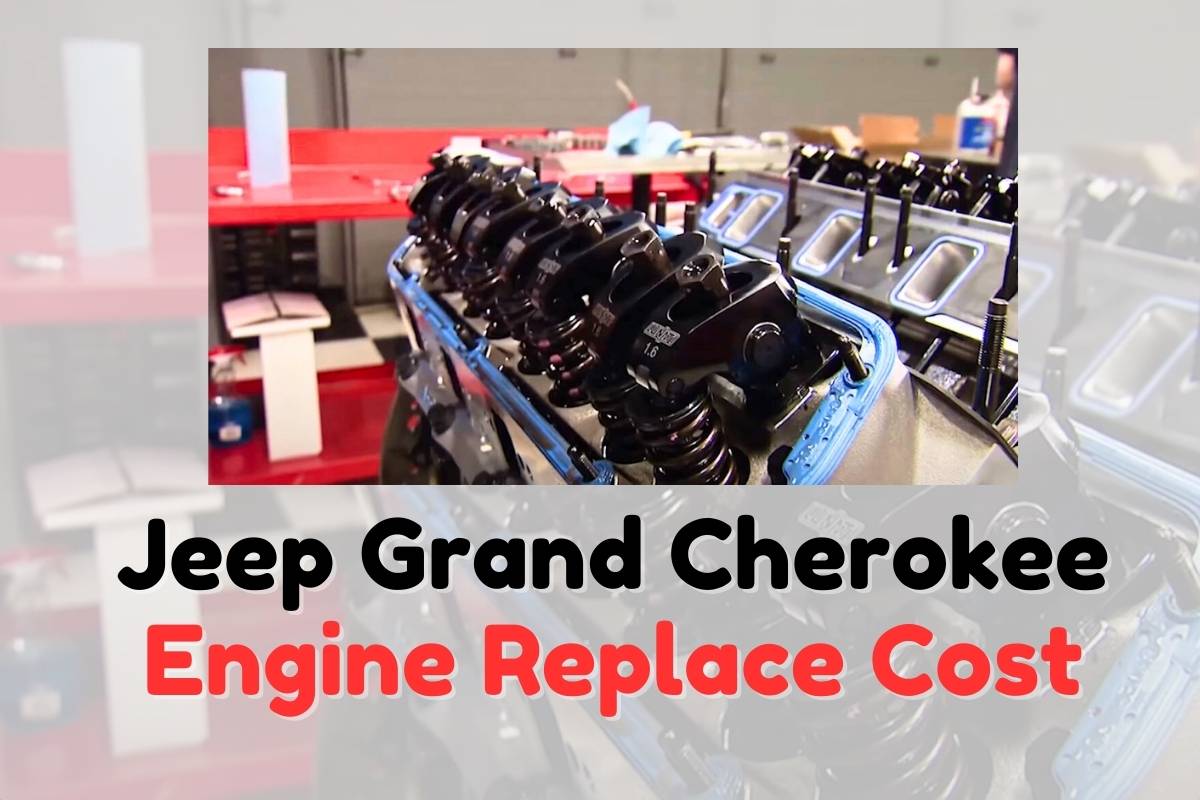
Jeep Grand Cherokee engine replacement cost by engine
The engine and replacement type have the biggest effect on the total. A used engine usually costs less up front; a remanufactured or new engine often costs more but may come with a stronger parts warranty.
The table shows rough installed-price ranges in U.S. dollars. Actual prices can fall outside them, especially when a rare engine, extra repairs, or higher local labor rates are involved.
| Engine type | Used engine installed | Remanufactured engine installed | New engine installed |
|---|---|---|---|
| 3.6L Pentastar V6 | $4,500–$8,500 | $7,000–$12,000 | $10,000–$16,000+ |
| 5.7L Hemi V8 | $6,000–$10,000 | $8,500–$14,000 | $13,000–$20,000+ |
| 6.4L Hemi V8 | $9,000–$15,000 | $12,000–$20,000 | $17,000–$25,000+ |
| 3.0L EcoDiesel V6 | $8,000–$14,000 | $12,000–$20,000 | $18,000–$30,000+ |
These ranges are for planning, not a guaranteed price. Engine availability, model year, vehicle condition, and the shop’s labor rate can shift the total by thousands of dollars. A shop may also quote a long block—an engine assembly without some external parts—or a more complete assembly, so compare what each estimate includes.
The 4xe plug-in hybrid has a 2.0L turbo engine and high-voltage hybrid parts. It needs a quote based on the exact vehicle and fault. Do not use a standard gas-engine estimate as a reliable price for a 4xe.

What does an engine replacement price include?
A complete estimate should list the engine, labor, related parts, fluids, and any extra work. The word “engine” alone does not tell you what the shop plans to install.
A replacement may be a used engine, taken from another vehicle; a remanufactured engine, taken apart and rebuilt to a set standard; or a new engine, built from new parts. A rebuilt engine may mean the shop repaired or rebuilt the engine, but the exact work can vary. Ask for the supplier’s description and warranty terms.
Labor is often a major part of the bill. As an example, 15–25 labor hours at $120–$200 per hour would add $1,800–$5,000 before parts and other charges. This is only an illustration: the hours and rate depend on the shop, engine, and vehicle.
A written quote may include:
- The engine assembly and its source
- Removal and installation labor
- New gaskets, seals, belts, hoses, or other required parts
- Oil, coolant, and other fluids
- Diagnostic work and post-install checks
- Taxes, shop fees, and disposal charges
- Warranty coverage for parts and labor
Ask whether the estimate includes parts that transfer from the old engine, such as the intake, fuel system, alternator, or accessories. A low parts price may not include those items, installation, or a warranty.

What changes the cost of a Grand Cherokee engine replacement?
The same engine can cost different amounts to replace in two Grand Cherokees. Model year, engine version, parts supply, and the vehicle’s condition all matter.
Model year and engine match: Grand Cherokees have used several engines over time. Even engines with the same size may differ by year, emissions equipment, wiring, or control parts. Give the shop the VIN and ask it to confirm the exact engine code and fit before ordering.
Replacement type and warranty: A used engine can lower the initial bill, but its past use may be unclear. A remanufactured engine may cost more, but its warranty and included parts may differ from one supplier to another. Read the warranty for coverage limits, labor payment, and required maintenance.
Local labor and access: Shop rates vary by region and business type. Engine removal may also require more work if nearby parts are damaged, seized, or hard to reach.
Damage beyond the engine: A failed engine may leave metal in the oil system or damage cooling, fuel, or electrical parts. The shop should explain which extra repairs are needed and why. Ask for approval before it adds work to the bill.
Vehicle condition: Rust, past collision damage, or other major faults can make the job harder or less worthwhile. Before spending thousands on an engine, ask the shop to check the transmission, cooling system, and other costly parts.
Is it better to replace or repair the engine?
Choose repair when a specific fault can be fixed at a reasonable cost and the rest of the engine is in sound shape. Consider replacement when damage is widespread, the repair estimate is close to the price of a replacement, or a qualified shop finds the engine is not fit to rebuild.
A ticking sound, warning light, oil leak, or rough idle does not prove that the engine needs replacement. Several problems can cause similar symptoms. Ask for a diagnosis that identifies the failed part and the test results behind the recommendation.
Compare the full cost, not only the engine price. A repair may cost less but leave other worn parts untouched. A replacement may cost more yet include a parts warranty. Neither option guarantees that every other vehicle problem will go away.
If the vehicle overheats, loses oil pressure, or makes a sudden severe knocking sound, stop driving when it is safe to do so. Continued driving can worsen damage. Have the Grand Cherokee inspected or towed rather than risking a larger repair.

How to get an accurate engine replacement quote
Provide the shop with the VIN, model year, mileage, engine type if known, and a clear description of the symptoms. Ask for a written estimate that identifies the replacement engine and separates parts, labor, and other charges.
Use this checklist:
- Confirm the diagnosis. Ask what failed and whether the shop checked for less costly causes.
- Confirm engine fit. Ask the shop to verify compatibility using the VIN, engine code, and emissions equipment.
- Compare replacement types. Ask whether the quote is for a used, remanufactured, or new engine.
- Review what is included. Check labor hours, transferred parts, new parts, fluids, fees, and taxes.
- Read the warranty. Ask how long it lasts, what it covers, and who pays labor if the engine fails.
- Get approval rules in writing. Set a limit for extra work that the shop may do without contacting you.
You can use the NHTSA VIN Decoder to check vehicle details, and the NHTSA recall lookup to search for open safety recalls. For the vehicle’s specific equipment and maintenance details, check the Mopar owner’s manual page. These tools do not replace a mechanical diagnosis or confirm that a repair is covered by warranty.
The Federal Trade Commission’s auto repair guide explains practical steps for dealing with repair shops, including getting an estimate and asking about warranties. Keep copies of the estimate, invoice, and warranty terms.

How to lower the cost without taking on extra risk
Get at least two written quotes for the same type of engine and the same scope of work. Comparing a used engine quote with a remanufactured engine quote is not an equal comparison unless the parts, labor, and warranty are clear.
A lower-cost used engine may make sense for an older vehicle if the supplier can document its mileage or test results and provide clear warranty terms. A remanufactured engine may suit an owner who plans to keep the Grand Cherokee longer, but the warranty details still matter. Ask what happens if the replacement engine fails and whether labor is covered.
Avoid choosing a shop on price alone. Confirm that the shop has experience with the Grand Cherokee’s engine and that it will document the engine source, installation work, and warranty. Also ask whether the quote includes related parts that should be replaced during the job.
Before approving an engine, compare the replacement cost with the vehicle’s overall condition and your plans for it. If the transmission, body, or other major systems also need work, ask for a full repair estimate before making the decision.

FAQs about Jeep Grand Cherokee engine replacement
How long does it take to replace a Grand Cherokee engine?
The work may take several days, but the exact time depends on the shop’s schedule, engine availability, and any added repairs. Ask whether the shop has the replacement engine in hand and when it expects to complete the job.
Is a used engine worth the lower price?
It can be, if the engine fits the exact vehicle and the supplier provides useful history, test details, and written warranty terms. A low purchase price is less helpful if the warranty excludes labor or the engine’s condition is unknown.
Does an engine replacement include a warranty?
It depends on the engine supplier and repair shop. Ask for the warranty in writing and check its length, exclusions, maintenance rules, and whether it covers installation labor as well as the engine.
Could a warranty or recall cover the replacement?
Possibly, but coverage depends on the vehicle, the failed part, the warranty terms, and any applicable program. Check the VIN with a Jeep dealer and review recall information through NHTSA. A recall search does not show all warranty or service-program coverage.
Should I replace the engine if the repair costs more than the Jeep is worth?
Compare the full repair cost with the vehicle’s condition, likely future repairs, and your plans. A market value estimate is only one part of the decision; a sound vehicle with known history may still be worth repairing to its owner. Ask for a complete inspection before deciding.
Conclusion: Budget for the exact engine and written quote
A Jeep Grand Cherokee engine replacement can range from roughly $4,500 to more than $25,000 installed, depending on the engine and replacement type. The most useful next step is to get a diagnosis and a written quote tied to the VIN. Compare the same engine type, included work, and warranty terms before choosing a shop.