Jeep Grand Cherokee Transmission Problems: Causes and Solutions
 Reading Time: 8 minutes
 If you drive a Jeep Grand Cherokee, you probably enjoy its strong engine, comfort, and ability to handle rough roads. But even a popular SUV like this can have issues, and transmission problems are one of the most common headaches for owners. If you notice strange noises, rough shifting, or warning lights, you might be facing a transmission issue. This article will help you understand why these problems happen, what signs to look for, and what you can do to fix or avoid them. Whether you’re thinking of buying a Grand Cherokee or want to keep your current vehicle running well, knowing about transmission problems can save you money and stress.
What Is The Transmission And Why Does It Matter?
The transmission in a Jeep Grand Cherokee is the part that moves power from the engine to the wheels. Without it, the SUV would not move. The transmission changes gears so your car can go fast or slow, and it helps the engine use fuel more efficiently. A problem here can affect how your Jeep drives and even leave you stranded.
There are two main types of transmissions in the Grand Cherokee:
- Automatic Transmission – Changes gears for you, most common in recent models.
- Manual Transmission – You change gears yourself, rare in recent models.
Most Grand Cherokees from 2011 and newer use an 8-speed automatic transmission. Some older models use 5- or 6-speed automatics.
Common Transmission Problems In Jeep Grand Cherokee
Over the years, Jeep Grand Cherokee owners have reported several issues with their transmissions. These problems can depend on the model year, how the car is used, and how well it is maintained. Below are the most frequent issues:
1. Hard Or Rough Shifting
Many owners notice that their Jeep jerks or shifts roughly between gears. This can happen when the car is cold or after driving for a while. For example, the 2014–2017 Grand Cherokee is known for rough shifting with its ZF 8HP70 automatic transmission.
2. Delayed Engagement
Sometimes, when you shift from Park to Drive or Reverse, there is a delay before the car moves. This can be a sign that the transmission fluid is low or the transmission control module is failing.
3. Transmission Slipping
Slipping means the engine revs up, but the car doesn’t speed up as it should. This often happens in the 2011–2015 models and can be dangerous, especially when merging onto highways.
4. Transmission Fluid Leaks
Transmission fluid is bright red and has a sweet smell. Leaks can come from worn seals or a cracked pan. Losing fluid can quickly cause serious damage if not fixed.
5. Warning Lights
The “Check Engine” or “Transmission” warning lights may come on. This can mean a simple sensor issue or something more serious inside the transmission.
6. Complete Transmission Failure
In rare cases, the transmission fails completely. The car won’t move, and rebuilding or replacing the transmission is expensive.
7. Software Issues
Modern Jeep transmissions are controlled by computers. Sometimes, a software bug makes the transmission act strangely. A software update from the dealer often solves this.
8. Stuck In Gear
Some owners say the car gets stuck in one gear and won’t shift. This can be caused by a failed sensor, solenoid, or electronic control problem.
9. Grinding Or Clunking Noises
Unusual sounds when shifting or driving can mean gears are worn or damaged.
10. Overheating
If you tow heavy loads or drive in hot weather, the transmission can overheat. Overheating causes fluid breakdown and faster wear.

Credit: www.youtube.com
Jeep Grand Cherokee Transmission Problems By Model Year
Some years of the Grand Cherokee have more transmission complaints than others. Here’s a summary using data from the National Highway Traffic Safety Administration (NHTSA) and owner forums.
| Model Year | Main Transmission Problems | Approx. Repair Cost (USD) | Common Mileage When Issues Appear |
|---|---|---|---|
| 2011 | Slipping, harsh shifts | $2,800 | 70,000–100,000 miles |
| 2014 | Rough shifting, software errors | $1,200 | 30,000–60,000 miles |
| 2015 | Shuddering, delayed engagement | $1,600 | 40,000–70,000 miles |
| 2017 | Stuck in gear, warning lights | $1,100 | 40,000–65,000 miles |
| 2019 | Software glitches, hesitation | $950 | 20,000–50,000 miles |
Insight: The 2014 model year stands out for software-related transmission issues. Many owners needed a computer update, not a full repair. This is a good example of how modern car problems can be both mechanical and electronic.
Symptoms Of A Failing Transmission
How do you know your Jeep Grand Cherokee’s transmission is in trouble? Watch for these signs:
- Delayed movement when shifting from Park to Drive or Reverse.
- Rough or hard shifts between gears.
- Strange noises like grinding, whining, or clunking.
- Burning smell from under the hood.
- Transmission warning light on the dashboard.
- Slipping—engine revs but car doesn’t speed up as expected.
- Fluid leaks under the car (usually red or brown).
Non-obvious tip: Many beginners ignore small jerks or delays, thinking it’s “normal for a Jeep.” Even small changes in the way your Jeep shifts can signal a bigger problem.
Why Do Transmission Problems Happen?
There are several reasons why the Jeep Grand Cherokee can develop transmission issues:
- Fluid breakdown: Over time, transmission fluid loses its ability to cool and lubricate.
- Software bugs: Modern transmissions rely on computers, and bugs can cause shifting problems.
- Wear and tear: Hard driving, towing, or off-roading causes extra stress.
- Lack of maintenance: Skipping fluid changes leads to more wear.
- Defective parts: Some years had faulty solenoids, sensors, or control modules.
How To Diagnose Transmission Problems
If you suspect a transmission problem, here’s what you can do:
- Check the transmission fluid level. Low or dirty fluid is a common cause.
- Scan for codes. An OBD-II scanner can read trouble codes from the car’s computer.
- Test drive. Note when problems happen—cold, hot, under load, etc.
- Visit a trusted mechanic. Some problems need special tools to diagnose.
Beginner’s insight: Many issues show up only when the car is hot or after long drives. Pay attention to when and how the symptoms appear.
Credit: www.endurancewarranty.com
Transmission Repair Options And Costs
Fixing a Grand Cherokee transmission can be expensive. Your options depend on the exact problem:
- Software update: Usually $100–$250 at a dealer.
- Fluid and filter change: $250–$400.
- Replace solenoids or sensors: $400–$900.
- Rebuild transmission: $2,500–$4,000.
- Replace with new or remanufactured transmission: $3,500–$6,000.
Here’s a comparison of repair options:
| Repair Option | Estimated Cost | Best For | Time Needed |
|---|---|---|---|
| Software Update | $100–$250 | Shifting glitches, error codes | 1–2 hours |
| Fluid Change | $250–$400 | Minor issues, maintenance | 2–3 hours |
| Rebuild | $2,500–$4,000 | Major internal damage | 2–4 days |
| Replace Transmission | $3,500–$6,000 | Severe failure, high mileage | 3–5 days |
Tip: Always get a second opinion before agreeing to a rebuild or replacement. Sometimes a sensor or software fix is all you need.
How To Prevent Transmission Problems
Prevention is always cheaper than repair. Here’s what you can do:
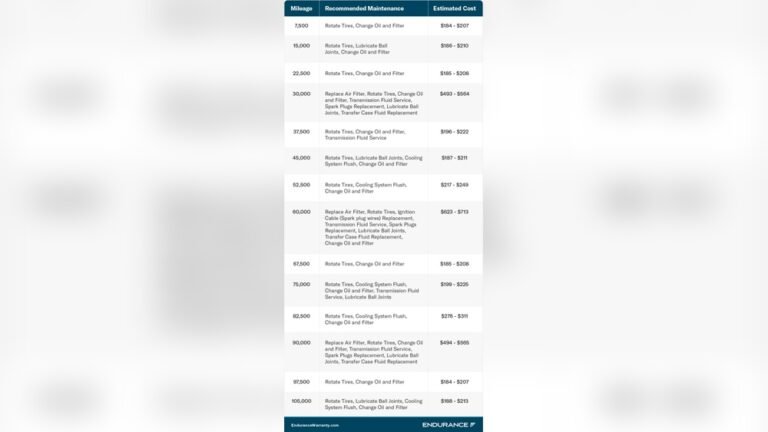
- Change transmission fluid every 60,000 miles or as recommended.
- Check for leaks regularly, especially after off-roading.
- Drive gently—avoid sudden starts and stops.
- Don’t overload or tow beyond the Jeep’s limit.
- Update software if your dealer recommends it.
- Fix warning lights right away.
Lesser-known advice: Some Jeep transmissions are picky about fluid type. Always use the specific fluid recommended in your owner’s manual.
Recalls And Extended Warranties
Jeep and Chrysler (now Stellantis) have issued recalls for transmission problems in some Grand Cherokee years. For example, the 2014–2015 models were recalled for a shifter problem that could let the car roll away after being parked.
If you have a newer Grand Cherokee, check if your car is under warranty or has an extended warranty for the transmission. Some repairs may be covered.
You can check for active recalls using your VIN on the official NHTSA website or at your dealer.
Owner Experiences: Real-world Stories
Reading about statistics is useful, but real stories show how transmission problems affect everyday drivers.
- Maria, 2015 Grand Cherokee: She noticed rough shifts at 45,000 miles. The dealer did a software update, and the problem improved, but did not fully go away.
- James, 2012 Grand Cherokee: His car began slipping at 80,000 miles. A fluid and filter change fixed the problem for a year, but eventually, he needed a rebuild.
- Priya, 2017 Grand Cherokee: Her Jeep got stuck in second gear. A new transmission control module was needed, costing $950.

Credit: www.reddit.com
Should You Buy A Used Jeep Grand Cherokee?
Buying a used Grand Cherokee can be a good choice, but always check:
- Service records for regular transmission maintenance.
- If there are any open recalls.
- How the transmission shifts during a test drive.
Avoid models with a lot of transmission complaints (especially 2014–2015). If you notice rough shifting, slipping, or warning lights, it’s best to look for another SUV.
Jeep Grand Cherokee Transmission: Quick Facts
Here’s a summary for quick reference:
| Fact | Detail |
|---|---|
| Most Common Transmission | 8-speed automatic (2014+) |
| Average Repair Cost | $1,500–$4,000 |
| Fluid Change Interval | Every 60,000 miles |
| Top Complaint Years | 2014, 2015, 2011 |
| Warranty Coverage | 5 years/60,000 miles (powertrain) |
What To Do If You Have A Problem
If you notice signs of transmission trouble:
- Don’t keep driving. More damage can cost you thousands.
- Check your transmission fluid.
- Get the car scanned for error codes.
- Visit a mechanic or Jeep dealer for a proper diagnosis.
- Check if your warranty or recall covers the repair.
Frequently Asked Questions
What Is The Average Lifespan Of A Jeep Grand Cherokee Transmission?
With proper maintenance, the transmission can last 150,000–200,000 miles. Skipping fluid changes or rough driving can shorten its life.
Are There Any Jeep Grand Cherokee Years To Avoid?
Yes, the 2014 and 2015 model years have many transmission complaints. These years are known for rough shifting and software bugs.
Is It Safe To Drive With A Slipping Transmission?
No, driving with a slipping transmission can be dangerous. It can cause the car to lose power suddenly and may lead to total failure.
How Often Should I Change The Transmission Fluid?
Most experts recommend changing transmission fluid every 60,000 miles. Always check your owner’s manual for your specific Jeep.
Where Can I Check For Transmission Recalls?
You can check for active recalls using your VIN on the official NHTSA website.
Jeep Grand Cherokees are strong and capable, but transmission problems can turn a good day into a stressful one. Knowing the signs, keeping up with maintenance, and acting fast when you notice issues can help you avoid costly repairs. If you’re thinking about buying a used Grand Cherokee, pay extra attention to how the transmission feels and always check for recalls. With the right care, your Jeep can stay reliable for years to come.