

Do Jeep Cherokees Last Long? Real Owner Insights Revealed
 Reading Time: 7 minutes
 Many people ask if Jeep Cherokees last long. This question matters to buyers who want a strong, reliable SUV for years. You may see Cherokees on the road that look old but still drive well. Is this luck, or do they really last longer than other SUVs? Let’s break down the facts, the numbers, and the real owner experiences to help you decide if a Jeep Cherokee will stand the test of time.
How Many Miles Can A Jeep Cherokee Last?
Most buyers want to know the average lifespan in miles. The answer depends on the model year, care, and driving habits, but here’s what the data shows:
- Typical lifespan: 150,000 to 250,000 miles with proper maintenance
- Some owners report: Over 300,000 miles on original engines and transmissions
- Average annual mileage: 12,000 to 15,000 miles per year
If you drive a Cherokee 15,000 miles per year, you can expect about 10 to 16 years of use before major repairs become likely.
Real-world Example
John from Michigan drove his 2012 Jeep Cherokee for 230,000 miles before selling it. He replaced the brakes, tires, and battery a few times, but the engine and transmission stayed strong with regular oil changes and check-ups. Stories like this are common among Cherokee fans.
Key Factors That Affect Cherokee Longevity
Not all Jeeps last the same. Several factors shape the lifespan of your Cherokee. Here’s what matters most:
- Maintenance habits – Regular oil changes, fluid checks, and fixing small problems early
- Driving style – Gentle highway driving is easier on parts than rough off-roading or city stop-and-go
- Climate and environment – Salt, humidity, and extreme temperatures can cause rust or wear
- Model year and engine – Some years and engines are more reliable than others
Let’s look at some details and data.
Maintenance Makes The Biggest Difference
Routine service is the top reason some Cherokees outlast others. Skipping oil changes or ignoring warning lights can lead to early engine trouble.
Common maintenance items:
- Oil and filter changes (every 5,000–7,500 miles)
- Transmission fluid (every 60,000 miles)
- Coolant and brake fluid (every 2–3 years)
- Timing belt or chain (as recommended for your engine)
Owners who follow the schedule in their Jeep manual report fewer breakdowns.
Driving Conditions Matter
Highway driving is gentle on engines and transmissions. If you often tow, drive off-road, or make lots of short trips, your Cherokee’s parts may wear out faster.
- Stop-and-go city driving = more stress on brakes and transmission
- Off-roading = extra wear on suspension and drivetrain
- Towing = higher engine and transmission temperatures
If you use your Cherokee for tough tasks, more frequent checks and services are smart.
Model Year And Engine Reliability
Not all Cherokees have the same reputation. Some model years and engines last longer with fewer repairs. Here’s a quick comparison for popular models:
| Model Year | Engine | Known Issues | Expected Lifespan |
|---|---|---|---|
| 2014-2019 | 2.4L Tigershark | Oil consumption, transmission issues | 150,000–200,000 miles |
| 2011-2013 | 3.2L Pentastar V6 | Water pump leaks, minor sensors | 200,000–250,000 miles |
| 2000-2007 | 4.0L Inline-6 | Very reliable, some rust issues | 250,000+ miles |
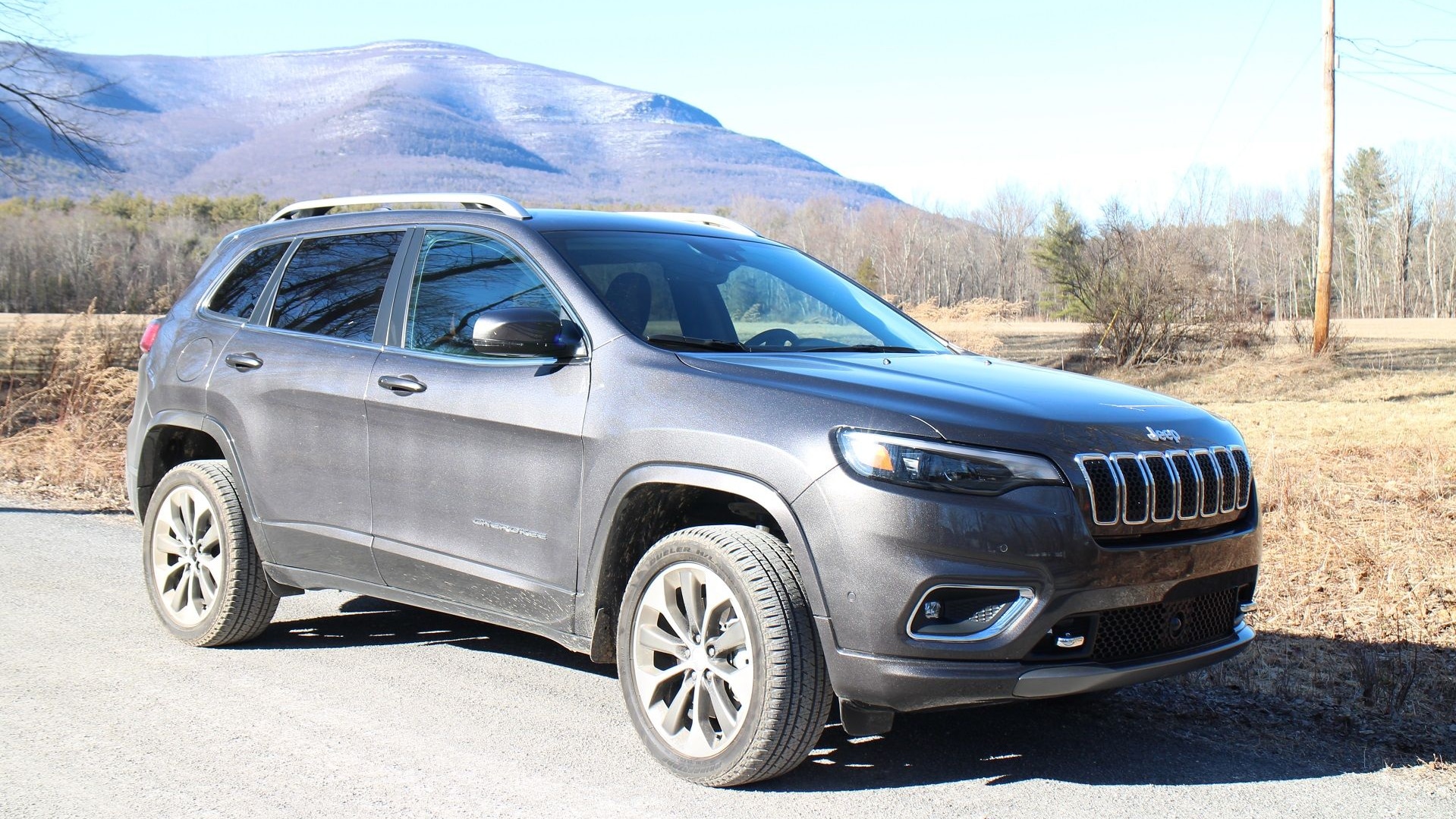
Insight: The older 4.0L engine is famous for durability. Newer models offer more features but sometimes have more electronic problems.
Credit: www.greencarreports.com
How Jeep Cherokee Longevity Compares To Other Suvs
Is the Cherokee above or below average for SUVs? Let’s see how it matches up with popular rivals.
| SUV Model | Average Lifespan (Miles) | Owner Satisfaction |
|---|---|---|
| Jeep Cherokee | 150,000–250,000 | Good to Very Good |
| Toyota RAV4 | 200,000–300,000 | Excellent |
| Honda CR-V | 200,000–300,000 | Excellent |
| Ford Escape | 130,000–200,000 | Good |
| Chevrolet Equinox | 150,000–200,000 | Good |
The Cherokee is strong, but Toyota and Honda usually last longer with fewer repairs. Still, many Jeep owners choose Cherokee for its off-road ability and unique style.
Common Problems That Limit Cherokee Lifespan
Every car has weak spots. Knowing the most frequent Cherokee issues helps you prevent big repairs.
- Transmission problems – Some 2014–2019 models had shifting trouble, especially the 9-speed automatic
- Oil consumption – The 2.4L Tigershark engine can use oil quickly if not watched
- Electrical glitches – Touchscreen, sensors, and power windows may stop working in some years
- Rust – Older Cherokees (especially in snowy states) may rust underneath
How To Avoid Major Issues
- Check the transmission fluid often and change it as recommended
- Watch your oil level between changes—add oil if it’s low
- Inspect the underbody for rust every year, especially after winter
- Use only quality parts and fluids
Non-obvious tip: Many owners skip the cabin air filter, but a dirty filter can cause weak airflow and make your AC work harder. Change it every 15,000–20,000 miles for better comfort and system life.
Signs Your Cherokee Will Last Longer
Want to spot a Cherokee with good life left? Look for these signs:
- Service records showing regular oil changes and repairs
- No warning lights on the dash
- Smooth shifting and no odd noises from the engine or suspension
- Clean underbody with little or no rust
- All electronics (windows, locks, AC) working well
Buying a used Cherokee? Always get a mechanic to inspect it before you pay.
Tips To Make Your Jeep Cherokee Last Longer
You can take simple steps to help your Cherokee reach the high end of its lifespan.
- Follow the maintenance schedule in your owner’s manual
- Use synthetic oil for better engine protection
- Warm up the engine for a minute in cold weather before driving
- Wash the underbody after winter to remove salt and prevent rust
- Fix small problems fast before they become expensive
Extra Tips Most People Miss
- Don’t ignore “soft” brakes—flushing brake fluid can prevent expensive repairs
- If your Cherokee has a sunroof, clean the drains twice a year to avoid leaks
The Cost Of Keeping A Cherokee Running
A longer lifespan can mean more repairs as the years go by. What should you expect to spend?
| Service/Part | Average Cost | Recommended Interval |
|---|---|---|
| Oil Change | $50–$100 | 5,000–7,500 miles |
| Brake Pads | $150–$300 | 30,000–70,000 miles |
| Transmission Service | $180–$300 | 60,000 miles |
| Tires (set of 4) | $500–$800 | 50,000 miles |
| Timing Belt/Chain | $400–$1,000 | Depends on engine |
Insight: Spending a little on regular service can save you thousands later. Delaying a $100 oil change could lead to a $4,000 engine replacement.
Owner Satisfaction And Real-world Reliability
Many Jeep Cherokee drivers feel attached to their SUV. Why? Because it offers off-road skills, a comfortable ride, and a strong engine for its size. But satisfaction depends on expectations.
- Happy owners: Follow maintenance, choose reliable engines, and don’t mind occasional repairs
- Unhappy owners: Ignore warning signs, skip service, or get unlucky with problem years
A practical example: In a 2022 survey, 71% of Cherokee owners said they would buy another Jeep, compared to 82% for the Toyota RAV4. The main reason for lower scores? Cost of repairs in later years.

Credit: www.bettenhausencdjr.com
When Is It Time To Sell Or Replace Your Cherokee?
Even the best SUVs reach a point where repairs cost more than the car is worth. Watch for these signs:
- Frequent breakdowns or warning lights
- Rust holes in the underbody or frame
- Engine or transmission repairs costing over half the car’s value
- High mileage (over 200,000) with little service history
Tip: If you keep up with repairs, a well-loved Cherokee can still be a good family car or adventure vehicle for many years.
Should You Buy A High-mileage Jeep Cherokee?
Buying a used Cherokee with 150,000+ miles can be risky, but also affordable. Here’s how to decide:
- Review the service history—no records, big risk
- Check for rust, leaks, and smooth shifting
- Pay less up front but save for possible repairs
Pro tip: Some high-mileage Cherokees are well cared for and can last years, but parts will wear out. Budget for repairs as part of your ownership cost.
Credit: www.firkinscj.com
Frequently Asked Questions
How Many Miles Can A Jeep Cherokee Last?
With good care, most Cherokees last between 150,000 and 250,000 miles. Some reach over 300,000 miles if they receive regular service and gentle use.
Are Jeep Cherokees Reliable Compared To Toyota Or Honda?
Cherokees are strong and good for off-road use, but Toyota RAV4 and Honda CR-V usually last longer and need fewer repairs. Jeep excels in off-road features and style.
What Are The Most Common Problems With Jeep Cherokees?
The most reported issues are transmission trouble, oil consumption (especially in the 2.4L engine), electrical faults, and rust on older models. Regular checks help prevent big problems.
Does The Jeep Cherokee Require Expensive Maintenance?
Routine service (oil, brakes, fluids) is not expensive, but major repairs (transmission, engine) can be. Budget for repairs as your Cherokee gets older.
Where Can I Find More Information About Jeep Cherokee Reliability?
For more data and reviews, check the Consumer Reports Jeep Cherokee page for owner scores and reliability ratings.
Jeep Cherokees can last a long time with the right care. While not always as worry-free as a Toyota or Honda, many owners enjoy years of adventure and comfort. If you follow maintenance, watch for common problems, and treat your Cherokee well, it can be a dependable SUV for the long haul.


