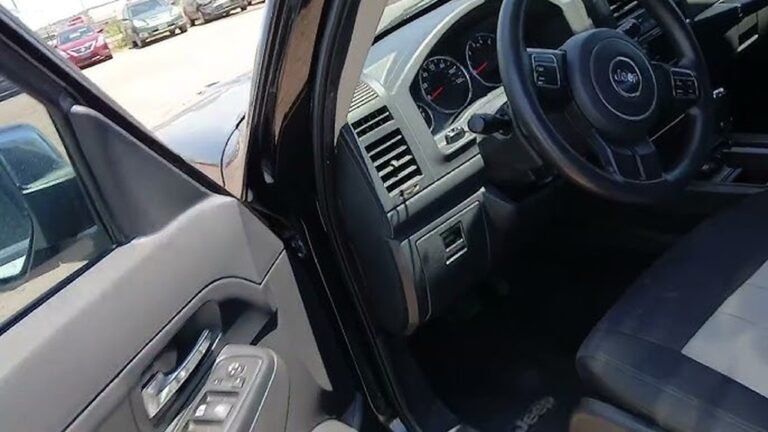
Is Jeep Compass Good On Gas: Fuel Economy Explained
 Reading Time: 7 minutes
Introduction
For U.S. drivers, the Jeep Compass is fairly good on gas for a small SUV with standard four-wheel drive, but it is not among the most fuel-efficient choices in its class. Recent U.S. models are rated at about 24 mpg in the city, 32 mpg on the highway, and 27 mpg combined, though the exact figure depends on the model year and configuration.
That rating is an EPA estimate, not a promise of what every driver will get. Your mileage can change with traffic, speed, weather, cargo, tires, and driving habits. If fuel savings are your top goal, compare the Compass with efficient gas and hybrid SUVs before you buy.
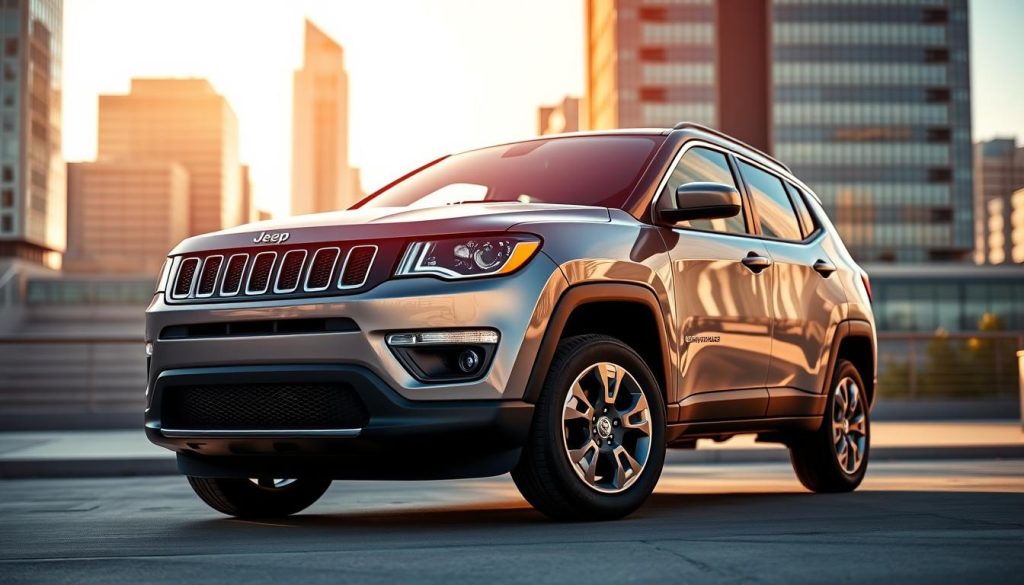
Jeep Compass gas mileage at a glance
Recent U.S. Jeep Compass models earn an EPA rating of about 27 mpg combined. The EPA estimate for the 2024 and 2025 Compass is generally listed as 24 mpg city, 32 mpg highway, and 27 mpg combined for the four-wheel-drive configuration.
| Driving type | EPA-estimated mileage |
|---|---|
| City | 24 mpg |
| Highway | 32 mpg |
| Combined | 27 mpg |
These figures apply to the listed recent model years and configuration. Check the exact year and trim on the EPA’s FuelEconomy.gov vehicle search, since ratings can change between years and versions.
The 2024 and 2025 Compass use a turbocharged 2.0-liter engine and an eight-speed automatic transmission. Four-wheel drive is standard on these U.S. models. That setup gives the Compass traction for varied road conditions, but it usually uses more fuel than a comparable front-wheel-drive vehicle.
Bottom line: The Compass’s fuel economy is reasonable for a four-wheel-drive SUV, but buyers seeking the lowest fuel bill may find more efficient options.

What does 27 mpg mean for fuel costs?
At 27 mpg, a Compass uses about 37 gallons to travel 1,000 miles. That is a simple estimate: divide 1,000 miles by 27 mpg. Your actual fuel use will depend on how and where you drive.
Here is an example using a made-up gas price of $3.50 per gallon and 12,000 miles of driving per year:
- At 27 mpg, you would use about 444 gallons a year.
- At $3.50 per gallon, that would cost about $1,556 a year.
- At 30 mpg, the same distance would use 400 gallons and cost about $1,400.
- The difference would be about $156 a year.
This is a comparison, not a forecast. Use your local gas price and expected annual mileage to estimate your own costs. A change in gas prices can have a bigger effect than a small difference in mpg.
You can estimate fuel cost with this formula:
Annual miles ÷ vehicle mpg × gas price per gallon = estimated yearly fuel cost
For example, enter your planned miles, the Compass rating for your exact model year, and the current price at nearby stations. Use the EPA combined rating for a general estimate, but expect city-heavy driving to use more fuel.
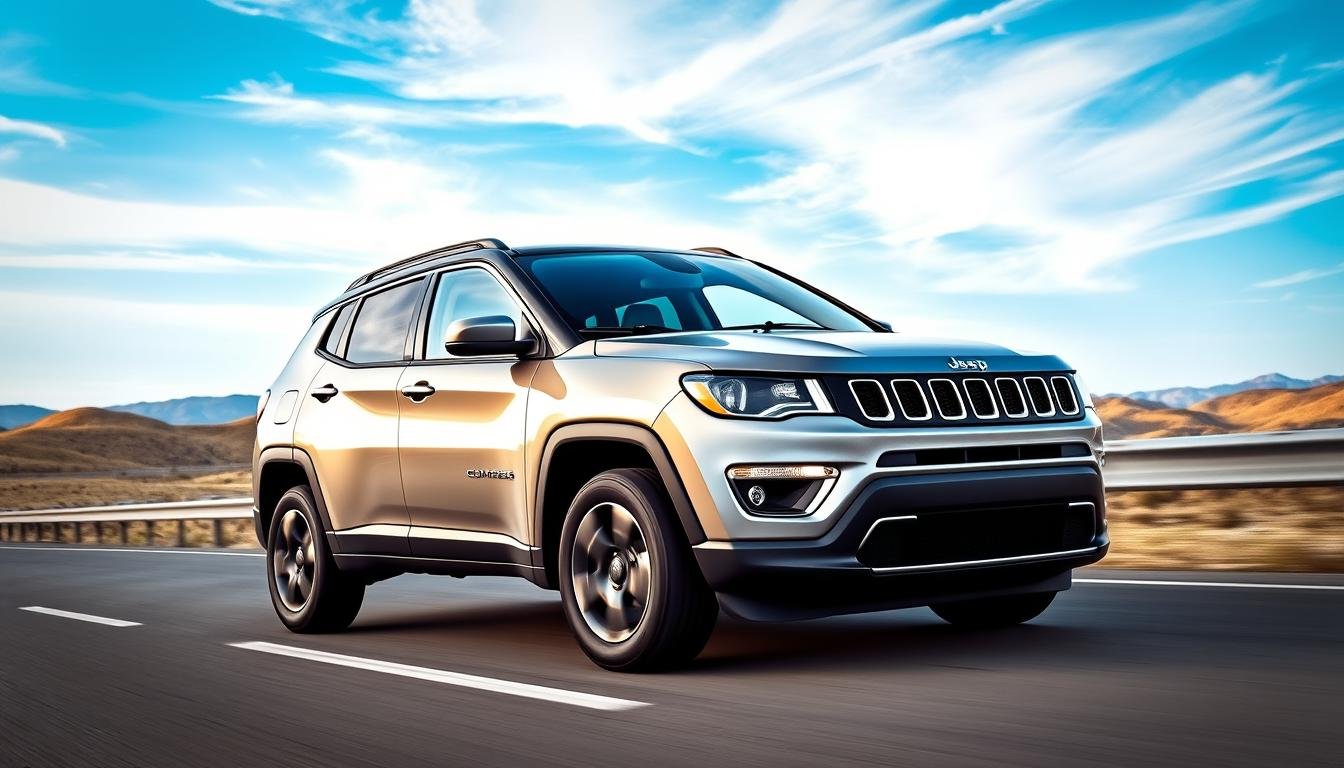
How the Compass compares with other small SUVs
The Compass is not a fuel-economy leader, especially compared with small SUVs that offer hybrid power. Its 27-mpg combined estimate is useful for judging everyday fuel use, but it does not tell the whole story: some competing models have front-wheel-drive versions, while others include hybrid trims with different prices and equipment.
For a fair comparison, check the same details for each SUV:
- Model year: Ratings can change from year to year.
- Drivetrain: Compare four-wheel drive with four-wheel drive when possible.
- Powertrain: A hybrid is not a like-for-like comparison with a gas-only model, but it may still be a better fit if fuel costs matter most.
- EPA combined rating: This gives one useful number for mixed driving.
- Purchase price and needs: A more efficient vehicle may cost more up front or may not offer the features you want.
The Compass may make sense if you want its size, standard four-wheel drive, or other features and consider its fuel use acceptable. If your main goal is to spend less on gas, compare it with hybrid small SUVs using the EPA’s vehicle comparison tool.
Why your real-world Compass mpg may differ
EPA ratings are based on standardized tests. They help shoppers compare vehicles, but your results can be higher or lower. Short trips, long periods in traffic, fast highway speeds, and cold weather can all reduce fuel economy.
Common causes of lower mpg include:
- Stop-and-go driving: Frequent braking and acceleration use more fuel than steady cruising.
- High speeds: Air resistance rises as speed increases, so highway mpg can fall when you drive fast.
- Cold weather: A cold engine and winter conditions can increase fuel use, especially on short trips.
- Extra weight or drag: Heavy cargo and roof-mounted gear can make the engine work harder.
- Tire pressure: Underinflated tires can reduce efficiency. Use the pressure listed on the driver’s door label, not the maximum pressure printed on the tire sidewall.
- Vehicle condition: A warning light, dragging brake, or maintenance issue can affect fuel use.
If your mileage seems unusually low, compare it over several tanks rather than judging it from one trip. Fill the tank, reset the trip meter, then record the miles driven and gallons added at the next fill-up. Divide miles driven by gallons added for your measured mpg.
If the drop is sudden or comes with a warning light, unusual noise, a burning smell, or a change in braking, arrange a check with a qualified mechanic. Do not assume that a large fuel-economy change is simply normal variation.

How to improve Jeep Compass fuel economy
You can often improve fuel economy by changing driving habits and keeping the vehicle in good condition. These steps cannot guarantee a specific mpg, but they can reduce avoidable fuel use.
- Drive smoothly. Ease into acceleration and look ahead so you can slow down gradually.
- Keep highway speeds moderate. Higher speeds tend to use more fuel.
- Check tire pressure regularly. Follow the pressure on the driver’s door label and check tires when they are cold.
- Remove unneeded cargo. Take out heavy items and remove roof racks or carriers when you are not using them.
- Combine short trips. Several cold starts can use more fuel than one longer trip covering the same distance.
- Follow the maintenance schedule. Use the owner’s manual for service intervals and the correct fluids and parts.
- Track your mileage. A written log or fuel-tracking app can help you spot a lasting change.
The U.S. Department of Energy offers more guidance on improving fuel economy. For Compass-specific service details, use the owner’s manual for your model year.

Key takeaways
- Recent U.S. Jeep Compass models are rated at about 24 mpg city, 32 mpg highway, and 27 mpg combined.
- That is reasonable for a small SUV with standard four-wheel drive, but it is not class-leading fuel economy.
- Actual mpg varies with traffic, speed, weather, tires, cargo, and vehicle condition.
- Check the EPA listing for the exact model year and configuration before buying.
- If you drive many miles and want to reduce fuel costs, compare the Compass with gas and hybrid alternatives.
FAQs
Is the Jeep Compass expensive to fuel?
That depends on your annual mileage and local gas price. At 27 mpg, 12,000 miles would use about 444 gallons. Multiply that amount by your local price per gallon for a basic yearly estimate.
Does the Jeep Compass need premium gas?
Fuel requirements can vary by model year and engine. Check the fuel section of the owner’s manual or the label inside the fuel door for your exact Compass. Do not rely on advice for a different model year.
Does four-wheel drive lower the Compass’s mpg?
Drivetrain affects fuel use, but the relevant EPA rating depends on the exact model year and configuration. Recent U.S. Compass models have standard four-wheel drive, so verify the specific vehicle’s EPA listing when comparing it with another SUV.
Why is my Compass getting less than 27 mpg?
The 27-mpg figure is an EPA combined estimate, not a guaranteed result. City traffic, short trips, high speeds, cold weather, low tire pressure, and extra cargo can all reduce mileage. Track several tanks to judge your typical fuel use.
Is the Jeep Compass a good choice for long highway drives?
Its EPA highway estimate is about 32 mpg for the listed recent models. That can work for regular highway travel, but actual mileage depends on speed, weather, and load. Compare the Compass’s highway rating and comfort with other vehicles you are considering.
Conclusion
The Jeep Compass is reasonably good on gas for a small SUV with standard four-wheel drive, with recent U.S. models rated at about 27 mpg combined. It is not the best choice if maximum fuel savings are your main priority, especially compared with hybrid SUVs.
Before buying, check the EPA rating for the exact model year and trim, then estimate fuel costs using your own annual mileage and local gas price.