How to Put Jeep in 4WD: Easy Steps for Beginners
 Reading Time: 7 minutes
 Putting your Jeep in 4WD can make a big difference when driving on tough roads. If you are new to four-wheel drive, it might seem confusing at first. But once you understand the basics, you can switch between modes easily and safely. In this guide, you’ll learn how to activate 4WD in your Jeep, when you should use it, and how to avoid common mistakes. Whether you own a classic Wrangler, a modern Grand Cherokee, or another Jeep model, you’ll find clear steps and answers here.
Understanding Jeep 4wd Systems
Jeep vehicles offer several types of 4WD systems. Knowing which system your Jeep has is important because the steps to activate 4WD can vary.
- Part-Time 4WD: Used mostly for off-road or slippery conditions. Not for dry pavement.
- Full-Time 4WD: Can be used on all surfaces, including dry roads.
- Automatic 4WD: The system decides when to engage 4WD.
Each system has its own controls. Most modern Jeeps have either a lever, dial, or button to switch modes.
Example Models And Their 4wd Types
| Jeep Model | 4WD System | Activation Method |
|---|---|---|
| Wrangler | Part-Time | Manual Lever |
| Grand Cherokee | Full-Time | Dial/Button |
| Compass | Automatic | Button |
Check your owner’s manual or look for a badge on your Jeep to know which system you have.
When Should You Use 4wd?
Using 4WD is not needed all the time. It’s best for situations where you need extra traction.
- Snowy roads
- Mud
- Sand
- Gravel
- Steep hills
If you use 4WD on dry pavement, you can damage your Jeep’s drivetrain. Only switch to 4WD when the road is slippery or rough.
Real-world Example
Imagine you’re driving a Wrangler on a snowy street. The tires slip and the Jeep struggles to move. Switching to 4WD helps all wheels turn together, so you get more grip and control.
How To Put Your Jeep In 4wd: Step-by-step
Putting your Jeep in 4WD is simple if you follow these steps. The process is slightly different for each system, so pay attention to your model.
For Jeeps With A Manual Lever
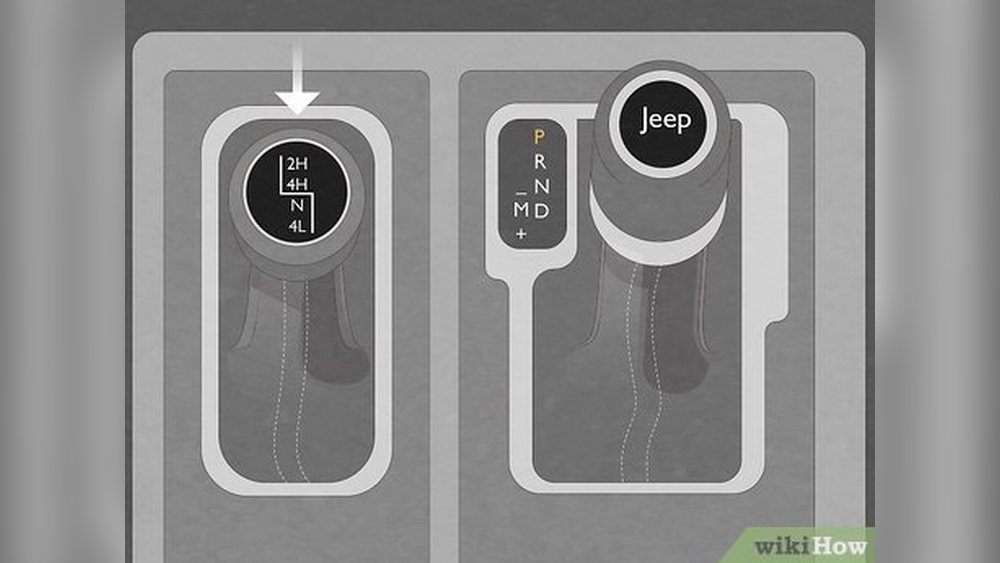
Many Wranglers and older Cherokees have a lever next to the gear shifter.
- Stop or slow down: It’s best to shift while rolling slowly (under 5 mph).
- Move the lever: Pull the lever from “2H” (2-wheel drive) to “4H” (4-wheel drive high).
- Listen for a click: This sound means the system is engaged.
- Drive: Now all four wheels get power.
To switch to 4L (4-wheel drive low), stop the Jeep completely, shift into neutral, and then pull the lever to “4L”.
For Jeeps With A Dial Or Button
Modern Grand Cherokees and Compasses use electronic controls.
- Slowing down: Reduce speed below 55 mph.
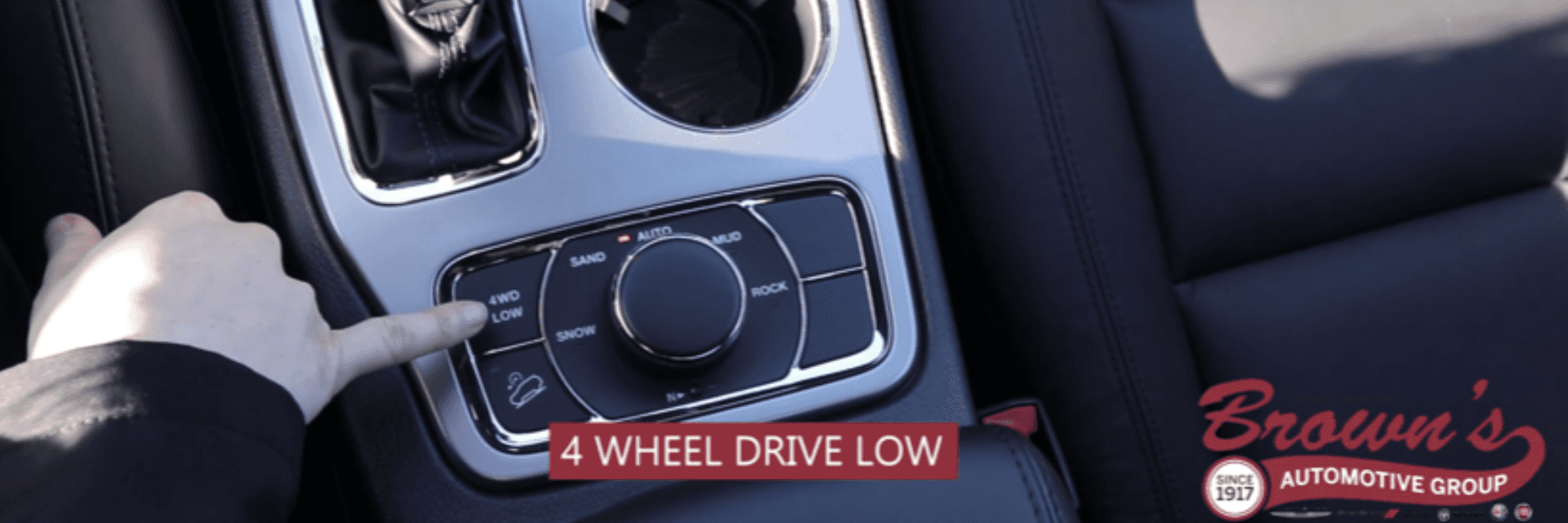
- Turn the dial or push the button: Select “4WD Auto,” “4WD High,” or “4WD Low.”
- Wait for the light: A dashboard light shows when 4WD is active.
If you need 4WD Low, stop the Jeep, shift into neutral, then select “4WD Low”.
Automatic 4wd Jeeps
Some Jeeps handle everything for you. If your Jeep has “AWD” or “4WD Auto,” it will switch modes automatically when needed.
- You don’t need to do anything
- If needed, select “4WD Lock” for tough conditions
What’s The Difference Between 4wd High And 4wd Low?
Many beginners get confused between 4WD High and 4WD Low. Here’s how they differ:
| Mode | When to Use | Speed Range |
|---|---|---|
| 4WD High | Snow, mud, sand, everyday off-road | Up to 55 mph |
| 4WD Low | Steep hills, deep mud, rock crawling | Under 25 mph |
4WD High is for faster speeds and mild conditions. 4WD Low is for slow, tough situations where you need maximum power.

Credit: www.wikihow.com
Common Mistakes When Using Jeep 4wd
Beginners often make errors that can harm their Jeep or reduce safety.
- Using 4WD on dry roads: This can cause damage.
- Switching at high speed: Always slow down before changing modes.
- Not stopping for 4WD Low: You must be in neutral and stopped.
- Ignoring dashboard lights: Warning lights may show problems.
If you notice strange noises or lights, check your manual or visit a mechanic.
Jeep 4wd System Comparison
Some Jeeps offer advanced features, while others are basic. Here’s how three popular Jeep systems compare:
| System | Type | Ease of Use | Best For |
|---|---|---|---|
| Command-Trac | Part-Time | Manual, simple | Off-road, snow |
| Selec-Terrain | Automatic | Very easy | Multiple terrains |
| Quadra-Trac II | Full-Time | Automatic and manual | All conditions |
If you drive often on rough roads, Quadra-Trac II offers more flexibility. For occasional snow or mud, Command-Trac is enough.
Credit: www.brownsjeepchryslerdodge.com
Practical Tips For Beginners
Here are some tips that many new Jeep owners miss:
- Practice in a safe place: Try switching to 4WD in an empty parking lot before hitting tough terrain.
- Check tire pressure: Uneven tires can cause problems in 4WD.
- Listen to your Jeep: If you hear grinding or feel jerks, stop and check.
- Use 4WD regularly: Engage 4WD once a month to keep the system working well, even if you don’t need it.
A common mistake is forgetting to disengage 4WD after leaving slippery roads. Always switch back to 2WD when you’re on normal pavement.
How To Tell If 4wd Is Working
You may wonder if your Jeep’s 4WD is actually working. Here’s how to check:
- Dashboard light: Most Jeeps show a light when 4WD is engaged.
- Feel the difference: The Jeep handles better, especially on slippery roads.
- Try driving in mud or snow: If only two wheels spin, 4WD isn’t working.
If you’re not sure, ask a mechanic to inspect the system.
Jeep 4wd Maintenance Tips
Keeping your 4WD system in good shape is important. Neglecting maintenance can lead to costly repairs.
- Check fluids: Transfer case and differential fluids should be checked every 30,000 miles.
- Inspect axles: Look for leaks or damage.
- Test 4WD: Activate it regularly, even if you don’t need it.
- Clean undercarriage: Mud and dirt can affect moving parts.
Regular care means your Jeep’s 4WD will work when you need it most.
Real-life Data: How Many Drivers Use 4wd?
A recent survey found that:
- About 40% of Jeep owners use 4WD at least once a month.
- 75% of Wrangler owners use 4WD for off-road trips.
- Only 20% of Compass owners use 4WD regularly, since many models have automatic systems.
These numbers show that usage depends on the model and where you drive.
Practical Example: Switching To 4wd In Bad Weather
Let’s say you’re driving a Grand Cherokee and snow starts to fall.
- Reduce speed: Slow down to under 55 mph.
- Turn the dial: Select “4WD Auto” or “Snow” mode.
- Watch the dashboard: The 4WD light comes on.
- Drive carefully: Now you have better traction.
If the snow gets deeper, stop, shift to neutral, and select “4WD Low” for maximum grip.
Things To Avoid When Using Jeep 4wd
Many beginners make mistakes that can damage the system.
- Don’t use 4WD on dry pavement.
- Don’t shift to 4WD Low while moving.
- Don’t ignore warning lights.
- Don’t forget regular maintenance.
If you avoid these errors, your Jeep will stay reliable and safe.

Credit: www.youtube.com
Jeep 4wd: Frequently Asked Questions
How Do I Know Which 4wd System My Jeep Has?
Check your owner’s manual or look for badges near the gear shifter. You can also search your Jeep’s model and year online. For official info, visit the Jeep official site.
Can I Switch To 4wd While Driving?
Yes, for most Jeeps you can shift to 4WD High at speeds below 55 mph. Always slow down first. For 4WD Low, you must stop and shift to neutral.
What Happens If I Use 4wd On Dry Roads?
Using 4WD on dry pavement can cause drivetrain damage. Only use 4WD on slippery or rough surfaces.
How Often Should I Engage 4wd?
Even if you don’t need it, activate 4WD once a month. This keeps parts moving and prevents them from sticking.
What Should I Do If The 4wd Warning Light Stays On?
If the light won’t go off, there might be a problem. Check the owner’s manual for troubleshooting tips. If needed, take your Jeep to a mechanic.
Putting your Jeep in 4WD is easy once you know the steps. With practice, you’ll feel confident switching between modes. Always use 4WD for the right situations and keep your system maintained. This way, your Jeep stays ready for any adventure, whether you’re facing snow, mud, or steep hills. Remember, learning the basics now saves trouble later. Safe driving!