Jeep Without Doors And Roof: Ultimate Guide to Open-Air Adventure
 Reading Time: 8 minutes
 Jeep Without Doors And Roof: The Ultimate Beginner’s Guide
The idea of driving a Jeep without doors and roof is exciting for many people. It feels like freedom—wind on your face, sun overhead, and a true connection to the outdoors. Whether you’re thinking of removing the doors and roof from your Jeep or just curious about the experience, this guide breaks it down in simple, clear steps. You’ll learn what it’s really like, the legal and safety facts, and practical tips that most beginners miss.
Why Do People Drive Jeeps Without Doors And Roof?
It’s not just about style. Removing the doors and roof from a Jeep is a tradition among Jeep owners, especially those who love off-road adventures.
- Better visibility: No doors mean you can see obstacles, rocks, and mud much better when driving off-road.
- Outdoor feeling: You’re closer to nature. Many people say it feels like camping or hiking, but with wheels.
- Unique look: A Jeep without doors and roof stands out. It’s a statement—fun, rugged, and different.
- Easy access: You can jump in and out quickly, which is helpful on trails or at the beach.
Many Jeep models, like the Wrangler and Gladiator, are designed for easy door and roof removal. Some owners remove them only in summer or during special trips.
Models That Support Door And Roof Removal
Not every Jeep can go “topless and doorless.” Here are the most popular models:
- Jeep Wrangler: The leader in open-air driving. All recent Wranglers have removable doors and roof.
- Jeep Gladiator: A pickup version of the Wrangler, also offers removable doors and roof.
- Jeep Wrangler Unlimited: Four-door version, more space, same removable features.
- Older CJ Models: Classic Jeeps from the 1970s and 80s support door and roof removal, but require more manual effort.
Most modern Jeeps offer quick-release latches and lightweight doors. Some older models need tools and more time.
Legal And Safety Considerations
Before you drive a Jeep without doors and roof, understand the laws and safety basics. Rules vary by state and country.
- Mirrors are required: US law says vehicles must have side mirrors. If you remove the doors, you’ll need to add aftermarket mirrors.
- Seat belts: Always wear seat belts. The risk of falling out is higher without doors.
- Weather protection: You’ll be exposed to rain, dust, and wind. Plan ahead.
- Noise levels: It’s much louder without doors and roof, especially on highways.
- Local laws: Some states have extra rules about door removal. Check before you drive.
Here’s a quick comparison of legal requirements in three US states:
| State | Door Removal | Mirror Requirement | Extra Rules |
|---|---|---|---|
| California | Allowed | Must have at least 1 side mirror | Seat belts required |
| Texas | Allowed | Must have 2 side mirrors | No extra rules |
| Florida | Allowed | Must have 1 side mirror | Passengers under 18 must wear seat belts |
How To Remove Jeep Doors And Roof: Step-by-step
Taking the doors and roof off your Jeep is simple, but you need to follow the right steps.
Removing The Doors
- Roll down the windows: Makes the doors lighter and easier to handle.
- Disconnect the electrical wires: Most modern Jeeps have power windows and locks. There’s a plug inside the door.
- Remove the safety strap: This keeps the door from swinging too far.
- Unscrew the door hinges: Use a Torx wrench. Most Jeeps come with this tool.
- Lift off the door: Hold from the bottom, pull straight up. Doors can weigh 40–60 pounds.
Removing The Roof
There are two main types: soft top and hard top.
- Soft Top: Unlatch the clips, fold back, and lift off. Takes about 10 minutes.
- Hard Top: Remove bolts with a wrench, unplug the wiring, and lift with two people. Hard tops can weigh 80–100 pounds.
Tip: Store doors and roof safely. Use foam pads or wall hangers to avoid scratches.
Credit: www.reddit.com
What It Feels Like To Drive Without Doors And Roof
Driving a Jeep without doors and roof is a unique experience. Here’s what beginners often notice:
- Wind and sun: You feel every breeze and sunlight. Wear sunscreen and sunglasses.
- Noise: Everything is louder—traffic, music, and your own voice.
- Smells: You notice outdoor smells, good and bad. On trails, you’ll smell flowers and mud; in cities, exhaust fumes.
- Excitement: Many people say it feels like a rollercoaster, especially on bumpy roads.
Non-obvious insight: The feeling of openness can be overwhelming at first. Start with short drives to get used to it.
Practical Benefits And Drawbacks
Driving doorless and roofless has real pros and cons. Here’s a quick breakdown:
| Benefit | Drawback |
|---|---|
| Better visibility for off-roading | Reduced protection from weather |
| Easy access for loading/unloading | Higher risk of theft |
| Unique look and fun experience | More road noise |
| Lighter vehicle weight | Safety concerns in accidents |
Tips For First-time Jeep Owners
If you’re new to this, avoid common mistakes:
- Install mirrors: After removing doors, add bolt-on mirrors.
- Keep tools handy: Always carry a Torx wrench and spare bolts.
- Check the weather: Rain can arrive fast; keep a soft top or emergency cover.
- Protect seats: Use waterproof seat covers to avoid damage.
- Drive carefully: Avoid sudden turns and sharp stops—passengers have less protection.
Non-obvious tip: Many beginners forget to lock their glove box and center console. Without doors, these are easy targets for theft.
Accessories That Make Doorless And Roofless Driving Better
There are products designed to make your open-air Jeep safer and more comfortable.
- Tube doors: Replace full doors, offer some protection but keep the open feel.
- Grab handles: Help passengers stay steady on bumpy roads.
- Mesh screens: Keep bugs out, especially for summer drives.
- Sunshade nets: Block some sunlight without closing the roof.
- Rain covers: Quick covers for unexpected weather.
These accessories are easy to install and can make your experience much safer.

Credit: www.youtube.com
How To Stay Safe On The Road
Safety is more important when you drive a Jeep without doors and roof.
- Always wear seat belts: This is the most effective way to prevent injuries.
- Drive at safe speeds: High speeds increase risk, especially on highways.
- Avoid busy roads: City traffic is more dangerous without doors.
- Be visible: Use bright clothing or flags. Other drivers may not see you as easily.
- Secure items: Loose objects can fly out. Keep bags, phones, and papers inside.
Data point: According to the National Highway Traffic Safety Administration, cars without doors have a higher risk of ejection in accidents. Seat belts reduce this risk by over 60%.
Weather And Seasonal Considerations
Doorless and roofless driving is best in mild weather. Here’s how it changes with seasons:
- Summer: Hot and dry, perfect for open-air. Use sunscreen and drink plenty of water.
- Spring: Good for short drives, but watch for rain showers.
- Fall: Leaves and dust can get inside. Use mesh screens.
- Winter: Not recommended. Cold air, snow, and ice make driving uncomfortable and dangerous.
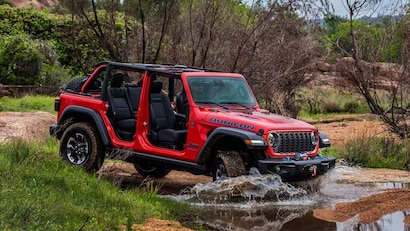
Many Jeep owners switch back to doors and roof in winter. Some use soft tops for quick changes.
Credit: www.autonationchryslerjeepwest.com
Insurance And Resale Value
Removing the doors and roof can affect your Jeep’s insurance and value.
- Insurance: Some companies require you to keep factory doors and roof for coverage. Always check your policy.
- Resale value: Modifying your Jeep can reduce resale price. Keep doors and roof in good condition for future buyers.
- Warranty: Removing factory parts may void some warranties. Read your manual and ask your dealer.
Non-obvious insight: Take photos of your Jeep before and after removal. This helps with insurance claims and resale negotiations.
Jeep Community And Events
Jeep owners often join groups or events to share the open-air experience.
- Jeep Jamborees: Organized trail drives with other Jeep fans.
- Beach runs: Special events where dozens of Jeeps drive along the coast.
- Local clubs: Many cities have Jeep groups that help with door and roof removal, share tips, and organize outings.
Participating in these events can help beginners learn from experienced owners and discover new accessories and tricks.
Comparison: Jeep Vs Other Open-air Vehicles
How does a Jeep without doors and roof compare to other open-air vehicles? Here’s a quick look:
| Vehicle | Open-Air Experience | Safety | Weather Protection |
|---|---|---|---|
| Jeep Wrangler | Full open sides and roof | Moderate (with seat belts) | Removable roof/doors |
| Convertible Car | Open roof only | High | Roof closes easily |
| ATV | Open sides, no roof | Low | None |
Jeeps offer a unique mix—more protection than an ATV, more openness than a convertible.
Frequently Asked Questions
Is It Legal To Drive A Jeep Without Doors And Roof?
Yes, in most US states, it’s legal. You must add side mirrors and wear seat belts. Always check your local laws, as some places have extra rules.
How Long Does It Take To Remove Jeep Doors And Roof?
For most models, it takes 10–30 minutes to remove both doors and roof. Hard tops are heavier and may need two people. Soft tops are faster to take off.
What Should I Do If It Starts Raining?
Keep a rain cover or soft top in your Jeep. You can quickly attach it to avoid getting soaked. Waterproof seat covers also help.
Can I Drive Doorless And Roofless On Highways?
Yes, but be careful. The noise and wind are much stronger. Use seat belts, install mirrors, and avoid carrying loose items.
Do I Need Special Tools To Remove Doors And Roof?
Most modern Jeeps come with a Torx wrench and basic tools. Older models may need extra wrenches or screwdrivers. Check your Jeep’s manual for details.
Driving a Jeep without doors and roof is a unique adventure. It connects you to nature, gives you a sense of freedom, and makes every drive memorable. Whether you’re exploring trails, enjoying sunny days, or joining Jeep events, remember to follow safety rules and be prepared for changing weather. With the right tools and tips, even beginners can enjoy the open-air Jeep lifestyle. For more details on Jeep models and safety, visit Wikipedia.