
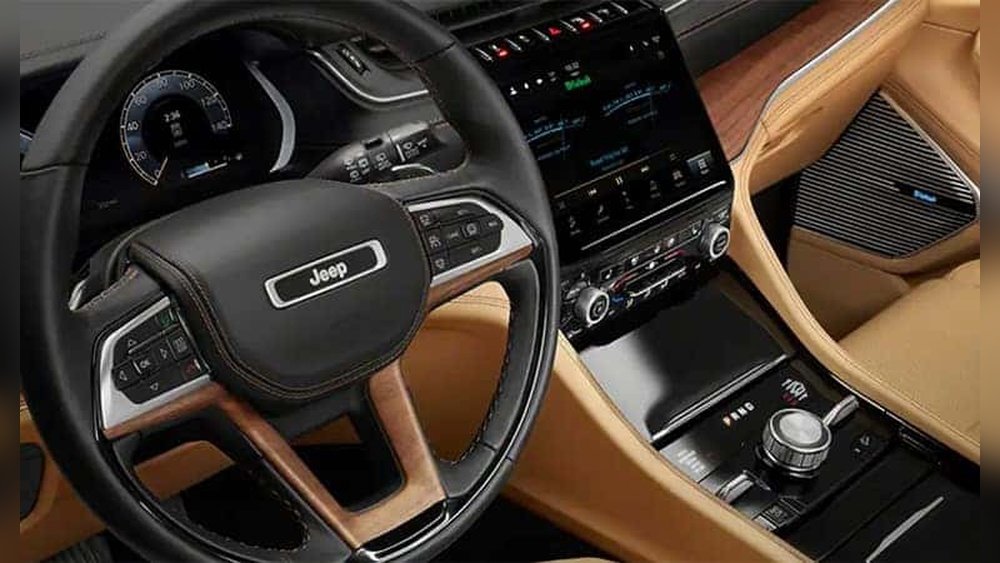
How to Put a Jeep Cherokee in 4 Wheel Drive: Step-by-Step Guide
 Reading Time: 7 minutes
 Putting your Jeep Cherokee in 4 wheel drive can make a big difference when driving on rough roads, snow, or mud. Many beginners worry about doing it the right way. But the process is simple, once you understand the steps and how your Cherokee’s system works. This guide explains everything you need to know, even if you’ve never used 4WD before. You’ll learn about the different systems, the four main steps, common mistakes, and expert tips for safe driving.
Understanding Jeep Cherokee 4 Wheel Drive Systems
The Jeep Cherokee comes with different 4WD systems, depending on the year and model. Knowing your system is important. The most common systems are:
- Command-Trac (older models)
- Selec-Trac (some newer models)
- Active Drive I, II, and Lock (modern Cherokees)
Each system has unique ways of switching to 4WD. For example, Command-Trac uses a lever, while Active Drive may use a knob or button. Always check your owner’s manual for your specific Cherokee.
Why Use 4 Wheel Drive?
4WD helps in these situations:
- Driving on snowy roads
- Going through mud
- Traveling on rocky terrain
- Towing heavy loads
It gives better traction and control. But you should only use 4WD when needed. Using it on dry, smooth roads can damage the system.
Common Signs You Need 4wd
- Slipping tires in snow or mud
- Uneven ground or steep hills
- Heavy rain causing slippery roads
If you see these signs, it’s time to switch to 4WD.
Step 1: Stopping Or Slowing Down Properly
Most Cherokees recommend switching to 4WD at low speeds. Some systems allow “shift on the fly,” but it’s safer to slow down. Here’s how:
- Reduce speed to under 55 mph
- Find a safe spot
- Stop completely if your manual says so
Never shift to 4WD while driving fast. It can harm your transmission or transfer case.
Example: Active Drive System
- You can switch between 2WD and 4WD while moving, but keep speed below 55 mph.
- For 4WD Low, stop the vehicle and shift to neutral.
Data: Safe Shifting Speeds
| System | Shift-on-the-fly Speed Limit | 4WD Low Shift |
|---|---|---|
| Command-Trac | Up to 55 mph | Stop & Neutral |
| Selec-Trac | Up to 50 mph | Stop & Neutral |
| Active Drive | Up to 55 mph | Stop & Neutral |
Many beginners try to shift at higher speeds. This is a common mistake that can cause expensive damage.
Credit: www.youtube.com
Step 2: Locating And Using The 4wd Controls
Cherokee models use different controls to engage 4WD. You’ll find:
- Levers (older models)
- Knobs or buttons (newer models)
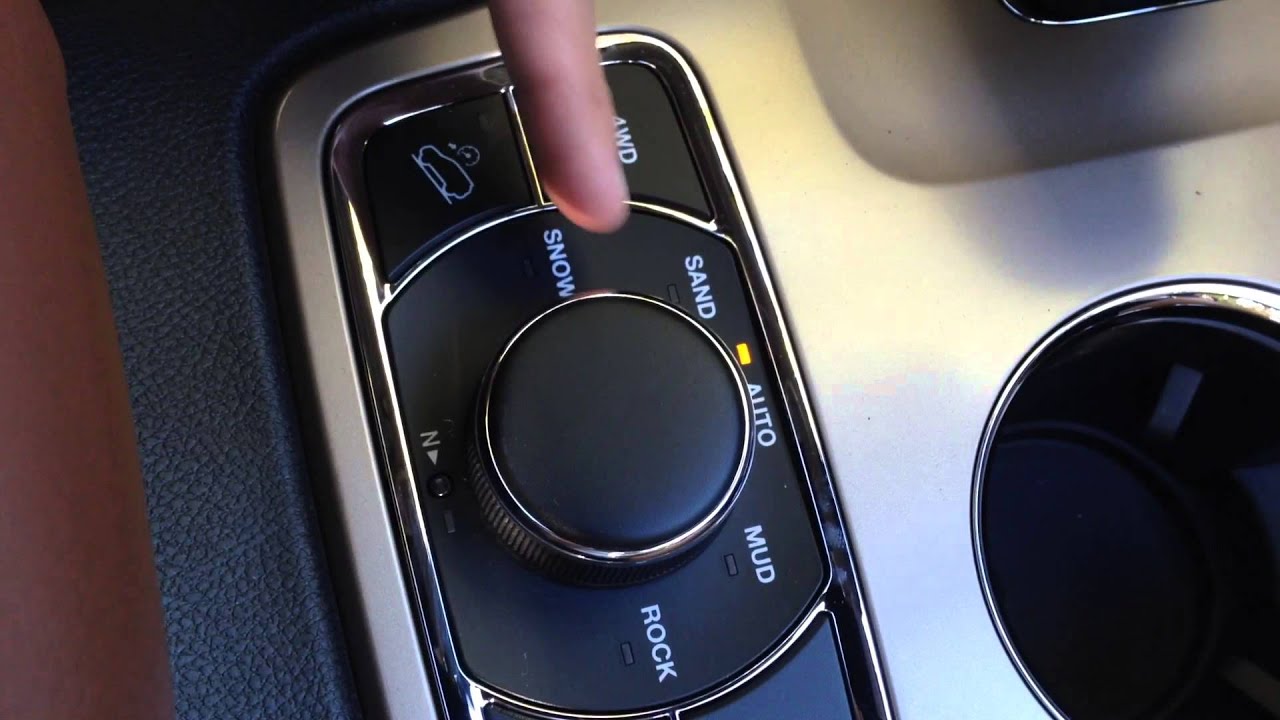
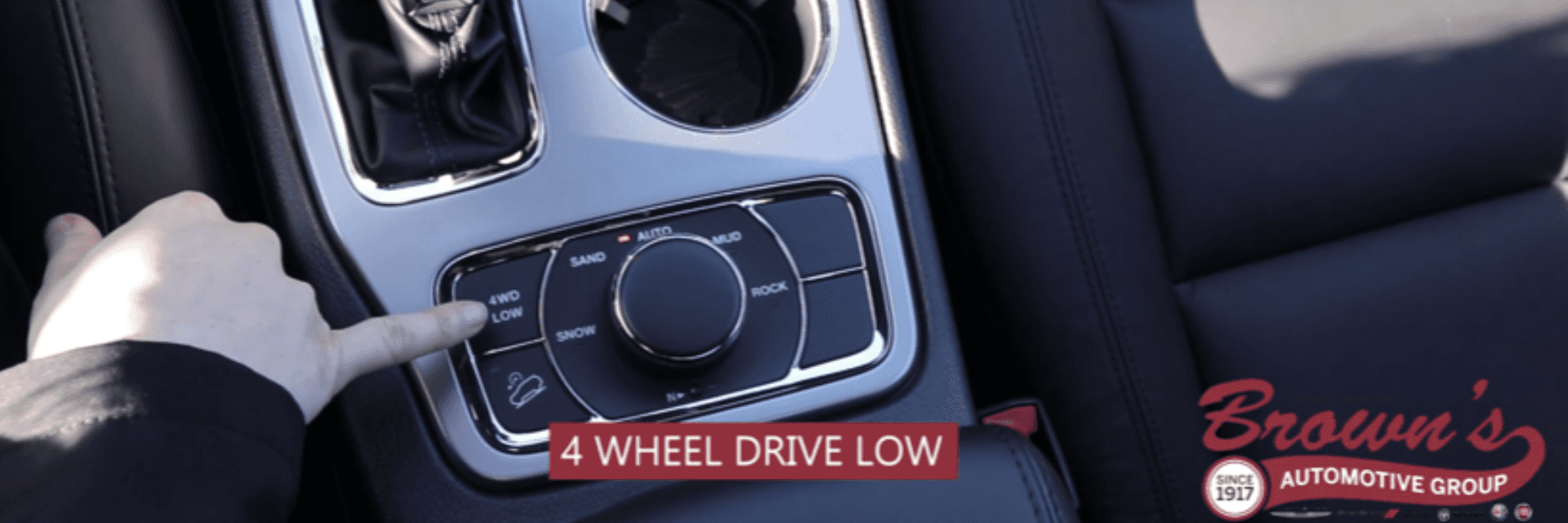
Look for the 4WD selector near the gear shifter. It may be labeled as:
- 2WD (Two Wheel Drive)
- 4WD High (4H)
- 4WD Low (4L)
- AUTO (some modern systems)
How To Use The Controls
- For a lever, pull it into the correct position (4H or 4L).
- For a button/knob, turn or press to select 4WD mode.
Example: 2019 Jeep Cherokee Trailhawk
- Uses a rotary knob with “AUTO,” “SNOW,” “SPORT,” “SAND/MUD,” and “ROCK” modes.
- Switch to “SNOW” or “SAND/MUD” for 4WD activation.
Data: Control Types By Model Year
| Model Year | Control Type | 4WD Modes |
|---|---|---|
| 1996–2001 | Lever | 2WD, 4H, 4L |
| 2014–2021 | Knob/Button | AUTO, 4WD LOCK, 4WD LOW |
| 2022+ | Touchscreen/Knob | AUTO, SNOW, SAND/MUD, ROCK |
If you’re unsure, check your dashboard for 4WD indicator lights. When the light is on, 4WD is active.
Step 3: Selecting The Right 4wd Mode
Choosing the right mode is key. Jeep Cherokee offers:
- 4WD High (4H): For normal off-road or slippery conditions
- 4WD Low (4L): For deep mud, sand, or steep hills
- AUTO/LOCK: For automatic traction control (modern models)
When To Use Each Mode
- Use 4H for snow, rain, or dirt roads.
- Use 4L for tough terrain, slow speeds, and maximum power.
- Use AUTO when you want the Cherokee to decide for you.
Practical Example
Imagine you’re driving in snow. Use 4H for better control. If you get stuck, shift to 4L. For daily driving, switch back to 2WD or AUTO.
Data: Mode Comparison
| Mode | Speed Range | Best Use | Activation Steps |
|---|---|---|---|
| 4H | Up to 55 mph | Snow, rain, dirt | Shift lever/button while moving |
| 4L | Below 25 mph | Sand, mud, rocks | Stop, shift to neutral, engage 4L |
| AUTO/LOCK | Any speed | Mixed terrain | Turn knob or press button |
Beginners sometimes use 4L on highways. This is dangerous. Always match the mode to the driving situation.
Credit: www.brownsjeepchryslerdodge.com
Step 4: Confirming 4wd Engagement And Driving Safely
After selecting 4WD, check if it’s engaged. Here’s how:
- Look for the 4WD indicator light on your dashboard.
- Listen for a slight change in engine or transmission sound.
- Feel for improved traction on slippery surfaces.
If the light doesn’t come on, repeat the steps. Sometimes you need to shift to neutral or stop fully.
Driving Tips In 4wd
- Drive slowly on tough terrain.
- Avoid sharp turns; 4WD can make steering harder.
- Don’t use 4WD on dry pavement.
- Shift back to 2WD or AUTO when roads improve.
Practical Example
You’re on a muddy trail. The Cherokee slips in 2WD. Switch to 4H. The 4WD light comes on. You feel better grip and move forward easily.
Non-obvious Insight
Many drivers forget to disengage 4WD when conditions improve. This increases fuel use and wears out parts. Always return to 2WD or AUTO after rough roads.
Common Mistakes Beginners Make
Understanding what not to do is just as important. Here are mistakes to avoid:
- Shifting at high speeds: Always slow down first.
- Using 4WD on dry roads: Causes damage and wastes fuel.
- Forgetting to shift to neutral for 4L: This step is crucial.
- Ignoring indicator lights: If 4WD doesn’t engage, check again.
- Leaving 4WD engaged too long: Only use when needed.
Data: Repair Costs
- Transfer case repair: $1,200–$2,000
- Transmission repair: $1,800–$3,500
- Tire replacement from wear: $500–$1,000
Mistakes can be expensive. Double-check every step.

Credit: www.youtube.com
Expert Tips For Safe And Effective 4wd Use
- Practice shifting in a safe area before going off-road.
- Check tire pressure; uneven tires can reduce 4WD performance.
- Listen for unusual sounds when shifting. Grinding noises mean a problem.
- Keep your owner’s manual in the glovebox for quick reference.
- Use 4WD monthly; this keeps parts lubricated.
Non-obvious Insight
Some Cherokees have a traction control system that works with 4WD. If your Cherokee has it, keep it turned on. This improves safety and grip.
Real World Example: Using 4wd In Snow
Let’s say you live in Colorado. Snow is common. Here’s how a beginner should use 4WD:
- Before leaving home, check the weather.
- On snowy roads, slow down to below 55 mph.
- Turn the knob to “SNOW” mode or shift to “4H.”
- Watch for the 4WD indicator light.
- Drive carefully, avoiding sudden turns.
- When you reach clear roads, switch back to “AUTO” or “2WD.”
Many drivers report feeling much safer and more confident using 4WD in snow. Studies show 4WD reduces accident risk by up to 30% in slippery conditions.
Frequently Asked Questions
How Do I Know If My Jeep Cherokee Has 4wd?
Check your owner’s manual or look for a 4WD selector near the gear shifter. Most Cherokees since 1984 have some form of 4WD. If you see modes like “4H,” “4L,” or “AUTO,” your Jeep has 4WD.
Can I Switch To 4wd While Driving?
Yes, most Cherokees allow shift-on-the-fly up to 55 mph for 4H or AUTO. For 4L, you must stop and shift to neutral. Always check your manual for your model’s limits.
What Happens If I Use 4wd On Dry Roads?
Using 4WD on dry pavement can cause drivetrain damage and increase fuel consumption. Only use 4WD when roads are slippery or rough.
How Often Should I Use 4wd?
Use 4WD at least once a month. This keeps parts moving and prevents them from sticking. Even if you don’t need it for driving, activate it briefly and return to 2WD.
What Should I Do If 4wd Won’t Engage?
- Check if you’re at the correct speed.
- Make sure you’re in neutral for 4L.
- Look for warning lights.
- Consult your owner’s manual.
- If it still won’t engage, visit a mechanic. You can find more technical details at Jeep Official Manuals.
Putting your Jeep Cherokee in 4 wheel drive is easy and safe if you follow these steps. Always slow down, choose the right mode, and confirm engagement. Avoid common mistakes and use expert tips for best results. With practice, you’ll feel confident using 4WD in any situation. Remember to check your manual and trust your Cherokee’s system. Happy driving!


