Jeep Grand Cherokee 2014 Issues: Common Problems and Fixes
 Reading Time: 11 minutes
 The Jeep Grand Cherokee 2014 is a popular midsize SUV, known for its rugged style and off-road abilities. Many buyers love its comfort, technology, and strong engine choices. But, like many vehicles, this model year has its share of problems. If you’re considering buying or already own a 2014 Grand Cherokee, understanding these issues can help you avoid surprises and make smarter decisions.
Common Mechanical Issues
Transmission Problems
One of the most talked-about issues with the 2014 Jeep Grand Cherokee is its transmission. Many owners report rough shifting, hesitation, and even sudden jerks. In some cases, the vehicle goes into “limp mode,” which limits speed and power.
- ZF 8-speed automatic transmission is often the trouble spot. This transmission was new for Jeep at the time, and not all dealers were trained to fix its complex issues, so repairs can be delayed.
- Software updates sometimes fix the issue, but not always. Some dealers may reflash the control module, but deeper problems often return after a few months.
- Repairs can be expensive, costing $1,000–$3,000 if replacement is needed. In some rare cases, owners have had to replace the entire transmission, which can be a huge expense for a used vehicle.
These problems can also cause warning lights to appear on the dashboard, such as the check engine or transmission temperature lights. Sometimes, a simple reset clears the warning, but the root problem remains. If you notice delayed engagement when shifting from park to drive, or the car seems to “clunk” into gear, those are early signs of transmission trouble that should not be ignored.
Engine Stalling
Some drivers experience engine stalling while driving or idling. This can be dangerous, especially at intersections or highways.
- The cause often relates to faulty fuel pumps or sensors. In particular, the crankshaft position sensor or the Totally Integrated Power Module (TIPM) is a known weak point.
- Stalling happens randomly, making diagnosis tricky. Some owners report the engine dies only once every few weeks, while others experience frequent stalls.
- Repairs range from $300–$800, depending on the part replaced.
Engine stalling can also be triggered by electrical glitches or even low battery voltage. If you notice your Jeep stalls after rain or during colder weather, moisture may be affecting the sensors or wiring. Mechanics often need to run detailed diagnostics to find the true cause, so it’s best to keep a log of when and where the stalling occurs.
Air Suspension Failure
The Quadra-Lift air suspension system is a premium feature in the Grand Cherokee, but it can fail.
- Suspension may drop unexpectedly, leading to uneven ride height. Sometimes, the car will “kneel” on one side, making it hard to drive.
- Repairs are costly, sometimes over $2,000. Replacing air struts or the compressor quickly adds up, and labor costs can vary by region.
- Cold weather can worsen the problem due to seal failures. In freezing temperatures, air lines and rubber components become brittle and leak.
Some owners report hearing a hissing sound from the suspension before it fails. If you notice the vehicle sits lower than normal after parking overnight, it’s a good idea to have the system checked for leaks or compressor issues. Regularly cycling the suspension through its height settings can help keep seals lubricated and delay failure.
Electrical And Technology Issues
Uconnect Infotainment System
The Uconnect system controls navigation, audio, and climate. Many owners report freezing screens, non-responsive controls, and random reboots.
- Software updates help, but problems often return. A dealer reset may solve things temporarily, but deep glitches persist.
- Replacement units cost $500–$1,000. Used units are cheaper but may have the same problems if not updated.
- Bluetooth and navigation often fail, leaving users frustrated.
Another common complaint is that the backup camera may go black or flicker, especially when the system is slow to start. USB ports might also stop charging devices. If your Uconnect screen goes blank, try disconnecting the negative battery cable for a few minutes to reset the system—this works for some owners.
Power Liftgate Problems
The automatic liftgate is convenient, but the 2014 model has frequent faults.
- Liftgate may not open or close fully. Sometimes it reverses direction or gets stuck half-way.
- Sensor failures or wiring issues are common. Moisture can corrode the wiring in the rear hatch, causing intermittent faults.
- Repairs usually cost $200–$700.
If you hear a beeping noise but the liftgate does not move, check for objects blocking the latch or a failing liftgate strut. Lubricating the hinges and making sure the battery is fully charged can also prevent some issues.
Key Fob And Start Issues
Push-button start and keyless entry can malfunction.
- Car sometimes doesn’t recognize the key fob. This is most common when the battery in the fob is weak.
- Some owners report needing multiple attempts to start. If the vehicle is parked close to strong radio signals or metal objects, interference can make the problem worse.
- Replacing the key fob or updating software may help.
If you have trouble starting, try holding the fob close to the start button or using the physical key hidden inside the fob. Always keep a spare battery for the fob in your glove box.

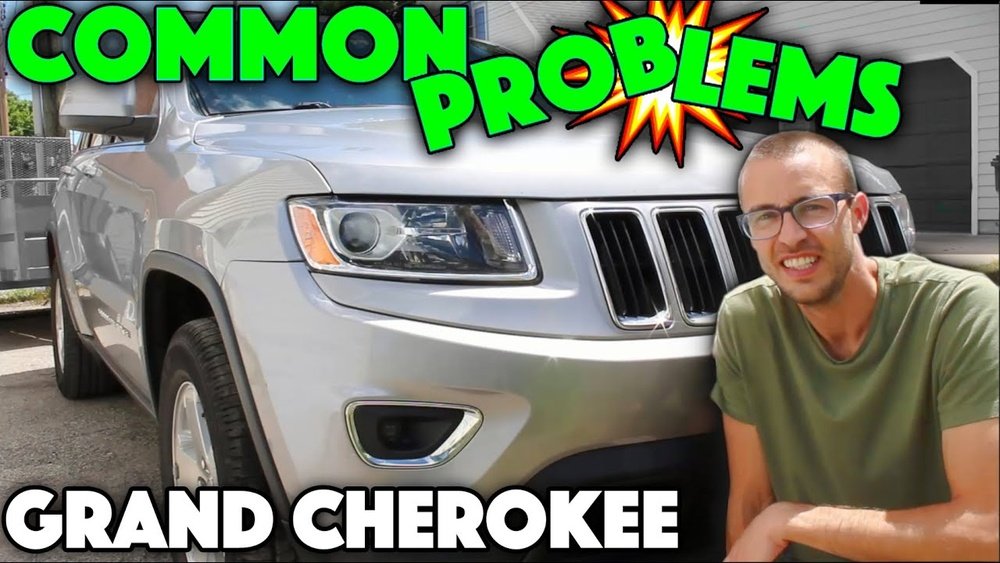
Credit: www.youtube.com
Safety Concerns
Recall Alerts
The 2014 Grand Cherokee has had several recalls, mostly related to safety.
- Airbag deployment issues due to faulty sensors. Some airbags may not deploy in a crash, increasing injury risk.
- Brake booster corrosion, affecting stopping power. Salt and road chemicals can accelerate corrosion in cold climates.
- Electrical fire risk from wiring harness defects. This is especially a concern if you notice a burning smell or see smoke.
Jeep will usually repair recalls for free, but not all previous owners completed the work. Before buying, always confirm with a dealer or the [NHTSA recall database](https://www.nhtsa.gov/vehicle/2014/JEEP/GRAND%20CHEROKEE/SUV/4WD).
Brake Problems
Some owners notice spongy brakes or longer stopping distances.
- Brake pads and rotors wear out quickly. Heavy city driving or towing accelerates this wear.
- Hydraulic system leaks are rare but serious. If you see brake fluid under the car or the pedal sinks to the floor, stop driving immediately.
- Repairs cost around $300–$800.
You may also hear squeaking or grinding noises, which signal that it’s time for service. Upgrading to higher-quality aftermarket pads and rotors can sometimes extend brake life compared to stock parts.
Interior And Comfort Issues
Leather Seat Wear
The premium leather seats in Limited and Overland trims tend to crack or fade early.
- Sun exposure worsens the problem. Tinted windows and windshield shades help reduce damage.
- Using seat covers or conditioners can slow wear. Regular cleaning and leather treatments keep the material supple.
- Replacement costs $500–$1,500 per seat.
Watch for wear on the driver’s seat side bolster, which gets the most use. If you see small cracks, treat them early to prevent splitting. Some owners opt to re-dye their seats for a fresh look without replacing the leather.
Climate Control Malfunctions
Many report poor heating or cooling performance, especially in extreme weather.
- Faulty blend doors or actuators are common. When these fail, air may only blow hot or cold, not both.
- Repairs cost $200–$600. Sometimes, the entire dashboard must be removed, which increases labor costs.
- Cabin filters clog easily, so regular maintenance helps.
If your AC only works on one side or you hear clicking sounds from the dash, blend door actuators are likely to blame. Changing the cabin air filter every 12,000–15,000 miles is an easy way to keep air flowing properly.

Credit: www.consumerreports.org
Exterior And Body Problems
Paint Peeling And Rust
The paint on some 2014 Grand Cherokees peels or chips faster than expected.
- Areas around doors and hood are most affected. Stone chips and road salt speed up the process.
- Rust can develop underneath peeling spots. Left untreated, rust can spread to structural areas.
- Repainting costs $500–$2,000 depending on severity.
Waxing the vehicle twice a year and touching up chips early helps prevent larger peeling areas. Look underneath wheel arches for bubbling paint, a sign rust is starting.
Sunroof Leaks
Models with panoramic sunroofs sometimes have leaks.
- Water stains on headliner are an early sign. Damp carpets or musty smells also indicate a leak.
- Sunroof drains get clogged, causing overflow. Cleaning the drains with compressed air or a flexible wire can solve the issue.
- Repairs cost $100–$500.
To test for leaks, pour a small amount of water around the sunroof and check if it drains under the car. If not, the drains are probably blocked. Keeping sunroof tracks lubricated also prevents seal cracks.
Recalls And Service Bulletins
To help owners, Jeep and the NHTSA have issued several recall notices and service bulletins for the 2014 Grand Cherokee.
- Common recalls include airbag, brake booster, and electrical wiring.
- Service bulletins address software updates for transmission and Uconnect.
- Always check your VIN for recalls before buying.
Some service bulletins provide special repair instructions or extended warranty coverage for known defects. If you receive a letter from Jeep or your dealer, schedule the recommended service as soon as possible.
Comparison Data
To see how the 2014 Grand Cherokee stacks up against competitors, here’s a simple comparison:
| Model | Transmission Issues | Electrical Issues | Recall Count |
|---|---|---|---|
| 2014 Jeep Grand Cherokee | High | High | 8 |
| 2014 Ford Explorer | Medium | Medium | 6 |
| 2014 Toyota Highlander | Low | Low | 4 |
Notice that the Grand Cherokee has more recalls and higher reports of major issues than its rivals. While it offers unique off-road ability, these problems can make it less reliable for daily driving compared to the Highlander or Explorer.
Maintenance Costs
Regular maintenance can keep issues at bay, but costs add up quickly.
| Service | Average Cost | Frequency |
|---|---|---|
| Oil Change | $60 | Every 5,000 miles |
| Brake Pads | $300 | Every 25,000 miles |
| Transmission Fluid | $180 | Every 60,000 miles |
| Air Suspension Repair | $2,000 | As needed |
Don’t forget about tire rotations, battery replacements, and coolant flushes—these are needed less often but can still cost $100–$300 per service. Skipping regular maintenance increases the chance of major problems.
Practical Tips For Owners
If you own or plan to buy a 2014 Jeep Grand Cherokee, these tips can help minimize trouble:
- Always check for recalls using your VIN.
- Update Uconnect and transmission software regularly.
- Inspect air suspension for leaks, especially in winter.
- Use seat protectors if you park outdoors often.
- Clean sunroof drains every few months to avoid leaks.
Also, make a habit of listening for new noises or feeling for changes in the way your Jeep drives. Catching problems early often means cheaper and easier repairs. When buying from a private seller, ask about the last time the vehicle received a software update or major service.
Non-obvious Insights
Many beginners overlook these points:
- Transmission issues often get worse after towing heavy loads. Avoid towing above recommended limits.
- Uconnect problems can sometimes be fixed by disconnecting the battery for 10 minutes, resetting the system.
- Climate control struggles more in models with rear vents, due to extra ductwork that can clog or fail.
Another tip: If your Jeep sits unused for long periods, consider using a battery maintainer to prevent electrical gremlins. Also, check the spare tire area for moisture—sometimes, sunroof leaks show up here first.

Credit: www.reddit.com
Real Owner Experiences
Owners share a mix of frustrations and solutions:
- One owner reported repeated Uconnect failures until a dealer replaced the unit under warranty.
- Another fixed sunroof leaks by regularly cleaning drains, saving hundreds in repair costs.
- Many found that regular brake inspections prevented major failures, even with early wear.
Other owners mention that joining online forums or Jeep owner groups helped them troubleshoot issues faster. Sharing experiences with other owners can lead to DIY fixes and save you time at the dealership.
Buying Advice For Used Models
If you’re considering a used 2014 Grand Cherokee, follow these steps:
- Ask for service records, especially for transmission and suspension.
- Test drive at different speeds; notice any shifting or stalling.
- Inspect seats, sunroof, and paint for early wear.
- Check all electronics, including Uconnect and liftgate.
- Confirm all recalls are done.
Don’t be afraid to hire a mechanic for a pre-purchase inspection. Spending $150–$200 up front can help you avoid a vehicle with hidden problems that could cost thousands later.
Warranty And Extended Coverage
Jeep offered a basic 3-year/36,000-mile warranty for 2014 Grand Cherokees, with powertrain coverage for 5 years/100,000 miles. Many issues appear after these periods. Consider buying an extended warranty, especially for transmission and electronics.
- Extended warranties cost $1,200–$2,500 but cover major repairs.
- Always read the fine print; some exclude air suspension.
Ask the warranty provider for a sample contract and check which repairs are truly covered. Some third-party warranties require repairs at specific shops, so verify your options before you buy.
Reliability Ratings
According to multiple reviews, the 2014 Jeep Grand Cherokee scores below average in reliability. Consumer Reports and J.D. Power cite frequent transmission and electronic faults.
- Reliability rating: 2.5 out of 5 (Consumer Reports)
- Owner satisfaction: 60% recommend to others
Some owners love the Jeep for its comfort and capability, but admit they spend more time and money on repairs than expected. If reliability is your main concern, other SUVs may be a better fit.
Comparison Of Problem Frequency
To understand how often problems appear, here’s a summary:
| Issue | Reported Cases | Typical Mileage |
|---|---|---|
| Transmission | 600+ | 30,000–60,000 |
| Uconnect | 400+ | 20,000–50,000 |
| Air Suspension | 200+ | 40,000–80,000 |
| Paint/Rust | 120+ | 50,000–90,000 |
Problems can show up earlier if the vehicle was used for towing, off-road driving, or not maintained regularly. Always ask about the previous owner’s driving habits.
Frequently Asked Questions
What Are The Most Common Issues With The 2014 Jeep Grand Cherokee?
The most frequent problems include transmission faults, Uconnect malfunctions, air suspension failures, and paint peeling. These issues often appear within the first 60,000 miles.
Is The 2014 Jeep Grand Cherokee Reliable?
It’s considered below average for reliability. Owners report more problems compared to similar SUVs, especially with electronics and drivetrain.
How Expensive Are Repairs For Common Issues?
Repair costs vary:
- Transmission: $1,000–$3,000
- Uconnect: $500–$1,000
- Air suspension: $2,000+
- Paint/rust: $500–$2,000
Has Jeep Issued Recalls For The 2014 Grand Cherokee?
Yes, there are several recalls, mainly for airbag deployment, brake booster corrosion, and electrical wiring. Always check your VIN for recall status.
What Should I Check Before Buying A Used 2014 Grand Cherokee?
Look for service records, test all electronics, inspect for paint and seat wear, and confirm that all recalls have been completed. A thorough test drive is essential.
The 2014 Jeep Grand Cherokee offers style, comfort, and capability, but also comes with several well-known issues. If you’re a beginner or new to this model, knowing what to expect helps you make better choices and avoid costly surprises. Always do your research, check for recalls, and keep up with regular maintenance. For more details, you can visit the official NHTSA recall database.