How To Get A Jeep For Cheap: Smart Ways To Save
 Reading Time: 13 minutes
 To get a Jeep for cheap in the United States, compare used vehicles that meet your actual needs, set a firm out-the-door budget, and negotiate only after checking the title, vehicle history, and mechanical condition. A lower-priced Jeep with serious rust, a failing transmission, or undocumented modifications can cost more than a cleaner vehicle with a higher asking price.
Start with stock, lower-trim models rather than heavily modified Wranglers or premium trims. If you do not need four-wheel drive or removable doors, expand your search to other Jeep models and suitable two-wheel-drive configurations. Then compare local dealer listings, private-party vehicles, and nearby markets using the same condition and equipment requirements.
The goal is the lowest realistic ownership cost—not simply the cheapest listing. This guide explains how to find affordable Jeeps in the US, calculate a safe purchase ceiling, inspect candidates, and recognize deals worth walking away from.

What Counts as a Cheap Jeep?
A cheap Jeep is one you can purchase, register, insure, maintain, and repair without exceeding your budget. The advertised price is only one part of that calculation.
Separate these three numbers before shopping:
- Asking price: The amount shown in the advertisement.
- Out-the-door price: The vehicle price plus applicable taxes, title and registration charges, dealer fees, and any agreed extras.
- Ownership cost: The out-the-door price plus financing, insurance, fuel, maintenance, and repairs over the time you keep the vehicle.
For a financed purchase, ask for an itemized out-the-door price before subtracting your down payment or trade-in. Otherwise, a seller can make an expensive vehicle appear cheaper by focusing on the amount financed or monthly payment.
Set Your Maximum Offer Before Looking at Listings
Use this planning formula:
Maximum vehicle price = available purchase funds − taxes and fees − inspection costs − initial repair reserve
Here is a hypothetical cash-buying budget—not a statement of current Jeep prices:
| Budget item | Hypothetical amount |
|---|---|
| Total available cash | $10,000 |
| Estimated taxes, title, registration, and transaction fees | $800 |
| Independent inspection allowance | $200 |
| Initial maintenance and repair reserve | $1,500 |
| Maximum vehicle price | $7,500 |
Actual taxes and registration charges depend on your state and transaction. Inspection prices vary by shop, and a $1,500 reserve may be insufficient for an older vehicle needing major repairs.
If every Jeep at your price ceiling requires work you cannot afford, change the model, equipment requirements, or buying timeline. Do not solve the problem by eliminating the repair reserve.

Which Jeep Models and Features Should You Target?
Choose the least expensive Jeep configuration that performs the job you need. Paying for off-road capability you will not use can undermine the savings.
“Jeep” can mean the brand generally or, in everyday conversation, a Wrangler specifically. Decide which you mean before searching.
| Your actual requirement | Search approach | Main trade-off |
|---|---|---|
| Jeep-brand transportation for commuting | Compare used Compass, Renegade, Cherokee, and other suitable models | Purchase prices, equipment, and repair risks differ by year and powertrain |
| Removable top and doors | Compare Wrangler generations, body styles, and lower trims | A cheaper example may be older, smaller, or need more work |
| occasional trails or demanding winter conditions | Verify the specific drivetrain, tires, and intended use | Four-wheel drive does not replace appropriate tires or careful driving |
| Primarily paved-road driving | Include suitable two-wheel-drive configurations | You give up capabilities you may not need |
| More passenger or cargo space | Compare suitable Cherokee and Grand Cherokee configurations | Fuel, tire, insurance, and repair costs may offset a low purchase price |
This is a search strategy, not a reliability ranking. Model year, engine, transmission, maintenance, corrosion, and previous use can change the answer substantially.
Favor Stock Vehicles and Necessary Equipment
For a budget purchase, a stock vehicle is generally easier to evaluate because there are fewer nonfactory changes to investigate.
Lift kits, oversized tires, aftermarket bumpers, and other modifications can affect steering geometry, braking, drivetrain loading, and inspection requirements. They do not automatically make a Jeep defective, but they add questions and may require a specialist inspection.
Compare vehicles with equivalent:
- Model years and mileage.
- Engines, transmissions, and drivetrains.
- Trim levels and body styles.
- Title status and accident history.
- Maintenance documentation.
- Rust and modification levels.
A low price is meaningful only when the comparison is reasonably similar.
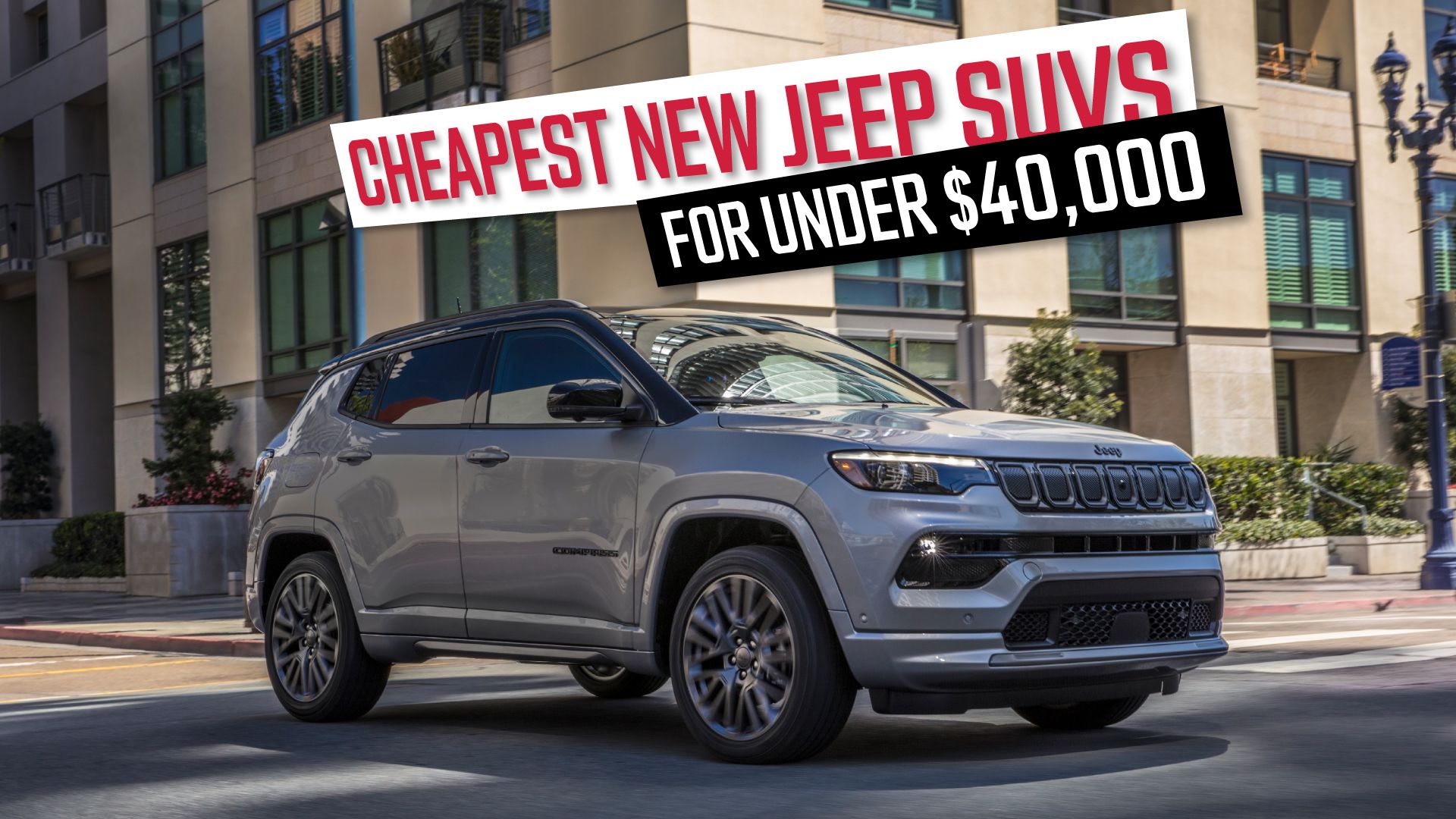
Where to Find Cheap Jeeps in the United States
Search several sales channels, but compare their protections and transaction costs as carefully as their prices. No single marketplace consistently produces the cheapest suitable vehicle.
Private-Party Listings
Private sellers can offer worthwhile deals, particularly when they have service records and a clear reason for selling. However, private sales generally do not come with the same dealer disclosures or warranty options.
Before traveling, request:
- The vehicle identification number, or VIN.
- Current mileage and asking price.
- Photos of the underside, engine compartment, and any damage.
- Available maintenance records.
- The title status and whether a lender holds a lien.
- Permission for an independent pre-purchase inspection.
Ask whether the seller’s name appears on the title. An explanation involving another person’s title, an unsigned transfer, or “selling it for a friend” needs verification before you pay.
Used-Car Dealers
Dealers may offer financing, trade-ins, and a more structured transaction. Those conveniences do not prove that a vehicle is mechanically sound.
For dealers covered by the Federal Trade Commission’s Used Car Rule, the Buyers Guide identifies whether the vehicle is sold “as is” or with a warranty and provides other required information. Read it alongside the purchase contract. State law can affect warranty rights and whether an as-is sale is permitted.
Request a written, itemized quote. Question optional protection packages, service contracts, accessories, and other additions you did not request. Fee rules differ by state; even when a fee cannot be removed, you can compare the final total with another seller.
Nearby and Out-of-State Markets
A wider search radius can reveal better candidates, but calculate the delivered cost:
Delivered cost = negotiated price + travel or shipping + inspection + applicable taxes and registration + required repairs
Before buying across state lines, confirm the title-transfer process, temporary operating authority, and any emissions or inspection requirements with your home-state motor vehicle agency. Avoid assuming that a seller’s state procedures satisfy your state’s rules.
Auctions and Rebuilt-Title Vehicles
Auctions are usually a poor starting point for buyers who need dependable transportation immediately and cannot absorb surprises. Some sales offer limited inspection access, restrictive terms, or no practical opportunity for a meaningful test drive.
A salvage or rebuilt title can reduce the purchase price, but it may introduce repair-quality, financing, insurance, and resale complications. Title-brand definitions vary by state. For most inexperienced buyers, a properly inspected clean-title vehicle is the more straightforward target—although a clean title alone does not establish good condition.
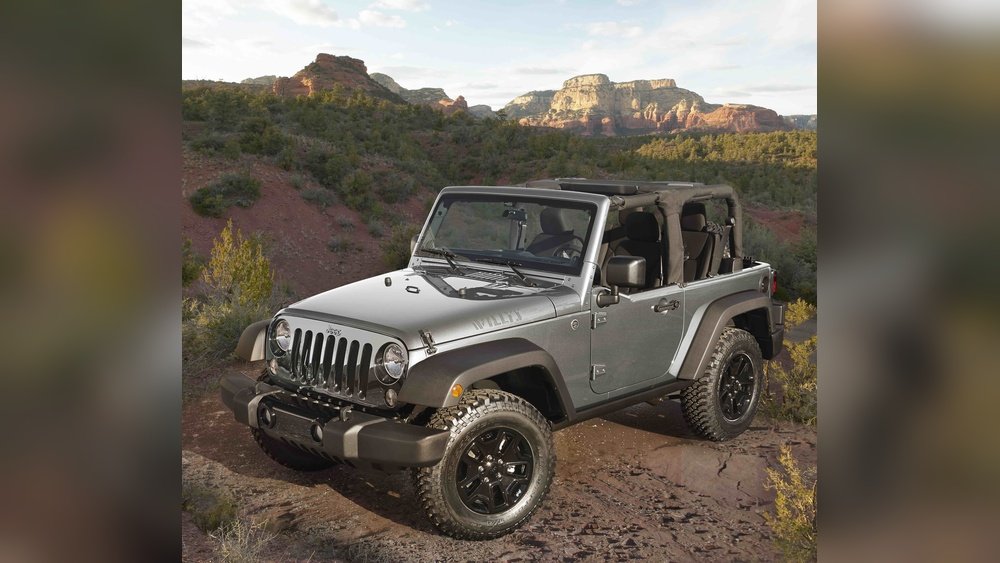
How to Buy a Cheap Jeep: A Step-by-Step Process
Use this sequence to eliminate unsuitable vehicles before spending money on travel, inspections, or deposits.
1. Get Ready to Buy
Prepare four things:
- A maximum out-the-door budget.
- A separate repair reserve.
- An insurance quote for likely candidates.
- Financing preapproval, if you need a loan.
Compare financing from more than one lender. The Consumer Financial Protection Bureau recommends comparing loan terms and overall costs rather than focusing only on the monthly payment.
For illustration, financing $10,000 at a fixed 9% APR, with equal monthly payments and no additional financed fees, produces approximately:
| Loan term | Monthly payment | Total payments | Total interest |
|---|---|---|---|
| 48 months | $249 | $11,945 | $1,945 |
| 72 months | $180 | $12,979 | $2,979 |
The longer loan lowers the payment but adds approximately $1,034 in interest. These are hypothetical calculations, not available loan offers.
For an older Jeep, also ask about lender restrictions on vehicle age, mileage, title status, and minimum loan size.
2. Establish a Local Comparison Range
Collect several genuinely comparable listings. Save the asking price, mileage, equipment, title disclosures, and listing date.
Listings show what sellers are asking, not necessarily what buyers are paying. Use them as negotiating context rather than proof of market value.
If affordable listings are consistently damaged, heavily modified, or missing records, broaden your model selection before lowering your standards.
3. Screen the Seller and Vehicle
Before arranging a visit, confirm that:
- The VIN is available and consistent across the listing and documents.
- The seller will explain ownership and lien status.
- The Jeep can be inspected independently.
- The seller will allow an appropriate test drive.
- Any known defects are disclosed.
Do not send money merely to “reserve” a vehicle you have not verified. A demand for gift cards, cryptocurrency, or payment through an unfamiliar shipping or escrow service is a reason to stop and independently investigate the transaction.
4. Check History, Title Status, and Recalls
Use complementary sources:
- An approved National Motor Vehicle Title Information System provider: For available title, brand, odometer, and other reported records.
- A commercial vehicle-history report: For additional reported events, recognizing that coverage varies.
- NHTSA’s VIN recall lookup: For unrepaired safety recalls within the tool’s stated coverage.
- Service records: For evidence of actual maintenance and completed repairs.
The official NMVTIS website lists approved consumer-report providers. Neither NMVTIS nor a commercial history report is a complete mechanical inspection or a guarantee that every accident, flood event, or repair appears.
Recall information also has coverage limits. For unresolved questions—particularly on older vehicles—contact a Jeep dealer or the manufacturer with the VIN.
5. Inspect the Jeep Before Negotiating the Final Price
Arrange an independent pre-purchase inspection with a mechanic familiar with the exact model and powertrain. For a modified Wrangler, consider a shop experienced with its suspension and drivetrain changes.
Ask for a written assessment covering immediate safety repairs, near-term maintenance, and major uncertainties. The next section explains what deserves attention.
6. Negotiate Using Documented Costs
Base your offer on comparable vehicles and inspection findings.
A useful approach is:
“Comparable vehicles are listed around this range. The inspection identified these repairs, with written estimates. My offer is $X, subject to the agreed title-transfer conditions and total price.”
Do not expect a seller to discount every repair dollar-for-dollar. Your protection is a firm maximum price and a willingness to leave.
If the seller refuses an inspection, introduces unexpected charges, or cannot resolve title issues, stop the transaction. Restart with another candidate rather than trying to justify the risk.
7. Complete the Transaction Through a Verifiable Process
Follow your state’s title-transfer and registration requirements. If a lien exists, coordinate a documented payoff and title-release process with the lender or an appropriate professional; do not rely solely on the seller’s promise.
For a private sale, meeting at the relevant bank or motor vehicle office can help where those services are available. Confirm insurance coverage before driving away.
Signs of a successful purchase: You have a consistent VIN, verifiable ownership documents, acceptable inspection findings, a known total cost, and enough money left for immediate maintenance.
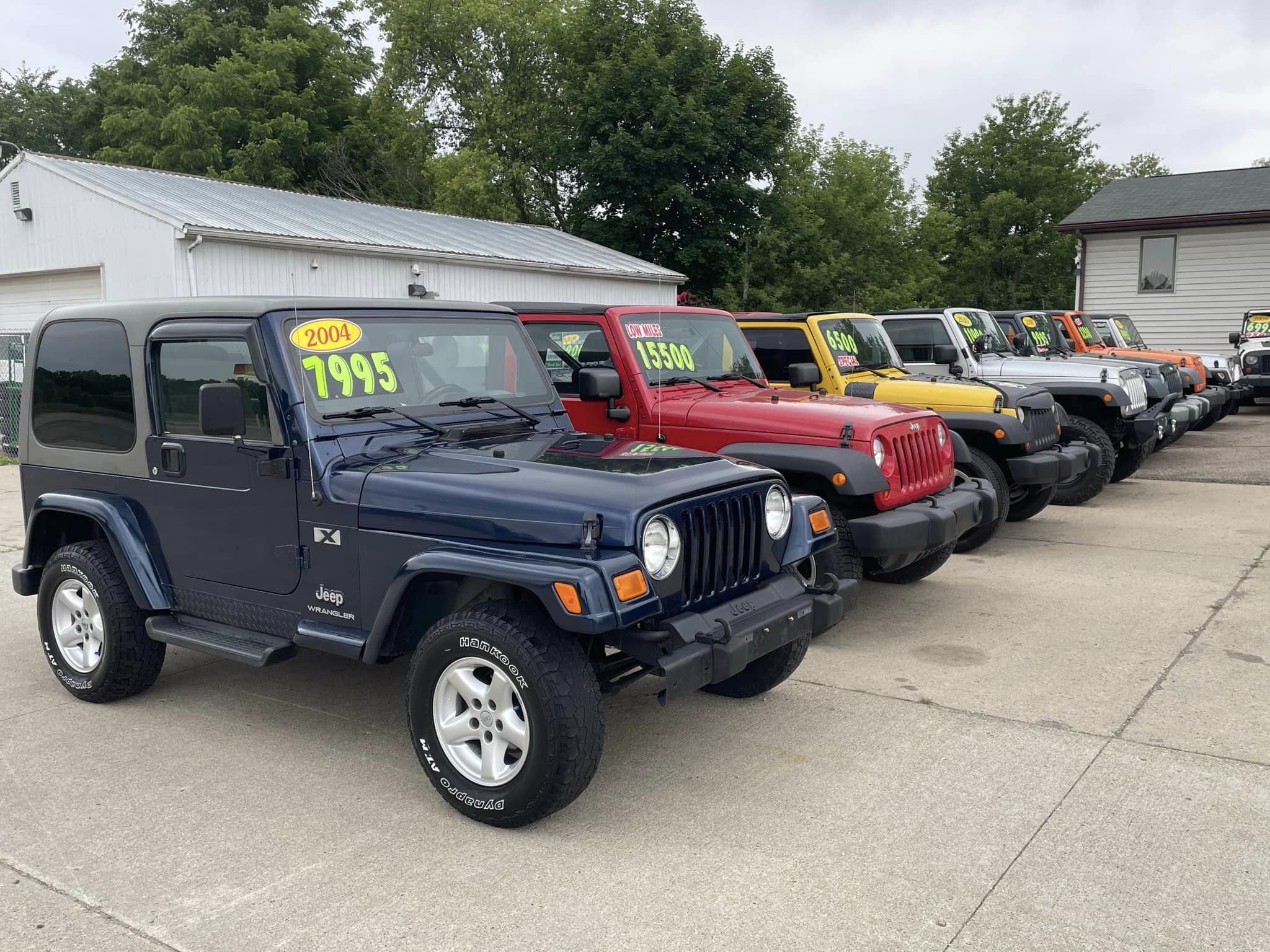
What to Inspect on an Inexpensive Used Jeep
Prioritize structural condition, steering and brakes, powertrain health, and evidence of water damage. Cosmetic wear matters less than defects that threaten safety or produce large repair bills.
Rust and Structural Damage
Have the mechanic inspect the underside, structural members, and suspension mounting points. A body-on-frame Wrangler requires different structural checks from a unibody Jeep model.
Surface oxidation is not the same as substantial metal loss or perforation. Fresh undercoating may make inspection harder; it should prompt closer examination, not an automatic conclusion that damage is hidden.
If structural integrity is uncertain, obtain a qualified assessment or walk away. A low asking price does not make unsafe corrosion acceptable.
Steering, Suspension, Brakes, and Tires
Look for uneven tire wear, leaks, loose components, damaged wheels, and mismatched tires. Where applicable, inspect track bars, ball joints, bushings, tie rods, and modification quality.
Severe steering oscillation should not be dismissed as “normal for a Jeep.” It requires diagnosis. Do not assume a steering stabilizer alone will correct the underlying cause.
Stop a test drive if steering, braking, or vehicle stability feels unsafe.
Engine, Transmission, and Four-Wheel-Drive Operation
The inspection should include a cold start where feasible, fluid condition, leaks, diagnostic scanning, and a road test.
Warning signs include overheating, abnormal mechanical noises, slipping, delayed engagement, or harsh shifting. Diagnostic codes are clues, not definitive diagnoses.
For four-wheel-drive operation, follow the owner’s manual for the exact system. Some modes are unsuitable for dry pavement. If you do not know the procedure, let the inspecting mechanic perform the test.
Flood Evidence and Electrical Problems
Ask the mechanic to examine suspicious moisture, silt, corrosion, odors, and electrical faults. None of these signs alone proves flood damage, but unexplained combinations warrant further investigation.
For a plug-in hybrid Jeep, arrange an inspection suitable for its high-voltage system. Do not touch damaged high-voltage components. Check VIN-specific recalls and follow any current manufacturer safety instructions, including charging or parking restrictions if applicable.
Maintenance Gaps
Confirm whether model-specific services are due and whether there is documentation that they were completed. Do not assume every Jeep engine uses the same timing system or maintenance schedule.
The inspection should end with estimated costs and priorities—not simply “looks good.” A history report plus a brief test drive is not an adequate substitute.

How to Tell Whether the Lower Price Is Actually a Better Deal
Compare the purchase price plus documented near-term work. Then evaluate unresolved risks separately.
Consider two hypothetical Jeeps with equivalent taxes and transaction fees:
| Candidate | Purchase price | Estimated immediate work | Price plus immediate work |
|---|---|---|---|
| Jeep A | $7,500 | $2,500 | $10,000 |
| Jeep B | $9,000 | $700 | $9,700 |
Jeep B is $1,500 more expensive to buy but $300 cheaper after the estimated work. That comparison does not predict future breakdowns; it demonstrates why the sticker price alone can mislead.
Before deciding, also obtain:
- An insurance quote using the exact VIN.
- A tire replacement estimate for the installed size.
- Model-specific maintenance estimates.
- Fuel-cost estimates based on your mileage and driving conditions.
Use the US Department of Energy and EPA’s FuelEconomy.gov to compare ratings for the exact year and configuration. Your actual fuel use can differ, especially with modifications, towing, or different driving conditions.
Common Mistakes That Erase the Savings
Avoid these shortcuts:
- Negotiating only the monthly payment. A longer term can conceal a higher total cost.
- Spending the repair reserve on upgrades. Address tires, brakes, leaks, and overdue service first.
- Assuming modifications increase value. Their quality, legality, and usefulness must be verified.
- Trusting “clean title” as a condition guarantee. It is a title-status description, not a mechanical finding.
- Counting on a universal cooling-off period. Do not assume you can return the vehicle; verify applicable law and any written return policy before signing.
- Buying a broken Jeep because parts seem cheap. Labor, diagnostics, tools, towing, and additional damage can overwhelm the apparent savings.
The strongest bargain is a vehicle with a manageable repair plan and few unresolved ownership or mechanical questions.
Frequently Asked Questions
Can you get a Jeep for under $5,000?
Possibly, but availability and condition vary significantly by location and model. This guide does not verify current listings at that price. A low-priced example may require substantial repairs, so calculate your inspection, registration, and repair costs before treating it as affordable.
Is there a best month to buy a Jeep cheaply?
There is no reliably cheapest month for every US market. Dealer targets, local inventory, weather, and individual seller circumstances can affect negotiations. A verified vehicle at a sound total price is more important than an assumed calendar discount.
Is a high-mileage Jeep worth buying?
It can be, provided its condition, maintenance history, price, and expected repairs make sense. Mileage alone cannot establish remaining life. A documented, well-maintained vehicle may be preferable to a lower-mileage example with corrosion or neglected maintenance.
Is a new Jeep with a large discount cheaper than buying used?
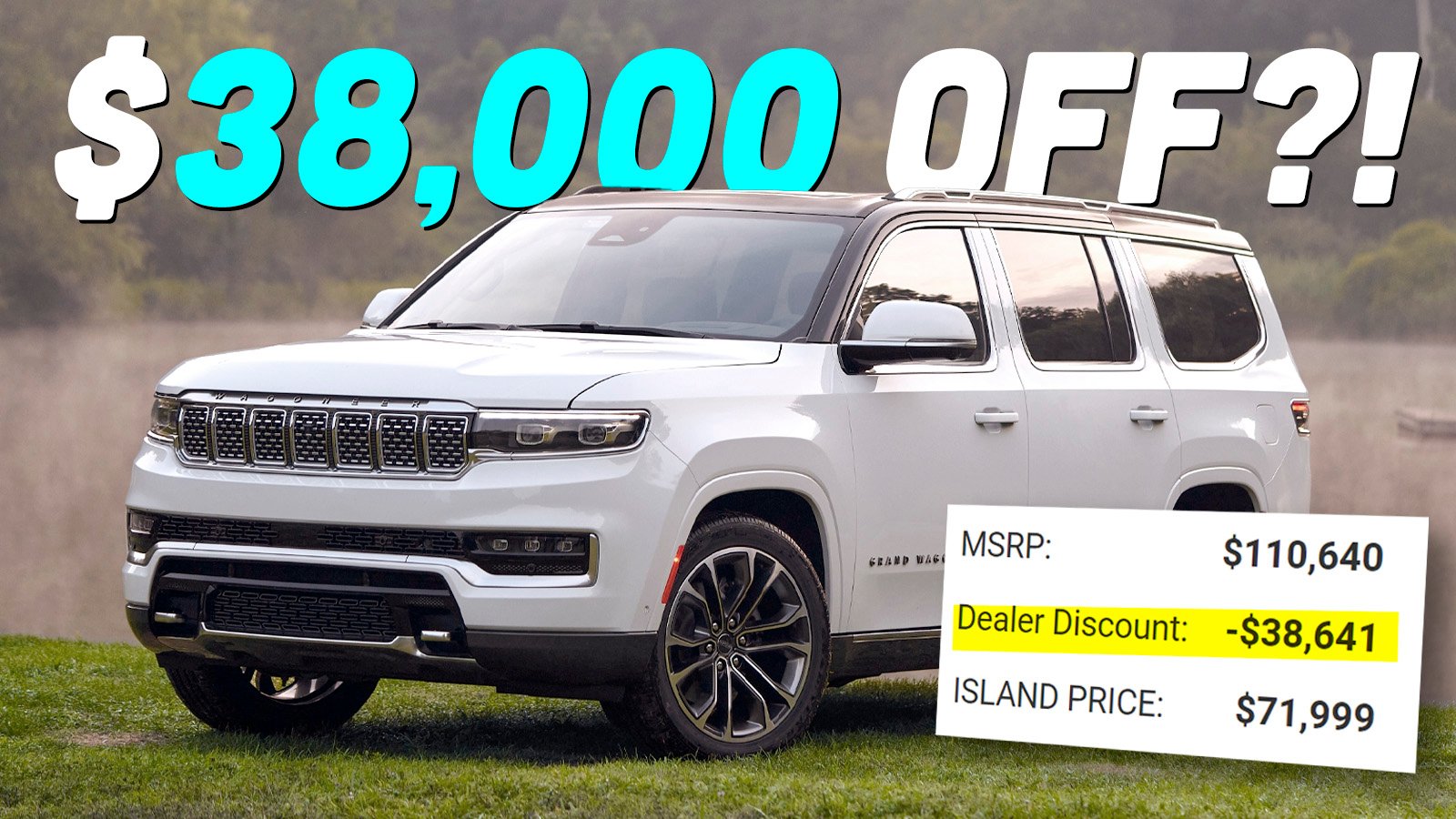
Sometimes financing terms, warranty coverage, and near-term repairs can narrow the difference, but compare actual written quotes. Manufacturer incentives change and can depend on location, eligibility, financing, and whether offers can be combined. A large advertised discount does not automatically produce the lowest ownership cost.
Should you buy a Jeep that needs an engine or transmission?
Only if you can verify the diagnosis, obtain a complete repair estimate, and tolerate additional costs and downtime. Include towing, labor, associated parts, programming where applicable, and a contingency. For someone needing reliable transportation immediately, an undrivable project is usually the wrong way to save.
Evidence, Sources, and Research Limits
The recommendations above combine established US consumer guidance with clearly labeled budgeting examples. No hands-on vehicle testing or live market-price survey was performed.
Live browsing was unavailable for this article, so current competing pages, dealer inventory, incentive offers, and location-specific prices were not checked. No claim is made about current search rankings or the cheapest Jeep available today. Consult the following primary sources for current guidance and vehicle-specific checks:
- Federal Trade Commission: Buying a Used Car From a Dealer — Buyers Guides, warranties, inspections, and purchase precautions.
- Consumer Financial Protection Bureau: Auto Loans — Comparing financing terms and understanding borrowing costs.
- NHTSA: Recalls — VIN-based recall checks and tool limitations.
- National Motor Vehicle Title Information System — Official information and approved consumer vehicle-history providers.
- FuelEconomy.gov — US fuel-economy ratings and comparison tools.
- Jeep Owner Resources — Access to model-specific ownership information and manuals.
Next-Question Gap Map
These follow-up needs are inferred from the buying process, not verified search-demand findings. Competitor coverage is marked not checked because no competing pages were inspected.
| Question | Reader stage and basis | Competitor coverage | Benefit and supporting evidence | Priority and placement |
|---|---|---|---|---|
| How much should remain after buying? | Before purchase; inferred from repair and transaction costs | Not checked | Prevents overextending the budget; hypothetical calculation and inspection estimates | High; budget section |
| What if the seller still owes money? | During purchase; inferred from title-transfer risk | Not checked | Reduces ownership-transfer risk; lender procedures and state motor vehicle requirements | High; transaction steps |
| Can the cheapest listing cost more overall? | Comparing candidates; inferred from immediate repair needs | Not checked | Improves price comparisons; labeled calculation, mechanic estimates, and CFPB financing guidance | High; total-cost section |
| What should be checked before driving away? | After purchase; inferred from registration, insurance, and safety needs | Not checked | Helps make the handoff lawful and usable; state requirements, policy confirmation, and inspection findings | High; transaction steps |
This article functions as a central buying guide. No site map was supplied, so parent and neighboring pages have not been identified.

Conclusion: Buy the Lowest-Cost Jeep You Can Verify
The practical way to get a Jeep for cheap is to buy only the capability you need, compare equivalent vehicles, and protect your budget with an independent inspection. Negotiate the total price—not just the payment—and leave enough money for necessary repairs.
Your next step is to set a purchase ceiling, obtain an insurance quote, and shortlist three comparable Jeeps with available VINs and acceptable title information. Pay for an inspection before making the final commitment. If the ownership documents, structural condition, or repair costs remain unclear, keep looking.