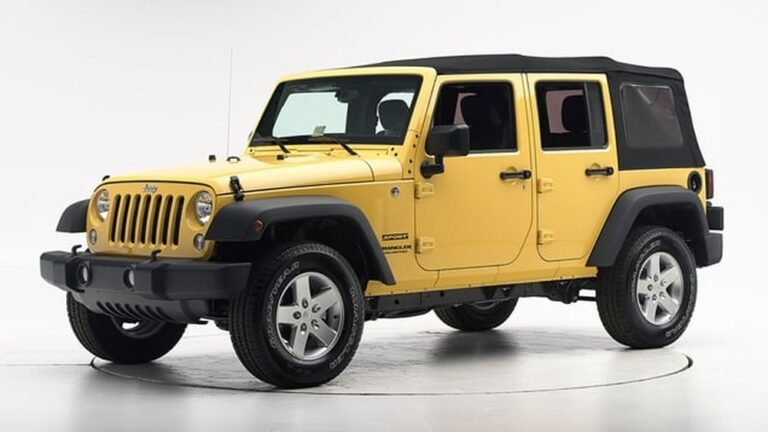
How To Fold A Jeep Soft Top: Easy Step-By-Step Guide
 Reading Time: 11 minutes
 For a U.S.-market Jeep Wrangler, folding the soft top generally means removing and storing the rear windows, releasing the windshield-header latches, folding the front roof section back, and lowering the frame into its rear storage position. Guide the fabric into loose, even folds and secure the folded assembly using the locks or straps specified for your top.
The exact procedure depends on your Wrangler generation and soft-top design. A factory JK top does not operate exactly like a factory JL top, and aftermarket tops may use different releases. The steps below explain the process and its checkpoints; use your vehicle’s owner’s manual or the top manufacturer’s instructions for the precise latch sequence.
Identify Your Jeep Soft Top Before Folding It
Start by identifying both the vehicle and the installed top. Model year alone is not enough if a previous owner replaced the original roof.
This table helps you choose the correct instructions for common U.S.-market Jeeps.
| Jeep model | U.S. model years | What changes the folding procedure |
|---|---|---|
| Wrangler TJ | 1997–2006 | Typically uses zippered removable windows and body-channel retainers; do not assume it has a partial-opening feature |
| Wrangler JK | 2007–2018 | Factory-style tops commonly use zippered windows; frame releases and Sunrider operation depend on the top configuration |
| Wrangler JL | 2018–present generation | Factory soft tops use a different frame and window-retention system from JK tops |
| Gladiator JT | 2020–present generation | Uses a pickup-specific soft-top assembly; follow Gladiator instructions rather than a Wrangler sequence |
| Any Jeep with an aftermarket top | Varies | The top’s manufacturer, model, and installation determine the correct procedure |
A 2018 Wrangler can be a JK or a JL. Confirm the generation before following a video or written guide.
Also distinguish between these roof types:
- Folding soft top: A fabric roof with a supporting frame that can fold rearward.
- Sunrider position: A partial opening that folds back the front roof section on compatible tops.
- Frameless or bowless top: An aftermarket design that may convert or roll back differently.
- Sky One-Touch power top: A powered retractable roof, not a conventional manually folding soft top.
- Sunrider for a hardtop: A replacement front-roof section, not a complete folding soft top.
The useful distinction is not simply “Jeep soft top.” It is the specific roof assembly installed on your Jeep.
Prepare the Jeep, Fabric, and Windows
Park on level ground, set the parking brake, and make sure there is enough space above and behind the Jeep for the frame to move.
Before releasing anything:
- Remove cargo that could obstruct the folded roof.
- Keep passengers, children, and pets clear of the moving frame.
- Check that the fabric and clear windows are reasonably clean.
- Let a cold, stiff top warm up before handling it.
- Prepare a clean, protected place for the removable windows.
- Have the top’s specified retaining straps available, if applicable.
Useful supplies include a window-storage bag, clean soft separators, and the owner’s manual. Routine folding of a complete factory top generally should not require disassembling its mounting brackets.
Why Fabric temperature and Cleanliness Matter
Cold fabric is less flexible, and clear plastic windows can be more vulnerable to damage when bent or handled in cold conditions. If either feels stiff, postpone the job or move the Jeep into a warmer environment.
Dust and grit can scratch clear windows when the panels rub together. Remove loose contamination using the care method recommended for the top; do not wipe a gritty window with a dry towel.
There is no single temperature cutoff that should be assumed for every Jeep soft top. Follow any temperature restrictions in the instructions for your specific roof.
Choose Partial Opening or Full Lowering
Use the Sunrider position if you only want an opening above the front seats. Fully lowering the top is a separate operation and typically involves removing the rear window and side-window panels on applicable tops.
Do not remove windows unnecessarily for a partial opening, but do not leave them installed for full lowering unless your top’s instructions expressly permit it.
How to Fold a Jeep Soft Top All the Way Down
For a conventional folding top, the goal is to lower the frame without trapping the fabric, damaging the windows, or leaving the assembly unsecured. The following sequence describes the main stages; model-specific instructions determine the exact release order.
1. Remove the Rear and Side Windows
Remove the window panels required for full lowering before moving the frame into its fully stowed position.
On a zippered top:
- Release the applicable fabric retainers from their body channels.
- Unzip the panels in the order specified for that top.
- Support each panel so its weight does not pull against the zipper.
- Release the rear window from its tailgate-bar arrangement as directed.
On a factory JL-style top, the removable windows use a different combination of retainers and channels. Do not look for a zipper or force a panel out of its track. Follow the manual’s removal direction.
Do not pull a window by its clear plastic section or drag it across the tailgate.
2. Store the Windows Without Creasing Them
Place each window in an approved storage bag or another clean, protected arrangement consistent with the manufacturer’s guidance.
Keep abrasive material away from the clear panels. Avoid sharp bends, heavy objects on top of the windows, and contact between dirty surfaces.
Some windows may be suitable for loose rolling under their manufacturer’s instructions; others contain stiff components that make that inappropriate. Do not assume every Jeep window can be rolled.
Secure stored windows so they cannot slide around or become loose cargo.
3. Release the Windshield-Header Latches
Lower the sun visors if needed to access the latches above the windshield.
Release the header latches and disengage their hooks as instructed. The header is the rigid front edge of the roof that seals against the windshield frame.
Check both sides before lifting. If one latch remains attached, pulling the opposite side can twist the header.
4. Fold the Front Section Back
Raise the front header and guide the front roof section rearward along its intended pivot path.
On a compatible top, this brings the roof into its Sunrider or partial-open position before full lowering. Other designs may have a different intermediate arrangement.
Keep your fingers out of the hinges. Guide the assembly evenly rather than pulling hard from one corner.
Stop if the frame resists or becomes crooked. Check for an attached latch, trapped fabric, or an incorrect release position.
5. Release the Full-Lowering Mechanism
Operate the frame releases specified for your roof.
Depending on the design, these may include handles, spring-loaded releases, or position locks. Similar-looking mechanisms can function differently across Jeep generations and aftermarket tops.
Do not loosen mounting bolts or remove brackets simply because the top will not move. A routine folding operation should follow the designed release mechanism.
6. Lower the Frame While Managing the Fabric
Guide the frame toward its rear storage position. A helper can make it easier to keep both sides aligned and manage loose fabric, particularly with a larger roof assembly.
As the bows—the supports beneath the roof fabric—move together:
- Keep the fabric clear of hinges and locking points.
- Follow the fabric’s natural folding pattern.
- Make broad, loose folds rather than tight bunches.
- Prevent the fabric from catching on cargo or trim.
- Avoid pulling on seams to force the frame lower.
Let the frame determine the fold geometry. Do not try to flatten the top into a tightly compressed package while the mechanism is still moving.
7. Secure the Folded Assembly
Engage the required stowed-position locks or install the specified retaining straps.
Some tops use integral locks; others require straps or another retention arrangement. A folded roof resting behind the seats is not necessarily secured for driving.
Do not substitute improvised cords around hinges or choose anchor points that are not intended for roof retention.
8. Check the Result Before Driving
A correctly folded top should:
- Sit evenly in its intended rear position.
- Have no fabric trapped in hinges or locks.
- Remain clear of exhaust heat and other damaging surfaces.
- Be secured against unintended movement.
- Leave cargo and stored windows properly restrained.
Gently check that the assembly is retained as described in the manual. If it shifts unexpectedly, will not latch, or appears distorted, resolve that problem before driving.
How to Fold Only the Front Section Into Sunrider Position
On a compatible roof, Sunrider mode opens the front section without lowering the entire top. It is the appropriate choice when you want a smaller opening and do not need to remove the whole roof from above the cabin.
The general process is:
- Park and prepare the Jeep.
- Move the sun visors out of the way if necessary.
- Release the windshield-header latches.
- Lift and fold the front section rearward along its designed hinges.
- Arrange the exposed fabric so it is not pinched.
- Apply any retention straps or locks required for that position.
Do not assume that reaching the open position means the roof is ready for road use. Check the retention requirements for your exact top.
If the front section will not pivot smoothly, verify that the roof actually has a Sunrider feature and that both header hooks are disengaged. Do not try to create a folding joint in a top that lacks one.
Troubleshooting a Jeep Soft Top That Will Not Fold
When a soft top resists movement, stop and inspect it rather than applying more force. Most useful checks concern an unreleased attachment, a trapped panel, or incorrect frame alignment.
| Symptom | Possible cause | Safest first check |
|---|---|---|
| Front header will not lift | One or both header hooks remain engaged | Confirm both hooks are fully disengaged |
| Frame stops partway down | A release remains engaged or fabric is caught | Pause and inspect the release points and hinges |
| One side lowers ahead of the other | Uneven handling or a remaining attachment | Support the assembly and check both sides |
| Window will not come out | A retainer is still seated or removal direction is wrong | Recheck the model-specific window instructions |
| Zipper is difficult to move | Misalignment, dirt, or tension on the panel | Support the panel and relieve tension |
| Folded top will not lock or strap down | Fabric, cargo, or the frame position obstructs retention | Clear the obstruction and verify the stowed position |
| Fabric forms a bulky pile | Material is bunched between the supports | Reopen only enough to redistribute the fabric safely |
If a Zipper Sticks
Support the window and reduce tension on the zipper. Check for caught fabric and contamination.
Do not yank the slider, use pliers as a routine solution, or apply a household lubricant without confirming material compatibility. Use only care products approved for the zipper and top materials.
If the Frame Looks Bent or a Release Is Broken
Stop operating the roof if a bow appears bent, a bracket is loose, or a latch no longer retains the assembly.
A Jeep dealer or a qualified soft-top installer can distinguish an operating problem from damaged hardware. Repeatedly forcing a misaligned frame can turn a repairable issue into additional damage.
Avoid These Folding and Storage Mistakes
The most preventable damage comes from folding around attached windows, trapping fabric in the mechanism, or storing dirty panels against each other.
Avoid these practices:
- Forcing the frame: Resistance is a reason to inspect, not push harder.
- Folding with windows attached when removal is required: Panels and retainers can be loaded in ways they were not designed to withstand.
- Making sharp window creases: Clear panels can be permanently marked or damaged.
- Packing a wet top for extended storage: Persistent moisture can contribute to mildew and odor.
- Leaving the folded roof unsecured: Use the retention method intended for the top.
- Confusing lowering with removal: Taking the complete roof assembly off the Jeep is a different task.
- Following instructions for another generation: JK, JL, TJ, and JT roof systems are not interchangeable.
If you must lower a damp roof briefly, reopen it when practical and let it dry before prolonged storage. Never sacrifice secure road-use retention just to keep wet fabric loosely arranged.
How to Raise the Soft Top Again
Raise the roof using the documented installation sequence, then check its alignment and seals before driving. Reversing the general folding stages is helpful, but some window retainers and locks require a particular order.
The main stages are:
- Release the stowed-position retention.
- Raise the frame evenly into its operating position.
- Engage the required frame locks.
- Bring the front header toward the windshield.
- Install the windows and seat their retainers in the specified sequence.
- Complete the header-latching sequence required for your top.
- Inspect the window channels, tailgate-bar seals, and fabric edges.
Do not use excessive latch force to compensate for a poorly seated frame. If the roof will not close normally, recheck alignment and look for trapped material.
Signs of a successful installation include evenly seated retainers, correctly engaged latches, and no obvious gaps at the window or header seals. If a leak appears afterward, inspect the installation before assuming the fabric needs replacement.
Frequently Asked Questions
Can One Person Fold a Jeep Soft Top?
Many factory tops can be operated by one person following the manual. A helper is useful when the assembly is difficult to control evenly or when fabric needs guidance on both sides. Stop if the operation exceeds what you can handle safely.
Do I Need Tools to Fold the Top?
Ordinary lowering of an installed factory folding top generally does not require tools. Removing the entire assembly or working on mounting hardware is a separate procedure and may require them.
Can I Fold the Top While the Jeep Is Moving?
No. Park before releasing latches, removing windows, or moving the frame. Keep everyone clear of the mechanism during operation.
Can I Leave the Soft Top Down Overnight?
You can leave a correctly secured top lowered, but the open cabin is exposed to rain, debris, and theft. Raise the roof when weather or parking conditions make exposure unsuitable. Avoid prolonged storage of wet folded fabric.
Can I Drive at Highway Speed With the Top Folded?
Follow the road-use instructions and any restrictions for your exact roof and opening position. Full-down and Sunrider configurations can have different retention requirements. Do not assume that a roof is secure merely because it stayed in place at low speed.
Source Guidance and Research Limits
The controlling source is the manual for your vehicle and installed roof. Use the official Jeep U.S. owner’s manual portal to locate the appropriate vehicle documentation. For an aftermarket top, use the manufacturer’s instructions for the exact product.
Live browsing and hands-on testing were not available for this article. Consequently, current manual passages and competing webpages were not independently inspected, and this guide does not claim a verified universal latch sequence, current search ranking, or firsthand test result. Its practical contribution is a model-identification workflow and a set of checks that help prevent applying the wrong procedure.
The following compact next-question map identifies relevant reader needs without presenting them as verified search demand.
| Next question | Reader stage | Basis | Competitor coverage | Benefit and evidence needed | Priority and placement |
|---|---|---|---|---|---|
| Is my 2018 Wrangler a JK or JL? | Before starting | Inferred from overlapping model years | Not checked | Prevents use of the wrong roof instructions; confirm vehicle generation and manual | High; identification section |
| Do I need to remove windows for a partial opening? | Choosing a configuration | Inferred from the difference between Sunrider and full lowering | Not checked | Avoids unnecessary removal or damage; exact top instructions control | High; preparation and Sunrider sections |
| What secures the roof before driving? | After folding | Inferred safety need | Not checked | Prevents unintended movement; verify the specified locks or straps | High; folding steps |
| What should I do if the frame jams? | During folding | Inferred troubleshooting need | Not checked | Reduces damage from force; inspect attachments and obtain model-specific repair guidance | High; troubleshooting |
| How should removed windows be stored? | After removal | Inferred care need | Not checked | Reduces scratching and creasing; window-care instructions control | Medium; window-storage step |
Conclusion
To fold a Jeep soft top correctly, identify the installed roof, remove the required windows, release the appropriate latches, guide the frame and fabric into the rear position, and secure the assembly before driving.
Start with your exact owner’s manual or top instructions. If the mechanism resists, stop and check attachments, alignment, and trapped fabric rather than forcing it.