

Are Old Jeep Cherokees Reliable? Expert Insights and Tips
 Reading Time: 9 minutes
 If you’re looking at buying an old Jeep Cherokee, reliability is probably your biggest concern. The Jeep Cherokee—especially models from the late 1980s through the early 2000s—has a strong reputation among off-road fans and budget car buyers. But is that reputation truly deserved? Let’s break down the facts, the numbers, and the real-life experiences so you can make a smart decision.
What Makes The Old Jeep Cherokee Special?
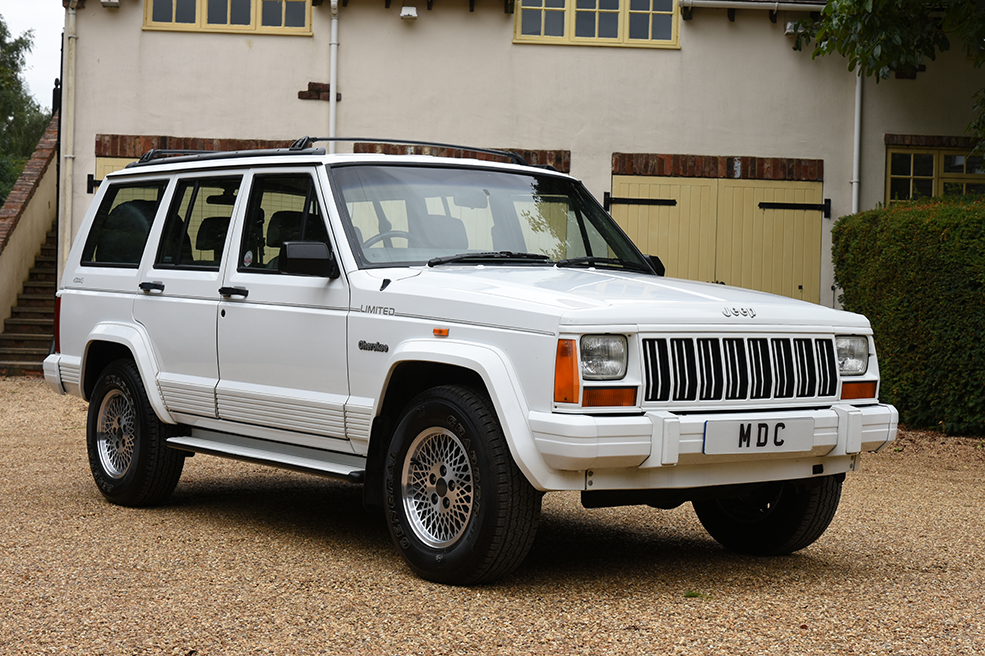
The older Jeep Cherokee (especially the XJ model produced from 1984 to 2001) is famous for its tough build and simple design. These SUVs were made to handle rough roads and bad weather. Many people still drive them today, even after decades on the road.
- Boxy design: Makes repairs easier and gives more space inside. The shape also allows you to load large items, and makes parking and visibility better compared to rounded SUVs.
- Solid axle suspension: Great for off-roading and strong durability. This suspension can handle bumps, rocks, and dirt tracks without breaking easily, which is why off-road enthusiasts love it.
- 4.0-liter inline-six engine: Known for lasting over 200,000 miles with basic care. This engine is simple, with few electronic parts, so it’s less likely to fail. It can run smoothly even after years of use, as long as you change the oil and keep it cool.
- Affordable parts: Easy to find replacements and upgrades. Many parts from different years are compatible, making repairs less stressful and cheaper.
You’ll find these vehicles used for camping, towing, and even daily driving. Owners often brag about how their old Cherokee still runs after years of heavy use. It’s common to see them carrying heavy loads, pulling trailers, or crossing rough terrain without issue.
Another reason these Cherokees are special is their adaptability. You can turn an old Cherokee into a family car, a work vehicle, or an adventure machine. Because the design is so simple, even beginners can learn to fix small problems themselves.
Many mechanics appreciate how easy it is to access the engine and suspension parts, which saves time and money.
Reliability Data And Real-world Examples
When talking about reliability, we should look at both data and real stories. Here’s what the numbers say:
- J.D. Power: Older Cherokees (1996–2001) scored above average for dependability in the “Compact SUV” class.
- Consumer Reports: Gave the 1998 Cherokee a reliability score of 4/5, noting strong engine and transmission life.
- Mileage examples: Many owners report their Cherokee XJ running well at 180,000–250,000 miles.
Here’s a quick comparison between Jeep Cherokee and other old SUVs:
| Model | Average Mileage Before Major Repairs | Engine Reliability (1-5) |
|---|---|---|
| Jeep Cherokee (XJ) | 220,000 miles | 4.5 |
| Toyota 4Runner (1997) | 250,000 miles | 4.7 |
| Ford Explorer (1999) | 170,000 miles | 3.8 |
Most mechanics agree: the Cherokee’s inline-six engine is one of the most reliable engines ever made. The automatic transmission is not as bulletproof, but it’s still solid compared to other SUVs from the same period.
Real-world owner reports show Cherokees often survive tough environments. For example, many farm owners use their Cherokees daily on dirt roads, rarely needing major repairs. In rural areas, Cherokees are known for starting in freezing temperatures and hauling loads without complaint.
Even after decades, these vehicles keep their value and usefulness.
Some owners mention that the Cherokee’s simplicity helps keep it reliable. Fewer electronics mean fewer things to break. Compared to modern SUVs with lots of sensors and computers, the old Cherokee is straightforward. If something breaks, it’s usually easy to diagnose and fix.
Common Problems With Old Jeep Cherokees
No used car is perfect. The Jeep Cherokee has some weak points, especially as it gets older.
- Rust: The underbody and rocker panels are prone to rust, especially in snowy areas. Salt from winter roads eats away at metal, so you should check under the doors, near the wheels, and around the back hatch.
- Electrical issues: Door locks, window switches, and dash lights can fail. Sometimes, wires wear out or connectors corrode, causing problems that are annoying but usually not expensive to fix.
- Cooling system: Radiators and water pumps may need replacing after 150,000 miles. Overheating can lead to engine damage, so it’s smart to check for leaks or signs the engine runs hot.
- Suspension wear: Bushings, ball joints, and shocks often need attention. If you hear clunks or feel a rough ride, these parts may need replacing.
Here’s a breakdown of typical repairs and their average cost:
| Repair | Average Cost (USD) | Difficulty |
|---|---|---|
| Radiator replacement | $350 | Moderate |
| Starter motor | $250 | Easy |
| Suspension bushings | $280 | Moderate |
| Rust repair | $800 | Hard |
| Window switch | $70 | Easy |
Most issues are not expensive compared to modern SUVs. Parts are cheap and easy to find thanks to strong aftermarket support. Many fixes can be done at home with basic tools, saving even more money.
One thing beginners often miss: small leaks in the cooling system can lead to bigger problems. Always check for wet spots under the radiator or around hoses. Also, old Cherokees may develop squeaks or rattles in the interior. While these don’t affect driving, they can be annoying if you care about comfort.
Key Factors That Affect Reliability
Reliability isn’t just about the car itself. How the Jeep Cherokee was used and maintained matters a lot.
- Maintenance history: Regular oil changes and cooling system checks help the engine last longer. If the previous owner skipped these, you may face bigger repairs.
- Driving conditions: Off-road use wears out suspension and drivetrain faster. City-driven Cherokees usually last longer, while those used for rock crawling or mudding need more repairs.
- Climate: Humid or snowy regions cause more rust. Dry climates like Arizona or Nevada keep Cherokees in better shape.
- Previous owners: Cars owned by enthusiasts are usually better maintained. They often use quality parts and fix problems quickly.
Here are two insights beginners often miss:
- Original vs. modified: Many Cherokees are heavily modified for off-roading. Modifications can reduce reliability if not done correctly. For example, lifting the suspension may strain the driveshaft and cause vibration.
- Fleet or commercial use: Some Cherokees were used by police or companies. These vehicles often have higher mileage and more wear. Fleet vehicles may have had regular maintenance, but they are driven hard.
Always ask for service records and try to find out how the SUV was used before buying. Ask about oil change intervals and whether the cooling system was flushed. Look for signs of heavy off-road use, like scratched paint or dented underbody parts.
These clues help you spot problems early.

Credit: www.reddit.com
Jeep Cherokee Generations And Their Differences
Not all old Cherokees are equal. Here’s a quick look at the main generations:
Jeep Cherokee Xj (1984–2001)
- Most popular old model
- 4.0L inline-six engine
- Boxy, simple design
- Very reliable, easy to repair
Jeep Cherokee Kj (2002–2007)
- Rounder body style
- 3.7L V6 engine
- More electronics, less simple
- Reliability less than XJ, but still decent
Jeep Cherokee Liberty (2008–2012)
- Modern features
- More comfort, less rugged
- Reliability similar to KJ
For best reliability, most experts recommend the XJ generation. The 4.0L engine is legendary, and the parts are widely available. If you’re new to Jeeps, the XJ is easier to work on and has fewer electronic problems.
One extra tip: The XJ’s boxy design gives you more cargo space and makes it easier to add roof racks or camping gear. KJ and Liberty models are less suited for heavy off-road modifications. If you plan to build your own adventure vehicle, XJ is the way to go.
What Owners Say: Real Life Experiences
Let’s look at some owner stories and opinions:
- “My 1996 Cherokee XJ has over 230,000 miles. I replaced the radiator and suspension, but the engine is original. Starts every day.” – Mike, Ohio
- “Bought a 2000 Cherokee for $2,500. Used for camping trips. Only needed a new starter and brakes.” – Sarah, Colorado
- “Rust is a big problem in my area. Had to fix the rocker panels. Otherwise, the Cherokee is bulletproof.” – Dave, Michigan
Many owners praise the Cherokee’s reliability but mention regular maintenance is key. They also highlight how easy it is to find parts and get help from online forums or local shops.
Some owners share that their Cherokee survived accidents, tough winters, or long road trips without major breakdowns. In Jeep clubs, it’s common to see XJs from the 1990s still running strong, even after years of off-road events.
How Does The Old Jeep Cherokee Compare To Modern Suvs?
Old Cherokees don’t have the latest technology or safety features. But they offer strong reliability at a low price. Here’s a comparison of key factors:
| Feature | Old Cherokee | Modern Compact SUV |
|---|---|---|
| Reliability (over 10 years) | High | Medium |
| Repair cost | Low | High |
| Safety features | Basic | Advanced |
| Comfort | Medium | High |
| Off-road ability | Excellent | Good |
If you want a simple, reliable SUV and don’t mind missing modern tech, the old Cherokee is a smart choice. You save money on repairs, and you get a vehicle that can handle rough roads with confidence.
One thing to remember: modern SUVs are quieter, have better seats, and come with airbags and stability control. But if you value reliability and ease of repair, the Cherokee stands out. You don’t need special tools or software to fix most problems.
Tips For Buying An Old Jeep Cherokee
To avoid common mistakes, follow these tips:
- Check for rust: Look under the car and around the doors. Pay special attention to the floor near the front seats and the area where the seat belts mount.
- Test all electronics: Windows, locks, dashboard lights. Sometimes, old wires cause intermittent problems, so test switches several times.
- Ask for maintenance records: Oil changes, cooling system work. Records show if the car was cared for or neglected.
- Drive it: Listen for noises in the suspension and drivetrain. Feel how the brakes respond and check if the steering is tight or loose.
- Avoid heavily modified models: Unless you know what’s been changed. Poorly done modifications can lead to hidden problems.
Many beginners skip the rust check. That’s a costly mistake—rust repairs can be expensive. Also, don’t ignore small leaks or warning lights on the dashboard. These may indicate bigger issues.
When inspecting, ask about previous owners and whether the vehicle was used for towing or off-road. Check if tires are worn unevenly, which may show suspension problems.
Credit: www.vigilante4x4.com
Is The Old Jeep Cherokee Right For You?
Think about your needs and skills:
- Do you want to do some repairs yourself? The Cherokee is easy to work on.
- Need a strong off-road vehicle? It’s one of the best in its price range.
- Looking for cheap parts? Aftermarket support is huge.
- Want modern tech? The Cherokee won’t have it.
If you’re comfortable with basic car maintenance and want a tough SUV for less money, the old Jeep Cherokee is a solid option. But always check for rust and ask about the car’s history.
Another insight: If you plan to use your Cherokee as a daily driver, look for models with lower mileage and fewer modifications. If you want to build an off-road machine, seek out XJs with strong frames and solid axles.
Frequently Asked Questions
How Long Do Old Jeep Cherokees Usually Last?
With good maintenance, the Cherokee XJ can last over 220,000 miles. Some owners report 300,000 miles or more, especially with the 4.0L engine. Regular oil changes and replacing worn parts help these SUVs reach high mileages.
Are Parts Easy To Find For Old Jeep Cherokees?
Yes. Parts for the XJ generation are widely available and cheap. Many auto shops and online stores stock them. You can also find used parts at junkyards, which helps keep repair costs low.
Is The Old Jeep Cherokee Good For Daily Driving?
It can be, especially if you don’t need modern features. The Cherokee is comfortable enough for daily use, but it’s noisier and less refined than newer SUVs. It’s a good choice if you like simple controls and don’t mind basic interiors.
What Are The Main Things To Check Before Buying?
Focus on rust, engine health, and the electrical system. Always test drive and check maintenance records. Look for signs of overheating or leaks, and make sure all windows and locks work.
Is The Old Jeep Cherokee Expensive To Maintain?
No. Most repairs are affordable, and parts are cheap. The biggest costs are usually rust repairs or major engine work. If you handle basic maintenance yourself, expenses stay low.
For more in-depth technical details, visit the official Jeep Cherokee XJ Wikipedia page.
If you want a reliable, simple SUV for off-road or daily use, the old Jeep Cherokee stands out. It’s not perfect, but with smart buying and regular care, it can serve you well for many years.
Credit: classicsworld.co.uk


