Are Jeeps Good in the Snow? Winter Driving Performance Explained
 Reading Time: 7 minutes
 Are Jeeps Good In The Snow
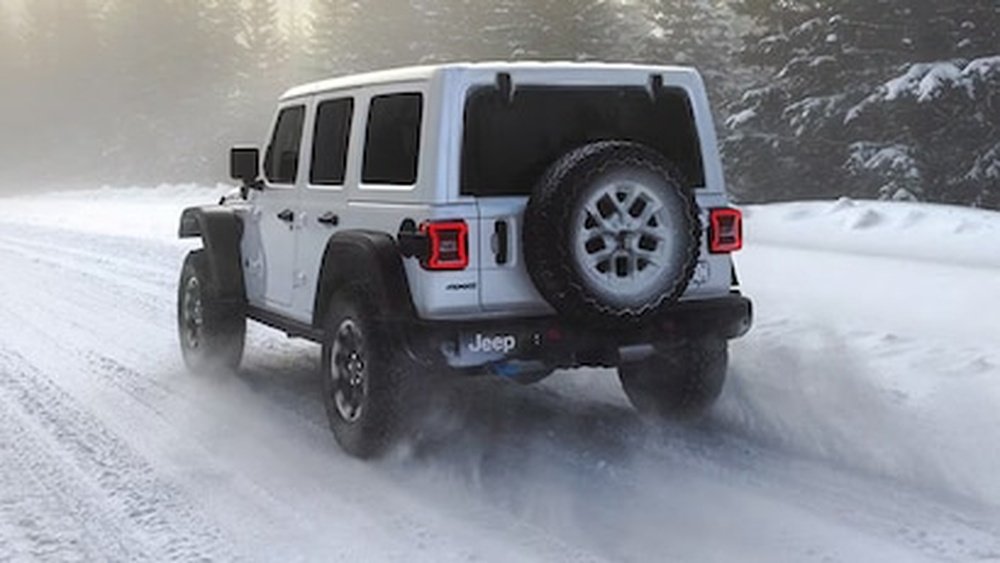
When winter arrives and roads turn icy, many drivers wonder if their vehicle can handle the snow. Jeeps have a strong reputation for off-road ability, but what about snowy streets and mountain passes? Let’s explore how Jeeps perform in the snow, what features make them stand out, and what you need to know before trusting your ride in winter weather.
Why People Choose Jeeps For Snowy Roads
Jeeps are famous for their rugged design. Many owners use them for adventures in mud, sand, and rocks. However, snowy driving is a different challenge. Drivers need traction, stability, and safety. Here’s why many people consider Jeeps a good choice for winter:
- Four-Wheel Drive (4WD): Most Jeeps come with 4WD, which helps power all four wheels. This gives better grip on slippery roads.
- Ground Clearance: Jeeps usually sit higher than normal cars. Higher ground clearance means it’s easier to drive over snow without getting stuck.
- Tough Tires: Many Jeeps have all-terrain tires, which are better than normal tires for snow and ice.
- Stability Control: Modern Jeeps have electronic systems that help the vehicle stay steady, even when roads are slick.
But are these features enough? Let’s break down what really matters.
Jeep Models And Their Snow Performance
Not all Jeeps are the same. Some are better in the snow than others. Here’s a look at the most popular Jeep models and how they handle winter conditions.
| Model | Drivetrain | Ground Clearance (inches) | Winter Rating (1-5) |
|---|---|---|---|
| Wrangler | 4WD | 9.7 | 5 |
| Grand Cherokee | AWD/4WD | 8.6 | 5 |
| Cherokee | AWD/4WD | 8.7 | 4 |
| Compass | AWD | 8.2 | 4 |
| Renegade | AWD | 8.0 | 3 |
Jeep Wrangler and Grand Cherokee are two top choices for snow. Their combination of high ground clearance and advanced 4WD systems gives them an edge. The Cherokee and Compass are good, but a bit less rugged. Renegade is smaller, with less clearance, so it’s better for city snow than deep drifts.
Key Features That Matter In Snow
Let’s look at the main features that help Jeeps perform well in winter conditions.
Four-wheel Drive Vs. All-wheel Drive
- 4WD is found in models like the Wrangler and some Grand Cherokees. It can be turned on or off. 4WD is best for deep snow, off-road, or when roads are very slippery.
- AWD is automatic. It sends power to the wheels that need it most, all the time. AWD is common in the Cherokee, Compass, and Renegade. It works well on plowed roads and light snow.
Ground Clearance
The more space a vehicle has between the ground and the underbody, the less likely it will get stuck. Most Jeeps have 8 inches or more of clearance, which is better than the average sedan (usually 5-6 inches).
Traction Control Systems
Modern Jeeps use traction control and stability control. These systems use sensors to find slipping wheels and reduce power or apply brakes where needed. This helps the Jeep stay straight, even in icy turns.
Tires
Tires are the only part of the Jeep that touches the snow. Most new Jeeps come with all-season or all-terrain tires. For deep snow or ice, winter tires are even better. They have special rubber and tread patterns for cold, slippery roads.
Weight And Balance
Jeeps are heavier than most cars. This can help push tires into the snow for more grip. However, too much weight can make stopping harder on ice. Beginners often forget to adjust their driving style for heavier vehicles.
Real World Performance: Data And Reviews
Let’s see how Jeeps perform in real winter tests and what owners say.
| Model | 0-60 mph Snow Time (sec) | Braking Distance 30-0 mph (ft) | User Rating (out of 5) |
|---|---|---|---|
| Wrangler | 10.2 | 78 | 4.8 |
| Grand Cherokee | 9.7 | 76 | 4.7 |
| Cherokee | 10.6 | 81 | 4.5 |
These numbers come from real winter driving tests. The Wrangler and Grand Cherokee stop faster and accelerate better than the Cherokee. User ratings show that most owners feel safe and confident in these models during winter.

Credit: www.youtube.com
Where Jeeps Excel And Where They Struggle
Jeeps have strengths but also a few weak spots in snowy weather.
Strengths
- Excellent traction: 4WD/AWD systems keep the Jeep moving when others get stuck.
- High clearance: You can drive over snow piles without scraping the bottom.
- Strong build: Jeeps are designed for tough conditions, so cold weather doesn’t usually cause problems.
Weaknesses
- Longer stopping distance: Heavier Jeeps need more space to stop on ice.
- City driving: Smaller Jeeps, like the Renegade, have less power and clearance.
- Fuel economy: 4WD and AWD use more fuel, so winter driving can be more expensive.
Non-obvious Insights
- Tire pressure drops in cold weather. Many Jeep owners forget to check tire pressure in winter, which reduces grip. Always check your tires after a temperature change.
- Older Jeeps may lack modern safety features. If you buy a used Jeep, check if it has stability control and ABS brakes. These make a big difference on icy roads.
How To Get The Most From Your Jeep In Snow
Even the best Jeep can struggle if you’re not prepared. Here are some steps to get ready for winter driving.
- Install winter tires: All-terrain tires are good, but winter tires are best for ice and deep snow.
- Use 4WD or AWD: Learn how to engage these systems. Don’t wait until you’re stuck!
- Keep your gas tank half full: This prevents fuel lines from freezing and gives you extra weight for traction.
- Carry emergency gear: Pack a snow shovel, blanket, flashlight, and traction mats in case you get stuck.
- Practice stopping and turning: Find an empty, snowy parking lot and get used to your Jeep’s handling in slippery conditions.

Credit: www.ledfactorymart.com
Comparing Jeeps To Other Suvs In Snow
How do Jeeps stack up to other popular winter SUVs? Here’s a quick comparison.
| Model | Drivetrain | Ground Clearance (inches) | Winter Performance |
|---|---|---|---|
| Jeep Wrangler | 4WD | 9.7 | Excellent |
| Subaru Outback | AWD | 8.7 | Very Good |
| Toyota 4Runner | 4WD | 9.6 | Excellent |
| Honda CR-V | AWD | 8.2 | Good |
Jeeps like the Wrangler and Grand Cherokee stand out for their off-road ability and snow handling. The Subaru Outback is a favorite for snowy cities and highways, while the Toyota 4Runner matches the Jeep in deep snow. The Honda CR-V does well but has less clearance.
Common Mistakes And How To Avoid Them
- Relying only on 4WD: Some drivers believe 4WD is magic, but it only helps you go, not stop. Always drive slowly and leave extra room.
- Ignoring tires: Even a Jeep can slide if the tires are old or wrong for the season.
- Forgetting to switch back to 2WD: On dry roads, using 4WD can wear out your Jeep’s system.
- Too much speed: Jeeps are powerful, but on ice, slow and steady is safest.

Credit: www.simivalleychryslerdodgejeepram.com
What Beginners Should Remember
New Jeep owners often focus on power and looks, but winter driving is about control and preparation. Remember:
- Use the right tires for the season.
- Practice using 4WD/AWD before you need it.
- Keep emergency supplies in your vehicle.
- Don’t assume your Jeep can handle everything—respect the weather.
If you want more details on safe winter driving, the National Highway Traffic Safety Administration offers trusted advice.
Frequently Asked Questions
Can I Drive A Jeep In Deep Snow Without Any Problems?
Jeeps with high ground clearance and 4WD, like the Wrangler and Grand Cherokee, handle deep snow well. However, even these can get stuck if the snow is higher than the bumper or if tires aren’t right for the conditions. Always drive carefully and know your limits.
Do I Need Winter Tires If My Jeep Has All-terrain Tires?
All-terrain tires are better than regular tires, but winter tires are specially made for ice and snow. They can improve stopping and control, especially on ice or packed snow. For the safest winter driving, winter tires are recommended.
Is 4wd Always Better Than Awd In Snow?
4WD is best for very deep snow or off-road use. AWD is easier to use because it works automatically and is great for city and highway snow. For most drivers, AWD is enough unless you go off-road or live where snow is very deep.
Are Older Jeeps Good In The Snow?
Older Jeeps can still be good in the snow if they have 4WD and good clearance. However, many lack modern safety systems like traction control or ABS. Check your vehicle’s features and consider upgrading tires or adding safety gear.
What Is The Safest Speed To Drive A Jeep In Snowy Weather?
There is no one safe speed for snow. Always drive slower than usual and increase your following distance. Even with a Jeep, sudden stops or quick turns can lead to sliding. Go slow and steady, especially on icy roads.
Driving a Jeep in the snow can be fun and safe if you understand your vehicle and prepare for the conditions. Whether you’re heading up a mountain or just commuting in the city, the right Jeep, tires, and habits make all the difference.