
Jeep Grand Cherokee 3.0 EcoDiesel: Fix Throttle Light
 Reading Time: 13 minutes
Introduction
If the electronic throttle control light appears on a Jeep Grand Cherokee 3.0 EcoDiesel sold in the United States, do not replace parts at once. Start by scanning the Jeep with a tool that can read manufacturer-specific powertrain codes, then inspect battery voltage, wiring, connectors, the accelerator pedal sensor, and the electronic throttle valve.
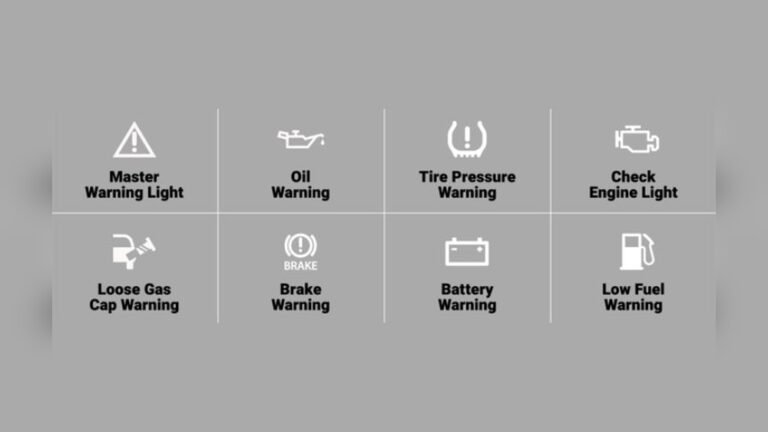
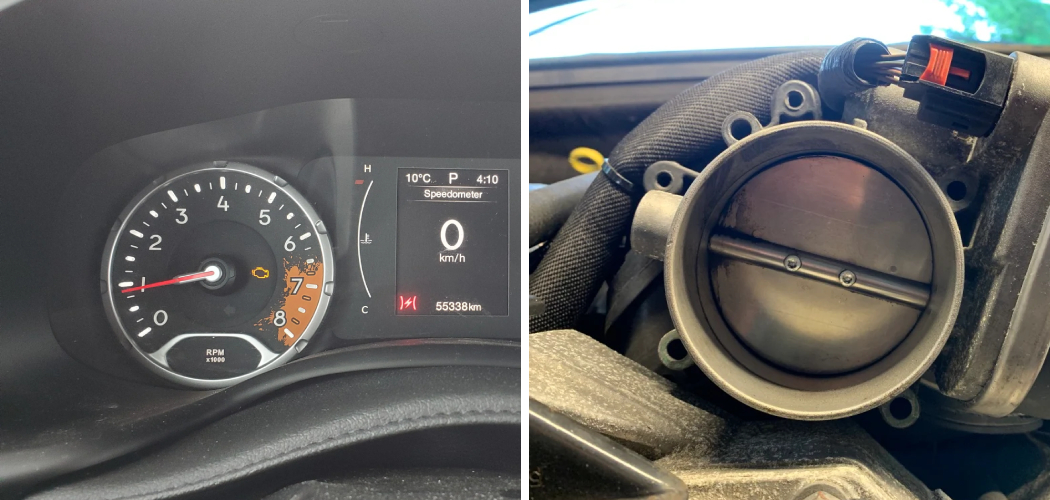
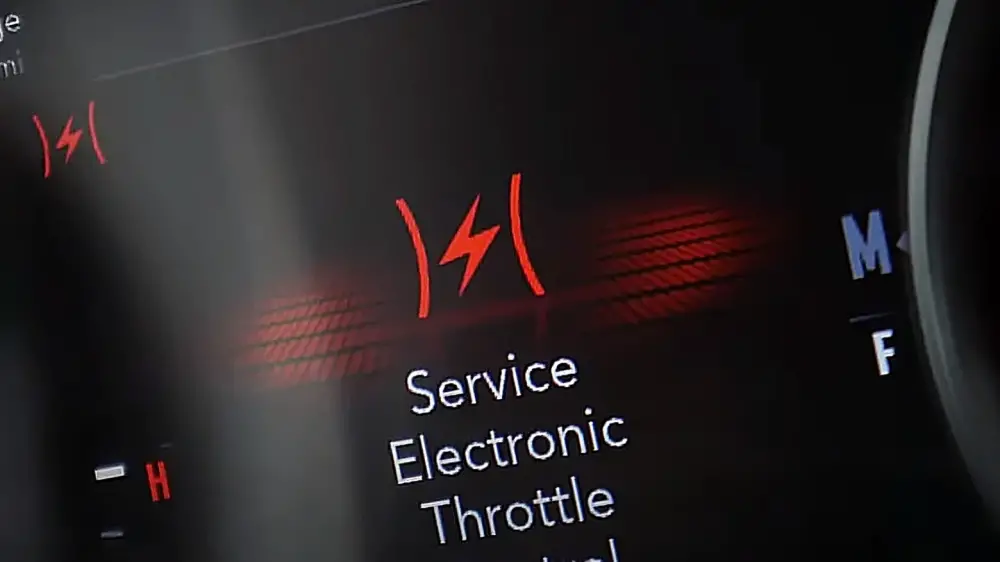
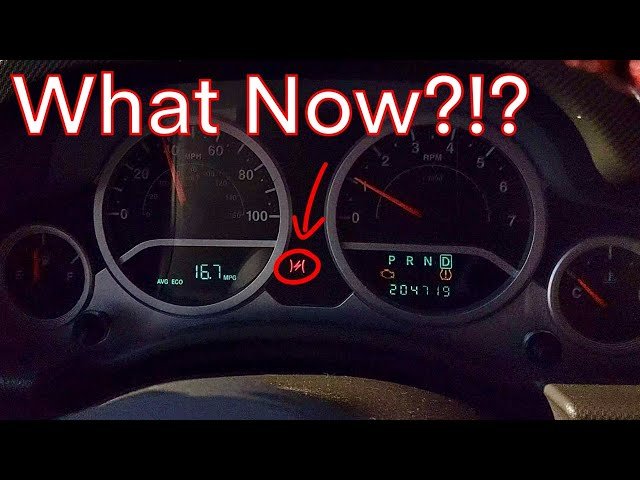
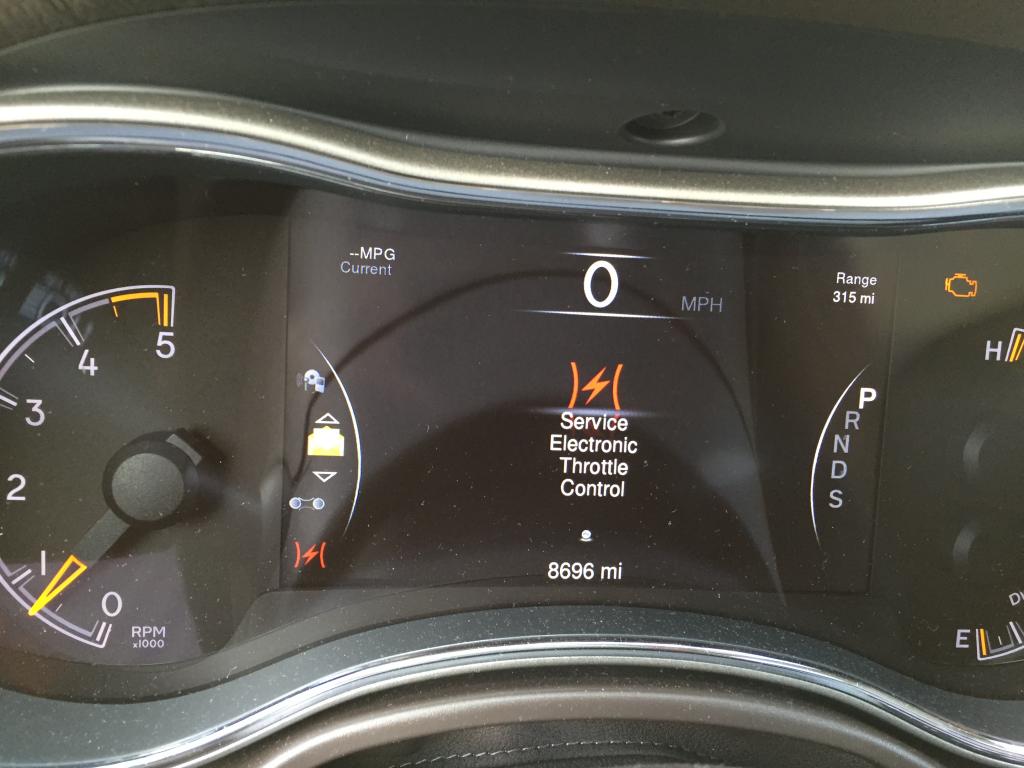
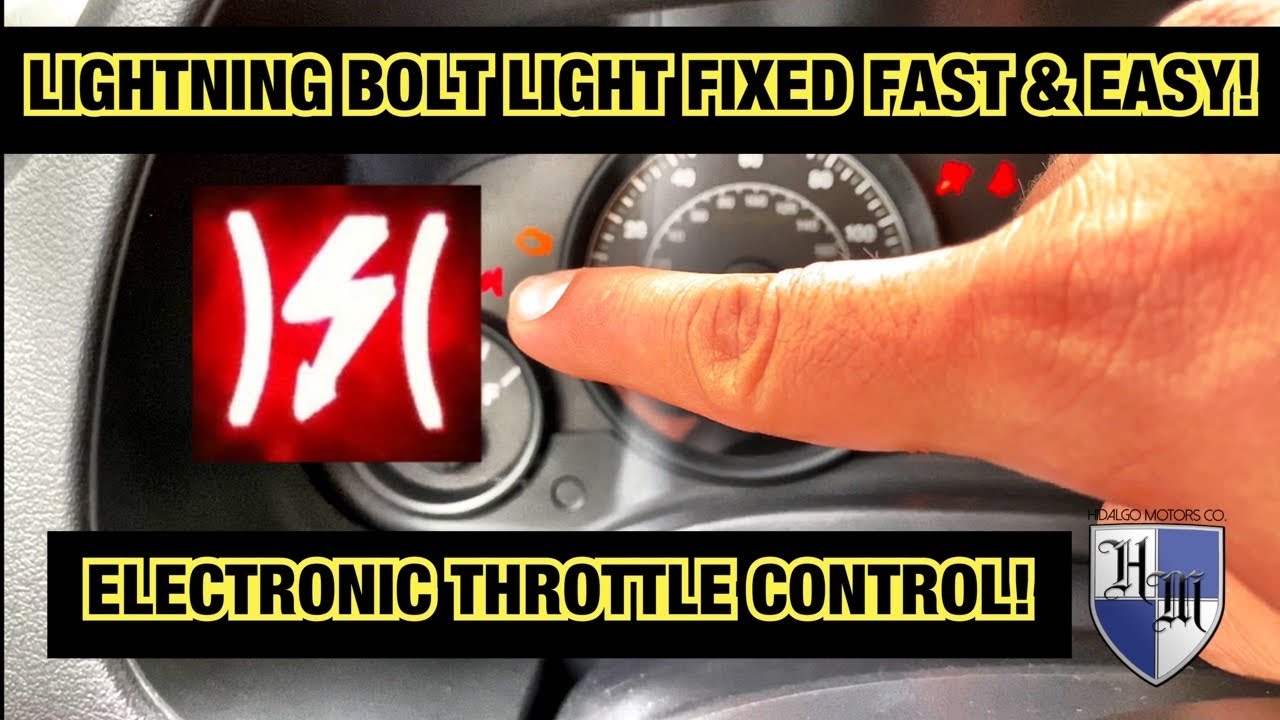
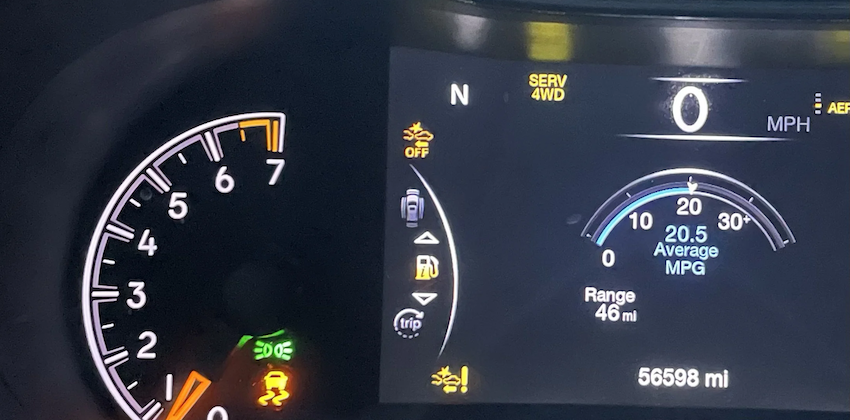
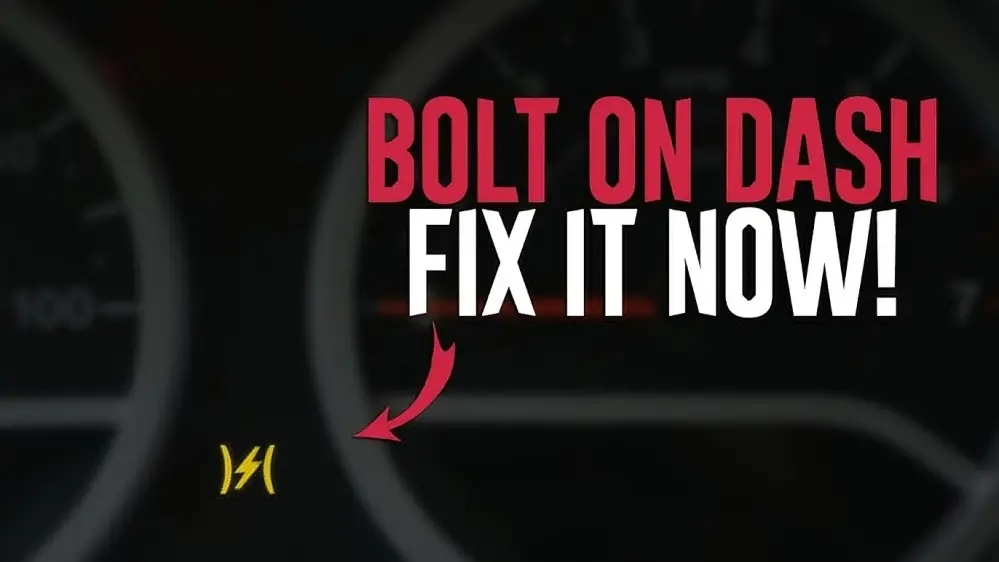
The warning may appear as a red lightning-bolt symbol or as an electronic throttle control message. The Jeep may also enter reduced-power mode, idle roughly, or refuse to respond normally to the accelerator. Some faults are simple, such as low battery voltage or a loose connector. Others involve the throttle valve, pedal sensor, engine wiring, air system, or engine control module.
The safest repair path is: scan first, check power and wiring, inspect the throttle system, repair the confirmed cause, and then clear the codes and perform a road test.
What the Electronic Throttle Control Light Means
The electronic throttle control system manages engine air flow without a direct mechanical cable between the accelerator pedal and the throttle valve. On the 3.0-liter EcoDiesel, the throttle valve supports air management, emissions control, engine shutdown, and coordination with systems such as exhaust gas recirculation.
The system normally includes:
- An accelerator pedal position sensor
- An electronic throttle valve
- One or more throttle position sensors
- An electric throttle motor
- Wiring and electrical connectors
- The powertrain control module, or PCM
- Related air, EGR, and emissions components
When the PCM sees a signal that does not match the expected range, it may turn on the ETC warning light. It may also limit engine torque to protect the vehicle.
Common symptoms
A fault may cause one or more of these symptoms:
- Reduced engine power
- Poor or delayed throttle response
- Rough idle
- Engine stalling
- Difficulty starting
- An engine that will not rev normally
- Cruise control that stops working
- A check engine light at the same time
- A message telling you to service the electronic throttle control
- Limp-home or reduced-power operation
The warning light does not identify one failed part. It identifies a problem in the control system. A stored code and a proper test are needed to find the cause.
Is It Safe to Drive With the ETC Light On?
Drive only far enough to reach a safe place or repair shop if the Jeep has reduced power, poor throttle response, stalling, or an unstable idle. A Grand Cherokee that loses power while merging, crossing traffic, or climbing a hill can create a serious safety risk.
Stop driving and arrange a tow if:
- The accelerator does not respond
- The engine stalls repeatedly
- The Jeep cannot maintain a safe speed
- The engine runs very roughly
- Multiple warning lights appear
- The engine temperature rises
- There is smoke, a burning smell, or visible wiring damage
- The throttle remains stuck or the engine races
If the light appears briefly and the Jeep drives normally, you can usually perform a careful scan soon. Avoid towing, heavy loads, steep grades, and long trips until you know why the light came on.
The ETC light itself does not prove that the engine will fail. The risk comes from the symptoms and from the fault that caused the light.

Step 1: Scan the Jeep Before Replacing Parts
A diagnostic scan is the most useful first step. Use an OBD-II scanner that can read powertrain codes and, when possible, Jeep-specific data from the PCM. A basic code reader may show only generic emissions codes and may miss useful manufacturer data.
Record:
- Stored codes
- Pending codes
- Freeze-frame data
- Engine speed when the fault occurred
- Battery voltage shown by the scan tool
- Throttle position data
- Accelerator pedal position data
- Whether the code returns after clearing
Do not clear the codes before writing them down. Clearing them removes useful freeze-frame information and may make an intermittent problem harder to find.
Codes that may appear
The exact code depends on the model year and fault. Possible code families include:
| Code family or example | What it may indicate |
|---|---|
| P0121 or P0221 | Throttle or pedal position signal outside the expected range |
| P2101 | Throttle actuator motor performance problem |
| P2110 | Forced limited-power mode |
| P2111 | Throttle valve may be stuck open |
| P2112 | Throttle valve may be stuck closed |
| P2135 | Position sensor signal disagreement |
| Manufacturer-specific U-codes | Communication or network problems |
| Low-voltage codes | Battery, charging, ground, or power supply concerns |
These examples are not a diagnosis. Code definitions can vary by calibration and model year. A code for throttle performance does not always mean the throttle body is defective. A damaged wire, poor ground, low voltage, or carbon interference can create the same code.
Step 2: Check the Battery, Charging System, and Grounds
Low voltage can trigger several warning lights at once. Diesel engines place a high demand on the battery during starting, and the EcoDiesel also depends on stable voltage for sensors, actuators, glow-plug operation, and control modules.
Inspect and test:
- Battery terminals for looseness or corrosion
- The negative battery cable
- Engine and chassis ground connections
- Battery condition under load
- Charging-system output
- Main fuses and power feeds for the PCM and throttle system
A visual check is not enough. A battery can show normal voltage at rest and still fail during cranking. Have the battery tested with the correct load or conductance test for its type.
Do not assume that replacing the battery fixes the ETC light. Low voltage may be the cause, but it may also be a result of another electrical fault. After correcting a power problem, scan the vehicle again and confirm whether the original code returns.
A smart charging system can vary its output. For that reason, do not use one fixed voltage number as the only pass-or-fail test. Compare the result with the service information for the specific model year.

Step 3: Inspect the Throttle Valve and Its Connector
The electronic throttle valve is usually mounted in the intake air path. Access differs by year and by the surrounding intake and emissions hardware. Let the engine cool before working near the intake system.
With the ignition off, inspect for:
- A loose electrical connector
- Bent, pushed-back, or corroded terminals
- Oil or water inside the connector
- Chafed wiring near brackets
- Wiring pulled tight against the intake
- Damaged loom or broken insulation
- Heavy soot or residue near the throttle opening
- A throttle valve that binds instead of moving smoothly
Do not force the throttle blade by hand unless the factory service procedure specifically allows it. The motor and gear system can be damaged, and an incorrect position can create a new fault.
Also avoid spraying general-purpose cleaner into the unit. Some electronic throttle assemblies contain position sensors and seals that can be harmed by the wrong solvent. Use only a cleaning method approved for the exact throttle assembly and model year.
If the throttle valve is heavily contaminated, cleaning may help. If the motor, gear set, or position sensor has failed, cleaning will not provide a lasting repair.
Step 4: Check the Accelerator Pedal Sensor
The accelerator pedal does not pull a cable to the throttle valve. It sends electrical position signals to the PCM. The PCM compares those signals and uses them to request engine torque.
Inspect the pedal area for:
- Floor mats or trim blocking pedal movement
- A loose pedal connector
- Damaged wires
- Water intrusion
- A pedal that sticks or does not return freely
- A scan-tool signal that jumps, drops out, or disagrees between sensors
With a suitable scan tool, slowly press the pedal from rest to full travel while watching live data. The readings should change smoothly. A sudden jump, flat spot, dropout, or mismatch can point to a pedal sensor or wiring fault.
Do not test resistance across a modern pedal sensor unless the service manual specifically gives that test. Many sensors use multiple circuits, and applying the wrong test method can damage the component or produce a false result.
Step 5: Test the Wiring and Signal Circuits
If the battery, connectors, and visible parts look good, the next step is circuit testing. This is where many unnecessary throttle-body replacements can be avoided.
A technician should compare the circuit with the wiring diagram for the correct model year. Tests may include:
- Power supply at the throttle connector
- Ground voltage drop under load
- Continuity through each wire
- Short-to-ground testing
- Short-to-power testing
- Signal voltage or data comparison
- Connector terminal tension
- Network communication between the PCM and related modules
A wire can look intact and still fail when the engine moves or when vibration changes the connection. Wiggle testing, voltage-drop testing, and inspection near hot exhaust components can reveal faults that a simple continuity test misses.
Disconnect the battery only when the service procedure permits it. Some Jeeps may lose learned values, radio settings, window functions, or other adaptations after power is removed. Follow the model-specific battery and module precautions.
Step 6: Consider Related EcoDiesel Air and Emissions Problems
The throttle valve on a diesel engine is part of a larger air-management system. A fault in another system can affect the throttle command or make the throttle appear to be the problem.
Related areas may include:
- Exhaust gas recirculation operation
- Intake-air pressure and temperature sensors
- Boost leaks
- Intake carbon deposits
- Air-control valves
- Vacuum or actuator control, where fitted
- Diesel emissions-system faults
- Wiring shared with other sensors or actuators
If the scan shows EGR, boost, intake-air, or communication codes along with the ETC light, diagnose the codes as a group. Do not replace the throttle valve until the related system has been checked.
A diesel engine may also show reduced power during an emissions fault without having a defective throttle motor. The PCM can limit torque because another system is outside its permitted operating range.
Step 7: Repair the Confirmed Fault and Clear the Codes
After testing identifies the cause, make the repair that matches the evidence.
Typical repairs include:
- Repairing damaged wiring
- Cleaning and securing a corroded connector
- Replacing a failed accelerator pedal assembly
- Replacing a defective throttle valve
- Repairing a poor engine or chassis ground
- Replacing a weak battery
- Repairing an air or boost leak
- Updating or reprogramming a control module when a verified service bulletin applies
Use the correct part for the exact VIN and model year. The Grand Cherokee 3.0 EcoDiesel has had different engine, emissions, and control-system configurations across US production years.
After the repair:
- Clear the stored codes with the scan tool.
- Perform any required throttle or idle relearn.
- Start the engine and check for warning lights.
- Confirm that the accelerator responds normally.
- Review live throttle and pedal data.
- Complete a careful road test.
- Rescan the Jeep after the drive.
Some faults return only after the vehicle reaches a certain temperature, load, or speed. A short idle check is not enough to confirm every repair.

When a Throttle Body Replacement Is Justified
Replace the electronic throttle valve only when testing supports an internal failure or when the manufacturer’s diagnostic procedure directs replacement.
Replacement becomes more likely when:
- The motor does not operate with correct power and ground
- The position signal is erratic inside the assembly
- The valve binds mechanically
- The connector and wiring pass testing
- The PCM command and feedback do not agree
- The same fault returns after related problems are ruled out
A throttle-body code alone is not proof that the part has failed. Replacing it without testing can leave the original problem in place and create extra cost.
After installation, some vehicles require an electronic throttle or air-management relearn. The exact process depends on the model year and scan-tool capability. Use the factory service information or a professional scan tool rather than relying on a generic pedal sequence found online.

Quick Troubleshooting Table
Use this table to choose the next check. It is a guide, not a substitute for the diagnostic procedure for your VIN.
| Symptom | More likely areas to check first | Recommended next action |
|---|---|---|
| ETC light with many warning lights after a weak start | Battery, grounds, charging system | Load-test the battery and scan all modules |
| Light with reduced power but no rough running | Throttle valve, pedal sensor, wiring | Read codes and compare live data |
| Light appears after rain or engine washing | Connector or harness moisture | Inspect connectors and wiring for water |
| Rough idle plus EGR or air codes | EGR, intake, boost, throttle air management | Diagnose all related codes together |
| Accelerator signal jumps on live data | Pedal sensor or pedal wiring | Test the pedal circuit before replacing the throttle |
| Code returns immediately after clearing | Active electrical or mechanical fault | Stop clearing codes and perform circuit tests |
| Light goes away after a restart but returns later | Intermittent wire, connector, heat-related fault | Use freeze-frame data and wiggle or heat-load testing |
The key decision is whether the fault is electrical, mechanical, or a related air/emissions problem. The scan data helps separate those paths.
Common Mistakes to Avoid
Replacing the throttle body first
A low battery, damaged wire, or pedal sensor can set a throttle-related code. Parts replacement without testing is often expensive and inconclusive.
Clearing the code without recording it
The original code and freeze-frame data can show whether the fault occurred during starting, acceleration, or a high-temperature condition.
Ignoring other warning lights
The ETC light may be a secondary symptom. EGR, boost, communication, charging, or emissions faults can all change engine torque control.
Using the wrong scanner
A basic reader may not access all Jeep modules or display the data needed for a diesel throttle diagnosis.
Forcing the throttle blade
The electronic motor and position sensors are not designed for careless manual movement. Follow the service procedure.
Assuming a restart fixed the problem
A restart may temporarily restore normal operation while the fault remains stored. If the light returns, the issue is still present.
When to Use a Jeep Dealer or Diesel Specialist
Professional help is the better choice when the Jeep has no throttle response, repeated stalling, multiple module codes, suspected network faults, or a problem that returns after basic checks.
A dealer or qualified diesel technician may have access to:
- Jeep factory scan functions
- VIN-specific wiring diagrams
- Technical service bulletins
- Software updates
- Module configuration procedures
- Bidirectional actuator tests
- Manufacturer relearn routines
- Detailed emissions-system test procedures
Ask for the diagnostic codes and test results before approving parts. A useful repair estimate should identify the failed circuit or component, not only repeat the warning message.
For US vehicles, check the VIN with the official Jeep recall and customer-care resources before paying for a repair. A recall or emissions-related service campaign may change the correct repair path.
Frequently Asked Questions
Can I reset the ETC light by disconnecting the battery?
Disconnecting the battery may clear some temporary codes, but it does not repair the cause. It can also erase useful diagnostic information and reset learned settings. Scan the Jeep first, repair the fault, and clear the code with the proper tool.
Why does the ETC light come on with the check engine light?
The PCM often turns on both lights when it detects a throttle, pedal, air-management, electrical, or emissions problem. Read all stored and pending codes. Do not diagnose the ETC light from the dashboard symbol alone.
Can a dirty throttle body cause the light on a 3.0 EcoDiesel?
Heavy deposits can interfere with throttle movement or air control, but dirt is only one possible cause. Check the connector, wiring, motor operation, position feedback, and related EGR or intake faults before cleaning or replacing the unit.
Does the 3.0 EcoDiesel have a normal gas-engine throttle cable?
No. The accelerator pedal sends electronic signals to the control system. The PCM then commands the throttle valve and other systems. That is why a pedal sensor, wiring fault, or software issue can produce throttle-control symptoms.
How much does it cost to fix the ETC light?
The cost depends on the cause. A loose connector or ground may require little labor, while a throttle assembly, pedal sensor, wiring repair, or module procedure can cost much more. Get the diagnostic result before accepting a parts estimate.
Final Recommendation
To fix the electronic throttle control light on a US-spec Jeep Grand Cherokee 3.0 EcoDiesel, begin with a full diagnostic scan. Then test the battery and grounds, inspect the throttle and pedal connectors, review live data, and check wiring before replacing parts.
If the Jeep has severe power loss, stalling, or no accelerator response, do not continue driving it. Have it towed to a qualified Jeep or diesel technician. A confirmed diagnosis is safer and usually less costly than guessing with a throttle-body replacement.
Sources and Service Information
Use the following evidence in the correct order for a repair:
- The Jeep owner’s manual for the exact model year
- The factory service manual for the vehicle identification number
- Jeep technical service bulletins and recall information
- The official US EPA emissions and OBD information applicable to the vehicle
- A scan tool capable of reading the Jeep’s relevant control modules
- Battery, wiring, and component test specifications for the specific engine and year
Generic code descriptions can help explain a fault, but the factory procedure remains the controlling source for connector pinouts, test limits, relearns, and replacement steps.