
What Are The Rules For Ducking A Jeep And Duck Tags: Guide
 Reading Time: 11 minutes
Ducking a Jeep is a friendly U.S. tradition in which someone leaves a small rubber duck, often with a short note, on another Jeep. There are no official Jeep rules, registration requirements, or legal ducking standards. The custom depends on simple courtesy: duck only suitable vehicles, place the duck where it is easy to see and remove, do not touch or enter the Jeep, and keep the message kind.
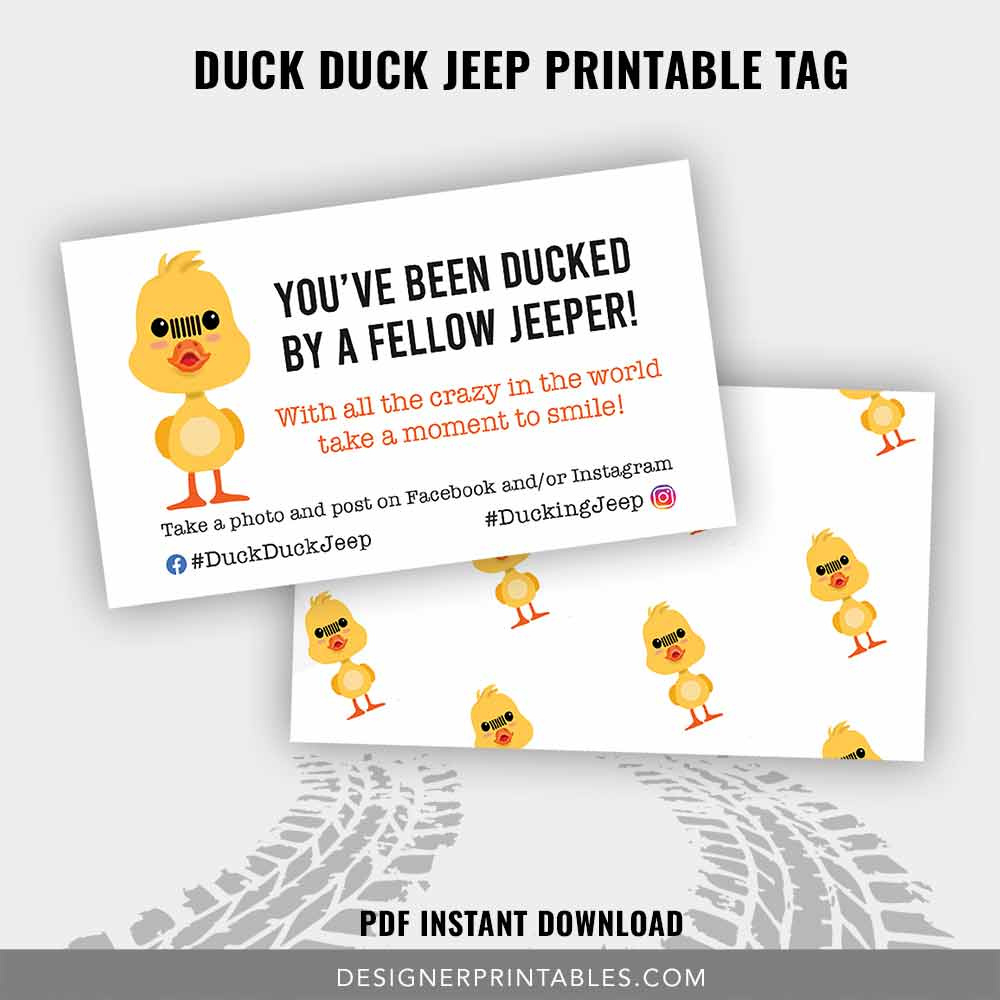
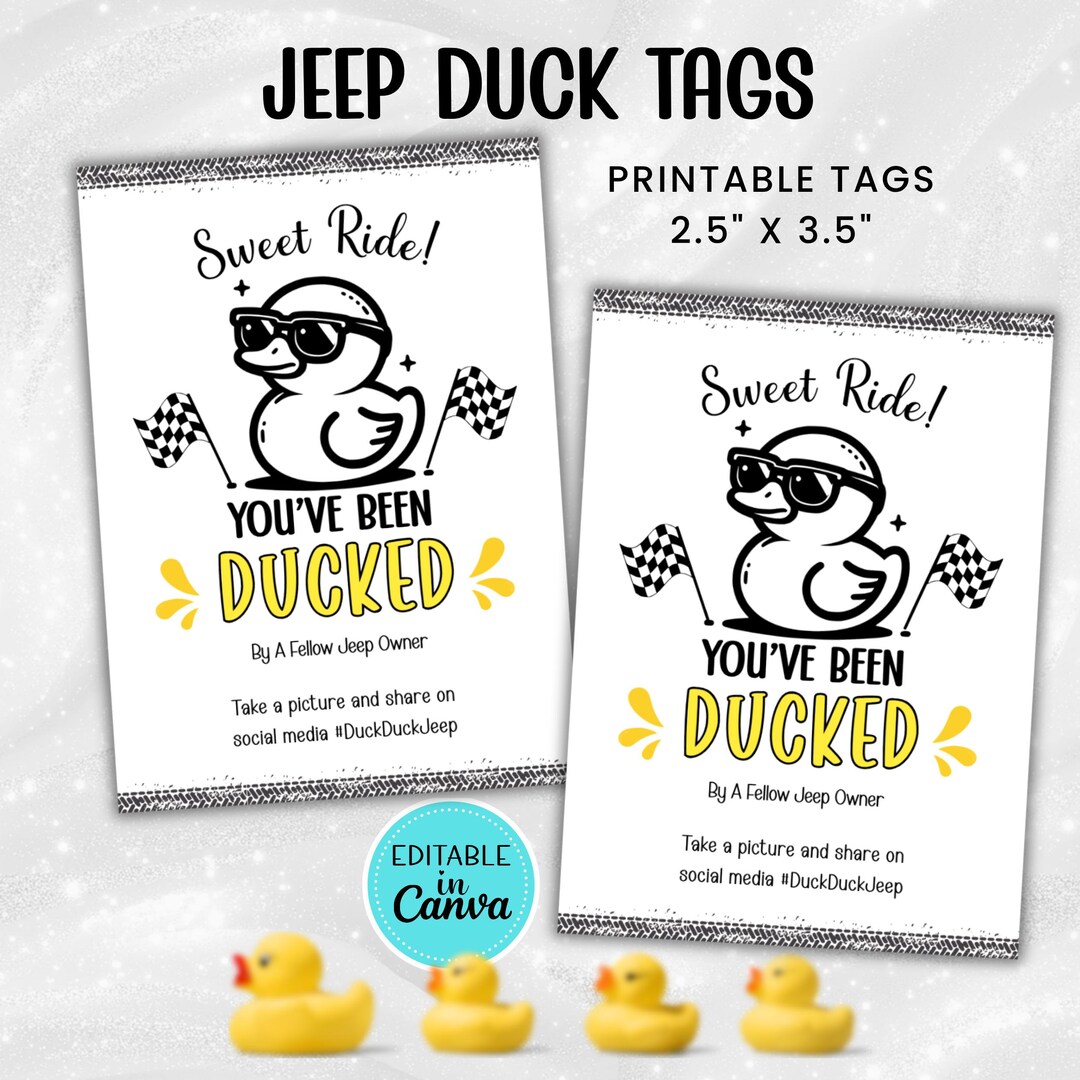
A duck tag usually explains the tradition and identifies the person or group that left the duck. It may say something like, “You’ve been ducked! Please keep this duck or pass it to another Jeep.”
What Does “Ducking a Jeep” Mean?
Ducking a Jeep means placing a rubber duck on a parked Jeep as a positive surprise. The recipient may keep the duck, display it on the dashboard, or move it to another Jeep.
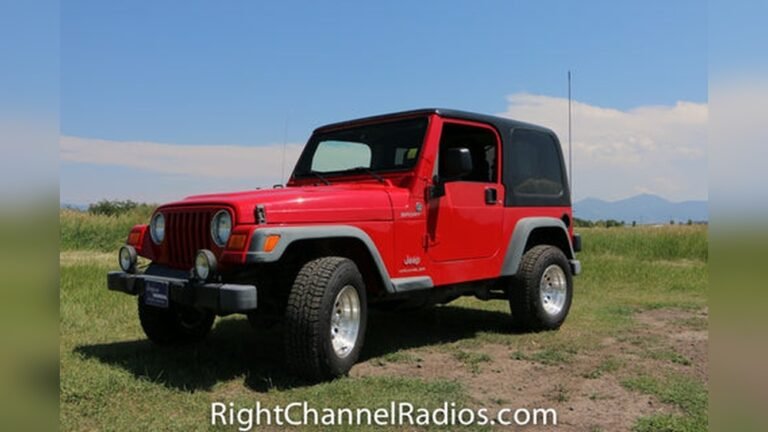
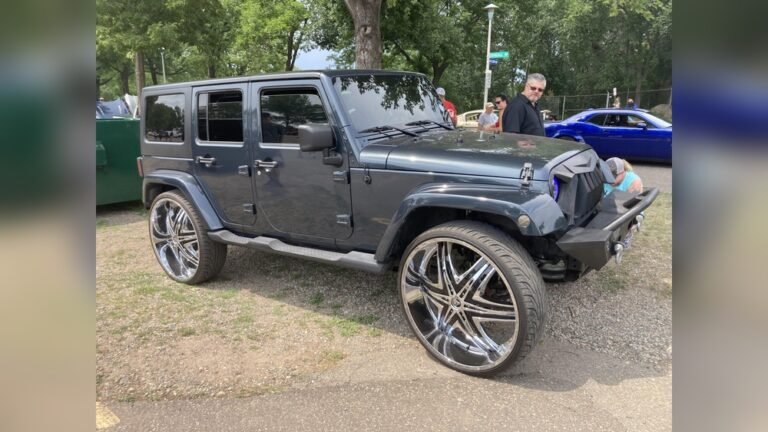
The tradition is most closely linked with Jeep Wranglers and Jeep Gladiators, but owners may also duck other Jeep models. Some Jeep owners use the phrase “Jeep ducking” for the whole activity, while others simply say they “got ducked.”
The custom became widely known in the United States during the early 2020s. It is commonly associated with Allison Parliament, who reportedly started leaving rubber ducks on Jeeps in Alabama. The idea spread through social media and Jeep owner groups.
This is a community custom, not a Jeep corporate program. A duck does not show that the recipient belongs to an official club, has earned a status, or must follow a formal chain of ownership.
The Unwritten Rules for Ducking a Jeep
The basic rules are simple: be respectful, use a safe location, and do not create a problem for the Jeep owner.
1. Duck a parked Jeep
Only place a duck on a Jeep that is legally parked or safely stopped. Never approach a Jeep in traffic or try to place a duck on a moving vehicle.
A parking lot, driveway, trailhead parking area, or workplace lot may be suitable. Use care in crowded areas. Do not stand in a traffic lane or walk between moving cars.
2. Place the duck where the owner can see it
A visible spot is best. Common choices include:
- The door handle
- The base of the windshield
- A side mirror
- The front bumper
- A spare-tire cover
- A roof rack, if the duck is stable
The duck should not block the driver’s view. Do not place it on the windshield, in front of a camera, over a sensor, or where it can fall into traffic.
3. Do not enter or handle the Jeep
Ducking is a gift, not permission to inspect the vehicle. Do not open a door, reach inside, move personal items, touch controls, or climb onto the Jeep.
Avoid touching the hood or other hot parts. A rubber duck can soften or stick when exposed to strong heat. A safe, easy-to-remove location is better than a dramatic one.
4. Use a clean and harmless duck
A small, clean rubber duck is the usual choice. Avoid ducks with:
- Sharp parts
- Loose glitter
- Wet paint
- Strong adhesives
– Excess oil or residue - Small parts that could become a hazard
Do not glue, tape, or permanently attach the duck to the Jeep. The owner should be able to remove it in seconds.
5. Keep the message friendly
A duck tag should spread goodwill. It should not include insults, threats, political messages, adult content, or personal comments about the owner.
Do not write on the Jeep itself. If you want to add a message, write it on a card or attach it loosely to the duck.
6. Respect “no duck” requests
Some Jeep owners enjoy the tradition. Others do not want decorations on their vehicle. If a Jeep has a “no ducking” sign or a similar request, leave it alone.
Respect is more important than following the trend. A person’s choice not to participate is part of the custom’s informal rules.
7. Duck the vehicle, not the person
You do not need to meet the Jeep owner. In fact, most ducking happens when the owner is away.
Do not wait near the Jeep, follow the owner, or ask for personal information. Leave the duck and move on.
8. Avoid blocking important vehicle parts
Never cover or interfere with:
- License plates
- Turn signals
- Headlights
- Backup cameras
- Parking sensors
- Door locks
- Windshield wipers
- Emergency equipment
A duck should be decorative only. It should never affect safe vehicle operation.

What Is a Duck Tag?
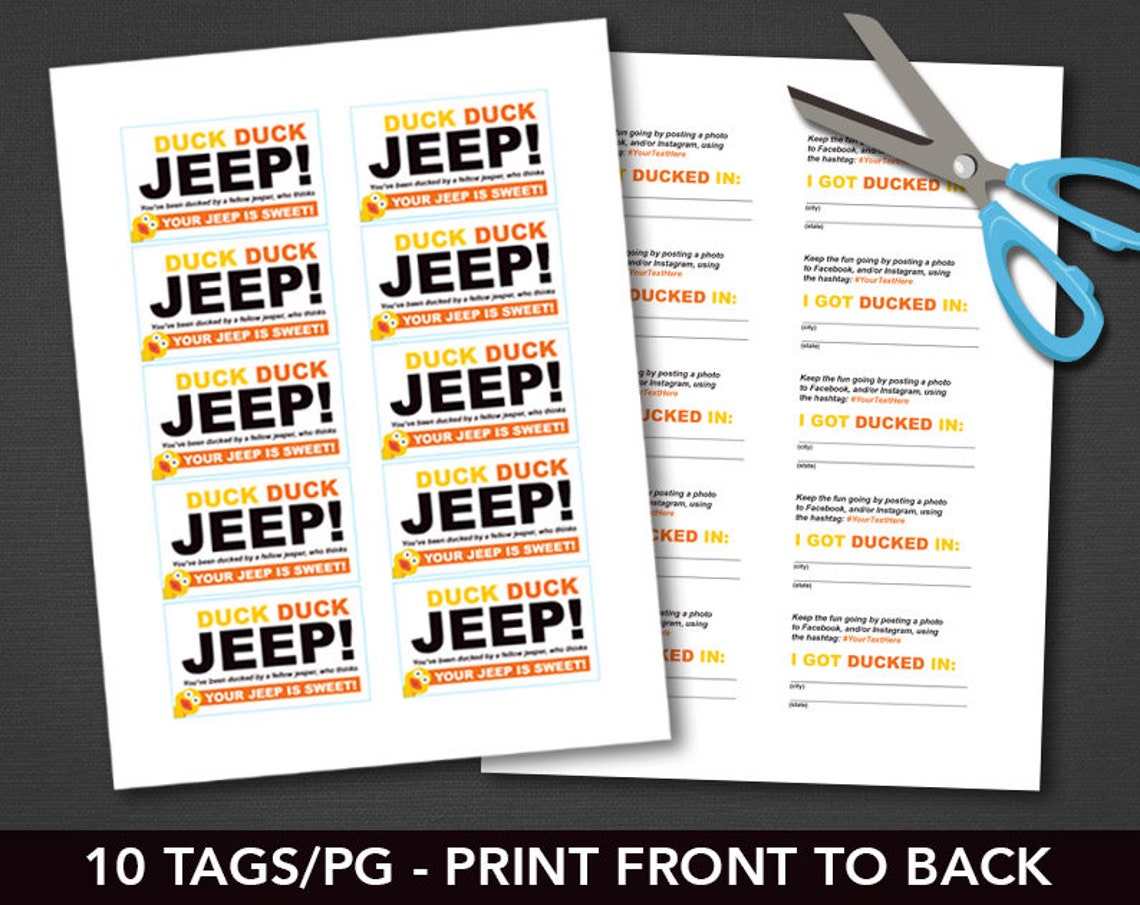
A duck tag is a small card, label, or note that explains why a rubber duck was left on a Jeep. It may include a short greeting, a social media handle, or an invitation to continue the tradition.
A duck tag is optional. The rubber duck alone can communicate the idea, but a tag helps a first-time recipient understand what happened.
A useful tag normally includes four details:
- A friendly greeting
- A short explanation of Jeep ducking
- A suggestion to keep or re-duck the duck
- The sender’s name, group name, or social handle, if desired
Do not include private information such as a home address, phone number, or personal account details unless you knowingly want to share them.
Simple duck tag example
You’ve been ducked!
A small Jeep community surprise.
Keep this duck or pass it to another Jeep.
Have a great day!
Short duck tag example
You’ve been ducked!
Enjoy the ride.
#DuckDuckJeep
Group or club tag example
You’ve been ducked by the [Club Name] group.
Please keep the duck or share it with another Jeep owner.
Safe travels!
The wording does not need to be clever. Clear and kind is enough.
How to Duck a Jeep the Right Way
Follow this process when you want to duck a Jeep in the United States.
Step 1: Choose an appropriate Jeep
Look for a parked Jeep in a place where leaving a small item is unlikely to cause confusion. A Jeep Wrangler or Gladiator is the most traditional choice, but local groups may include other Jeep models.
Do not duck a vehicle that is moving, parked in a restricted area, or surrounded by signs that prohibit contact with vehicles.
Step 2: Check the area first
Look for traffic, security staff, private-property rules, and nearby hazards. In a store parking lot, for example, keep out of driving lanes and do not block other vehicles.
If the location has strict rules about leaving items on cars, skip that Jeep. The custom is never more important than the property owner’s rules.
Step 3: Prepare the duck and tag
Use a clean duck that is small enough to sit securely. Attach the tag with a loose string or place the tag beside the duck.
Avoid metal clips, strong tape, pins, and anything that could scratch paint or leave residue.
Step 4: Place it in a safe, visible spot
Set the duck on a stable area that does not block the windshield, lights, plate, sensors, or doors. The side mirror, door handle, or spare-tire area may work, depending on the vehicle.
If the duck could fall when the Jeep starts, choose another location. Wind and slopes can turn a harmless gift into a road hazard.
Step 5: Leave without disturbing the vehicle
Do not take photos that reveal the owner, license plate, or location unless you have permission. Do not post the Jeep online in a way that identifies the owner.
The best ducking moment is brief, private, and easy for the recipient to understand.
Step 6: Decide whether to re-duck
If you receive a duck, you can:
- Keep it
- Display it in your Jeep or home
- Give it to a friend
- Place it on another Jeep
- Reuse the tag if it remains clean
- Recycle or discard it if it is damaged
You are not required to continue the chain. Keeping the duck is a valid response.

Where Should You Put a Duck on a Jeep?
The best location depends on the Jeep’s design, weather, and parking conditions. The goal is a place that is visible but does not create a safety or damage risk.
| Location | Main benefit | Main concern |
|---|---|---|
| Door handle | Easy for the owner to notice | It may fall when the door opens |
| Side mirror | Highly visible | Wind can blow it away |
| Spare-tire cover | Often stable and visible | It may be missed from the front |
| Front bumper | Easy to see while approaching | Avoid lights, sensors, and plate areas |
| Base of windshield | Very visible | Never block the driver’s view |
| Roof rack | Can be stable | The owner may not see it before driving |
A duck should not be placed on the road, under a tire, inside the cabin, on the windshield itself, or anywhere it could interfere with driving.
In rain, snow, or strong wind, choose a protected spot or do not duck the Jeep. A wet paper tag can blow away, and a loose duck can become litter.
Is Jeep Ducking Legal?
Jeep ducking is generally a harmless act when it involves a parked vehicle, a removable object, and no damage or interference. However, the custom does not override local laws or property rules.
Potential problems can arise if someone:
- Trespasses to reach a Jeep
- Blocks a roadway or sidewalk
- Damages paint or trim
- Covers a license plate or light
- Places an object where it creates a traffic hazard
- Enters the Jeep
- Leaves a suspicious package
- Ignores a private-property rule
A rubber duck left in a public parking lot is not automatically illegal, but the exact situation matters. Private lots, apartment communities, military facilities, airports, and government sites may have stricter policies.
If a security officer, property owner, or Jeep owner asks you to stop, comply. Do not argue that ducking is a tradition. Local rules and the owner’s rights come first.
Common Mistakes to Avoid
Most problems come from treating ducking like a prank instead of a small gift.
Do not use permanent decorations
Avoid stickers, paint, magnets that may affect sensitive areas, glue, and tape. The owner may have a custom finish or a carefully maintained paint surface.
Do not leave food or liquid
Food can attract pests. Liquid can spill into vents or leave stains. A clean, dry duck is safer.
Do not use offensive tags
A message that seems funny to one person may feel invasive or hostile to another. Keep the note short and positive.
Do not assume every Jeep owner wants a duck
Many owners enjoy ducking, but participation is voluntary. A visible “no duck” notice should end the decision.
Do not place ducks where they can fly away
A duck that falls into a street, storm drain, or neighboring vehicle creates a needless hazard. Secure placement matters more than visibility.
Do not confuse ducking with vandalism
Ducking should leave no mark and require no repair. If the owner must clean, repair, or search the vehicle because of the act, the custom has been done poorly.

What Should You Do If Someone Ducks Your Jeep?
If you find a rubber duck on your Jeep, check that it has not blocked a light, sensor, plate, or part of your view before driving away.
Then you can keep it, display it, or pass it to another Jeep. If the duck or tag is dirty, damaged, or unwanted, dispose of it. You do not need to post a photo or join a social media group.
If the duck was placed inside your Jeep, attached with adhesive, or left in a way that caused damage, document the problem and contact the property owner or authorities if necessary. That behavior is outside the normal spirit of Jeep ducking.
Key Takeaways
- Jeep ducking is an informal U.S. tradition, not an official Jeep program.
- The usual gift is a small rubber duck placed on a parked Jeep.
- Duck tags explain the tradition and may invite the owner to keep or pass on the duck.
- Never enter, open, damage, or interfere with a Jeep.
- Keep ducks away from windshields, plates, lights, cameras, sensors, and traffic lanes.
- Respect “no ducking” requests and private-property rules.
- A safe, clean, removable gift is the right standard.
Frequently Asked Questions
Is ducking only for Jeep Wranglers?
No. Wranglers are the most common targets, but many participants duck Jeep Gladiators and other Jeep models. Local groups may set their own preferences. The custom has no universal vehicle rule.
Do you have to re-duck another Jeep?
No. Re-ducking is optional. You can keep the duck, display it, give it to a friend, or stop participating.
Can you duck a Jeep that is inside someone’s driveway?
Only if you can do so without trespassing and without violating the owner’s wishes. A private driveway is not an invitation to enter private property. When in doubt, do not approach the Jeep.
Should the duck tag include a social media hashtag?
It can, but it does not have to. A hashtag may help people find local Jeep groups, while a simple note keeps the gesture private. Never pressure the recipient to post a photo or share personal information.
Can you leave a duck on a Jeep in bad weather?
It is better to wait or use a sheltered, stable location. Wind can send the duck into traffic, and rain can destroy the tag. Safety and cleanliness matter more than completing the gesture immediately.
What is the difference between Jeep ducking and a Jeep wave?
Jeep ducking involves leaving a rubber duck on a parked Jeep. A Jeep wave is a brief greeting exchanged between Jeep drivers. Both are informal traditions, but they are separate customs.
Conclusion
The rules for ducking a Jeep are based on courtesy rather than official policy. Use a clean rubber duck, add a friendly duck tag if helpful, place it safely on a parked Jeep, and leave without touching the vehicle or invading the owner’s privacy.
The simple test is this: would the owner see the duck as a harmless gift that is easy to remove? If the answer is yes, you are following the spirit of Jeep ducking.