Jeep TJ Sway Bar Disconnect: Boost Off-Road Performance Fast
 Reading Time: 8 minutes
 Jeep Tj Sway Bar Disconnect: A Beginner-friendly Guide
If you love taking your Jeep TJ off-road, you’ve probably heard about “sway bar disconnects.” Maybe you’ve seen Jeeps on the trail flexing their wheels over rocks and wondered why your own Jeep doesn’t move the same way. The answer often comes down to one simple upgrade: the sway bar disconnect. This small change can make a big difference in how your Jeep TJ handles uneven terrain, giving you more freedom and fun when off-roading. Let’s break down what sway bar disconnects are, why they matter, and how to use them—even if you’re new to Jeeps and 4×4 adventures.
What Is A Sway Bar Disconnect?
The sway bar is a metal bar that connects the left and right wheels on your Jeep’s front axle. It helps keep your Jeep stable when you drive on the road by reducing body roll during turns. But on rough trails, the sway bar can limit how much your wheels move up and down—this is called “articulation.”
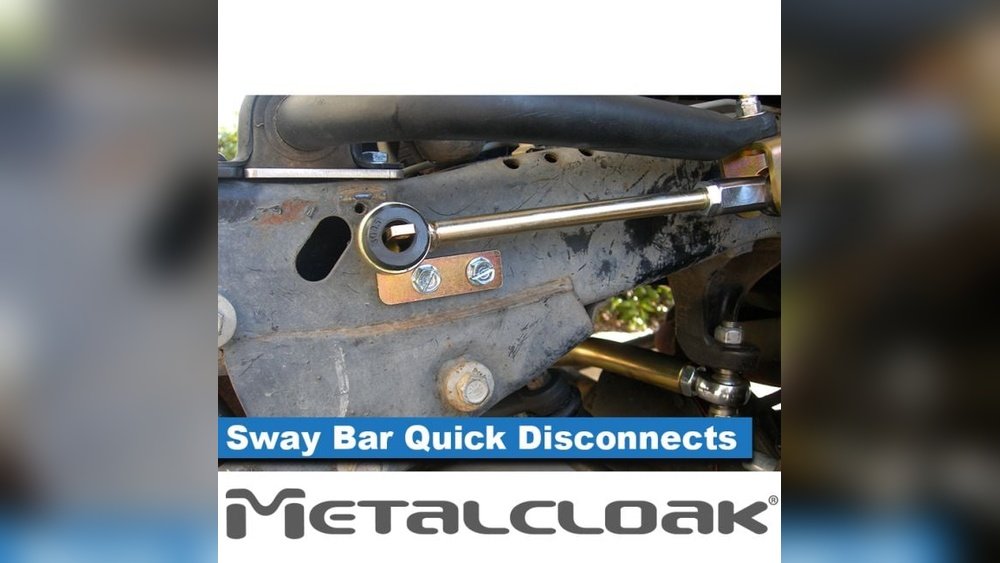
A sway bar disconnect is a device or simple pin that allows you to quickly detach (or “disconnect”) the sway bar ends from your axle. When disconnected, your Jeep’s suspension can move more freely. This means your tires can stay in better contact with the ground, improving traction and comfort off-road.
Key points:
- On-road: Sway bar connected = more stability and control.
- Off-road: Sway bar disconnected = more wheel movement and better grip.
Why Disconnect The Sway Bar On A Jeep Tj?
Many Jeep TJ owners disconnect their sway bar for off-roading because it allows the suspension to “flex” more. Let’s see why this matters:
More Traction On Trails
When the sway bar is connected, one wheel going up a rock forces the other wheel to stay closer to the ground. This limits how much your suspension can move. Disconnecting the sway bar allows each wheel to move up or down as needed.
Benefits:
- Better grip: Tires stay on the ground longer, even on uneven surfaces.
- Smoother ride: Your Jeep feels less “tippy” and more stable on rough sections.
- Easier obstacle crossing: It’s simpler to climb rocks, logs, or deep ruts.
Example: Stock Vs. Disconnected
Imagine you’re driving over a large rock with one front tire. If the sway bar is connected, your Jeep might lift a rear tire off the ground. If you disconnect, the suspension flexes, and all four tires stay planted, giving you more control.

Credit: www.apexdesignsusa.com
Types Of Sway Bar Disconnects For Jeep Tj
There are several ways to disconnect the sway bar, ranging from simple pins to advanced quick-release kits. Here’s a look at the most common options:
| Type | Ease of Use | Cost | Best For |
|---|---|---|---|
| Manual Pin | Basic, takes a few minutes | Low | Budget-friendly users |
| Quick Disconnect Links | Very fast, tool-free | Medium | Frequent off-roaders |
| Electronic Disconnect | Push-button inside Jeep | High | Convenience seekers |
Manual Pin Disconnects
This is the simplest and cheapest method. You remove a bolt or pin at the end of the sway bar link before hitting the trail. It takes a few minutes and sometimes requires basic tools.
Quick Disconnect Links
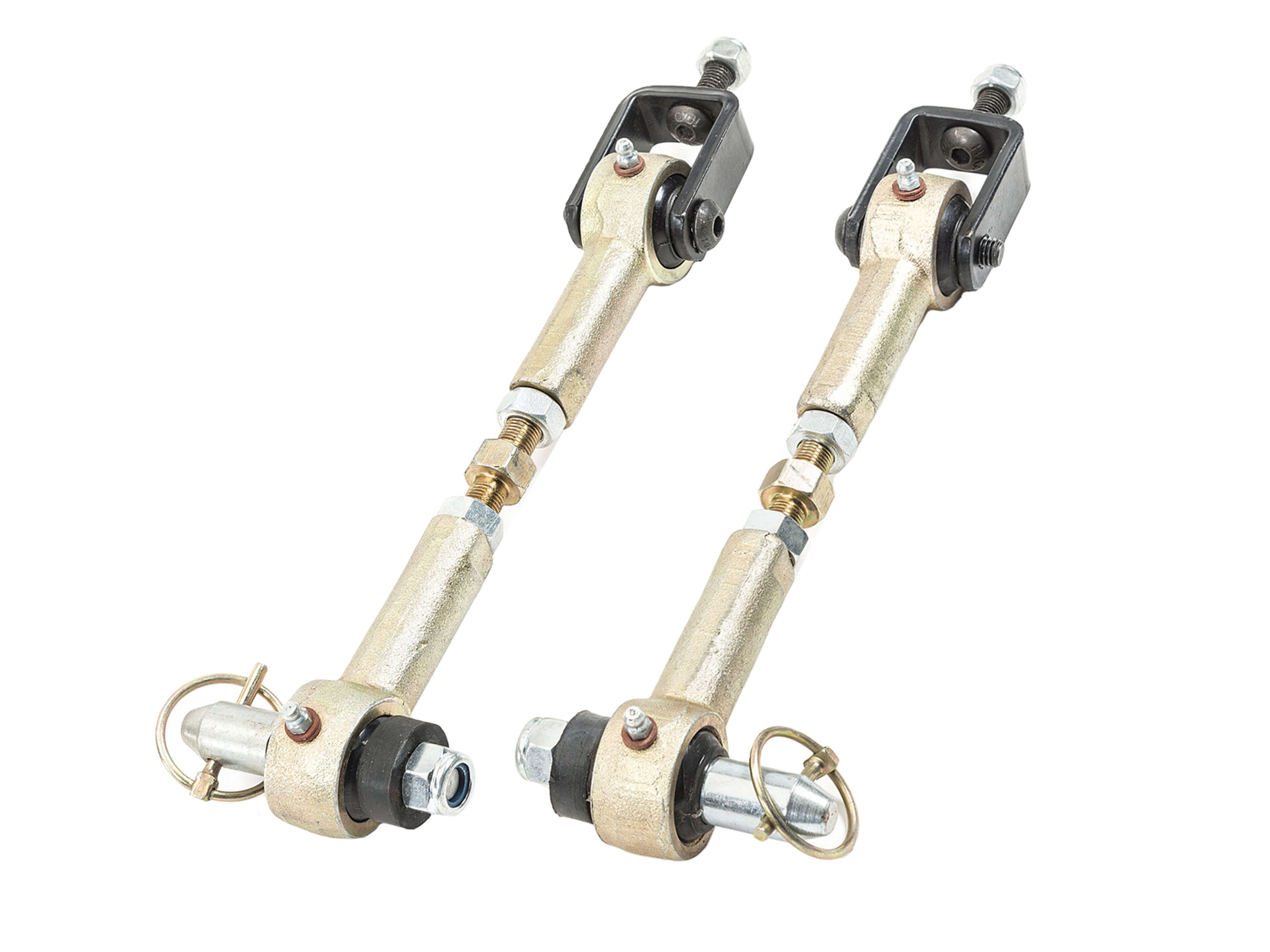
These are specially designed links with pins or clips. You can pull the pin and swing the sway bar out of the way in seconds. Most off-roaders prefer this method because it’s quick and easy, even with muddy hands.
Electronic Sway Bar Disconnects
Some newer Jeeps have electronic systems that disconnect the sway bar with a button. For Jeep TJs, this is rare and usually requires custom work. It’s the fastest, but also most expensive and complex.
Tip: For most Jeep TJ owners, quick disconnect links are the best balance of price, ease, and reliability.
How To Use Sway Bar Disconnects On Your Jeep Tj
If you’re new to off-roading, using sway bar disconnects can seem confusing. Here’s a simple step-by-step guide:
- Find a flat spot: Always disconnect or reconnect your sway bar on flat ground for safety and ease.
- Secure your Jeep: Put the transmission in park and set the parking brake.
- Remove the pin or clip: For quick disconnects, pull the retaining pin. For manual types, use the right tool to remove the bolt.
- Move the sway bar aside: Most quick disconnect kits let you swing the sway bar up and secure it with a strap or hook.
- Check for clearance: Make sure nothing will hit or drag on the ground during your trail ride.
- Reconnect before going home: Always reconnect the sway bar before driving on public roads. This keeps your Jeep stable and safe at higher speeds.
Common Beginner Mistakes
- Forgetting to reconnect: Driving on the road without the sway bar can be dangerous, especially at highway speeds.
- Losing pins or parts: Keep spare pins or clips in your glove box or tool kit.
- Disconnecting on uneven ground: The links may be hard to remove or reinstall if your suspension is twisted.
Real-world Performance: How Much Does It Help?
Disconnecting the sway bar on a Jeep TJ can dramatically improve off-road performance. Some studies and off-road groups have measured the change in “articulation” using a value called RTI (Ramp Travel Index).
Example:
- Stock Jeep TJ RTI: About 500-650 (with sway bar connected)
- With disconnects: 700-850 or more (can be 30%+ improvement)
This means your Jeep can climb higher obstacles without losing traction. You’ll notice the difference on rocky trails, deep ruts, and steep hills.
Choosing The Best Sway Bar Disconnect For Your Needs
Not all disconnects are the same. Here’s what to consider when buying:
| Feature | Why It Matters | What to Look For |
|---|---|---|
| Ease of Use | Fast disconnecting means less time on the trail | Quick-release pins, no tools needed |
| Durability | Parts see mud, water, and impacts | Stainless steel, sealed joints |
| Adjustability | Works with different lift kits or tire sizes | Adjustable length links |
| Replacement Parts | Lost or broken pins can end your day | Kits with extra hardware |
Non-obvious insights:
- Grease fittings on disconnect links make them last longer and prevent squeaks.
- Some brands include a retaining bracket to hold the sway bar up and out of the way—this avoids damage and noise on the trail.
Installation: What To Expect
Most sway bar disconnect kits can be installed at home with basic hand tools. The process usually takes about 30-60 minutes, even for beginners.
General steps:
- Remove stock sway bar links: Use a wrench or socket set.
- Install new disconnect links: Follow the instructions provided; usually, you bolt them in place.
- Adjust for fit: If the links are adjustable, set them to the correct length for your lift height.
- Test on flat ground: Make sure they disconnect and reconnect easily.
Tip: Spray bolts with penetrating oil before starting—older Jeeps can have rusted hardware.
Maintenance Tips For Sway Bar Disconnects
Keeping your sway bar disconnects in good shape is simple but important:
- Clean after each off-road trip: Mud and sand can cause wear.
- Check for looseness: Tighten any bolts or pins before every trip.
- Lubricate moving parts: Use silicone spray or grease.
- Replace worn bushings: If you hear clunks or squeaks, inspect the parts.
Proper maintenance means your disconnects will work smoothly and last for years.

Credit: www.youtube.com
Legal And Safety Considerations
Disconnecting your sway bar is great for off-road use but can be dangerous on paved roads. When the sway bar is not connected:
- Cornering stability is reduced: The Jeep may lean more in turns.
- Steering may feel “loose”: Especially at higher speeds.
- Insurance or inspection issues: Some states require sway bars for vehicle inspections.
Always reconnect your sway bar before driving on public roads. It’s not just safer—it can also help you avoid tickets or failed inspections.
Cost Vs. Benefit: Is It Worth It?
A good set of quick disconnects for a Jeep TJ usually costs between $50 and $150. For most owners, the benefits are well worth the price:
Pros:
- Major increase in off-road ability
- Simple installation and use
- Better comfort and control on trails
Cons:
- Need to remember to reconnect
- Slightly more maintenance
If you plan to take your Jeep TJ off-road even a few times a year, sway bar disconnects are one of the best upgrades you can make.
Credit: www.rustysoffroad.com
Advanced Tips For Better Off-roading
- Combine with other suspension upgrades: Disconnects work even better with taller springs or high-flex shocks.
- Practice using them: Try disconnecting and reconnecting at home before your first trail ride.
- Mark your links: Paint a line on the link and sway bar so you can easily line them up when reconnecting.
- Bring spare hardware: Off-road trails can be rough on parts.
If you want to see sway bar disconnects in action, check out this guide to Jeep TJ sway bar disconnects from a trusted source.
Frequently Asked Questions
What Does A Sway Bar Disconnect Do For My Jeep Tj?
A sway bar disconnect lets your Jeep’s front wheels move more independently when off-roading. This increases traction and makes it easier to cross obstacles, improving your Jeep’s performance and comfort on rough terrain.
Can I Drive On The Road With My Sway Bar Disconnected?
No, it’s not safe. Your Jeep TJ will lean more in turns and feel less stable. Always reconnect the sway bar before driving on streets or highways.
Are Sway Bar Disconnects Hard To Install?
Most quick disconnect kits are beginner-friendly and use simple hand tools. Installation usually takes under an hour. Read the instructions and double-check all bolts for safety.
Do I Need Sway Bar Disconnects If I Only Drive On Mild Trails?
If your trails are smooth and flat, you might not need them. But for rocky, uneven, or muddy trails, sway bar disconnects make a big difference in safety and fun.
Will Sway Bar Disconnects Work With My Lift Kit?
Most aftermarket disconnects are made to fit lifted Jeeps. Look for adjustable-length links if your Jeep has a suspension lift. Always check compatibility before buying.
Adding sway bar disconnects to your Jeep TJ is a smart way to boost off-road performance without breaking the bank. With the right parts and a bit of practice, you’ll enjoy more capable and comfortable adventures—no matter where the trail takes you.