
How to Put a Soft Top on a Jeep: Step-by-Step Guide
 Reading Time: 6 minutes
 Putting a soft top on a Jeep can feel tricky for beginners. But with the right approach, you can do it smoothly—even if you have never tried before. A soft top gives your Jeep flexibility for all seasons. It also protects you from rain, sun, and wind while letting you enjoy open-air driving when you want. This guide covers every step so you can install a soft top confidently, avoid common mistakes, and learn some smart tips that most new Jeep owners don’t know.
Why Choose A Soft Top For Your Jeep?
A soft top is popular among Jeep owners for several reasons:
- Easy to remove or fold: You can quickly switch from covered to open-air.
- Lighter than hard tops: Easier for one person to handle.
- Lower cost: Usually cheaper than hard tops.
- Flexible storage: Takes up less space when removed.
Example: A Jeep Wrangler soft top weighs around 40–50 pounds, while a hard top can weigh over 100 pounds. That means you can often install or remove a soft top without help.
Types Of Jeep Soft Tops
Before you install, it’s important to know which soft top style you have. The process can change depending on the type.
| Soft Top Type | Features | Best For |
|---|---|---|
| Factory OE | Direct fit, simple install | Stock look & easy use |
| Aftermarket Frameless | No metal frame, lighter | Quick open/close |
| Aftermarket Framed | Uses extra support bars | All-weather protection |
Tip: Always check the manual or product label to know your soft top type and fit.
Preparing For Installation
Good preparation saves time and prevents mistakes. Here’s what you need:
- Soft top kit: Make sure all parts are included (fabric, frame, windows, screws, brackets).
- Basic tools: Phillips screwdriver, socket wrench, pliers.
- Clean work area: Flat surface, free from dust and sharp objects.
- Jeep manual: Helps for specific model instructions.
Non-obvious insight: Lay out all parts before starting. Missing a piece or using the wrong bracket is a top cause of failed installs.
Step-by-step Guide To Putting On A Soft Top
Let’s walk through the process, focusing on beginner-friendly steps.
1. Remove Existing Top
If your Jeep has a hard top or old soft top, take it off first.
- Remove bolts from the hard top with a socket wrench.
- Lift the top carefully. Ask for help if it’s heavy.
- Clean leftover dirt from mounting points.
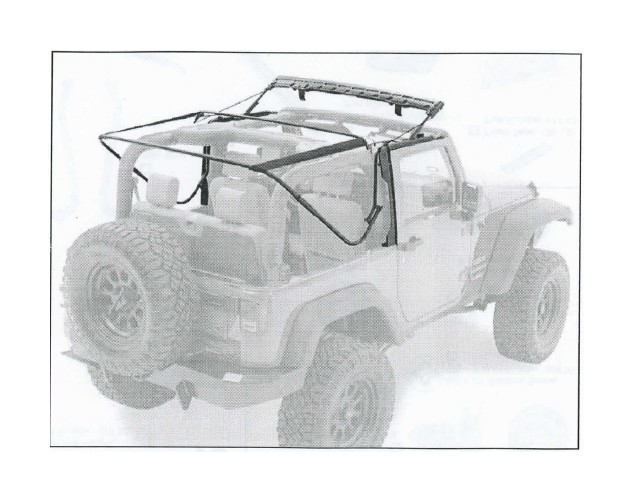
2. Assemble The Frame
Most soft tops need a frame for support.
- Connect metal bars as shown in the instructions.
- Use screws to secure joints.
- Attach brackets to the Jeep body where needed.
Example: On a Jeep Wrangler, the main frame bolts to the rear roll bar and door surrounds.
3. Attach The Soft Top Fabric
Now, drape the fabric over the frame.
- Line up the seams and corners.
- Snap or Velcro the top to the frame (depends on model).
- Stretch the fabric gently—do not force it, or you might tear it.
Tip: Warm fabric is easier to stretch. Leave it in the sun for 10–15 minutes before installation.
4. Secure The Windows
Most soft tops have zip-in or snap-on windows.
- Start with the rear window, then sides.
- Zip or snap each window into place tightly.
- Make sure zippers run smoothly. If stuck, do not force; use a little silicone spray.
5. Lock Everything Down
Finish by locking all parts.
- Clip or latch the soft top to the windshield header.
- Check all brackets, snaps, and Velcro.
- Confirm that the fabric is tight and smooth, with no sag.
Non-obvious insight: If you see wrinkles, let the top sit for a few hours. The fabric will often settle and smooth out with time.
6. Test For Leaks And Fit
After installation, check for water leaks and proper fit.
- Spray water or use a hose to test seams.
- Inspect for gaps, loose zippers, or missed snaps.
- If leaks appear, adjust the fabric or re-seat windows.
Credit: www.extremeterrain.com
Common Mistakes Beginners Make
Avoid these typical errors:
- Skipping instructions: Each Jeep model is a little different.
- Missing parts: Always check the package before starting.
- Over-tightening bolts: This can break brackets or tear fabric.
- Forcing zippers: If stuck, clean them gently instead.
- Installing in cold weather: Cold fabric is harder to stretch and fit.
Practical example: Many beginners try to install their soft top in winter. The cold makes the material stiff, leading to tears. Always install in warm weather or heat the fabric first.
Maintenance Tips For Soft Tops
Taking care of your soft top will make it last longer.
- Clean regularly: Use gentle soap and water; avoid harsh chemicals.
- Check for tears or loose seams: Patch small holes quickly to prevent bigger damage.
- Lubricate zippers: Use silicone spray every few months.
- Store windows flat: Don’t fold them, or they may crack.
- Protect from UV: Park in shade when possible.
| Maintenance Task | Frequency | Why Important |
|---|---|---|
| Cleaning | Monthly | Prevents dirt buildup and stains |
| Check seams | Every 3 months | Stops leaks and rips early |
| Lubricate zippers | Every 2 months | Makes opening and closing easier |

Credit: www.saffordofwinchester.com
Comparing Soft Top Vs Hard Top
Some owners wonder if a soft top is better than a hard top. Here’s a quick comparison.
| Feature | Soft Top | Hard Top |
|---|---|---|
| Weight | 40–50 lbs | 100+ lbs |
| Weather Resistance | Good, but not as strong | Excellent |
| Noise | Louder | Quieter |
| Ease of Removal | Quick, easy | Slow, heavy |
| Cost | Lower | Higher |
| Storage | Compact | Needs big space |
Tip: If you want flexibility and open-air driving often, a soft top is usually the best choice.
Real-life Example: Installing A Jeep Wrangler Soft Top
Imagine you have a Jeep Wrangler and you bought a new OE soft top kit.
- You lay out all parts: Main fabric, frame, three windows, screws, brackets.
- You remove your old hard top by unscrewing the bolts, lifting it off with a friend.
- You assemble the frame by connecting bars and attaching them to the roll bar.
- You drape the fabric over the frame, snap it into place, and stretch gently.
- You zip in the windows, starting with the rear.
- You check all latches, clips, and Velcro.
- You test with a hose—no leaks.
- You clean up, enjoy your new soft top, and feel ready for adventure.
Non-obvious insight: Many Jeep owners forget to check local weather before installing. Rain or wind can make the process much harder. Always pick a calm, dry day for your first installation.

Credit: www.youtube.com
Frequently Asked Questions
How Long Does It Take To Install A Soft Top?
Most Jeep soft tops can be installed in 1–2 hours if you follow instructions and have all parts. Beginners may need a little longer, but practice helps.
Can I Install A Soft Top Alone, Or Do I Need Help?
You can install most soft tops by yourself, especially lighter, frameless types. For heavy or framed tops, it’s safer to have a friend help—especially when lifting and lining up parts.
How Do I Prevent Leaks After Installing My Soft Top?
- Make sure all seams and windows are tight.
- Check zippers and snaps for gaps.
- Test with water before driving in rain.
- Patch small holes early.
Will A Soft Top Fit My Jeep Model?
Not all soft tops fit every Jeep. Check your Jeep’s model year and body style. OE tops fit stock vehicles, while aftermarket tops may require extra brackets.
How Should I Store My Soft Top When Not In Use?
- Clean it before storing.
- Fold the fabric gently—never crease windows.
- Store in a dry, cool place.
- Use a storage bag if possible.
If you want more detail on Jeep soft tops, see this helpful guide from ExtremeTerrain.
Putting a soft top on your Jeep opens up a world of driving freedom. With careful planning, proper steps, and regular maintenance, your soft top will last for years. Whether you use your Jeep for daily commutes or weekend adventures, mastering soft top installation gives you flexibility that hard tops just can’t match.
Remember to check the weather, lay out all parts, and take your time—especially on your first try. Enjoy the ride and the open air!