
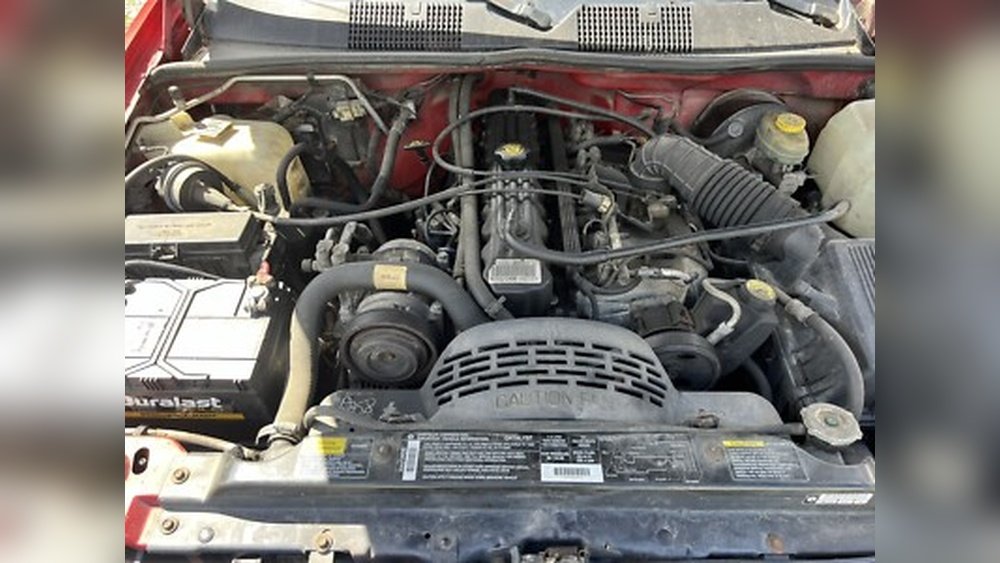
1998 Jeep Grand Cherokee Laredo Engine 4.0L 6 Cylinder Guide
 Reading Time: 7 minutes
 The 1998 Jeep Grand Cherokee Laredo with the 4.0L 6-cylinder engine stands as one of the most respected SUVs from its era. Known for its durability and reliable performance, this engine became a legend among Jeep fans and off-road enthusiasts. If you’re considering buying this vehicle, or you simply want to understand what makes this engine special, you’re in the right place. This article breaks down the main features, strengths, weaknesses, and common questions about the 4.0L 6-cylinder engine in the 1998 Jeep Grand Cherokee Laredo.
What Is The 4.0l 6-cylinder Engine?
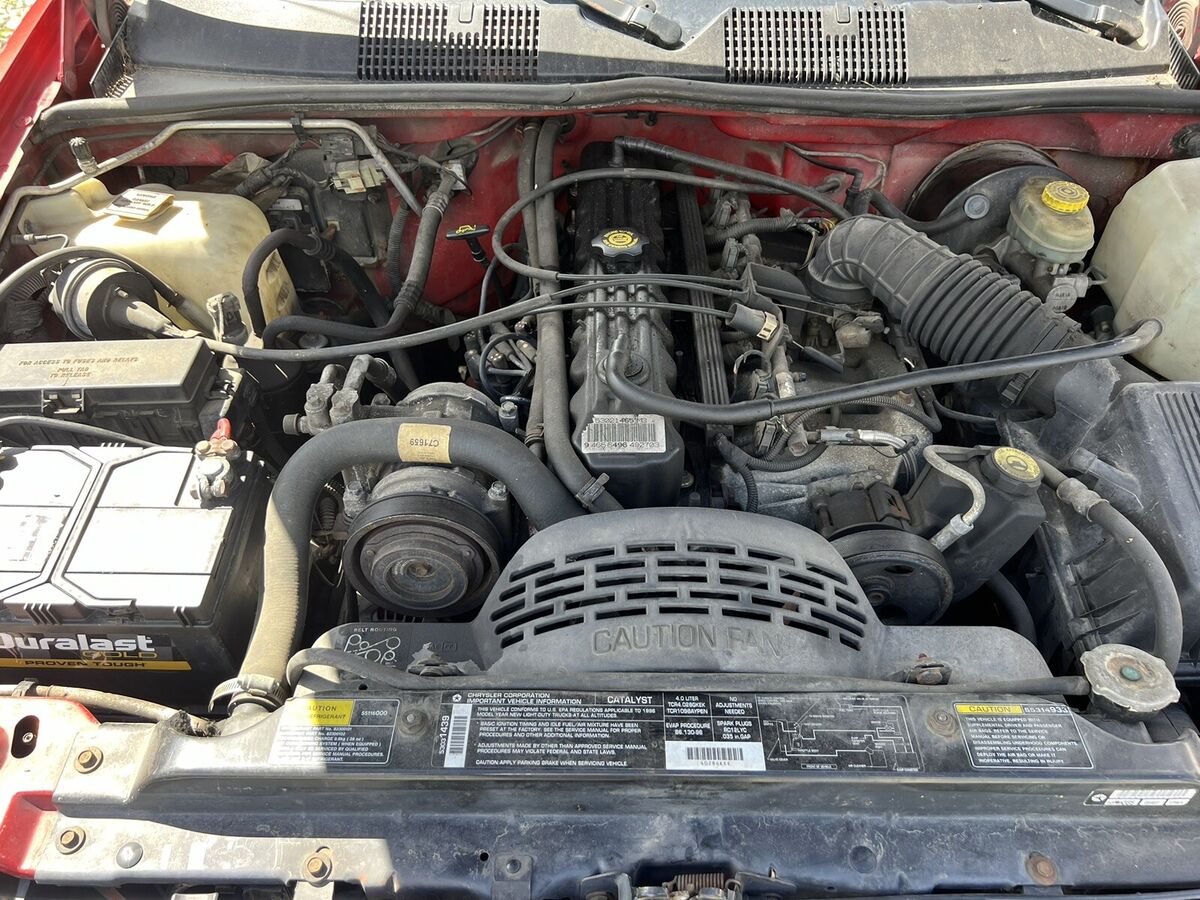
The 4.0-liter inline-six engine (also known as the 4.0L I6) is a straight-six gasoline engine built by Jeep for several decades. In 1998, this engine powered the Laredo trim of the Grand Cherokee, offering a blend of power, simplicity, and reliability.
Key facts about this engine:
- Displacement: 4.0 liters (3960 cc)
- Configuration: Inline 6-cylinder
- Fuel system: Multi-point fuel injection
- Power output: Around 185 horsepower @ 4,600 RPM
- Torque: About 220 lb-ft @ 3,000 RPM
This engine is known for its long life, with many examples lasting well beyond 200,000 miles with proper care.
Why The 4.0l I6 Engine Became Popular
The 4.0L I6 is famous for a few key reasons:
- Durability: It can handle tough driving conditions.
- Simplicity: Fewer electronics mean easier repairs.
- Torque: Strong low-end torque makes it great for off-road.
- Parts Availability: Easy to find replacement parts.
For many Jeep owners, this engine is the heart of their SUV.

Credit: en.wikipedia.org
1998 Jeep Grand Cherokee Laredo Overview
The 1998 Grand Cherokee Laredo was designed as a comfortable yet rugged SUV. It could handle city driving but was also at home in mud, snow, or rocky trails.
Key Laredo features:
- 4WD or 2WD options
- 4-speed automatic transmission (most common)
- Roomy interior for five passengers
- Basic, easy-to-repair suspension
The Laredo trim offered a balance between cost and features, making it a popular choice for families and adventurers alike.
Engine Performance And Driving Experience
Power Delivery
The 4.0L engine isn’t the fastest, but it offers a smooth and steady power curve. This means you won’t get sudden bursts of speed, but you will get enough power for merging, towing, or climbing hills.
Example Acceleration
- 0-60 mph: About 9.5 seconds (depending on vehicle weight and condition)
Towing Capacity
- Maximum towing: Up to 5,000 lbs (with proper equipment)
This engine’s strength is its consistency. It delivers reliable performance day after day.
Common Problems And Reliability
No engine is perfect. Here’s what you should know:
- Oil leaks: Valve cover gaskets and rear main seals can leak over time.
- Cooling issues: Radiators and water pumps may fail at higher mileage.
- Sensor failures: The crankshaft position sensor can cause stalling.
However, most problems are well-documented and easy to fix. Many owners report the 4.0L I6 lasting over 250,000 miles with regular maintenance.
Maintenance Tips For Beginners
Taking care of your 4.0L engine is simple if you follow these steps:
- Change oil and filter every 3,000–5,000 miles
- Check coolant level and condition
- Inspect belts and hoses for cracks
- Replace spark plugs every 30,000 miles
- Listen for strange noises (ticking, knocking, etc.)
Doing these basics can add years to your engine’s life.
Real-world Fuel Economy
The 4. 0L engine isn’t known for high fuel efficiency, but it’s on par with other SUVs from the 1990s.
Average MPG:
- City: 14–16 mpg
- Highway: 18–21 mpg
Factors that affect fuel economy:
- Driving style (smooth vs. aggressive)
- Tire pressure
- Weight of cargo
- 4WD vs. 2WD mode
How The 4.0l I6 Compares To Other Jeep Engines
Here’s a quick look at how the 4. 0L stacks up against other engine options from the same year.
| Engine | Displacement | Horsepower | Torque | Fuel Type |
|---|---|---|---|---|
| 4.0L I6 | 4.0L | 185 hp | 220 lb-ft | Gasoline |
| 5.2L V8 | 5.2L | 220 hp | 300 lb-ft | Gasoline |
| 5.9L V8 (Limited only) | 5.9L | 245 hp | 345 lb-ft | Gasoline |
As you can see, the 4. 0L I6 isn’t the most powerful, but it’s much easier to maintain. For off-roading or daily driving, it’s more than enough.
Practical Example: Used Engine Longevity
Imagine buying a used 1998 Grand Cherokee Laredo with 180,000 miles. If the 4.0L engine has been maintained (oil changes, coolant flushes), you could expect:
- Another 40,000–100,000 miles of reliable driving
- Low cost for typical repairs (water pump, gaskets)
- Easy access to parts and mechanics familiar with the engine
Many owners share stories of reaching 300,000 miles or more, which is rare for engines from this era.
Key Benefits For Beginners
New to Jeeps or classic SUVs? Here’s why the 4.0L engine is a smart choice:
- Simple design: No turbochargers or complex electronics
- Wide support: Many mechanics know this engine well
- Affordable repairs: Most fixes are under $500
- DIY potential: Great for learning basic car maintenance
Common Upgrades And Modifications
Many Jeep owners like to personalize their vehicles. The 4.0L engine supports several popular upgrades:
- Cold air intake systems for improved airflow
- Upgraded exhausts for better sound and small power gains
- Off-road air filters to handle dusty trails
- Mild engine tuning for efficiency
But, always check local laws before making changes.
Basic Engine Specs And Dimensions
For those who want specifics:
| Specification | Detail |
|---|---|
| Engine Type | Gasoline, Inline 6-cylinder |
| Bore x Stroke | 98.4 mm x 86.7 mm |
| Compression Ratio | 8.8:1 |
| Weight | ~515 lbs (234 kg) |
| Valvetrain | OHV, 2 valves per cylinder |
Engine Noise And Vibration
Many first-time owners notice the 4. 0L engine sounds a bit “trucky. ” This is normal. The engine makes a low rumble and may tick slightly at idle. Regular oil changes and valve adjustments (if needed) can keep noise levels down.
What To Check Before Buying A Used 1998 Grand Cherokee Laredo
If you’re shopping for one of these SUVs, pay attention to:
- Oil leaks around the engine
- Coolant leaks (white residue or puddles)
- Transmission shifts (should be smooth)
- Rust on frame and underbody
- Check engine light
A pre-purchase inspection by a trusted mechanic is always wise.

Credit: www.walmart.com
Notable Insights Beginners Miss
- Crankcase ventilation: The 4.0L engine relies on a simple PCV system. If clogged, oil leaks can get worse. Cleaning or replacing the PCV valve is cheap and can prevent bigger problems.
- Exhaust manifold cracks: These engines are known for cracked exhaust manifolds, which cause ticking noises and small exhaust leaks. Many aftermarket manifolds are stronger than the original.
Real-world Owner Experiences
Many owners buy their 1998 Grand Cherokee Laredo for daily use, but discover it can handle much more. Examples include:
- Driving across the country with no breakdowns
- Tackling muddy backroads or snowstorms with confidence
- Using the 4.0L engine for work, towing, or light off-roading
The Most Common Feedback: “it Just Keeps Running.”
How This Engine Handles Extreme Conditions
Whether it’s hot summers or cold winters, the 4. 0L I6 is famous for starting easily and running smoothly. It resists overheating if the cooling system is maintained. In freezing weather, it usually fires up without complaint.
Cost Of Ownership
Compared to modern SUVs, the 1998 Grand Cherokee Laredo is affordable to maintain. Here’s a rough breakdown:
| Maintenance Item | Estimated Cost | Frequency |
|---|---|---|
| Oil Change | $40–$60 | 3,000–5,000 miles |
| Spark Plugs | $60–$100 | 30,000 miles |
| Water Pump Replacement | $200–$350 | As needed (100,000+ miles) |
| Valve Cover Gasket | $100–$200 | As needed |
Environmental Considerations
While the 4. 0L engine is solid, it does not meet modern emissions standards. It lacks advanced catalytic converters and uses older technology. If you live in an area with strict emissions rules, check local laws before buying.
Where To Find More Information
For more technical details, history, and support, check the official Jeep 4.0 engine Wikipedia page.
Final Thoughts
The 1998 Jeep Grand Cherokee Laredo 4.0L 6-cylinder is a classic SUV for good reason. Its engine is simple, tough, and easy to maintain. While it’s not the most fuel-efficient or powerful, it offers dependability that’s hard to match. For beginners or those learning about older cars, this Jeep is an excellent entry point into the world of classic SUVs.
Frequently Asked Questions
What Oil Should I Use For The 4.0l Engine?
Use 10W-30 conventional or synthetic oil for most climates. In very hot or cold areas, check your owner’s manual for recommendations.
How Often Should I Change The Timing Chain?
The 4.0L uses a timing chain, not a belt. It rarely needs replacement before 200,000 miles unless it becomes noisy or loose.
Regular unleaded gasoline is fine. The engine was designed for lower-octane fuel.
What Is The Engine’s Expected Lifespan?
With good care, the 4.0L engine can last 200,000–300,000 miles or more.
Is It Hard To Find Parts For This Engine?
No, parts are widely available. Most auto parts stores and mechanics can source what you need quickly.
Credit: www.ebay.com


