Is Jeep Liberty a Good Car: Unveiling Pros and Cons
 Reading Time: 8 minutes
 Thinking about getting a Jeep Liberty but not sure if it’s the right choice for you? You’re not alone.
This SUV has sparked plenty of debate among drivers who wonder whether it’s a reliable, comfortable ride or just a rough, trouble-prone vehicle. Before you make a decision, you need to know what to expect—how it handles, common problems, and whether it fits your lifestyle.
You’ll get a clear look at the Jeep Liberty’s strengths and weaknesses so you can decide if it’s truly a good car for your needs. Keep reading to uncover the truth behind this often misunderstood SUV.

Credit: www.edmunds.com
Jeep Liberty Overview
The Jeep Liberty is a compact SUV known for its rugged look and off-road capability. It served as Jeep’s smaller alternative to the Grand Cherokee. The vehicle appeals to drivers who want a tough vehicle for outdoor adventures.
Produced from 2002 to 2012, the Liberty offered several updates across its two generations. It gained a reputation for solid construction but had some issues with comfort and fuel economy. Understanding its strengths and weaknesses helps decide if it fits your needs.
Design And Build
The Jeep Liberty features a boxy, muscular design typical of Jeep vehicles. Its high ground clearance and short overhangs improve off-road performance. The body feels sturdy and built for rough terrain.
Inside, the cabin is simple but functional. Space is limited, especially in the rear seats. Materials used are durable but not luxurious. The build quality supports rugged use rather than everyday comfort.
Model Years To Consider
The first generation (2002-2007) had a solid frame but showed some suspension weaknesses. The 2005 model introduced improvements in safety and comfort.
The second generation (2008-2012) brought a more modern look and better technology. The 2011 and 2012 models are often recommended for their improved reliability. Avoid early first-generation models due to common power window and suspension issues.
Performance Highlights
The Jeep Liberty offers a performance that appeals to drivers who value ruggedness and versatility. It balances off-road strength with everyday usability. The vehicle’s engineering focuses on handling rough terrain and providing a stable driving experience. Below are key highlights of its performance in different areas.
Off-road Capability
The Jeep Liberty excels in off-road conditions. It features a solid four-wheel-drive system that handles mud, rocks, and uneven surfaces well. Ground clearance is adequate for rough trails. The suspension is designed to absorb shocks from bumpy roads. This makes it a popular choice for outdoor adventures and challenging terrain. Its skid plates protect vital parts during off-road driving. Overall, it stands out as a capable SUV in tough environments.
Driving Experience
The driving experience is straightforward and functional. The steering is responsive but can feel a bit heavy at times. Suspension tuning prioritizes durability over comfort, leading to a firmer ride. Inside, the cabin is compact, which may affect passenger comfort on long drives. The engine options provide enough power for city and highway driving. However, acceleration is not sporty and feels average compared to newer SUVs. It performs well as a reliable daily driver, especially in rough weather.
Fuel Efficiency
The Jeep Liberty’s fuel efficiency is below average for its class. It consumes more fuel than many competitors, especially in city driving. This is due to its older engine technology and heavier body. The EPA ratings typically fall in the lower range for SUVs. Drivers should expect frequent trips to the gas station. Fuel economy may not be ideal for those with long commutes or high mileage needs. It suits drivers who prioritize ruggedness over saving fuel.
Common Issues
The Jeep Liberty offers solid off-road performance and rugged looks. Yet, many owners report common issues that affect daily use and long-term reliability. Understanding these problems helps buyers make informed decisions. Below are some of the most frequent concerns with the Jeep Liberty.
Engine And Mechanical Problems
The engine may show warning lights or misfire in some models. Valve and intake issues can cause rough running or stalling. Some owners report difficulty starting the engine. Regular maintenance can reduce these risks but problems may still occur.
Suspension Weaknesses
The suspension system has known weak points, especially ball joints. These parts wear out faster than expected, causing noise and poor handling. A worn suspension affects ride comfort and safety. Inspect suspension components carefully on used models.
Electrical And Window Failures
Power window motors often fail, making windows hard to raise or lower. Electrical faults can also cause warning lights or malfunctioning accessories. These issues may require part replacements or rewiring. They are common and can be costly to fix.
Sunroof Malfunctions
The Sky Slider sunroof may leak or fail to open properly. Mechanical parts inside the sunroof can break, causing water damage inside the cabin. Some owners report the sunroof getting stuck or making noise. Checking the sunroof operation is important before buying.
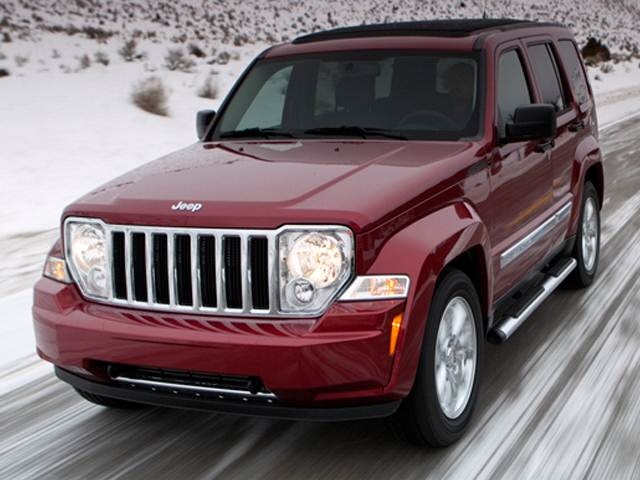
Credit: www.kbb.com
Interior Comfort And Space
The Jeep Liberty offers a rugged look, but its interior comfort and space tell a different story. Understanding the cabin size and the quality of materials inside helps evaluate its daily usability. Space and comfort often shape the overall driving experience.
Many drivers consider the Liberty for off-road adventures, but the cabin’s roominess affects long trips and daily drives. The fit and finish quality also impacts how pleasant it feels inside.
Cabin Size And Seating
The Jeep Liberty has a compact cabin compared to other SUVs. Front seats offer decent comfort and support for most adults. Rear seats feel tight, especially for taller passengers. Legroom and headroom in the back are limited, making long rides less comfortable. Cargo space is average but can feel cramped with passengers and gear.
Fit And Finish Quality
Inside, the Liberty shows a mix of hard plastics and some soft materials. The build quality is solid but not luxurious. Some interior parts may feel basic or less refined. Controls and buttons are easy to reach and use. Overall, the interior is practical but lacks premium touches seen in newer SUVs.
Reliability And Maintenance
The Jeep Liberty offers a rugged and capable design, but its reliability and maintenance needs require attention. Understanding typical repair costs and longevity helps potential owners prepare for ownership expenses. This section breaks down what to expect in terms of upkeep and durability.
Typical Repair Costs
Repair costs for the Jeep Liberty vary by issue and model year. Common repairs include fixing the suspension, power windows, and engine sensors. Suspension repairs, like replacing ball joints, can cost between $300 and $700. Power window motor replacements usually run around $200 to $400. Engine-related repairs, such as fixing the intake valve locks, can be more expensive, sometimes reaching $1,000. Routine maintenance like oil changes and brake work stays within average price ranges. Budgeting for occasional repairs is important with this model.
Longevity Expectations
The Jeep Liberty can last between 150,000 and 200,000 miles with proper care. Regular maintenance greatly affects its lifespan. Drivers who stay on top of oil changes, brake checks, and suspension upkeep see fewer major problems. Some owners report engine or electrical issues after 100,000 miles. Rust and wear may appear in older models, especially in harsh climates. Overall, the Jeep Liberty is built for rugged use but needs consistent care to reach high mileage. It fits well for those willing to invest time in maintenance.
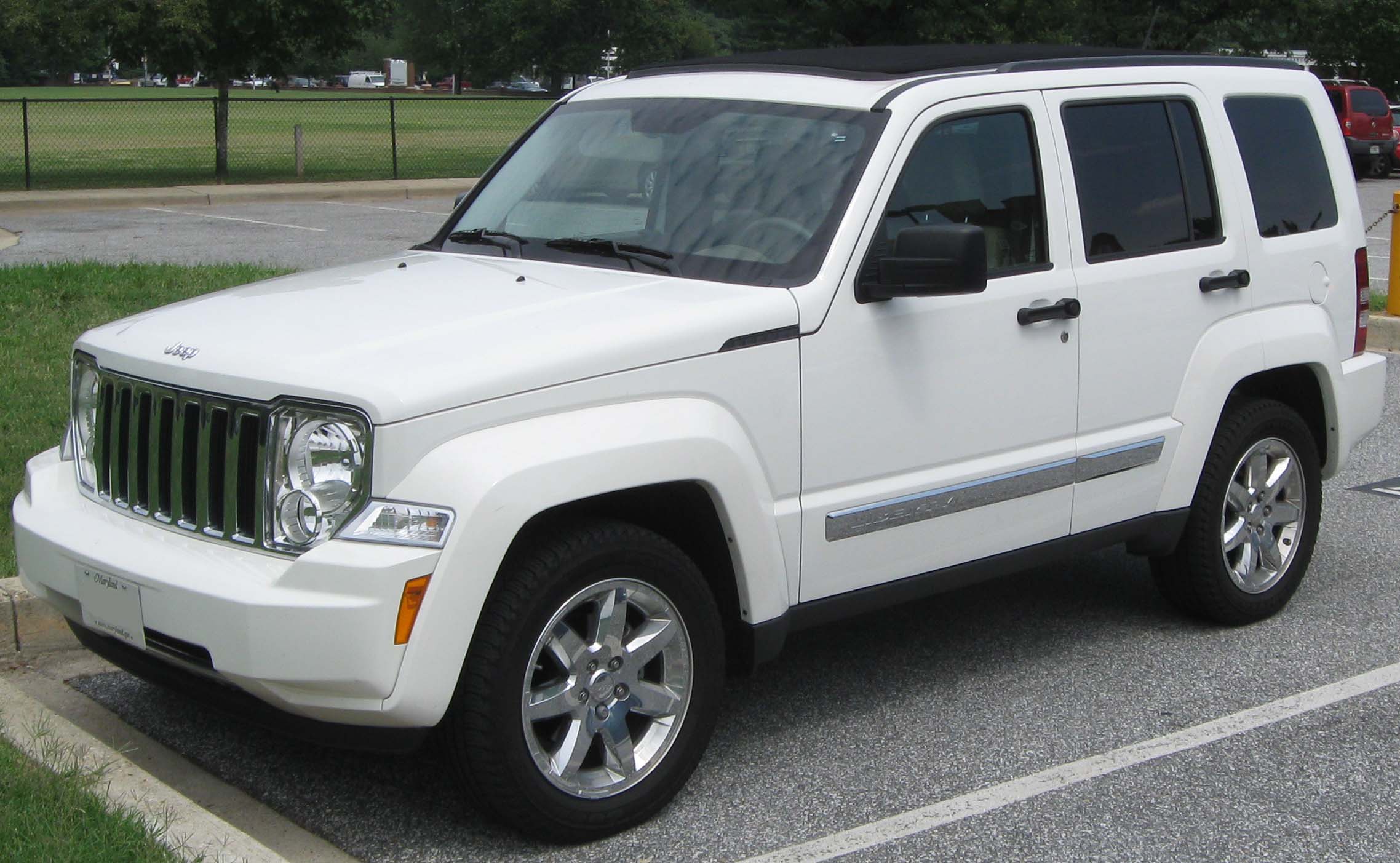
Credit: en.wikipedia.org
Affordability And Value
The Jeep Liberty offers a balance of affordability and value for drivers on a budget. It provides solid off-road capability and rugged design at a lower cost than many SUVs. Buyers can find used models at attractive prices, making it a practical choice for those needing a sturdy vehicle without breaking the bank.
Understanding the cost factors helps in deciding if the Jeep Liberty fits your needs. Both the initial purchase price and resale value play important roles in overall affordability.
Purchase Price
The Jeep Liberty is usually priced lower than many comparable SUVs. This makes it appealing for buyers looking for a budget-friendly option. Older models tend to have very affordable prices, which suits first-time buyers or those seeking a secondary vehicle. Maintenance and repair costs are generally reasonable, but some parts may wear out faster due to the vehicle’s design.
Resale Considerations
The Jeep Liberty’s resale value is moderate compared to other SUVs. It tends to depreciate faster, mainly because of its fuel economy and common mechanical issues. Buyers should check the vehicle’s maintenance history to avoid costly repairs later. Despite depreciation, it holds some value for buyers wanting a capable off-road SUV at a lower price.
Who Should Buy A Jeep Liberty
The Jeep Liberty suits specific drivers and needs. It fits those who want a rugged, affordable SUV with decent off-road skill. Its design targets practical users more than luxury seekers. The Liberty offers solid construction but has some space and fuel drawbacks. Knowing who benefits most helps buyers decide wisely.
Ideal Use Cases
Buyers who enjoy outdoor activities will find the Liberty useful. It handles rough roads and trails better than many small SUVs. Winter drivers benefit from its 4-wheel drive and sturdy build. Budget-conscious shoppers can get a capable SUV without high costs. Owners needing a second vehicle for weekend trips appreciate its toughness. The Jeep Liberty fits well for those not needing a large or luxurious ride.
Buyer Precautions
Check the suspension carefully before buying. Ball joints and other parts often wear out. Power windows may fail, so test all electrical functions. The rear seat space is tight, which may bother families. Fuel economy is low, leading to higher running costs. Some models have issues with the sunroof leaking. Inspect the vehicle’s history and maintenance records to avoid surprises.
Frequently Asked Questions
What Is The Most Common Problem With The Jeep Liberty?
The most common problem with the Jeep Liberty is frequent engine misfires caused by intake valve issues. Power window motor failures are also typical.
How Long Will A Jeep Liberty Last?
A Jeep Liberty typically lasts around 150,000 to 200,000 miles with proper maintenance. Regular care extends its lifespan.
Are Jeep Liberty Good Reliable Cars?
Jeep Liberty offers strong off-road ability and solid construction but suffers from poor fuel economy and common suspension issues. It suits weekend off-roading, not daily commuting. Check suspension and power windows before buying for better reliability.
What Years Are Good For A Jeep Liberty?
Good Jeep Liberty years include 2008 to 2012 models for improved reliability and fewer common issues. Avoid early first-generation years.
What Are The Common Problems With Jeep Liberty?
The Jeep Liberty often faces issues like engine misfires and check engine lights. Power window motors and sunroof malfunctions are also frequent complaints. These problems can affect the vehicle’s reliability.
Conclusion
The Jeep Liberty offers strong off-road skills at a low price. It has a solid build but struggles with fuel economy and space. Many owners face suspension and power window repairs. The cabin feels tight, especially in the back seats.
Best for weekend adventures or harsh weather driving. Not ideal for daily comfort or long trips. Always inspect these common issues before buying. Overall, it suits drivers who want ruggedness over luxury.