
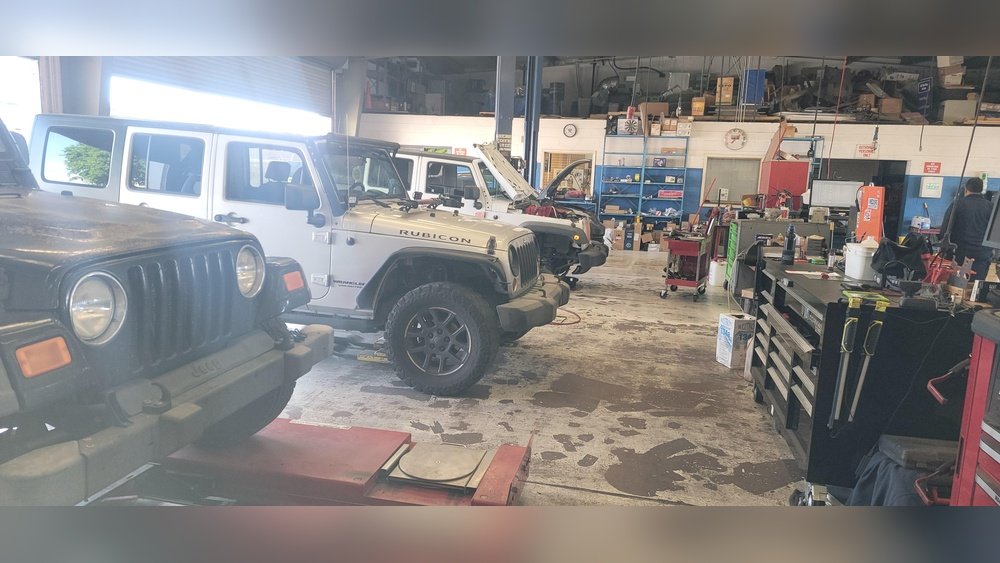
Do Jeeps Break Down Alot? Reliability Facts You Need to Know
 Reading Time: 7 minutes
 Jeeps have a strong image in the world of cars. Many people think of them as tough, ready for any adventure, and able to go anywhere. But there’s a big question for both fans and those thinking to buy: Do Jeeps break down a lot? Some people say yes, while others say their Jeeps are reliable. If you’re curious about Jeep reliability, you’re not alone. This article takes a close look at the facts, using real data, to help you decide if a Jeep is right for you.
What Makes A Jeep Unique?
Jeeps, especially the Jeep Wrangler, are known for their off-road skills. They have a boxy shape, strong suspension, and are built for rough terrain. Many Jeep models are designed to handle mud, rocks, and even water crossings. Because of this, they’re different from regular cars or SUVs.
But this unique design has a trade-off. Building a vehicle that can handle tough trails means more moving parts and sometimes more wear and tear. This can affect reliability, especially if the vehicle is used hard.
Common Jeep Models And Their Reputation
Jeep offers several models, and each has a different reputation for reliability:
- Jeep Wrangler: Famous for off-roading but sometimes criticized for mechanical problems.
- Jeep Grand Cherokee: A mix of luxury and off-road ability. Some model years are reliable, others not as much.
- Jeep Cherokee: A smaller SUV, used mostly for city driving.
- Jeep Compass: Compact and made for daily use, not heavy off-road.
- Jeep Renegade: Smallest Jeep, shares parts with Fiat. Mixed reviews on reliability.
- Jeep Gladiator: A pickup truck based on the Wrangler.
Let’s look at some real-world data to see how these models perform.
| Jeep Model | RepairPal Reliability Score (2024, out of 5) | Average Annual Repair Cost (USD) | Common Issues Reported |
|---|---|---|---|
| Wrangler | 3.5 | $694 | Electrical, transmission, suspension |
| Grand Cherokee | 3.5 | $666 | Electrical, engine, brakes |
| Cherokee | 4.0 | $520 | Transmission, electronics, brakes |
| Compass | 4.0 | $526 | Suspension, electronics, engine |
| Renegade | 3.5 | $498 | Engine, electronics, suspension |
| Gladiator | Not enough data | $634 (est.) | Transmission, steering |
Key takeaway: Jeep repair costs are above the average for all cars in the US, which is about $652 per year according to RepairPal.
What The Reliability Data Says
Reliability can mean different things, but most studies look at how often cars break down, how serious the problems are, and how much repairs cost. Let’s look at some trusted sources:
- J.D. Power Vehicle Dependability Study (2024): Jeep ranked below the industry average. The study found about 201 problems per 100 vehicles after three years of ownership. The industry average was 190.
- Consumer Reports (2024): Jeep models like the Wrangler and Grand Cherokee scored lower than average in predicted reliability.
- RepairPal: Jeep’s overall brand score is 3.5 out of 5. This is close to average but not great.
Here’s a simple way to compare Jeep with other popular SUV brands in the US:
| Brand | Average Annual Repair Cost | Reliability Score (RepairPal) | Problems per 100 vehicles (J.D. Power) |
|---|---|---|---|
| Jeep | $634 | 3.5 | 201 |
| Toyota | $441 | 4.0 | 158 |
| Honda | $428 | 4.0 | 156 |
| Ford | $775 | 3.5 | 192 |
| Chevrolet | $649 | 3.5 | 180 |
Non-obvious insight: Jeeps are more expensive to repair than Hondas or Toyotas, but not as costly as some American brands like Ford.
Why Do Jeeps Break Down?
Jeeps are not “bad” cars, but they do have certain weak points. Here are the most common causes for breakdowns:
- Off-road Use: Many Jeeps are driven on rough terrain, which puts more stress on parts than city driving.
- Complex 4WD Systems: The special parts that make Jeeps good off-road (like 4WD, locking differentials) can fail if not maintained.
- Electronics: Modern Jeeps have many electronic systems. These can be tricky and sometimes fail, especially in older models.
- Transmission Problems: Some models, especially certain years of Wrangler and Cherokee, have known issues with the transmission.
- Suspension and Steering: Issues like “death wobble” (a violent shaking at certain speeds) are reported, especially in lifted or modified Wranglers.
Example: The Jeep Wrangler’s “death Wobble”
One problem that gets attention is the death wobble in Jeep Wranglers. This is not common in every Wrangler, but when it happens, it can be scary. The steering wheel shakes hard, usually after hitting a bump at highway speed. It’s usually caused by worn suspension or steering parts and is more likely if the Jeep has been modified for off-roading.
How Often Do Jeeps Break Down Compared To Other Cars?
Jeeps, especially Wranglers and older Grand Cherokees, are more likely to have small issues than brands like Toyota or Honda. However, not every Jeep owner will have major problems. Here’s what real-world data says:
- RepairPal shows that Jeep owners visit the repair shop about 0.3 times per year for unplanned repairs, which is slightly above the industry average.
- Consumer Reports survey data says about 15% of Jeep owners report a serious problem each year, compared to 8% for Toyota.
Non-obvious insight: Many Jeep breakdowns are not complete engine failures. Instead, they are often minor issues, like warning lights, sensor failures, or small leaks, which are annoying but not dangerous.
Are Some Jeep Models More Reliable Than Others?
Yes. Not all Jeeps are the same when it comes to reliability. For example, the Jeep Cherokee and Compass generally score better than the Wrangler or Grand Cherokee. Older Wranglers (before 2012) are often less reliable than newer ones because of design changes and improved quality control.
Here’s a quick look at recent model years:
| Model Year | Wrangler Reliability (Consumer Reports) | Grand Cherokee Reliability (Consumer Reports) | Cherokee Reliability (Consumer Reports) |
|---|---|---|---|
| 2021 | Below Average | Below Average | Average |
| 2022 | Average | Average | Above Average |
| 2023 | Average | Average | Above Average |
Newer models have made progress, but they’re still not at the top of the class for reliability.
Why Do People Still Love Jeeps Despite Breakdowns?
Even with their quirks, Jeeps have a loyal fan base. Here’s why:
- Adventure: Few vehicles can match a Jeep’s off-road ability.
- Community: Jeep owners have a strong, friendly community. There’s even a “Jeep Wave” between drivers.
- Customization: Jeeps are easy to modify, making them popular for car enthusiasts.
- Resale Value: Despite problems, Jeeps (especially Wranglers) hold their value well.
How To Reduce The Chance Of Breakdowns
If you want a Jeep but are worried about breakdowns, these tips can help:
- Buy Newer Models: Newer Jeeps have fewer issues than older ones.
- Regular Maintenance: Follow the service schedule, especially for fluids, brakes, and suspension.
- Check Before You Buy: If buying used, get a mechanic to inspect the car.
- Avoid Heavy Modifications: Modifying suspension or tires can increase wear and cause problems.
- Drive Smart Off-Road: Avoid pushing the Jeep beyond its limits, even if it feels unstoppable.
Example: Changing the transmission fluid on time and checking for leaks can prevent a costly breakdown later.

Credit: www.simivalleychryslerdodgejeepram.com
When To Avoid A Jeep
While Jeeps are fun, they’re not for everyone. You may want to choose another brand if:
- You want the lowest possible repair costs.
- You drive mostly in the city and never go off-road.
- You prefer a quiet, smooth ride like a sedan.
- You want the highest reliability (then pick Toyota or Honda).
Real Owner Experiences
Looking at owner reviews gives a balanced view. Some Jeep owners report years of trouble-free driving, while others share stories of repeated visits to the mechanic. It’s important to remember that people who have problems are more likely to post reviews online.
Sample owner feedback:
- “My 2019 Wrangler has been great, only minor issues like a sensor replaced under warranty.”
- “My 2015 Cherokee needed a new transmission at 80,000 miles. Expensive, but Jeep covered part of the cost.”
- “Love my Jeep, but I do spend more on maintenance than my old Toyota.”

Credit: www.motortrend.com
The Bottom Line: Do Jeeps Break Down A Lot?
Jeeps do not break down as much as some rumors say, but they are less reliable than brands like Toyota or Honda. They have higher repair costs and more frequent issues, especially if used for off-roading or not maintained well.
However, many breakdowns are minor rather than major engine failures.
If you want a Jeep for adventure and are ready for higher maintenance, they can be a great choice. If your top priority is reliability and low cost, another brand might suit you better. Always research the specific model and year before buying, and remember that how you drive and care for your Jeep makes a big difference.
For more data-driven car reliability information, you can also check the official Consumer Reports Car Reliability page.
Frequently Asked Questions
Why Do People Say Jeeps Are Unreliable?
Jeep has a history of certain models and years with common issues, like electrical or transmission problems. Older models, especially Wranglers, had more problems. Today, the reputation sticks, even though newer Jeeps are improving.
Which Jeep Model Is The Most Reliable?
The Jeep Cherokee and Compass are usually more reliable than the Wrangler or Grand Cherokee, based on repair data and owner reviews from the last few years.
How Expensive Is It To Repair A Jeep?
On average, Jeep owners spend about $634 per year on repairs, which is higher than Toyota or Honda but similar to Ford and Chevrolet. Repair costs can be much higher if you drive off-road or skip maintenance.
Are Jeeps Good For Daily Driving?
Many Jeeps, especially the Cherokee, Compass, and Renegade, are comfortable for city driving. The Wrangler is less smooth and uses more gas, but it’s manageable for daily use if you value style and adventure over comfort.
Do Jeeps Hold Their Value?
Yes, especially the Jeep Wrangler. Even with reliability concerns, Wranglers have strong resale value because of their unique style, off-road ability, and high demand among buyers.

Credit: www.securitydodgechrysler.net


