How to Get Jeep Grand Cherokee Out of Manual Mode Fast
 Reading Time: 8 minutes
 If you have ever driven a Jeep Grand Cherokee and suddenly noticed your gear display showing “1”, “2”, or “M”, you might be in manual mode. For many drivers, especially beginners, this can be confusing. Manual mode gives you more control over your gears, but sometimes you just want the car to shift automatically. If you find yourself stuck in manual mode and want to switch back, this guide explains everything you need to know—step by step, with clear examples and practical tips.
What Is Manual Mode In A Jeep Grand Cherokee?
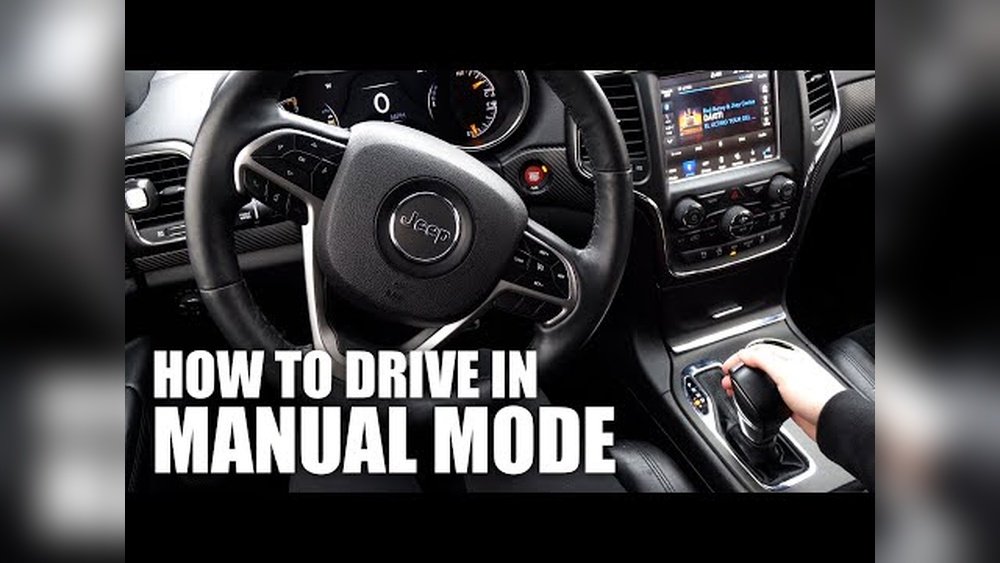
Manual mode, sometimes called “semi-automatic” or “Tiptronic”, lets you change gears yourself. In the Jeep Grand Cherokee, this is often controlled by moving the gear selector to the left from “D” (Drive) or by using paddle shifters behind the steering wheel.
- Why use it? Manual mode is helpful for:
- Towing heavy loads
- Driving on hills
- Sporty driving
But for everyday city driving, most people prefer fully automatic shifting.
How Does Manual Mode Get Activated?
Understanding how you entered manual mode helps you get out of it. Here are the most common ways:
- Moving the shifter to the left from “D” puts the transmission into manual mode.
- Using paddle shifters, usually marked “+” and “-”, changes gears manually.
- Some trims have buttons or triggers to activate manual mode.
If you accidentally touch the shifter or paddles, your Jeep may switch into manual mode without warning.
Signs Your Jeep Is In Manual Mode
Not sure if you’re in manual mode? Look for these signs:
- The gear indicator shows “M” or a number like “1” or “2” instead of “D”.
- The car holds gears longer and does not shift automatically.
- You feel more engine braking when slowing down.
Here’s a quick comparison of what you’ll see on your display:
| Mode | Gear Display | Shifting Behavior |
|---|---|---|
| Automatic | D | Car shifts gears automatically |
| Manual | M, 1, 2, etc. | Driver controls gear changes |
Why Getting Stuck In Manual Mode Happens
Many drivers switch into manual mode by accident. These are the most common reasons:
- Touching paddle shifters while turning the wheel
- Moving the gear lever to the manual gate by mistake
- Not knowing the feature exists
In some cases, a software glitch or transmission issue can cause the system to stay in manual mode, but this is less common.
Steps To Get Your Jeep Grand Cherokee Out Of Manual Mode
Switching back to automatic is usually simple. Follow these steps, and you’ll be back to normal driving in seconds.
1. Move The Gear Selector Back To “d”
- If you moved the gear lever left into manual mode, just push it right back to “D”.
- On some models, you may need to pull the lever toward you before moving it.
2. Stop Using The Paddle Shifters
- After using paddle shifters, the Jeep may stay in manual mode until you hold the “+” paddle for a few seconds or simply wait for the system to switch back automatically.
- On most models, if you do not use the paddles for a short time, the system returns to automatic mode by itself.
3. Check Your Dashboard Display
- Look at the gear indicator. If it shows “D”, you are back in automatic mode.
- If it still shows “M” or a number, try shifting manually up until the display returns to “D”.
4. Turn The Car Off And On
- Sometimes the car’s computer can get confused. Turning the engine off, waiting a few seconds, and restarting can reset the transmission mode.
5. Check For Software Updates
- Some Jeep models need software updates to fix shifting issues. Contact your dealer or check the Jeep website for the latest information.
Practical Tips To Avoid Manual Mode By Accident
Here are some simple ways to avoid switching to manual mode when you don’t want to:
- Keep your hands away from the paddles when not needed.
- Be careful with the gear selector, especially when shifting quickly.
- Know your trim’s features—some have extra buttons or unique shifter designs.
Credit: www.autonationchryslerdodgejeepramnorthrichlandhills.com
What If Manual Mode Won’t Turn Off?
In rare cases, your Jeep may stay stuck in manual mode no matter what you do. Here are the possible reasons and what to check:
- Transmission control module fault: May need dealer attention.
- Damaged paddle shifters: Can get stuck or send wrong signals.
- Gear selector problems: Physical damage or worn parts.
- Electrical issues: Bad sensors or wiring.
If you try all the steps above and your Jeep still won’t leave manual mode, it’s best to visit a certified Jeep service center.
Example: Getting Out Of Manual Mode (step-by-step)
Let’s walk through a real-world example:
- You’re driving and notice the dashboard says “M2”.
- You realize you bumped the paddle shifter.
- You move the gear selector gently back to “D”.
- The display now says “D”, and the car shifts smoothly again.
If that didn’t work:
- Try holding the “+” paddle for 2–3 seconds.
- If still stuck, park the car, turn it off, and restart.
- If the problem continues, seek professional help.
How Manual Mode Works: Technical Details
Understanding the basics can help you use manual mode on purpose when you need it.
- Manual mode gives you control of the gear selection.
- The transmission control module watches your input and allows upshifts and downshifts.
- The system prevents you from damaging the engine by blocking shifts that would overspeed the motor.
Here’s a look at what happens inside:
| Action | Result in Manual Mode | Result in Automatic Mode |
|---|---|---|
| Push paddle “+” | Upshifts to next gear | No effect |
| Push paddle “-” | Downshifts to lower gear | No effect |
| Accelerate hard | Stays in selected gear | Downshifts automatically as needed |
Common Myths About Manual Mode In Jeep Grand Cherokee
Many drivers believe some myths about manual mode. Here are facts to clear up confusion:
- Myth: Using manual mode will damage your transmission.
- Fact: The system will not let you shift in a way that damages the car.
- Myth: Manual mode is only for experts.
- Fact: Anyone can use manual mode if they follow the basics.
- Myth: You’ll get better gas mileage in manual mode.
- Fact: Most drivers get the best mileage in automatic mode unless they are skilled.
Data: How Often Do Drivers Use Manual Mode?
According to a 2022 survey by the American Automobile Association (AAA):
- Only 15% of SUV drivers use manual mode regularly.
- 55% of Jeep Grand Cherokee owners say they have used it “by accident” at least once.
- Most owners prefer automatic for daily driving.
When Should You Use Manual Mode?
While most people want to get out of manual mode, sometimes it’s useful:
- Steep hills: Hold lower gears for more control.
- Towing: Prevents frequent shifting and overheating.
- Slippery roads: Start in second gear for better traction.
But remember: If you aren’t sure, it’s safest to stay in automatic.

Credit: www.lutherauto.com
Troubleshooting Table: What To Do When Stuck In Manual Mode
Here’s a quick reference for common scenarios:
| Problem | Action | Result |
|---|---|---|
| Moved shifter by mistake | Return shifter to “D” | Back to automatic |
| Used paddle shifters | Stop using paddles or hold “+” | Returns to auto after a pause |
| Still stuck after reset | Turn car off and on | Usually resets mode |
| Nothing works | Visit service center | Check for faults |
Non-obvious Insights For Beginners
- Manual mode can activate even if you don’t notice: Many drivers accidentally press a paddle or nudge the shifter when adjusting the radio or steering, especially in tight parking.
- Some Jeep models revert to automatic faster than others: Depending on the year and trim, your Jeep may switch back after a few seconds or require you to move the shifter manually. Always check your specific model’s manual for details.
Safety Reminder: Manual Mode And Driving Habits
Manual mode is not dangerous, but it can surprise you if you don’t expect it. When in manual mode:
- The car may not shift up, causing the engine to rev higher.
- You may have less acceleration if you forget to upshift.
If you notice loud engine noise or slow acceleration, check your gear indicator right away.
What To Do If You’re Unsure
If you’re ever unsure about your Jeep’s transmission mode:
- Safely pull over.
- Check your dashboard display.
- Review your owner’s manual or search for your year and trim online.
You can also contact your local Jeep dealer for help or visit the official Jeep website for more guidance. For more technical details, check the Jeep Grand Cherokee Wikipedia page.

Credit: www.youtube.com
Frequently Asked Questions
How Do I Know If My Jeep Grand Cherokee Is In Manual Mode?
Look at the gear indicator on your dashboard. If you see “M” or a number (like “1”, “2”, “3”), you are in manual mode. If you see “D”, you are in automatic mode.
Will Driving In Manual Mode Damage My Jeep?
No, the Jeep’s system prevents you from making shifts that could damage the engine or transmission. It is safe to use manual mode, but always shift gears at reasonable speeds.
Can I Get Stuck In Manual Mode Forever?
It’s rare, but if there is a mechanical or electronic problem, you might stay stuck. If basic steps (like moving the shifter or restarting the car) don’t work, visit a certified Jeep mechanic.
How Do I Prevent Manual Mode From Activating?
Be careful not to bump the paddle shifters or move the gear selector into the manual gate by accident. Learn where these controls are, so you can avoid them during normal driving.
Does Every Jeep Grand Cherokee Have Manual Mode?
Most modern Jeep Grand Cherokees (especially with automatic transmissions) have a manual mode feature. Older models or certain trims may not include it. Check your owner’s manual for your specific model.
Getting your Jeep Grand Cherokee out of manual mode is usually quick and easy once you know what to do. By following the clear steps above, you’ll avoid confusion, drive more confidently, and get the most from your Jeep—whether you want to shift manually or let the car do the work.