What Did Jeep Stand for: Uncovering the Iconic Brand’s Origins
 Reading Time: 7 minutes
 What Did Jeep Stand For
If you hear the word “Jeep,” you probably picture a tough, boxy vehicle driving through mud or over rocks. But many people wonder: What did Jeep stand for? Was it just a name, or did it have a hidden meaning? To understand the real story, we need to look at history, the military, and even a little pop culture. In this article, you’ll learn where the name “Jeep” came from, why it became famous, and how it changed over time.
The Origins Of The Jeep Name
The story of the Jeep name starts in the late 1930s and early 1940s. During this time, the world was preparing for war, and the U.S. Army needed a small, strong vehicle that could go almost anywhere.
Military Vehicle Requirements
The Army wanted a light, four-wheel-drive vehicle. It had to be:
- Lightweight (under 2,160 pounds)
- Four-wheel drive for off-road use
- Room for three soldiers and their gear
- Simple design for easy repairs
Car companies like Willys-Overland and Ford competed to make the best version. The result was a vehicle we now know as the Jeep.
Early Names And Codes
At first, the vehicle did not have a fancy name. The military called it:
- 1/4-ton 4×4 truck
- Truck, 1/4 ton, 4×4, Command Reconnaissance
- Model names like Willys MB or Ford GPW
But these were not easy to say. Soldiers quickly gave the vehicle a nickname.
How Did “jeep” Get Its Name?
The name “Jeep” did not start as a brand. It came from slang, misunderstanding, and even a cartoon character.
The “gp” Theory
One popular idea is that “Jeep” comes from G.P., the military code for “General Purpose.” The story goes:
- Ford called their version the GP.
- “G” stood for Government or General.
- “P” stood for 80-inch wheelbase Reconnaissance Car.
Soldiers and workers started saying “GP” quickly, and it sounded like “Jeep. ”
Is This True?
This explanation is popular, but not 100% correct. The “GP” code was real, but not all Jeeps were called GP. Willys models, for example, were called MB.
The Eugene The Jeep Connection
Another story comes from cartoons. In 1936, the Popeye comics introduced a character named Eugene the Jeep. This creature was:
- Small and yellow
- Could go anywhere
- Seemed magical
Soldiers who saw the new Army vehicle thought it acted just like Eugene—able to travel almost anywhere. They started calling the vehicle a “Jeep” as a joke.
Jeep In Army Slang
Long before the vehicle, “jeep” was Army slang for:
- New recruits or untested vehicles
- Something new and unproven
By the 1940s, the little 4×4 was called a “jeep” because it was new, small, and could do things bigger trucks could not.
The First Public Jeep Test
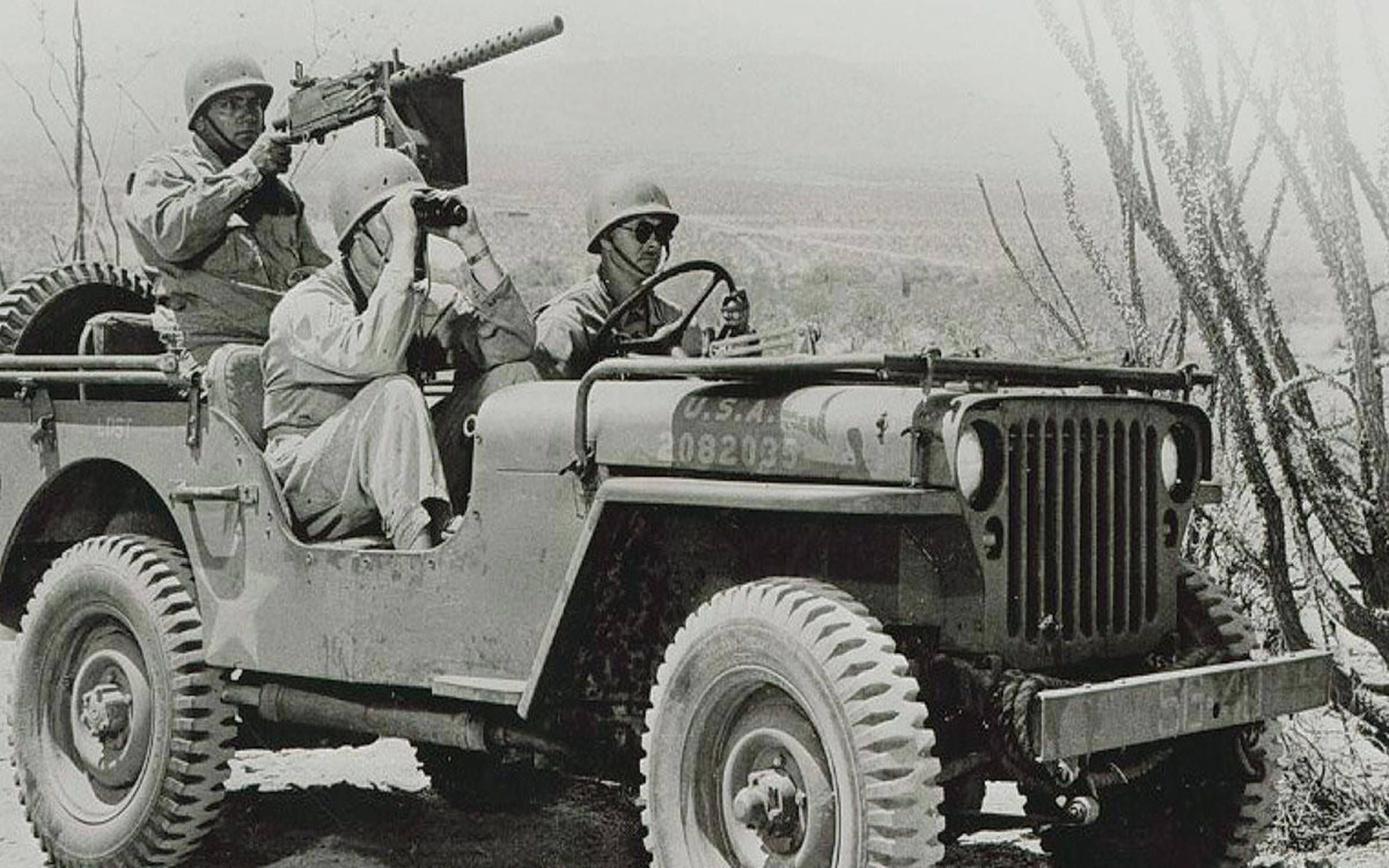
In 1941, Willys drove their vehicle up the steps of the U. S. Capitol in Washington, D. C. Reporters asked, “What is this thing? ” The test driver, Irving “Red” Hausmann, replied, “It’s a Jeep. ” Newspapers printed the story, and the name stuck.
Credit: www.friscochryslerjeepdodgeram.com
Jeep As A Brand
After World War II, the name Jeep became so famous that Willys-Overland wanted to use it as a brand. They applied for the trademark in 1943 and got it in 1950.
Today, Jeep is a global brand that stands for:
- Ruggedness
- Adventure
- Go-anywhere ability
But the word started as a nickname, not a company name.
What Did Jeep Stand For In History?
For most people, “Jeep” means a tough, off-road vehicle. But if you look deeper, its meaning changed over time.
World War Ii: Symbol Of Freedom
During World War II, the Jeep became a symbol of:
- Mobility: It could go where other vehicles could not.
- Flexibility: Used for carrying soldiers, pulling guns, even as ambulances.
- American strength: Built quickly, used everywhere.
More than 640,000 Jeeps were built during the war. They served in Africa, Europe, and the Pacific.
Post-war Years: Civilian Jeep
After the war, Willys made a version for regular people—the CJ (Civilian Jeep). It was one of the first SUVs. Farmers, ranchers, and adventurers loved it because:
- It could handle rough roads and fields.
- It was simple and easy to fix.
- It felt “tough” like the Army version.
The Modern Jeep Meaning
Today, the word “Jeep” is used for all kinds of vehicles, but it still means:
- Off-road power
- All-terrain confidence
- Adventure lifestyle
But it no longer stands for a code or acronym. It’s simply a name for a special kind of vehicle.
Jeep Vs. Other Military Vehicles
Many people think all military 4x4s are Jeeps. But not all were the same. Here’s a simple comparison:
| Vehicle | Type | Main Use | Production Number |
|---|---|---|---|
| Willys MB | Jeep | Recon, transport | Over 360,000 |
| Ford GPW | Jeep | Recon, transport | Over 280,000 |
| Dodge WC | Light truck | Transport, ambulance | Over 250,000 |
| GMC CCKW | 2.5-ton truck | Heavy transport | Over 500,000 |
Key point: Only the Willys MB and Ford GPW were “real Jeeps.” Others were bigger or had different jobs.
Common Myths About The Jeep Name
Many people repeat stories about the Jeep name. Here are some myths and the facts:
- Myth: Jeep stands for “Just Enough Essential Parts.”
- Fact: This is a backronym. The phrase was made up long after the Jeep was famous.
- Myth: Jeep is short for “General Purpose.”
- Fact: Some Fords were called GP, but the name Jeep came from slang, not an official code.
- Myth: Jeep was always a Chrysler brand.
- Fact: Jeep started with Willys, later owned by Kaiser, AMC, Chrysler, Daimler, and now Stellantis.
The Evolution Of Jeep Models
The Jeep has changed a lot since World War II. Here’s a look at how it evolved:
| Year | Model | Main Change |
|---|---|---|
| 1941 | Willys MB | Original Army Jeep |
| 1945 | CJ-2A | First Civilian Jeep |
| 1963 | Wagoneer | First luxury 4×4 SUV |
| 1987 | Wrangler (YJ) | Modern off-road Jeep |
| 2020 | Gladiator | Pickup-style Jeep |
Insight: Each new model kept the “go-anywhere” spirit, but added comfort or style for new times.
Why Jeep Stands Out Today
Even as SUVs become more popular, the Jeep name still means something special:
- Unique design: Boxy, round headlights, upright grille.
- Off-road ability: Most Jeeps have 4×4 and special suspension.
- Strong community: Jeep owners wave at each other and join clubs.
- Adventure image: Ads show Jeeps climbing mountains, crossing rivers.
Real-world Example
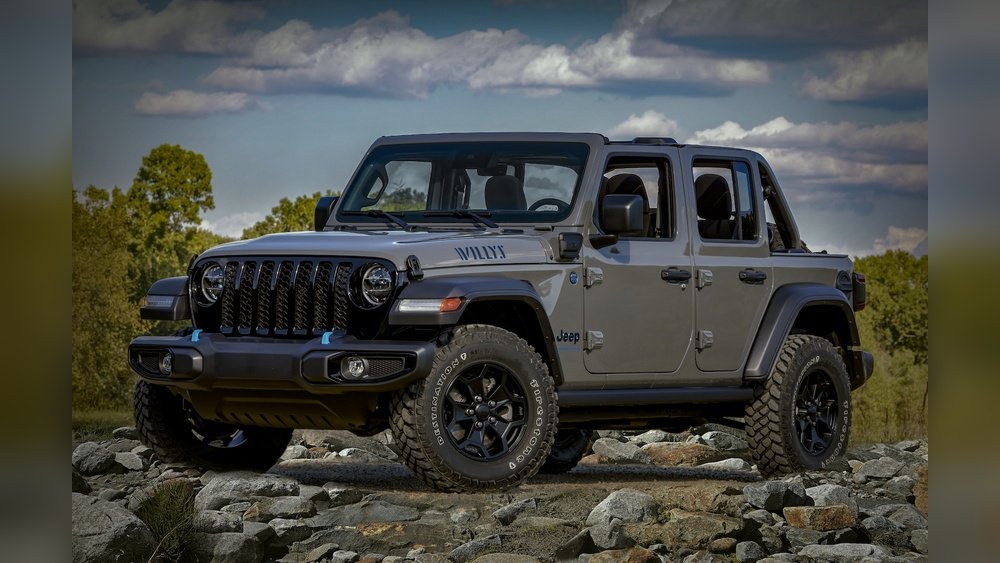
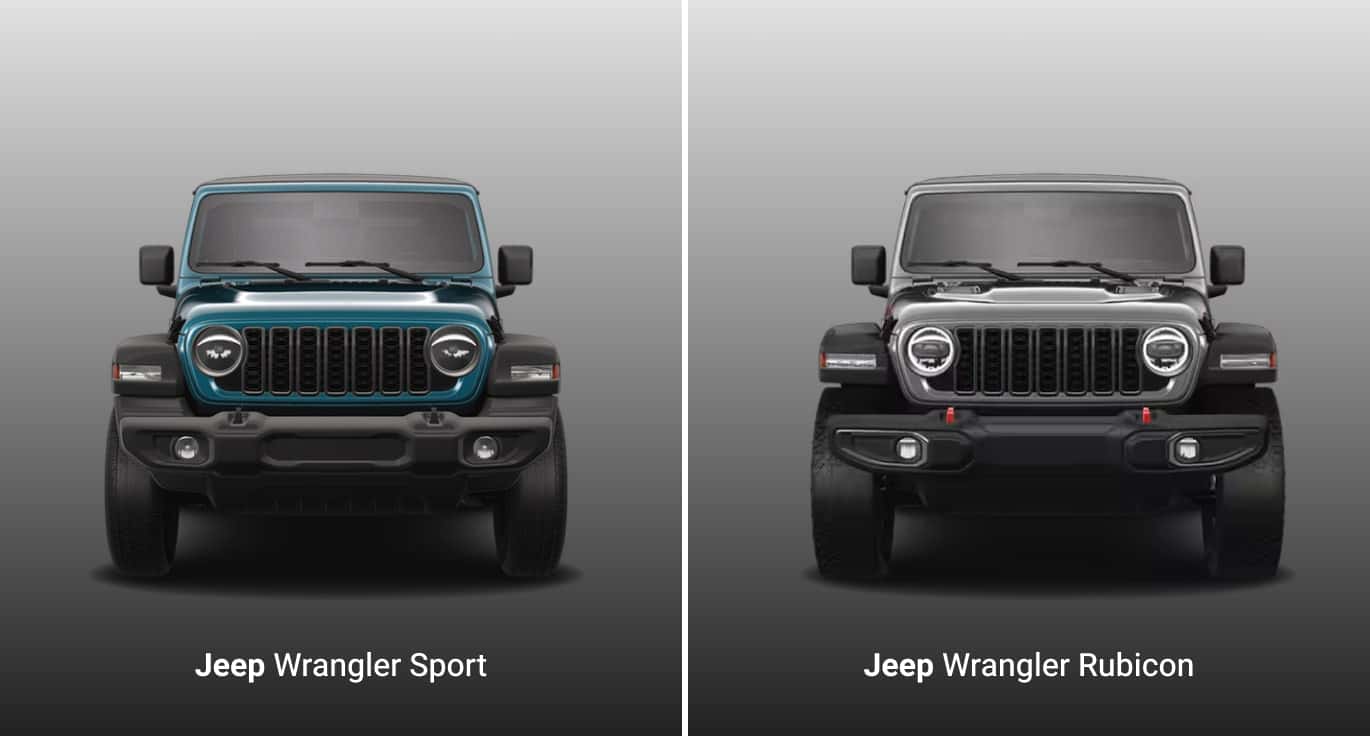
The Jeep Wrangler is one of the most popular off-road vehicles in the world. In 2022, Jeep sold over 181,000 Wranglers in the U.S. alone. Most buyers choose it for outdoor activities, not just city driving.
Credit: suparee.com
Two Insights Beginners Miss
- Not all “Jeeps” are real Jeeps: Some people call any 4×4 a Jeep, but only vehicles from the Jeep brand (or military originals) are true Jeeps.
- The Jeep name is not an acronym: It never officially stood for a phrase or code. The name grew from slang and became a brand.
Jeep In Pop Culture And Everyday Speech
Jeep is now a part of American culture. People use “jeep” to mean any tough, small SUV, even if it’s not a Jeep brand. The Jeep has appeared in:
- Movies: Jurassic Park, Indiana Jones, Tomb Raider
- Music: Songs by Ice Cube, Shania Twain, and others
- Outdoor sports: Off-roading events, Jeep Jamborees
This shows how the name grew from Army slang to a symbol of adventure.

Credit: www.motortrend.com
Jeep’s Global Impact
Today, Jeep vehicles are sold in over 140 countries. The brand is part of the Stellantis group, a giant company that includes Chrysler, Peugeot, and Fiat.
Jeep factories are found in:
- USA
- Italy
- India
- Brazil
- China
The Jeep’s “go anywhere” style is loved worldwide, not just in the U. S.
Data Snapshot: Jeep Sales And Popularity
To show Jeep’s success, here’s a look at recent sales numbers:
| Year | Global Sales | Top Model |
|---|---|---|
| 2018 | 1,573,000 | Wrangler |
| 2019 | 1,474,000 | Grand Cherokee |
| 2021 | 1,204,000 | Compass |
| 2022 | 1,169,000 | Wrangler |
Insight: Even after 80 years, Jeep vehicles remain popular, with millions sold worldwide.
Why The Jeep Name Still Matters
The name “Jeep” is powerful because it stands for more than a car. It means:
- Freedom to explore
- Strength and reliability
- A unique history
For many, owning a Jeep is about joining a community, not just driving a car.
If you want to learn more about the Jeep’s military roots, you can visit the Jeep Wikipedia page.
Frequently Asked Questions
Why Is It Called A Jeep?
The name “Jeep” came from Army slang and a cartoon character. Soldiers called the new 4×4 vehicle a “jeep” because it was small, tough, and could go anywhere. The name stuck after reporters used it in the news.
Does Jeep Stand For “just Enough Essential Parts”?
No, this is a myth. That phrase is a backronym, made up long after the Jeep was famous. The real name came from military slang and was not an official code.
Was The First Jeep Made By Ford Or Willys?
Both companies made Jeeps during World War II. The first design that became the Jeep was from Bantam, but Willys and Ford built most of the wartime vehicles. Willys got the rights to the Jeep name.
Is “jeep” Used For All Off-road Vehicles?
No. Many people say “jeep” for any 4×4, but only vehicles from the Jeep brand (or the military originals) are real Jeeps. Other brands make off-road vehicles, but they are not Jeeps.
What Is The Most Popular Jeep Model?
The Jeep Wrangler is often the most popular, especially for off-road fans. Models like the Grand Cherokee and Compass are also best-sellers for everyday driving.
The Jeep is more than just a word—it’s an idea, a history, and a way of life for many. Now you know what Jeep really stood for, and why the name still matters today.


