
2013 Jeep Grand Cherokee Transmission Fluid: Ultimate Guide
 Reading Time: 9 minutes
 If you own a 2013 Jeep Grand Cherokee or are thinking about buying one, understanding the transmission fluid is essential. Many car problems start because of ignored or misunderstood fluids, especially for a vehicle like the Grand Cherokee. Transmission fluid is not just another maintenance item—it’s what keeps your SUV’s automatic transmission running smoothly. For beginners, this guide explains everything you need to know about the 2013 Jeep Grand Cherokee transmission fluid in clear, simple terms.
Making smart decisions about transmission fluid can help you avoid major headaches. Even experienced drivers sometimes forget how important this fluid is. For example, some mechanics say that more than half of transmission failures happen because the fluid was never changed or topped off.
If you want your Jeep to last, understanding transmission fluid is key.
Why Transmission Fluid Matters
Transmission fluid is like the blood of your Jeep’s automatic transmission. It does several important jobs:
- Lubricates moving parts, reducing friction and wear.
- Cools the transmission by carrying away heat.
- Cleans and protects metal surfaces from corrosion.
- Transmits power from the engine to the wheels.
Without the right level and quality of fluid, your transmission can overheat, wear out quickly, or even fail. This can lead to expensive repairs—often thousands of dollars.
Many drivers focus on engine oil but forget the transmission fluid. While engine oil problems can cause an engine to run poorly, transmission fluid issues can stop your Jeep from moving at all. And because the transmission is so expensive to repair or replace, prevention is always better than cure.
What Type Of Transmission Fluid Does The 2013 Grand Cherokee Use?
For the 2013 model, the type of transmission fluid depends on the engine and transmission setup. There are two main transmissions in the 2013 Grand Cherokee:
- 5-speed automatic (W5A580/NAG1)
- 6-speed automatic (65RFE)
Each needs a specific fluid:
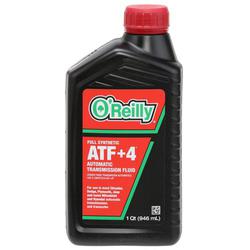
- W5A580/NAG1: Use ATF+4 (Automatic Transmission Fluid +4), Chrysler part number 68218057AA or equivalent.
- 65RFE: Also uses ATF+4.
Never mix different types of fluid. Using the wrong type can cause shifting problems and damage.
It’s worth noting that ATF+4 is a synthetic fluid designed for high temperatures and long life. Some shops might try to sell you a “universal” fluid, but these are risky. Always check the bottle label for Chrysler approval. Using the wrong fluid can void your warranty and create expensive problems that could have been easily avoided.
How Much Transmission Fluid Is Needed?
The amount of fluid your Jeep needs depends on what maintenance you’re doing:
- Drain and refill (not a full flush): About 5.5 to 6 quarts.
- Full rebuild or overhaul: May need up to 8.7 quarts.
Always check your owner’s manual or a trusted repair guide for your specific model.
If you only drain the pan, some old fluid remains in the torque converter and cooler lines. This is normal. When mechanics rebuild a transmission, they remove every drop, so more fluid is needed. If you’re topping off after a small leak, add fluid slowly and recheck often to avoid overfilling.
Signs Your Transmission Fluid Needs Attention
Here are common symptoms that your transmission fluid may be low or old:
- Rough shifting or slipping gears
- Delayed engagement when shifting from park to drive
- Strange noises like whining or grinding
- Burnt smell from the fluid
- Transmission overheating warning on the dash
If you notice any of these, check your fluid right away.
Another sign is reduced fuel economy, as a slipping transmission makes the engine work harder. Sometimes, you may also feel vibrations or shaking when accelerating. These problems usually get worse if you ignore them, so don’t wait for a warning light—your transmission might not have one.
How To Check Transmission Fluid Level
Checking the transmission fluid is simple, but many forget to do it. Here’s a beginner-friendly way:
- Warm up the vehicle by driving it for about 10-15 minutes.
- Park on a level surface and keep the engine running.
- Put the transmission in Park.
- Open the hood and find the dipstick labeled “Transmission.”
- Pull out the dipstick, wipe it clean, then reinsert it fully.
- Pull out again and check the fluid level against the marks (Full/Hot).
If the fluid is low, add the recommended ATF+4 fluid a little at a time.
Be sure to use a funnel to avoid spills. After adding fluid, wait a minute for it to settle, then recheck the level. It’s easy to add more, but hard to remove extra if you overfill. Also, check the color and smell each time—catching problems early can save you from major repairs.
How To Change Transmission Fluid On A 2013 Grand Cherokee
Changing your transmission fluid at the right time keeps your Jeep running longer. Here’s a step-by-step guide for beginners:
- Lift the Jeep using ramps or a jack and secure with stands.
- Place a drain pan under the transmission pan.
- Remove the pan bolts carefully. Fluid will start to drain.
- Let all fluid drain (about 15–30 minutes).
- Replace the transmission filter if your model has one.
- Clean the pan and install a new gasket.
- Reinstall the pan and tighten bolts evenly.
- Add new ATF+4 fluid through the dipstick tube.
- Check the level and adjust as needed.
Pro tip: Don’t overfill. Too much fluid is as bad as too little.
If you’re new to car maintenance, it helps to take photos as you remove parts. This makes it easier to put everything back correctly. Wear gloves—transmission fluid can irritate skin. Dispose of old fluid responsibly at a recycling center. If you don’t have all the tools, some auto parts stores offer rental kits.
When Should You Change The Transmission Fluid?
Jeep recommends changing the transmission fluid every 60,000 miles for normal driving. If you tow heavy loads, drive off-road, or in hot weather, change it sooner, around 30,000 miles.
This schedule is important because heat, stop-and-go traffic, and towing all stress the transmission. If you often drive in the city or on hills, your fluid works harder and breaks down faster. Even if you don’t drive much, change the fluid every few years, as it can degrade over time.
Transmission Fluid Change Vs. Flush
There are two ways to service your transmission fluid:
- Fluid change: Drains out about half the old fluid and replaces it with new. Safer for older vehicles.
- Fluid flush: Uses a machine to push all old fluid out and new fluid in. Can clean more but may loosen debris.
For a 2013 Grand Cherokee, a simple change is usually enough unless the fluid is very dirty.
A flush is sometimes useful if the fluid is heavily contaminated, but it’s not always safe for high-mileage transmissions. If you’re unsure, ask a trusted mechanic. For most people, regular changes are the best way to avoid problems, unless you notice severe symptoms.
What Happens If You Ignore Transmission Fluid?
Neglecting transmission fluid leads to:
- Rough shifting
- Slipping gears
- Complete transmission failure
A new transmission can cost $3,000–$5,000. Regular fluid checks and changes are much cheaper.
Even if your Jeep still drives, ignoring the fluid can cause small metal pieces to wear off and circulate, making the damage worse. Some repairs are not possible without a full rebuild. Small investments in fluid changes save you from unexpected breakdowns and towing costs.
Transmission Fluid Color Guide
Fresh transmission fluid is usually bright red. Here’s what the color tells you:
- Red and clear: Healthy fluid
- Brown or dark: Old, needs changing
- Black or burnt smell: Possible damage, change fluid soon
If you see metal shavings or a milky look, visit a mechanic.
It’s a good habit to check the fluid color at every oil change. If you see bubbles, water, or a strange texture, these are signs of bigger problems. Milky fluid may mean coolant is leaking into the transmission, which needs urgent attention.

Credit: www.youtube.com
Transmission Fluid Specifications Table
Here’s a quick comparison of fluid specs:
| Transmission Model | Recommended Fluid | Capacity (quarts) |
|---|---|---|
| W5A580/NAG1 | ATF+4 | 5.5 – 8.7 |
| 65RFE | ATF+4 | 5.5 – 8.7 |
Note: Always double-check your owner’s manual, as small differences in trim or options may affect the fluid capacity.
Cost Of Transmission Fluid Change
The cost depends on where you go:
- DIY: $40–$70 for fluid and filter
- Mechanic: $150–$250 (labor + parts)
- Dealership: $250–$350
Changing it yourself can save money, but make sure you follow the steps carefully.
If you’re not comfortable working under your Jeep, paying a mechanic is worth the peace of mind. Some shops offer discounts if you combine the fluid change with other services. Ask for a detailed receipt listing the fluid used, so you know you got the right product.
Credit: www.oreillyauto.com
Top Mistakes Beginners Make
- Using the wrong fluid: Always use ATF+4. Never mix brands or types.
- Overfilling: Too much fluid causes foaming and poor shifting.
- Not checking level properly: Fluid must be checked when hot and on level ground.
- Ignoring leaks: Small leaks can quickly lead to big problems.
Another common mistake is forgetting to change the filter or reusing an old gasket, which can cause leaks. Also, some people use sealers or additives that promise to “fix” transmission issues. These rarely work and can cause clogs.
How Transmission Fluid Affects Longevity
Well-maintained fluid can add 50,000–100,000 miles to your transmission’s life. Poor maintenance can shorten it by half. This is one reason why used Grand Cherokees with full service records are more valuable.
Buyers and mechanics often check the transmission fluid before buying a used car. Clean, fresh fluid is a sign of good care, which can increase your Jeep’s resale value and help you negotiate a better price if you ever sell.

Credit: www.carcarekiosk.com
Practical Example: Used Jeep Grand Cherokee
Let’s say you buy a 2013 Grand Cherokee with 90,000 miles. The owner never changed the transmission fluid. Here’s what could happen:
- Fluid is dark and smells burnt.
- Transmission slips when accelerating.
- You get a $3,500 repair bill after just a few months.
If you change the fluid right after buying, you may prevent most problems.
A smart buyer will ask for maintenance records. If the seller cannot show transmission service, budget for a fluid change as soon as you take ownership. This small step can save you from costly surprises and keep your Jeep driving smoothly.
Transmission Fluid Vs. Engine Oil
People often confuse these fluids. Here’s a quick comparison:
| Engine Oil | Transmission Fluid |
|---|---|
| Lubricates engine parts | Lubricates transmission parts |
| Needs changing every 3,000-7,500 miles | Needs changing every 60,000 miles |
| Checked with dipstick (cold/hot) | Checked with dipstick (hot) |
| Usually brown/amber | Usually red |
Remember, never use engine oil in the transmission or vice versa. Each fluid is specially designed for its job.
How To Spot A Leak
Transmission leaks are common as vehicles age. Look for:
- Red fluid spots under the car
- Wet transmission pan
- Low fluid level on the dipstick
If you see a leak, fix it quickly to avoid damage.
Sometimes leaks come from worn seals or loose pan bolts. If you notice a burning smell or see smoke under the car, stop driving and check for leaks. Early repair costs much less than waiting until the fluid runs dry.
Frequently Asked Questions
How Often Should I Check My 2013 Jeep Grand Cherokee’s Transmission Fluid?
Check it at least once a month or before long trips. If you notice any shifting problems, check immediately.
Can I Use Any Brand Of Atf+4 Fluid?
You can use any licensed ATF+4 brand, but avoid cheap, unapproved fluids. Always check the label for compatibility with Chrysler vehicles.
Is A Transmission Fluid Flush Safe For High-mileage Jeeps?
A flush can sometimes loosen debris and cause issues in high-mileage transmissions. For older vehicles, a simple drain and refill is safer unless a mechanic recommends otherwise.
What Happens If I Overfill The Transmission?
Overfilling can cause the fluid to foam, leading to slipping gears and poor shifting. Always add fluid slowly and check levels carefully.
Where Can I Find More Information On Jeep Maintenance?
For official recommendations, visit the Jeep official website.
Caring for your 2013 Jeep Grand Cherokee’s transmission fluid is one of the simplest ways to protect your investment. With regular checks and timely fluid changes, your SUV will run smoother and last longer. Remember, a few minutes of maintenance can save thousands in repairs—making it worth every effort.