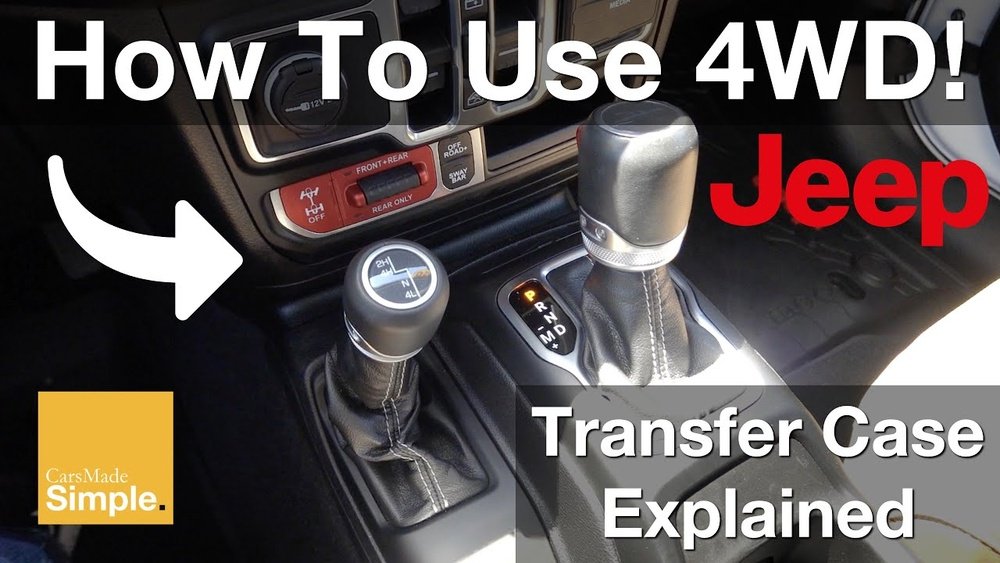
How to Shift Jeep Wrangler into 4 Wheel Drive: Easy Guide
 Reading Time: 8 minutes
 Shifting your Jeep Wrangler into 4-wheel drive (4WD) can feel confusing, especially if you’ve never done it before. Many drivers worry about making mistakes, damaging their vehicle, or just not knowing when and how to use 4WD. In this article, you’ll learn exactly how to shift your Jeep Wrangler into 4WD, with clear steps, real-world examples, and practical advice. Whether you’re facing snowy roads, muddy trails, or rocky terrain, you’ll feel confident using this powerful feature.
Understanding Jeep Wrangler 4wd Systems
Jeep Wranglers come with different 4WD systems. The most common are Command-Trac and Rock-Trac. Both systems let you choose between 2WD (two-wheel drive) and 4WD modes. Knowing your Jeep’s system is important because the shifting process can be a little different.
- Command-Trac: Standard on most Wranglers. Great for off-road and slippery conditions.
- Rock-Trac: Found in Rubicon models. Offers extra control and low-speed power for tough terrain.
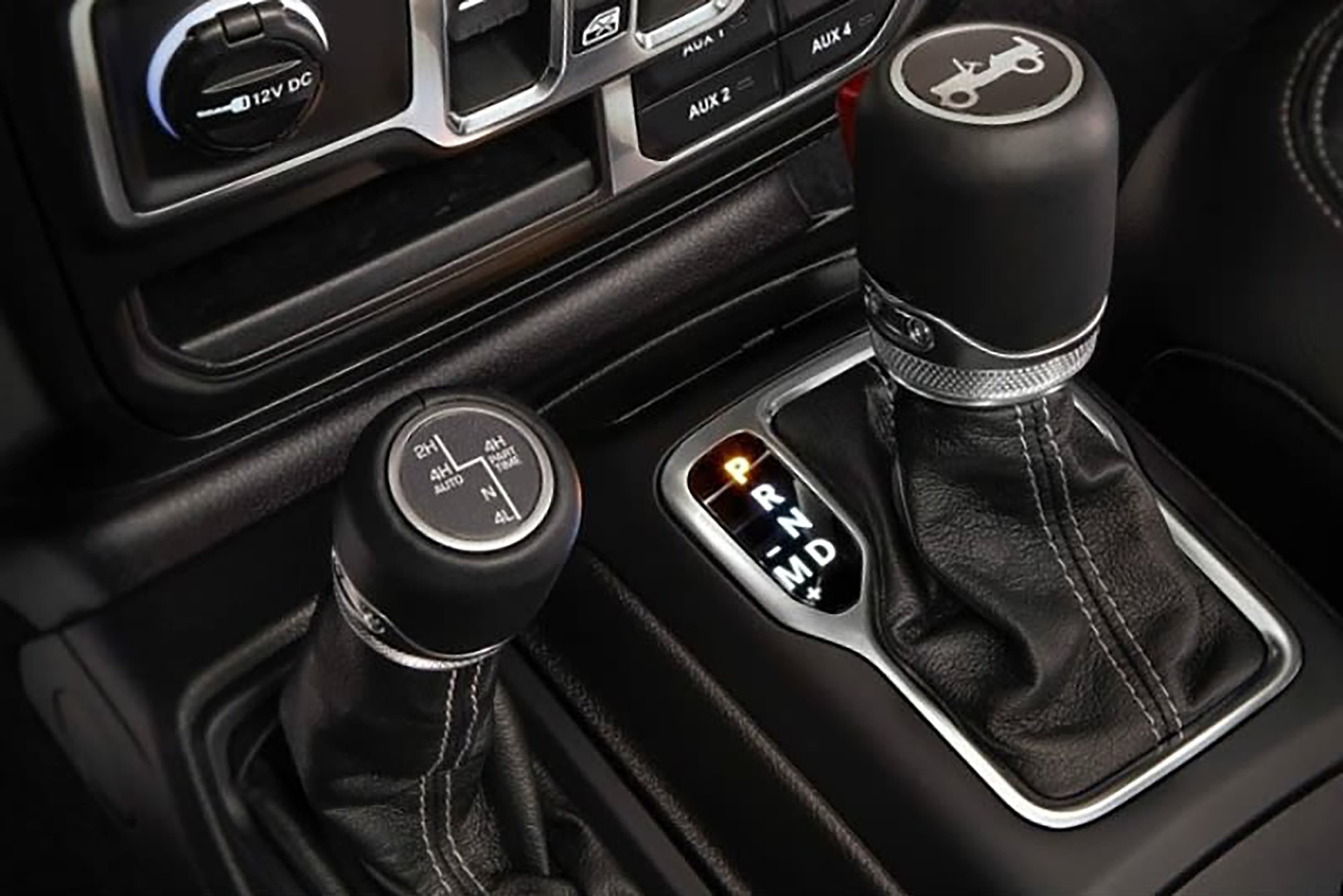
You can find your Jeep’s 4WD type in the owner’s manual or on the shifter label.
Key 4wd Modes
Most Jeep Wranglers have these modes:
- 2H (Two-Wheel Drive High): Regular driving on dry roads.
- 4H (Four-Wheel Drive High): For snow, mud, or loose surfaces.
- N (Neutral): Disengages the transmission. Used for towing.
- 4L (Four-Wheel Drive Low): For tough off-road, steep hills, or deep sand.
Here’s a simple look at when to use each mode:
| Mode | When to Use | Recommended Speed |
|---|---|---|
| 2H | Normal roads, dry pavement | Any speed |
| 4H | Rain, snow, dirt, gravel | Up to 55 mph |
| 4L | Steep climbs, deep mud, rocks | Up to 25 mph |
Benefits Of Using 4wd In Your Jeep Wrangler
Switching to 4WD gives you better grip and control. Here’s why it matters:
- Safer driving in slippery conditions (snow, mud, ice)
- Improved off-road performance (rocks, steep hills)
- Less chance of getting stuck
- Protects your Jeep’s transmission when used correctly
Many beginners don’t realize that using 4WD on dry pavement can actually harm the drivetrain. Always use 4WD only where there’s low traction.
Preparing To Shift Into 4wd
Before you shift, do a quick check:
- Make sure you’re driving under 55 mph (for 4H)
- For 4L, you must be fully stopped or moving very slowly (1–3 mph)
- Keep your wheels straight, not turned
Pro tip: Find a safe, flat place to practice shifting before you really need it. This builds your confidence.
How To Shift Your Jeep Wrangler Into 4 Wheel Drive
Let’s walk through the steps for each mode. The process is slightly different for each, so pay close attention.
1. Shifting From 2h To 4h (four-wheel Drive High)
This is the most common shift, used for rain, snow, or loose dirt. Here’s how to do it:
- Drive at a steady speed (under 55 mph).
- Take your foot off the gas pedal but keep rolling.
- Firmly pull the 4WD lever from 2H to 4H. You may feel a slight bump.
- Return to the gas pedal and continue driving.
You don’t need to stop the Jeep. This is called “shift-on-the-fly.”
Beginner insight: Some drivers hesitate because they fear grinding gears. Don’t worry. Jeep’s system is designed for this. Just move the lever in one smooth motion.
2. Shifting From 4h To 4l (four-wheel Drive Low)
Use this for deep mud, sand, steep hills, or rock crawling. The process is more careful:
- Come to a complete stop or roll at 1–3 mph.
- Shift the transmission to Neutral (N).
- Pull the 4WD lever straight down from 4H to 4L. You may feel extra resistance.
- Wait for the 4WD light to show “4L” on your dashboard.
- Shift the transmission back to Drive (D) or First gear (manual transmission).
- Drive slowly. Speeds should not go above 25 mph in 4L.
Practical example: If you’re on a steep, rocky trail, switch to 4L before the climb. This gives you more torque and control.
Common mistake: Forgetting to put the transmission in Neutral before shifting to 4L. This can prevent the Jeep from going into 4L and may cause gear grinding.
3. Shifting From 4l Back To 4h Or 2h
After you finish off-roading, you’ll want to return to normal driving mode. Follow these steps:
- Stop the vehicle or roll slowly (1–3 mph).
- Shift the transmission to Neutral (N).
- Push the 4WD lever from 4L to 4H (for gravel or snow) or all the way to 2H (for dry pavement).
- Wait for the dashboard light to confirm the mode change.
- Put the transmission into Drive (D) or First gear.
- Drive as normal.
Switching out of 4L always requires the vehicle to be stopped or barely moving.
Beginner insight: Leaving your Jeep in 4L on regular roads makes the engine work harder and burns more fuel. Always switch back to 2H when 4WD isn’t needed.
4. Using Neutral (n) In The 4wd Shifter
Neutral is used for special cases, like towing your Jeep with all four wheels on the ground. It disconnects the transmission from the wheels.
To shift to Neutral:
- Stop the Jeep completely.
- Set the transmission to Neutral (N).
- Move the 4WD lever into Neutral (N).
- Confirm the Jeep rolls freely (if towing).
Warning: Never drive in 4WD Neutral. This is only for towing or certain recovery situations.
Credit: www.reddit.com
Comparison: When To Use Each 4wd Mode
Choosing the right mode is key to protecting your Jeep and staying safe. Here’s a quick comparison:
| Situation | Best 4WD Mode | Reason |
|---|---|---|
| Light snow or rain | 4H | Better traction, safe for higher speed |
| Deep mud, sand | 4L | Maximum power, low speed |
| Dry highway | 2H | Best fuel efficiency, prevents drivetrain damage |
| Towing with all wheels down | N | Disengages transmission |
Practical Examples For Beginners
Imagine you’re driving your Jeep Wrangler and a snowstorm hits. The road is covered in slush and ice. Here’s what you do:
- Slow down to under 55 mph.
- Move the 4WD lever from 2H to 4H while still rolling.
- Drive with extra caution—4WD helps with grip, but you still need to brake gently.
Now, imagine you turn onto a muddy forest road:
- Stop the Jeep at the entrance.
- Shift into Neutral, then pull the lever to 4L.
- Drive slowly through the mud, letting 4L handle the tough spots.
These steps are simple, but they make a big difference.
Credit: www.quadratec.com
Troubleshooting Common 4wd Issues
Even with the right steps, you might face problems. Here’s how to handle them:
- 4WD won’t engage: Make sure you’re at the correct speed and the transmission is in Neutral (for 4L).
- Dashboard light blinks: Shift back to Neutral, then repeat the step. Sometimes the gears don’t line up perfectly on the first try.
- Strange noises: A small “clunk” is normal when shifting, but loud grinding or banging isn’t. If you hear these, stop and check the manual or call for help.
Pro tip: Always shift to 2H before driving long distances on dry roads. This prevents wear on your Jeep’s 4WD system.
Real-world Data: How Often Do Jeep Owners Use 4wd?
A recent survey shows that about 75% of Jeep Wrangler owners use 4WD at least once a month, mainly for:
- Off-roading trips
- Snowy winter driving
- Muddy or sandy roads
Only 10% use 4WD daily, usually in mountain or rural areas. Many new owners report feeling nervous the first few times, but confidence grows quickly with practice.
How To Maintain Your Jeep’s 4wd System
Proper maintenance keeps your 4WD working smoothly:
- Shift into 4WD every few weeks, even if you don’t need it. This keeps parts lubricated.
- Check the transfer case fluid every 30,000 miles or as your manual suggests.
- Listen for unusual sounds after shifting. Unusual noises can signal a problem.
- Have your Jeep inspected by a certified mechanic if you notice any issues.
Many beginners forget about 4WD maintenance, but it’s just as important as oil changes or tire rotations.
Quick Comparison: Manual Vs Automatic Transmission
Some drivers wonder if shifting into 4WD is different for manual vs automatic Jeeps. Here’s a summary:
| Transmission Type | Shifting into 4H | Shifting into 4L |
|---|---|---|
| Automatic | Under 55 mph, shift lever directly | Stop or crawl, shift transmission to Neutral first |
| Manual | Under 55 mph, shift lever directly | Stop or crawl, clutch in, shift transmission to Neutral first |
Both types need the transmission in Neutral for 4L. With a manual, just remember to press the clutch.

Credit: www.wikihow.com
Two Non-obvious Tips For Beginners
- Practice in a safe place before you actually need 4WD. Try shifting in a parking lot or on a quiet dirt road. This way, you won’t panic during bad weather or off-road situations.
- Don’t use 4WD on dry pavement. Many new Jeep owners think more traction is always better. But using 4H or 4L on dry roads can damage your Jeep’s drivetrain and tires. Always switch back to 2H when you return to normal roads.
Frequently Asked Questions
Can I Shift Into 4wd While Moving?
Yes, you can shift from 2H to 4H while driving under 55 mph. This is called “shift-on-the-fly.” For 4L, you need to stop or roll slowly and put the transmission in Neutral first.
How Do I Know If 4wd Is Engaged?
Look for the 4WD indicator light on your dashboard. You may also feel a slight change in how the Jeep drives. If you’re unsure, try making a slow, tight turn—you should feel extra resistance in 4WD.
Is It Safe To Use 4wd All The Time?
No. Only use 4WD when road conditions are slippery or you’re off-road. Using 4WD on dry pavement can damage your Jeep’s drivetrain and increase tire wear.
What Happens If I Shift Wrong?
If you shift incorrectly, you might hear a grinding noise or the 4WD light may blink. Stop, set the transmission to Neutral, and try again. Don’t force the shifter. If you’re still having trouble, check your manual or ask a mechanic.
Where Can I Learn More About My Jeep’s 4wd System?
You’ll find detailed info in your owner’s manual. For extra help, visit the official Jeep website for guides, videos, and tips.
Switching your Jeep Wrangler into 4-wheel drive doesn’t have to be stressful. With clear steps, regular practice, and a little confidence, you’ll be ready for anything the road (or trail) throws at you. Safe travels!