Jeep Commander Transmission Over Temp: Causes and Quick Fixes
 Reading Time: 7 minutes
 If you drive a Jeep Commander, you may have seen a warning light or message saying “Transmission Over Temp”. This alert can be worrying, especially if you’re not sure what it means or what to do next. Understanding this warning is important because acting quickly can protect your transmission and save you from expensive repairs. This article explains everything you need to know about the Jeep Commander Transmission Over Temp warning, using simple language and clear examples, so you can feel confident the next time this message appears.
What Does “transmission Over Temp” Mean?
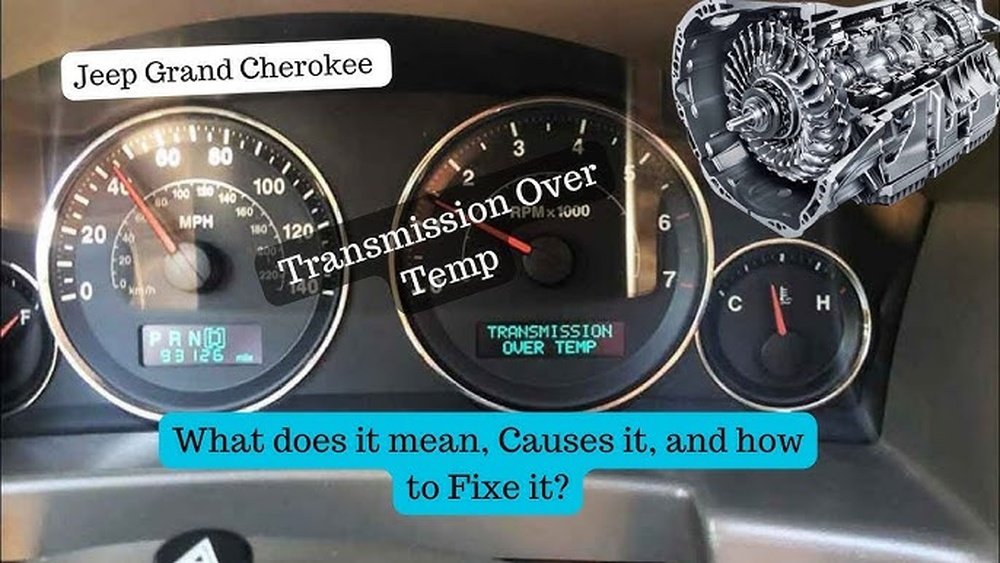
When your Jeep Commander shows a “Transmission Over Temp” warning, it means the transmission is running hotter than it should. Automatic transmissions have sensors that check temperature. If these sensors detect temperatures above a safe limit (usually above 250°F (121°C)), your vehicle’s computer triggers the alert.
Why is this a problem? Transmission fluid keeps all the moving parts cool and lubricated. If the fluid gets too hot, it can break down and lose its effectiveness. This can cause:
- Slipping gears
- Hard or delayed shifting
- Strange noises
- Long-term damage to transmission parts
Ignoring the warning can lead to complete transmission failure, which is one of the most expensive car repairs.
Common Causes Of Transmission Over Temp In Jeep Commander
Several problems can cause your Jeep Commander’s transmission to overheat. Here are the most frequent reasons:
- Low transmission fluid – Fluid cools the transmission. Low levels mean less cooling and more heat.
- Old or dirty fluid – Transmission fluid breaks down over time. Old fluid loses its ability to cool and lubricate.
- Heavy towing or loads – Pulling a trailer or carrying heavy cargo creates extra heat.
- Blocked transmission cooler – The transmission cooler removes heat. If it’s blocked or dirty, heat builds up.
- Stuck transmission solenoid – This part controls fluid flow. If it fails, the transmission can overheat.
- Cooling system problems – Issues with the radiator or cooling lines can affect transmission temperature.
Example Scenario
Imagine you’re towing a boat on a hot day. The transmission fluid works harder to keep things cool. If it’s already low or old, the fluid can quickly overheat, triggering the warning on your dashboard.
Signs Your Transmission Is Overheating
Besides the dashboard warning, your Jeep Commander may show other signs of trouble. Watch for these symptoms:
- Burning smell – Overheated fluid smells like burnt toast.
- Rough shifting – The transmission shifts late, hard, or slips out of gear.
- Leaking fluid – Puddles of red or brown fluid under your Jeep.
- Dashboard warning lights – Besides “Over Temp,” you might see a check engine light.
- Unusual noises – Whining or clunking sounds when shifting gears.
If you notice these signs, stop driving as soon as it’s safe. Let the vehicle cool down to avoid further damage.
How To Respond To A Transmission Over Temp Warning
If the warning comes on, here’s what to do:
- Pull over safely – Find a safe place to stop.
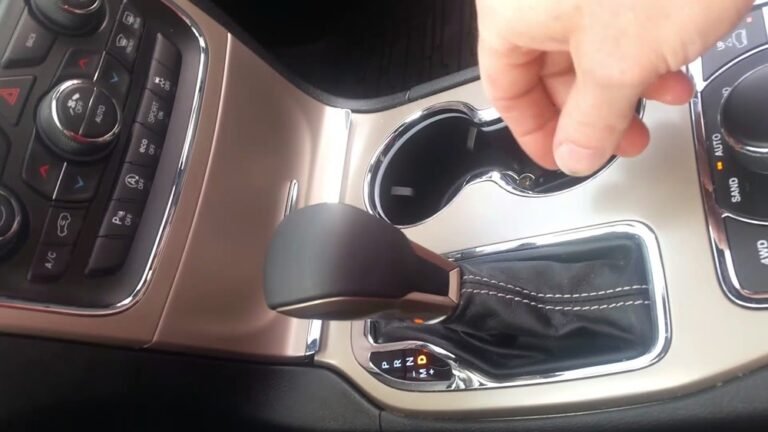
- Shift to Park and idle – Let your engine run while in Park. This keeps fluid moving and helps cool the transmission.
- Turn off air conditioning – This reduces the load on the engine and cooling system.
- Wait for the warning to go away – Most warnings disappear after the transmission cools down.
- Check fluid level – If you know how, check your transmission fluid. Add more if it’s low, using the correct type for your Jeep.
- Drive gently – After cooling, drive slowly to a repair shop if the warning stays off.
Never ignore the warning or try to keep driving hard. This can cause major damage fast.

Credit: www.youtube.com
Diagnosing The Transmission Over Temp Problem
Finding out why your transmission is overheating is key to fixing it. Here are the main steps:
1. Check Transmission Fluid
- Park on level ground with the engine running and the transmission in Park.
- Pull out the dipstick, wipe it clean, reinsert, and check fluid level and color.
- Healthy fluid is red or pink and smells sweet. Burnt or brown fluid signals trouble.
2. Inspect The Transmission Cooler
- Look for dirt, debris, or leaks around the transmission cooler (usually near the radiator).
- Blocked or leaking coolers can’t remove heat effectively.
3. Scan For Trouble Codes
- Use an OBD-II scanner to check for error codes.
- Common Jeep Commander codes for transmission overheating include P0218 (transmission over temp) and P0700 (transmission control system fault).
4. Examine Transmission Lines
- Check for crushed, bent, or leaking transmission fluid lines.
If you’re not comfortable with these checks, a mechanic can help.
Transmission Fluid Types And Change Intervals
Using the right transmission fluid and changing it on time is one of the best ways to avoid overheating.
Jeep Commander Transmission Fluid Types
Most Jeep Commanders use ATF+4 automatic transmission fluid. Using the wrong fluid can cause poor shifting and overheating.
When To Change Transmission Fluid
- Jeep recommends changing transmission fluid every 60,000 miles or sooner if you tow often.
- Check your owner’s manual for your model year.
Here’s a quick comparison of fluid types and change intervals:
| Model Year | Fluid Type | Change Interval (miles) |
|---|---|---|
| 2006-2010 | ATF+4 | 60,000 |
| 2011+ | ATF+4 | 60,000 |
If you tow heavy loads or drive in hot climates, change the fluid more often.
Cost Of Repairing Transmission Over Temp Issues
The cost to fix transmission overheating depends on the cause. Here’s a breakdown:
- Fluid change: $100–$250
- Transmission flush: $150–$300
- Cooler replacement: $300–$700
- Solenoid replacement: $200–$500
- Full rebuild: $2,000–$4,000
Prevention is much cheaper than repair. Regular checks and fluid changes save money in the long run.
How To Prevent Transmission Overheating
Simple steps can keep your Jeep Commander’s transmission in good shape:
- Check fluid level monthly
- Change fluid and filter on schedule
- Don’t tow more than your Jeep’s rated capacity
- Install an auxiliary transmission cooler if you tow often
- Service the cooling system (radiator, fans) regularly
- Drive gently in hot weather or heavy traffic
Here’s a comparison of common prevention methods:
| Prevention Method | Effectiveness | Cost |
|---|---|---|
| Regular fluid change | High | Low |
| Auxiliary cooler | Very High | Medium |
| Driving gently | Medium | None |

Credit: www.jeepforum.com
Real-world Example: How One Owner Fixed The Problem
Sarah owns a 2008 Jeep Commander. One summer, she saw the Transmission Over Temp warning while driving up a hill with her trailer. She stopped, checked her fluid, and saw it was dark and low. After letting the Jeep cool down, she drove slowly to her mechanic.
The mechanic found:
- Old, burnt transmission fluid
- A partially blocked transmission cooler
They performed a fluid flush and cleaned the cooler. The warning disappeared, and Sarah never had the problem again.
Key insight: Many overheating problems are fixed by simple maintenance before they turn serious.
Two Surprising Facts Most Beginners Miss
- Transmission overheating often starts with poor cooling system maintenance. The radiator and transmission cooler work together. A dirty radiator can make your transmission overheat, even if fluid levels are fine.
- Heavy stop-and-go traffic can overheat transmissions as much as towing. Many think only towing is risky. But city driving in hot weather puts huge stress on your transmission.
Credit: www.jeepforum.com
When To See A Mechanic
Some issues are easy to fix yourself, like adding fluid. But see a mechanic if:
- The warning comes back after you add fluid
- You see leaks or broken parts
- The transmission makes loud noises or won’t shift
Professional mechanics can check for hidden problems using special tools.
Transmission Over Temp Vs. Check Engine Light
You might wonder how these warnings are different. Here’s a simple comparison:
| Warning | What It Means | Action Needed |
|---|---|---|
| Transmission Over Temp | Transmission is too hot | Stop, cool down, check fluid |
| Check Engine Light | Any engine or transmission issue | Scan for codes, diagnose problem |
The Transmission Over Temp warning is more urgent. Stop your Jeep as soon as possible to prevent severe damage.
Frequently Asked Questions
What Is The Normal Operating Temperature For A Jeep Commander Transmission?
Most Jeep Commander transmissions work best between 175°F and 200°F (79°C to 93°C). Temperatures above 220°F (104°C) can shorten fluid life and damage parts.
How Do I Check The Transmission Fluid In A Jeep Commander?
- Warm up your engine.
- Park on level ground.
- Leave the engine running and shift to Park.
- Pull the transmission dipstick, wipe it, reinsert, and check the level.
- The fluid should be pink or red and reach the “Full” mark.
Can I Drive With The Transmission Over Temp Warning On?
No, it’s not safe. Driving with this warning can cause major damage. Stop, let the Jeep cool, and check the fluid before driving further.
Does An Auxiliary Transmission Cooler Help?
Yes. An auxiliary cooler can lower transmission temperatures by up to 30°F. It’s a good upgrade for towing or hot climates.
Where Can I Find More Information About Jeep Commander Transmissions?
The Jeep Commander owner’s manual and trusted websites like Wikipedia have more details on transmission specs and maintenance.
Taking care of your Jeep Commander’s transmission is simple with the right knowledge. Respond quickly to overheating warnings, keep up with maintenance, and your transmission will last for many years.