1996 Jeep Grand Cherokee Transmission Problems and Solutions
 Reading Time: 9 minutes
 The 1996 Jeep Grand Cherokee is a classic SUV loved by many for its strong build and reliable performance. One of its most important parts is the transmission. If you’re new to car maintenance or just curious about how this Jeep works, understanding its transmission can help you keep your vehicle running smoothly. This article breaks down the basics, common problems, maintenance tips, and practical examples. By the end, you’ll know how the transmission affects your driving, how to care for it, and what to do if something goes wrong.
What Is The Transmission In The 1996 Jeep Grand Cherokee?
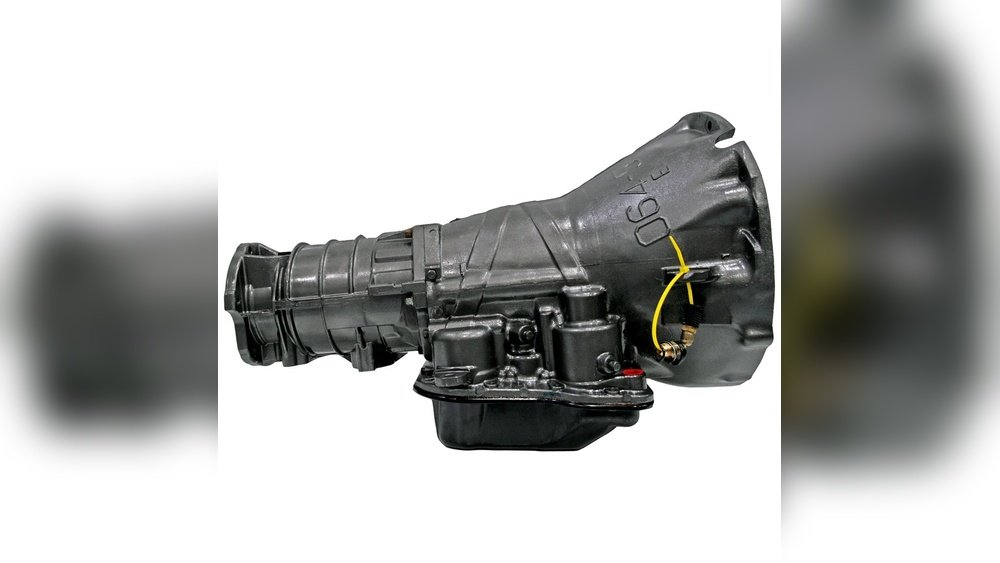
The transmission is the system that transfers power from the engine to the wheels. It decides how fast you go and how much force is needed to move the SUV. The 1996 Jeep Grand Cherokee mainly came with automatic transmissions, which means you don’t need to shift gears manually.
Key Transmission Types
- 42RE Automatic Transmission:
This was the most common transmission in the 1996 Grand Cherokee. It’s a 4-speed automatic made for easy driving. It’s designed to handle the power of the Jeep’s 4. 0L or 5. 2L engines, making it suitable for both city and highway driving.
The 42RE is also valued for its simple design, which makes repairs and maintenance easier compared to newer, more complex transmissions.
- AW4 Automatic Transmission:
Found in some special models. It’s also a 4-speed automatic but built for durability. The AW4 is known for lasting a long time if cared for properly. It’s often found in models with the 4. 0L engine and is popular among off-road enthusiasts because it handles rough conditions well.
- Manual Transmission:
Rare in this year, but some models had a 5-speed manual option. Manual transmissions give more direct control, which some drivers prefer, especially for off-roading or towing. However, most Grand Cherokees from 1996 were automatic.
Many owners don’t realize that the transmission type affects how their Jeep responds to driving situations. For example, the automatic is easier for city traffic, while the manual gives more control on hills or when pulling heavy loads.
Basic Transmission Functions
Understanding what the transmission does helps you notice problems early.
- Shifts Gears:
Changes gears as you speed up or slow down. When you press the gas, the transmission automatically selects the right gear for smooth acceleration or deceleration.
- Controls Power:
Adjusts how much power goes to the wheels. The transmission can send more power for quick starts or less for cruising, making the SUV flexible for different driving needs.
- Improves Fuel Economy:
Keeps the engine working efficiently. By picking the best gear for the speed, the transmission helps the engine use less fuel and reduces wear.
Why Is Transmission Important?
- Smooth Driving:
If the transmission works well, your ride feels smooth. Gear changes happen quietly and without jerks.
- Safety:
Proper gear changes help you control the SUV. Sudden gear shifts or delays can make driving dangerous, especially in slippery conditions.
- Longevity:
Caring for the transmission extends your Jeep’s life. Many Grand Cherokees last over 200,000 miles if the transmission is properly maintained.
A common misunderstanding is thinking the transmission only affects speed. In reality, it controls how the Jeep handles hills, towing, and even emergency stops.
Transmission Specifications And Data
Here’s a quick look at the key specs for the 1996 Jeep Grand Cherokee transmissions:
| Transmission Model | Type | Number of Gears | Fluid Capacity (qt) | Common Vehicles |
|---|---|---|---|---|
| 42RE | Automatic | 4 | 4.0 | Grand Cherokee, Dakota |
| AW4 | Automatic | 4 | 3.5 | Cherokee, Grand Cherokee |
| NV3550 | Manual | 5 | 3.5 | Cherokee, Wrangler |
Knowing your transmission model is useful when buying parts or checking fluid specifications. Some beginners buy the wrong fluid or filter because they don’t check their transmission type first.
Common Transmission Problems
Even strong transmissions can have issues. Here are problems you may face with the 1996 Jeep Grand Cherokee transmission:
- Slipping Gears
- The transmission changes gears by itself.
- You feel the engine revving but the SUV doesn’t speed up as expected.
- This can happen on hills or when accelerating hard. Ignoring slipping gears leads to faster wear and possible breakdown.
- Delayed Shifting
- There is a pause when shifting from park to drive or reverse.
- Sometimes the delay is only a second, but it can get worse over time. Regular fluid changes can help prevent this.
- Transmission Fluid Leaks
- Fluid under your Jeep can mean a leak.
- Low fluid leads to bad gear changes and possible damage.
- Leaks often come from worn gaskets or seals. If you park in the same spot regularly, check for red fluid marks.
- Check Engine Light
- Sometimes transmission problems trigger this warning.
- The Jeep’s onboard computer can sense transmission issues, so don’t ignore this light.
Example:
If your Jeep hesitates before moving, check the transmission fluid first. Most beginners miss this easy fix. Sometimes, simply topping up the fluid restores smooth shifting and saves you from costly repairs.
Transmission Maintenance Tips
Keeping your transmission healthy is simple if you follow basic steps:
- Check Fluid Regularly:
Transmission fluid should be checked monthly. Low or dirty fluid causes problems. If you drive in hot climates or tow often, check more frequently.
- Change Fluid and Filter:
Replace every 30,000 miles or sooner if you drive in tough conditions. The filter keeps dirt out of the transmission, so don’t skip this step.
- Avoid Overheating:
Transmission gets hot during towing or long drives. Let your Jeep cool off when needed. Use lower gears when climbing hills to reduce heat.
- Use Correct Fluid:
Always use the right fluid type (usually ATF+3 for 42RE). Using the wrong fluid can cause slipping and poor performance.
Practical Maintenance Example
If you notice your gear shifts getting rough, try changing the transmission fluid and filter first. This fixes many simple issues and is often overlooked by beginners. People sometimes spend money on repairs when a fluid change would solve the problem.
Another common mistake is not tightening the pan bolts after changing the filter, which can cause leaks. Always double-check after maintenance.
Transmission Performance Comparison
How does the 1996 Jeep Grand Cherokee transmission compare with other SUVs from the same year?
| Vehicle | Transmission Type | Number of Gears | Average Repair Cost ($) |
|---|---|---|---|
| Jeep Grand Cherokee | 42RE Automatic | 4 | 1,800 |
| Ford Explorer | 4R55E Automatic | 4 | 2,000 |
| Chevy Blazer | 4L60E Automatic | 4 | 2,100 |
The Jeep’s transmission is known for being easier to repair and for lower parts costs. Many owners choose the Grand Cherokee for reliability and better long-term value.
Signs Your Transmission Needs Attention
Spotting signs early prevents costly repairs.
- Strange Noises:
Whining, clunking, or humming sounds when shifting. These noises can mean internal damage or worn bearings.
- Burning Smell:
A burnt odor may mean overheating or fluid problems. This is often caused by old fluid that can’t cool the transmission well.
- Difficulty Shifting:
Hard or rough gear changes. Sometimes the shifter feels stuck or requires extra force.
- Transmission Fluid Color:
Should be bright red. Brown or black means it’s old. If you see bubbles or foam, it can mean contamination.
Non-obvious Insight
Many beginners ignore small leaks. Even a few drops of fluid under your Jeep can lead to big problems if not fixed quickly. Regularly check under your vehicle, especially after long drives or parking overnight.
Transmission Replacement And Repair
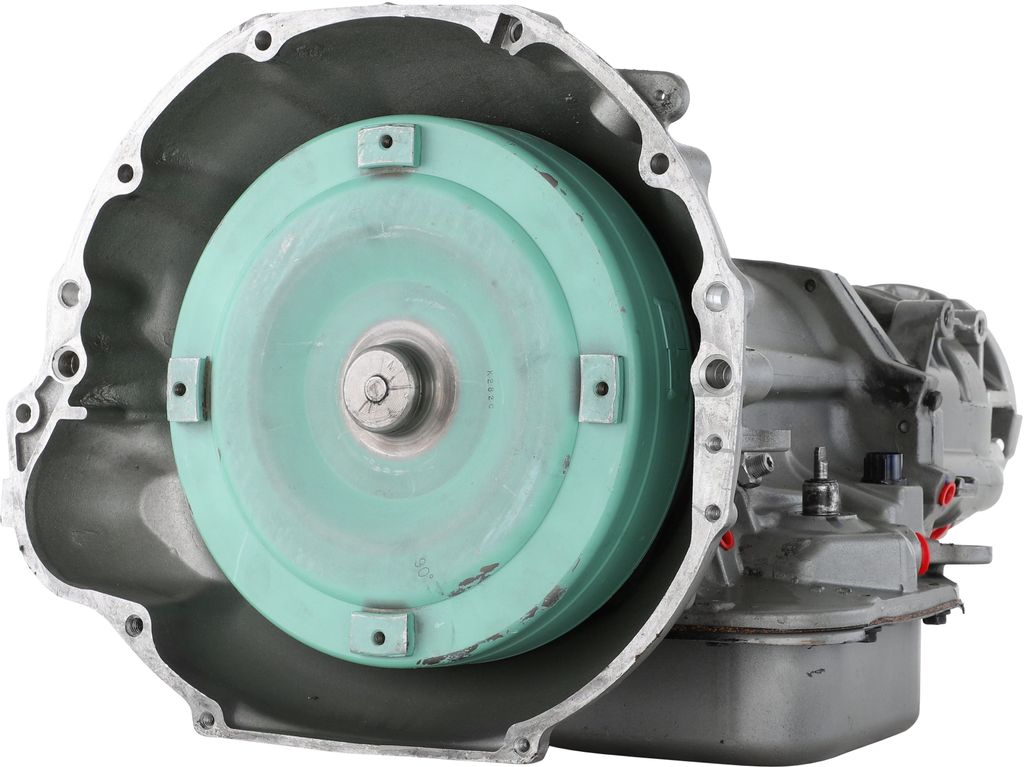
If your transmission fails, you have two main choices:
- Repair:
- Fix only the broken parts (like solenoids or seals).
- Cheaper but sometimes only a short-term fix.
- Repairs often work for minor issues but can become costly if multiple parts fail.
- Replacement:
- Swap for a rebuilt or new transmission.
- Costs more but lasts longer.
- Rebuilt transmissions come with warranties, which can save money in the long run.
Example Costs
- Basic Repair: $500–$1,200
- Full Replacement: $1,800–$2,500
Before spending money, get a mechanic’s opinion. Sometimes a simple fluid change solves the issue. Also, ask if your transmission can be rebuilt instead of fully replaced to save money.
Credit: reman-transmission.com
How To Check Transmission Fluid
Checking fluid is easy and important:
- Park your Jeep on a level surface.
- Turn on the engine and let it run for a few minutes.
- Pull out the transmission dipstick, wipe it clean, put it back, then pull it out again.
- Look at the fluid level and color.
If fluid is low or dirty, refill or change it. The dipstick usually has marks for “Full” and “Add,” making it easy to check.
Common Mistake
Many beginners check fluid when the engine is cold. Always check when the engine is warm for an accurate reading. If the fluid is foamy, there may be air in the system—another sign of trouble.
Driving Tips For Transmission Longevity
Protect your transmission by following these tips:
- Avoid sudden starts and stops. Rapid acceleration and hard braking stress the transmission.
- Don’t overload your Jeep. Extra weight heats up the transmission.
- Use proper gear for towing. Always use lower gears when towing heavy loads.
- Let your engine warm up in cold weather. Cold fluid moves slowly, causing rough shifts.
You can also avoid using “overdrive” when towing or climbing hills. This prevents overheating and extends the life of your transmission.
Credit: www.moparpartsgiant.com
Transmission Upgrade Options
Some owners want better performance. Here’s how you can upgrade:
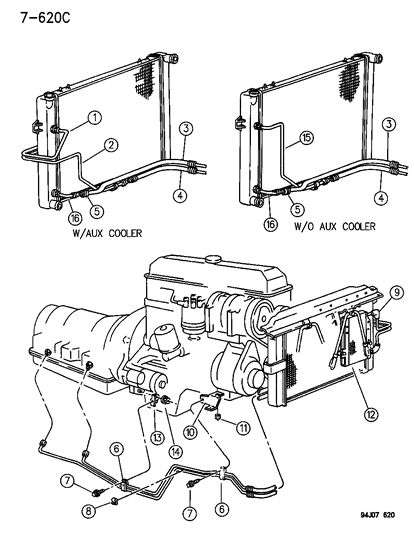
- Install a transmission cooler:
Helps prevent overheating, especially when towing. Coolers are easy to install and reduce wear from heat.
- Upgrade to synthetic fluid:
Lasts longer and protects better. Synthetic fluid flows well in both hot and cold conditions.
- Choose performance parts:
Heavy-duty parts for off-road use. These can include stronger clutch packs, shift kits, or reinforced housings.
Before upgrading, check compatibility and ask a mechanic for advice. Upgrades can improve reliability but may cost more upfront.
Real-world Example: Transmission Failure
A 1996 Jeep Grand Cherokee owner noticed rough shifting and slipping. After checking, they saw the fluid was low and dirty. A fluid and filter change fixed the issue. This simple step is often missed by new owners.
If your Jeep still has problems after a fluid change, it’s time to see a mechanic. Waiting too long can turn a small problem into a full transmission failure.
Data Table: Transmission Fluid Types
Choosing the right fluid is key. Here’s a quick reference:
| Transmission Model | Recommended Fluid | Change Interval (miles) |
|---|---|---|
| 42RE | ATF+3 | 30,000 |
| AW4 | Dexron III | 30,000 |
| NV3550 | Gear Oil | 50,000 |
The right fluid keeps your transmission cool and helps all parts work smoothly. Never mix fluid types unless the manual allows it.
Helpful Resources
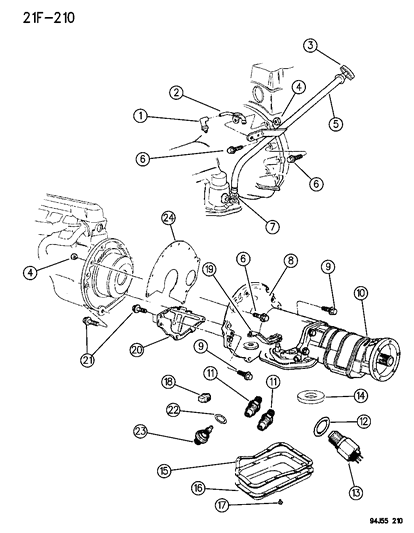
For more details about the 1996 Jeep Grand Cherokee transmission, visit the official Jeep site or trusted auto repair guides. One good source for technical information is the Wikipedia Jeep Grand Cherokee page. You can also ask local mechanics or join Jeep owner forums online for real-world advice.
Credit: www.moparpartsgiant.com
Frequently Asked Questions
What Type Of Transmission Does The 1996 Jeep Grand Cherokee Have?
Most 1996 Jeep Grand Cherokees use the 42RE automatic transmission. Some special models use AW4 or a rare manual transmission. Always check your VIN or owner’s manual to confirm.
How Often Should I Change The Transmission Fluid?
Change the fluid every 30,000 miles or sooner if you drive in tough conditions like towing or off-roading. If you notice fluid turning brown, change it even if you haven’t reached the mileage.
What Are Signs Of Transmission Trouble?
Look for slipping gears, strange noises, fluid leaks, and the check engine light. Catching issues early saves money. Also, pay attention to sudden jerks or delays when shifting.
Is Transmission Repair Expensive?
Basic repairs cost $500–$1,200. Full replacements can be $1,800–$2,500. Prices vary by location and problem. Always get a second opinion before major repairs.
Can I Upgrade My Transmission For Better Performance?
Yes. Adding a transmission cooler, using synthetic fluid, and installing heavy-duty parts can improve reliability, especially for towing or off-road driving. Upgrades also help if you plan to keep your Jeep for many more years.
If you own a 1996 Jeep Grand Cherokee, paying attention to the transmission will keep your SUV running strong for years. Regular checks, the right fluid, and prompt repairs help you avoid major problems. Even simple steps like checking fluid monthly can make a big difference. As a beginner, following these tips gives you confidence and saves money.


