
How Reliable is a Jeep Renegade: Expert Insights and Owner Reviews
 Reading Time: 8 minutes
 Buying a car is a big decision, especially when you want something reliable for daily use. The Jeep Renegade is a small SUV that attracts many people because of its unique style, off-road ability, and compact size. But how reliable is a Jeep Renegade in real life? If you are considering this vehicle, you probably want honest answers about its dependability, repair costs, and what you can expect as an owner.
This article breaks down everything you need to know about the reliability of the Jeep Renegade. We’ll look at real-world data, owner experiences, and how it compares to other SUVs in its class. You’ll also find practical tips for keeping a Renegade running smoothly and common mistakes to avoid.
By the end, you’ll have a clear, beginner-friendly understanding of whether the Jeep Renegade is a smart and reliable choice for you.
Jeep Renegade Overview
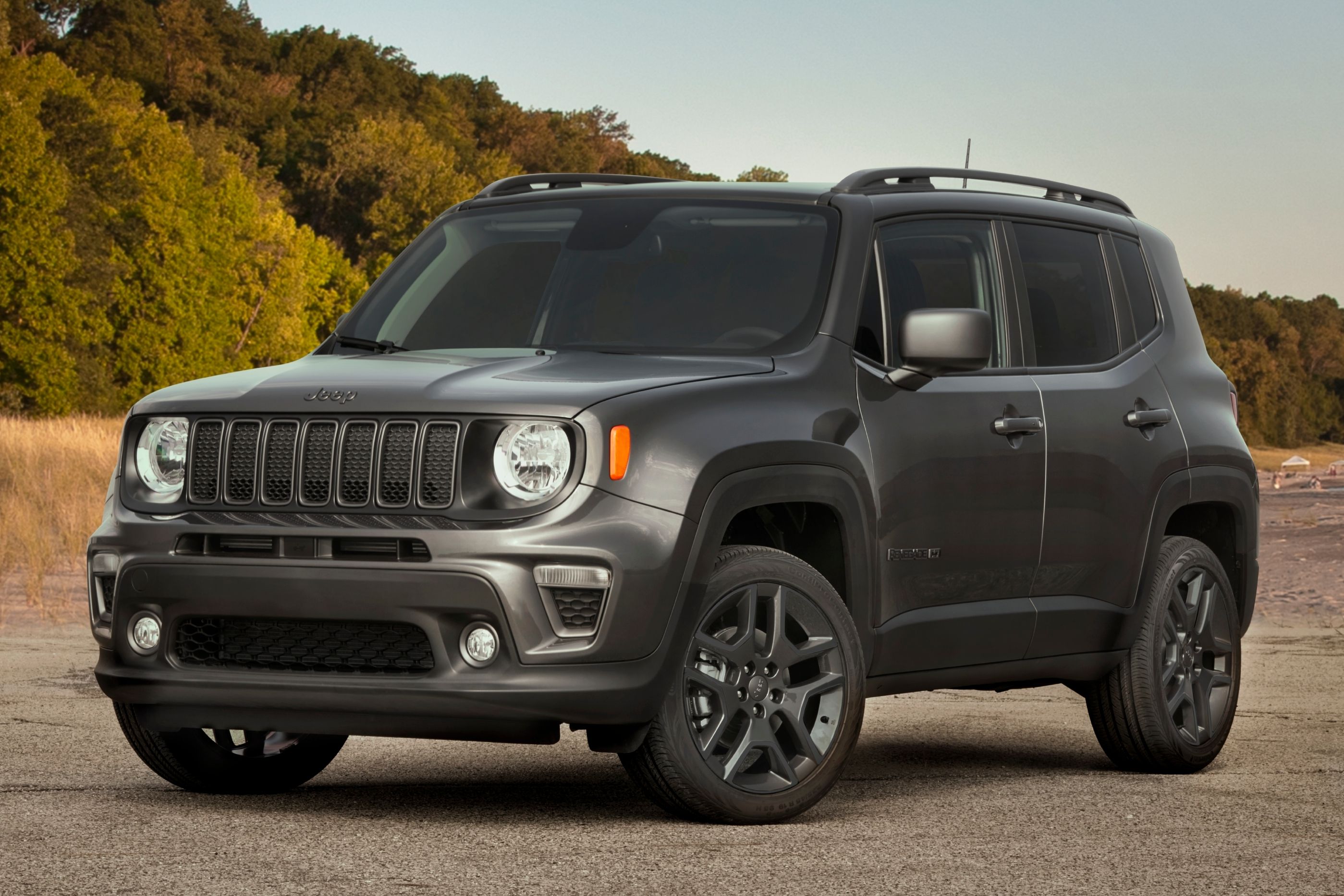
The Jeep Renegade first appeared in 2015. It quickly became popular among drivers who wanted an affordable SUV with off-road features. While it looks rugged, the Renegade is designed mainly for city and highway driving, with some models offering all-wheel drive for light off-roading.
Key features:
- Compact size, easy to park in small spaces
- Optional four-wheel drive (4WD) for better traction
- Modern technology, including touchscreens and safety systems
- Unique, boxy styling that stands out
The Renegade shares parts with other Fiat Chrysler vehicles, such as the Fiat 500X. This mix of Jeep’s off-road image and Italian engineering makes it different from bigger Jeeps like the Cherokee or Wrangler.
Reliability Ratings And Real-world Data
To judge a car’s reliability, it’s best to look at data from multiple sources. Here’s how the Jeep Renegade scores:
Popular Reliability Scores
- J.D. Power: The Renegade usually gets a reliability rating of about 74 out of 100. This is considered “average.”
- Consumer Reports: The vehicle’s reliability is often rated as “below average” for recent years. Owners report more problems than with some competitors.
- RepairPal: The Renegade gets a score of 4.0 out of 5.0, ranking it 9th out of 26 in the subcompact SUV category.
Common Owner Complaints
Most owners say they like the Renegade’s style and features, but some have concerns about:
- Electrical issues (radio, sensors, dashboard lights)
- Transmission problems (jerky shifting, delayed response)
- Engine warning lights appearing early
- Occasional issues with air conditioning
One insight that many beginners miss: Early models (2015–2017) reported more problems. Newer models (2019 onward) show fewer complaints, likely due to improved quality control.
Renegade Reliability Compared To Other Suvs
How does the Jeep Renegade stack up against its main rivals? This comparison helps put things in perspective:
| Model | Average Reliability Score | Annual Repair Cost |
|---|---|---|
| Jeep Renegade | 74/100 (J.D. Power) | $498 |
| Honda HR-V | 81/100 | $301 |
| Mazda CX-30 | 80/100 | $462 |
| Chevrolet Trax | 80/100 | $488 |
| Hyundai Kona | 82/100 | $468 |
Key takeaway: The Renegade’s reliability score is a bit lower than top competitors. Its repair costs are higher than some, but not the highest.
Credit: carbuzz.com
What Really Matters For Renegade Reliability
When looking at reliability, consider these main factors:
1. Engine And Transmission
The Renegade comes with several engine options:
- 1.3L Turbo: Newer models, more efficient, but some reports of turbo lag
- 2.4L Tigershark: Earlier models, more common problems (oil consumption, rough shifting)
Transmission issues are more likely in models before 2018. If you buy used, check if the transmission was repaired or replaced.
2. Electrical Systems
Owners often mention problems with:
- Infotainment system freezing or restarting
- Warning lights coming on without clear reason
- Power window failures
These are annoying but usually not expensive to fix. However, repeated small issues can add up in both time and money.
3. Build Quality
The Jeep Renegade is built in Italy, using many Fiat parts. Some materials inside feel less solid than Japanese or Korean rivals. For example:
- Some owners notice rattles or squeaks in the cabin
- Door seals may wear out faster, causing wind noise
While these don’t usually stop the car from running, they affect overall satisfaction.
4. Maintenance And Service
Every car needs regular service, but the Renegade is more sensitive to skipped maintenance. Common beginner mistake: Delaying oil changes or ignoring small issues can quickly lead to bigger, more expensive repairs.
Tip: Always follow the service schedule in the owner’s manual. Save every receipt for proof.
Long-term Ownership: What To Expect
How does the Jeep Renegade hold up after several years? Here’s what most owners find:
- First 3 years: Few major problems, especially with regular maintenance
- 3 to 6 years: Some will see electrical or transmission issues, mostly in early models
- Over 6 years: Wear and tear increase. Engine or transmission repairs become more likely
A study by iSeeCars shows that only about 0.6% of Renegades reach 200,000 miles or more. This is lower than the segment average (about 1.2%). For people who want to keep their car for a very long time, the Renegade may not be the best choice.
Cost Of Ownership
The total cost of a car includes more than just the price. For the Jeep Renegade, consider:
Repair And Maintenance Costs
- Average annual maintenance: $498 (RepairPal data)
- Common repairs include battery replacement, brake pads, and sensor resets
- Major repairs (transmission, engine) are less common but expensive
Depreciation
The Renegade loses value a bit faster than some rivals. After 5 years, it usually keeps about 50-55% of its original value. This is lower than the Honda HR-V or Mazda CX-30, which hold value better.
Insurance
Insurance rates are average for this class. If you choose a 4WD model, expect to pay a bit more.
Real Owner Experiences
To get a full picture, it helps to hear from real Renegade owners.
Positive feedback:
- Easy to drive and park in cities
- Good visibility and upright seating position
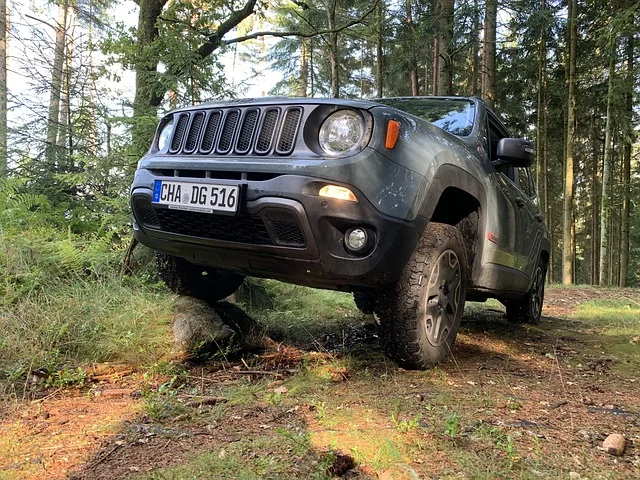
- Fun to drive, especially the Trailhawk version (off-road model)
- Unique style compared to other small SUVs
Negative feedback:
- Small cargo space for the class
- Engine can feel underpowered, especially the 2.4L version
- Annoying minor problems (dash lights, radio resets)
- Some repairs can take time due to imported parts
One non-obvious insight: Owners who do their own maintenance (like oil changes and filter replacements) often report fewer issues. Renegade engines are sensitive to low-quality oil and late service.
Common Problems And How To Avoid Them
If you are thinking about a Jeep Renegade, knowing what problems to watch for can save you money and stress.
Most Frequently Reported Problems
- Transmission failure: More common in 2015–2017 models. Signs include rough shifting or slipping gears.
- Electrical glitches: Infotainment, sensors, or dashboard lights acting up.
- Oil consumption: Some 2.4L engines use oil faster than expected. Check levels often.
- Window and door lock failures: Power windows and locks may stop working suddenly.
How To Prevent Problems
- Buy a newer model (2019 or later) for improved reliability
- Check service records if buying used—avoid cars with skipped maintenance
- Test all electronics during a test drive (radio, windows, locks)
- Change oil every 5,000–7,500 miles, even if the manual says longer
- Ask for a pre-purchase inspection from a trusted mechanic
Jeep Renegade Vs. The Competition
How does the Renegade perform compared to its main rivals? Here’s a practical side-by-side look:
| Feature | Jeep Renegade | Honda HR-V | Mazda CX-30 |
|---|---|---|---|
| Reliability | Average to below average | Above average | Above average |
| Off-road ability | Best in class (Trailhawk) | Low | Moderate |
| Cargo space | Small | Large | Medium |
| Fuel economy | 24–27 mpg | 28–34 mpg | 25–33 mpg |
| Resale value | Below average | Above average | Above average |
Summary: Choose the Renegade if you want off-road ability in a small SUV. But if your top goal is reliability and low running costs, the Honda HR-V or Mazda CX-30 are better options.

Credit: www.edmunds.com
Practical Tips For Jeep Renegade Owners
To get the best from a Jeep Renegade, try these tips:
- Use high-quality oil and change it often
- Don’t ignore warning lights—fix small problems early
- Keep all maintenance records for warranty and resale
- If you drive off-road, wash the underside to prevent rust
- Consider an extended warranty for added peace of mind
Who Should (and Should Not) Buy A Jeep Renegade
The Jeep Renegade is a good choice for people who:
- Want a small SUV with unique style
- Occasionally drive off-road or in snow
- Value tech features and easy parking
It may not be the best choice for:
- People who want the most reliable small SUV
- Drivers who plan to keep their car for over 10 years
- Those who need lots of cargo space
Credit: www.copilotsearch.com
Final Thoughts
The Jeep Renegade stands out with its bold looks, city-friendly size, and off-road options. However, its reliability is only average, and some years (especially before 2019) have more frequent issues. Maintenance costs are not the lowest, and long-term durability is not its strongest point.
If you want a fun and stylish small SUV for a few years, and you’re willing to keep up with maintenance, the Renegade is a solid pick. But if your top goal is maximum reliability, there are better choices in this class.
For more in-depth data, you can check the official Consumer Reports review.
Frequently Asked Questions
How Many Miles Will A Jeep Renegade Last?
Most Jeep Renegades last about 120,000 to 150,000 miles with regular maintenance. Only a small number reach 200,000 miles or more. Taking care of small problems early can help it last longer.
Is The Jeep Renegade Expensive To Maintain?
Maintenance costs are average for small SUVs, about $498 per year. Some repairs, like transmission or electrical fixes, can be higher than rivals. Skipping maintenance often leads to bigger bills.
Which Jeep Renegade Model Years Are The Most Reliable?
Models from 2019 onward are more reliable. Earlier years (2015–2017) had more transmission and electrical problems. Always check for a clean service history when buying used.
Is The Jeep Renegade Good For Winter Driving?
Yes, especially models with all-wheel drive or the Trailhawk version. Good ground clearance and traction control help in snow, but always use proper winter tires for best results.
Does The Jeep Renegade Have Any Major Recalls?
Yes, the Renegade has had a few recalls, mostly for electrical and transmission issues. Check the VIN with your dealer or the NHTSA website to make sure all recalls are fixed on your car.