2003 Jeep Grand Cherokee 47 Transmission: Ultimate Guide
 Reading Time: 7 minutes
 The 2003 Jeep Grand Cherokee 4.7 transmission is a major part of this popular SUV’s performance and reliability. If you own or plan to buy this model, understanding the transmission will help you keep your vehicle running well and avoid expensive mistakes. In this guide, you will learn about the transmission’s features, common problems, maintenance tips, and what to do if you have issues. This article uses simple language and clear examples to help beginners.
Overview Of The 2003 Jeep Grand Cherokee 4.7 Transmission
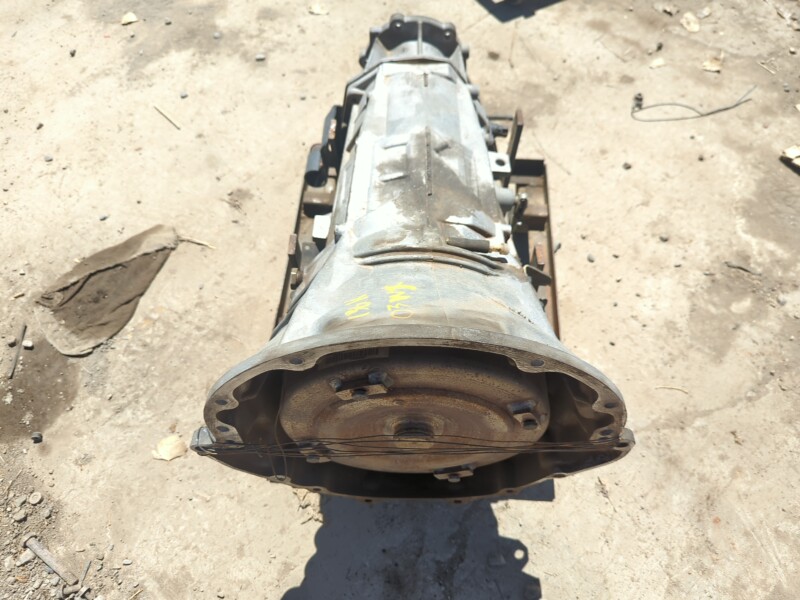
The 2003 Jeep Grand Cherokee with the 4.7-liter V8 engine comes with a special automatic transmission. Jeep used the 545RFE automatic transmission in this model. This transmission is known for its smooth shifting and strength, but it also has some unique features.
- Type: 545RFE (also called 45RFE in some years)
- Speeds: 5-speed automatic (with an extra overdrive gear)
- Drive type: Works with both 2WD and 4WD
- Fluid: ATF+4 automatic transmission fluid
This transmission was designed to handle the strong torque of the 4. 7L V8. It gives good performance for daily driving and towing. However, like any mechanical part, it needs proper care and can develop problems over time.
Key Features Of The 545rfe Transmission
Understanding the main features can help you recognize how the transmission works and why it matters for your Jeep.
- Multiple gears: The 545RFE has five forward gears. The fifth gear acts as an overdrive, lowering engine RPM on highways. This improves fuel economy.
- Electronic control: The transmission uses sensors and a computer (called TCM) to control shifting. This gives smoother gear changes.
- Towing capacity: With proper maintenance, the transmission handles towing loads up to 6,500 lbs (with the 4.7L V8 and towing package).
- Robust design: The 545RFE is built to last, but it still needs regular maintenance to prevent wear.
Example: If you often drive on highways, the overdrive gear keeps your engine quiet and saves gas. But if you tow a trailer, using the right gear is important to avoid overheating the transmission.
Credit: partsbreakers.com
Common Problems With The 2003 Jeep Grand Cherokee 4.7 Transmission
No transmission is perfect. The 545RFE has some known issues, especially as the Jeep gets older.
1. Harsh Or Delayed Shifting
- Symptoms: You feel a hard jerk when changing gears, or the gear change is slow.
- Causes: Old or low fluid, dirty filters, or sensor problems.
- Fix: Check and change the transmission fluid and filter. If that does not work, scan for error codes.
2. Transmission Slipping
- Symptoms: The engine revs but the Jeep does not move quickly. Sometimes it feels like the transmission is not in gear.
- Causes: Worn clutch packs, low fluid, or internal damage.
- Fix: Check fluid level and quality. If the problem continues, a mechanic should inspect the transmission.
3. Overheating
- Symptoms: Transmission warning light, burning smell, or slipping under load.
- Causes: Heavy towing, bad cooler lines, or dirty fluid.
- Fix: Install an extra transmission cooler if you tow often. Always use the correct ATF+4 fluid.
4. Electrical Issues
- Symptoms: Random shifting, stuck in one gear (limp mode), or warning lights.
- Causes: Bad sensors, wiring problems, or a failing transmission control module.
- Fix: Scan with an OBD-II tool to read codes. Replace faulty sensors or repair wiring.
Non-obvious insight: Many beginners skip regular fluid changes, thinking the transmission is “sealed for life.” In reality, changing the fluid and filter every 30,000-60,000 miles can prevent most problems.
Transmission Fluid And Maintenance
Taking care of the 545RFE transmission is simple, but you must use the right products and schedule.
Correct Fluid
Always use ATF+4 automatic transmission fluid. Other types can cause shifting problems and damage.
Fluid Change Interval
- Normal driving: Change fluid and filter every 60,000 miles.
- Heavy use (towing, off-road): Change every 30,000 miles.
Fluid Capacity
- Pan drop and filter change: About 5.5 quarts
- Full rebuild or flush: Up to 16 quarts
Maintenance Steps
- Warm up the engine and park the Jeep on a level surface.
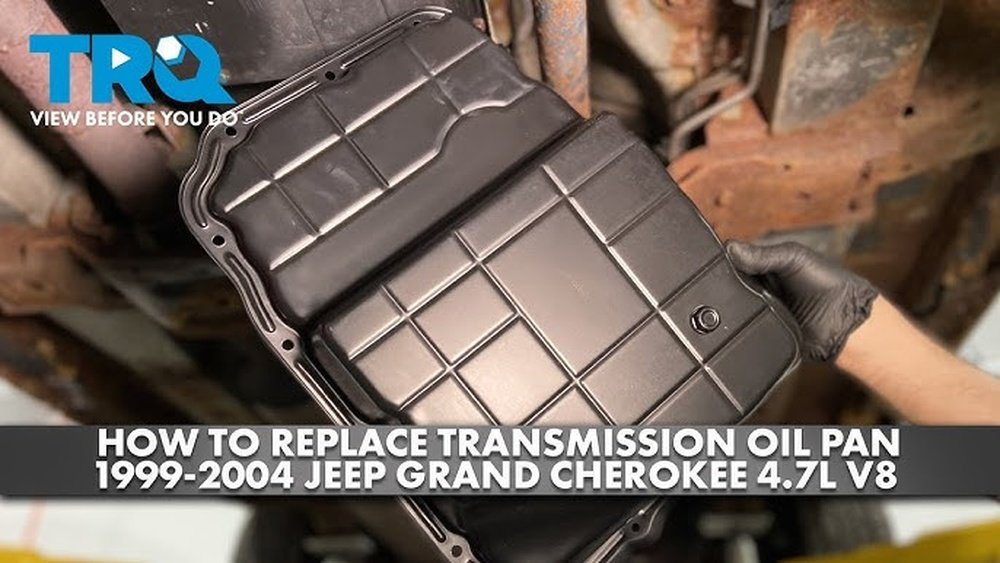
- Remove the transmission pan and old fluid.
- Replace the filter.
- Clean the pan and magnets.
- Install a new gasket.
- Add the correct amount of ATF+4.
- Check the fluid level with the engine running and transmission in “Park.”
Practical tip: Always check the fluid when the transmission is warm and the Jeep is on a level surface. Too much or too little fluid can cause problems.
Transmission Identification And Compatibility
It is important to know how to identify the 545RFE transmission and what other models it fits.
- Location of ID tag: There is a small metal tag on the passenger side of the transmission case.
- Compatible engines: The 545RFE in the 2003 Grand Cherokee is only for the 4.7L V8. It does not fit the 4.0L inline-six engine.
- Other vehicles: The 545RFE was also used in Dodge Ram, Durango, Dakota, and some Jeep Commanders with the 4.7L or 5.7L engines.
If you need a replacement, make sure you get the same model. Mixing up transmissions from other years or engines can cause big problems.
Diagnosing Transmission Problems
If your Jeep has shifting problems or warning lights, you need to diagnose the issue before replacing parts.
Basic Steps
- Check fluid level and color. Fluid should be pink/red and not smell burnt.
- Scan for error codes. Use an OBD-II scanner. Codes like P0700 or P0750 indicate transmission issues.
- Test drive. Note when problems happen (cold start, upshift, downshift, highway speed, etc. ).
- Check for leaks. Look under the Jeep for red fluid spots.
Example Diagnostic Codes
- P0700: Transmission control system malfunction (general code)
- P0750: Shift solenoid A malfunction
- P0731: Gear ratio error in 1st gear
Non-obvious insight: Many transmission problems are caused by electrical issues, not just internal damage. Replacing a sensor or fixing a wire can solve shifting problems without a rebuild.

Credit: www.ebay.com
Repair Vs. Replacement: What To Consider
If your transmission has failed, you must decide whether to repair, rebuild, or replace it.
Repair
- Best for: Small problems, like a bad sensor or solenoid.
- Cost: $200–$800, depending on the part.
Rebuild
- Best for: Worn clutches, bands, or internal parts.
- Cost: $1,500–$2,500 for a full rebuild.
Replacement
- Best for: Severe damage or high-mileage transmissions.
- Cost: $2,000–$3,500 for a used or rebuilt unit (not including labor).
Tip: If your Jeep has over 150,000 miles and the transmission fails, a rebuilt or replacement unit is usually the best option.
Data Table: Transmission Fluid Specs
Here is a quick look at the recommended fluid and capacity for the 2003 Jeep Grand Cherokee 4. 7 transmission.
| Specification | 545RFE Transmission |
|---|---|
| Fluid Type | ATF+4 |
| Service Interval | 30,000–60,000 miles |
| Pan Drop Capacity | 5.5 quarts |
| Total Fill (Dry) | 16 quarts |
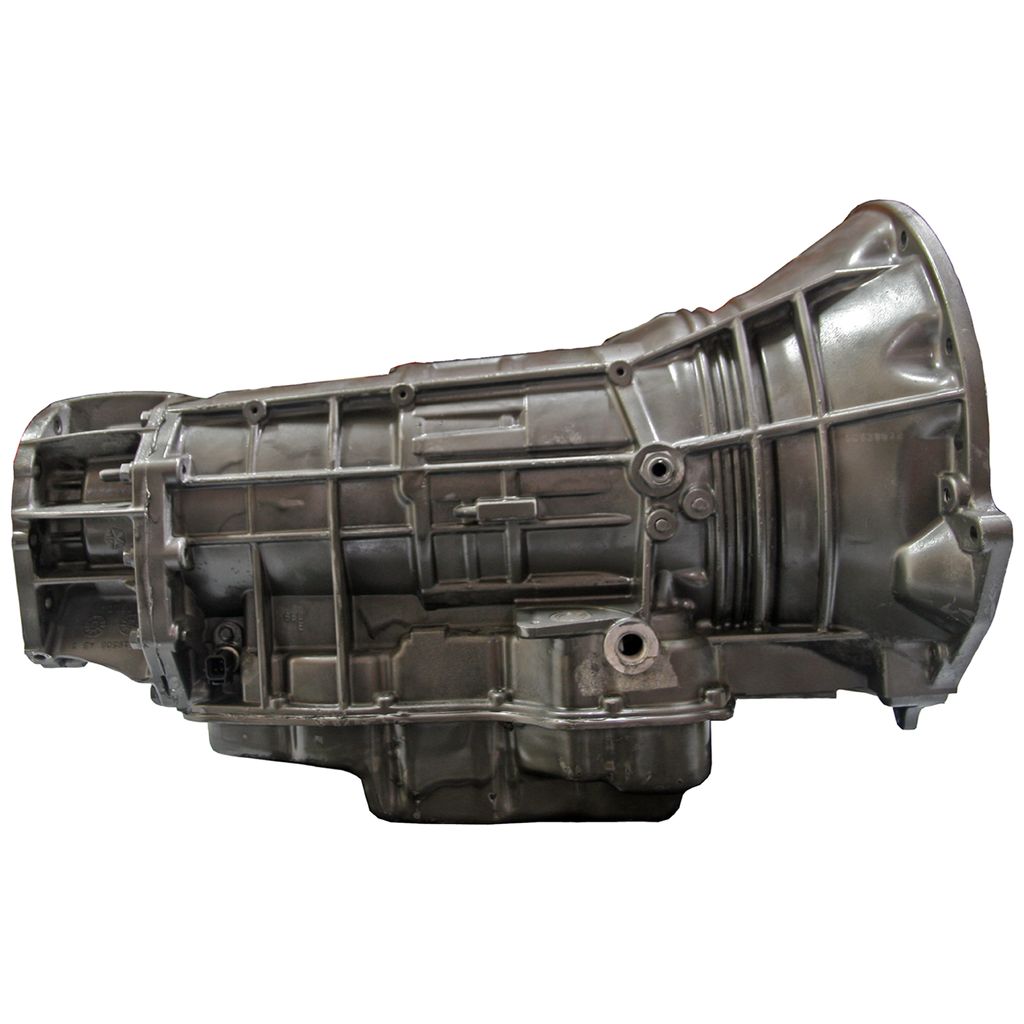
Credit: reman-transmission.com
Data Table: 545rfe Vs. 42re Transmission
Some people confuse the 545RFE with the 42RE (used in other Jeep models). Here’s a comparison:
| Feature | 545RFE | 42RE |
|---|---|---|
| Number of Gears | 5 | 4 |
| Engine Compatibility | 4.7L V8 | 4.0L I6 |
| Control Type | Electronic | Hydraulic/Electronic |
| Fluid Type | ATF+4 | ATF+4 |
Signs You Need Transmission Service
If you notice these problems, get your transmission checked soon:
- Fluid leaks under the vehicle
- Delayed or rough shifting
- Warning light on the dashboard
- Grinding or whining sounds
- Slipping out of gear
Addressing these early can prevent bigger, more expensive repairs.
How To Extend Transmission Life
You can make your 2003 Jeep Grand Cherokee 4.7 transmission last longer by following these steps:
- Change the fluid and filter regularly.
- Use only ATF+4 fluid.
- Avoid towing heavy loads unless your Jeep is equipped for it.
- Warm up your Jeep before driving in very cold weather.
- Fix leaks and warning lights right away.
Practical example: Towing a trailer up a steep hill with old fluid can overheat and damage the transmission. Fresh fluid and a cooler can prevent this.
Should You Upgrade Or Modify The Transmission?
Some owners want better performance or reliability. Upgrades are possible, but not always needed for daily driving.
- Aftermarket coolers: Good for towing or hot climates.
- Heavy-duty rebuild kits: Useful if you want extra strength.
- Shift kits: Can give firmer, faster shifts but may not be needed for regular use.
Warning: Some modifications may void warranties or cause other problems. Always consult a transmission expert.
Data Table: Common Transmission Problems And Fixes
Here is a quick guide to common issues and their solutions.
| Problem | Possible Cause | Solution |
|---|---|---|
| Slipping | Low fluid, worn clutches | Add fluid, rebuild if needed |
| Harsh shifting | Dirty fluid, sensor issues | Change fluid, check sensors |
| Stuck in gear | Electrical fault, limp mode | Scan codes, repair wiring/module |
| Overheating | Heavy load, bad cooler | Install cooler, use correct fluid |
Frequently Asked Questions
What Transmission Does The 2003 Jeep Grand Cherokee 4.7 Use?
The 2003 Jeep Grand Cherokee 4.7 comes with the 545RFE automatic transmission. This is a 5-speed transmission designed for the 4.7L V8 engine.
How Do I Check The Transmission Fluid Level?
With the engine warmed up and running, park on a level surface. Pull the transmission dipstick, wipe it clean, reinsert, then pull it out again. The fluid should be between the “Add” and “Full” marks. Always use ATF+4 fluid.
How Often Should I Change The Transmission Fluid?
For normal driving, every 60,000 miles is recommended. If you tow or drive off-road, change it every 30,000 miles.
Can I Use A Transmission From A Different Year Or Engine?
No. The 545RFE for the 2003 4. 7L is specific. Using a transmission from a different engine or year may not fit or work correctly.
Where Can I Find More Technical Details About This Transmission?
For deeper technical specs, visit the official Chrysler RFE Transmission page.
Taking good care of your 2003 Jeep Grand Cherokee 4.7 transmission will keep your Jeep running smoothly for years. With the right maintenance and quick action on any problems, you can avoid major repairs and enjoy your SUV with confidence.