
Prepare Your Jeep Wrangler: First Badge Of Honor Trail Guide
 Reading Time: 14 minutes
Your first Jeep Badge of Honor trail should be a planned trip, not a guess. Start by choosing a trail that matches your Wrangler, skills, weather, and recovery gear. Then inspect the Jeep, protect the tires and underbody, pack safety equipment, and learn how to use low range before you arrive.
The Jeep Badge of Honor program recognizes approved off-road trails in the United States. Trail details, difficulty ratings, rules, and badge requirements can change. Check the official Jeep Badge of Honor website and the local land manager before each trip.
You do not need a highly modified Jeep for every badge trail. Many trails suit a stock Wrangler. The right preparation matters more than a long parts list.
What Is a Jeep Badge of Honor Trail?
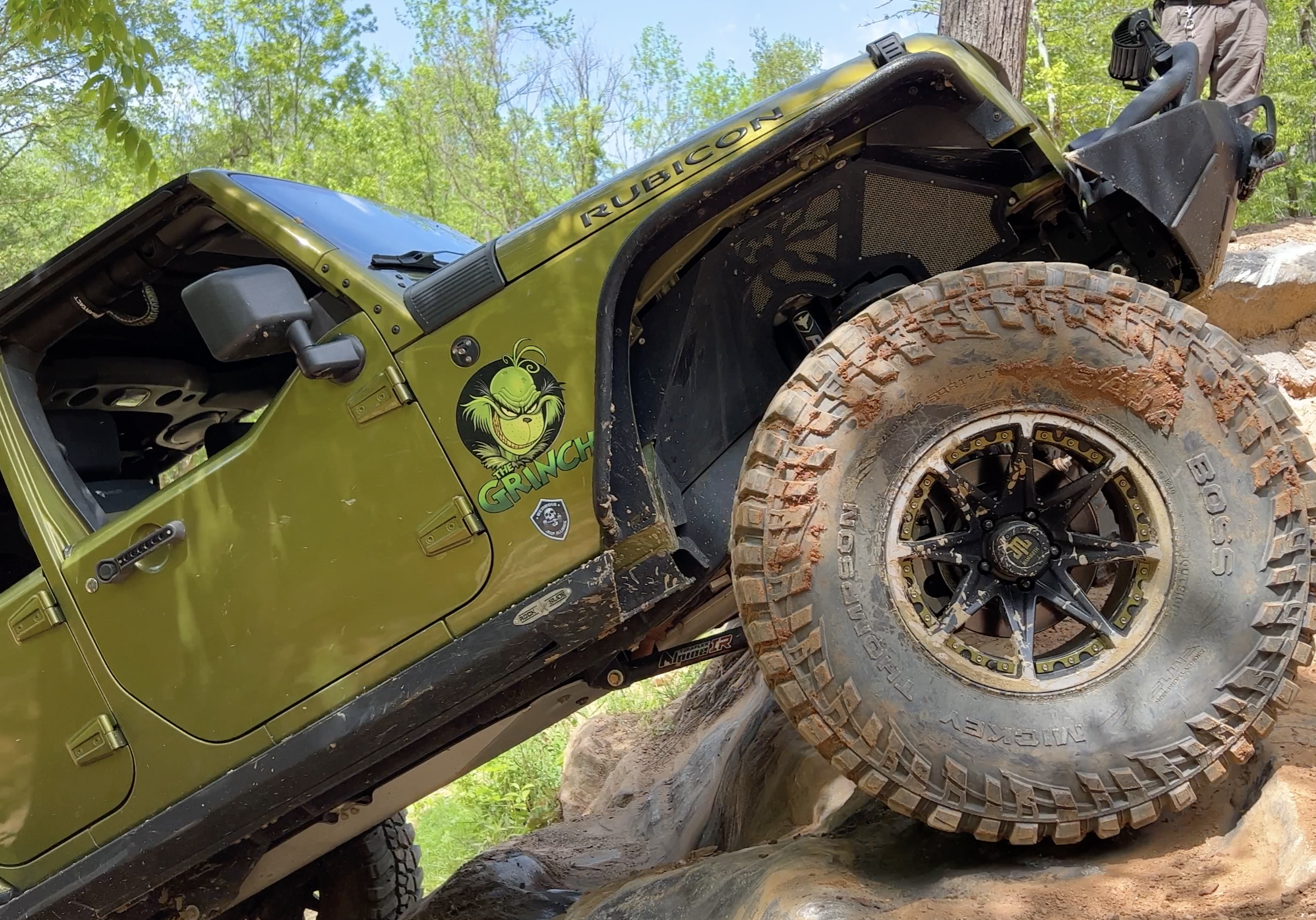
A Jeep Badge of Honor trail is an official Jeep-recognized off-road route. Drivers who complete eligible trails may collect a digital or physical badge, based on the current program rules.
The trails are found across the United States. They range from mild dirt roads to steep, rocky routes. Some are open to stock vehicles. Others need more clearance, stronger protection, or skilled driving.
A badge does not mean the trail is safe in all conditions. Rain, snow, ice, fire damage, fallen trees, and erosion can change a trail fast. A route that feels easy in dry weather may become unsafe after a storm.
Trail ratings are a starting point
Use the trail rating as a guide, not a promise. Jeep ratings may consider terrain, slope, rocks, mud, water, and vehicle demands. Local land managers may use a different system.
Before your trip, confirm:
- The trail name and exact entrance
- Current open or closed status
- Required permits or reservations
- Vehicle width or length limits
- Seasonal closures
- Current weather
- Recent reports of washouts, snow, mud, or fallen trees
- Whether the trail has legal camping or parking areas
The official trail page is useful, but it may not show every change on the ground. Check the website of the Bureau of Land Management, U.S. Forest Service, National Park Service, state park, or other agency that manages the land.
Badge rules may vary
The Jeep Badge of Honor app or website may require location services, a check-in, a trail completion record, or another form of verification. Program rules can change.
Download the app and trail data before leaving home. Cell service may be weak or absent near the trail. Keep a screenshot of the trail details and save offline maps when possible.

Choose a First Trail That Matches Your Jeep
Choose a trail below your maximum ability for your first badge. This gives you room to handle poor weather, a wrong turn, or a new driving skill.
A stock Wrangler can be very capable. Its four-wheel-drive system, ground clearance, low-range gearing, solid axles on many models, and high approach and departure angles help on rough ground. Still, capability does not remove the need for skill.
Use this simple trail filter
A good first trail should have:
- A clear legal entrance
- A current open status
- Mild or moderate terrain
- Reliable route information
– Space to turn around - A nearby exit or alternate route
- Recent reports from local drivers
- Weather that supports safe travel
Avoid a trail with a high rating just because it has a badge. The badge is a goal. It is not a test of courage.
Match common trail features to Wrangler needs
| Trail feature | What your Wrangler may need |
|---|---|
| Smooth dirt and gravel | Stock vehicle, normal road tires, basic recovery gear |
| Loose rock | Lower tire pressure, careful line choice, skid protection |
| Deep ruts | More ground clearance and slow, controlled driving |
| Steep climbs | Low range, good traction, safe spacing, correct tire pressure |
| Large ledges | Strong rock sliders, underbody protection, skilled spotting |
| Mud | Proper tires, recovery points, winch or recovery plan |
| Deep water | Route knowledge, safe water depth, sealed recovery plan |
| Sand | Lower tire pressure, steady speed, recovery boards or tow plan |
These are general planning points. The exact vehicle requirement depends on the trail, weather, and local conditions.
Do not confuse a trail badge with a vehicle certification
Completing a Badge of Honor trail does not certify your Wrangler for every off-road route. It also does not prove that a stock vehicle can repeat the trail in every season.
Treat your first badge as a learning trip. Build skill before you build a large modification list.

Inspect Your Jeep Wrangler Before the Trip
A pre-trip inspection can prevent a small fault from becoming a trail recovery. Check the Jeep at least several days before departure. This gives you time to repair problems.
Check the tires and wheels
Inspect all four tires and the spare. Look for:
- Cuts in the sidewall
- Cracks
- Bulges
- Uneven wear
- Exposed cords
- Embedded rocks or metal
- Loose wheel weights
- A spare tire that is not fully inflated
Confirm that the spare matches the other tires closely enough for your Wrangler’s four-wheel-drive system. A major difference in tire size can create drivetrain stress, especially when four-wheel drive is engaged.
Set road pressure before highway travel. Adjust pressure for the trail only when you reach a safe location away from traffic. Use the tire maker’s guidance and your Jeep owner’s manual as the starting point.
Check fluids and leaks
Look under the Jeep for fresh fluid. Inspect:
- Engine oil
- Coolant
- Transmission fluid
- Transfer case fluid
- Differential oil
- Brake fluid
- Power steering fluid, if equipped
- Washer fluid
Do not enter a difficult trail with a known leak. Water and mud can hide a problem until it becomes serious.
Check the battery and electrical system
Clean, tight battery terminals matter on rough trails. Check that the battery is secure and that the main cables are not loose or damaged.
Test:
- Headlights
- Brake lights
- Turn signals
- Hazard lights
- Reverse lights
- Winch wiring, if installed
- Air compressor wiring, if installed
- Radio or satellite communicator
Check the recovery points
Know where you can attach a recovery strap or winch line. Use only rated recovery points made for that task.
Do not attach a recovery strap to:
- A tow ball
- A tie-down loop
- A bumper part not marked for recovery
- A suspension arm
- A steering component
- A random frame hole
Read the Jeep owner’s manual and accessory instructions. If you cannot identify safe recovery points, ask a qualified Jeep shop or off-road instructor before the trip.
Check the underbody
Look for damage to:
- Steering links
- Axle housings
- Differential covers
- Brake lines
- Fuel tank
- Exhaust parts
- Skid plates
- Shock absorbers
- Sway bar links
Make sure the jack, lug wrench, and tire tools fit your actual wheels. A lift kit or aftermarket wheel can make the factory jack unsafe or unusable.
Prepare the Right Off-Road Gear
Carry gear that solves likely problems. Do not buy parts just to make the Jeep look ready.
Basic gear for a first Badge of Honor trail
Pack:
- A full-size spare tire
- Tire plug kit
- Tire pressure gauge
- Portable air compressor
- Rated soft shackle
- Rated recovery strap without metal hooks
- Recovery boards or a shovel
- Gloves
- Eye protection
- Strong flashlight or headlamp
- First-aid kit
- Drinking water
- Food for extra time
- Warm layers and rain gear
- Fire extinguisher suitable for vehicle use
- Paper map or offline map
- Phone power bank
- Basic hand tools
- Duct tape and zip ties
- Trash bags
A first-aid kit does not replace emergency training. It gives you basic support while you contact help.
When a winch makes sense
A winch can help when a Jeep is stuck in mud, sand, or a controlled recovery situation. It also adds weight, cost, wiring needs, and injury risk.
A winch is not a substitute for:
- A second vehicle
- A safe anchor
- Rated recovery equipment
- Proper rigging
- Good judgment
If you install a winch, confirm that the bumper, winch plate, wiring, and battery system suit the winch. Learn how to use a winch before the trail. Practice with no load if possible.
Do you need skid plates or rock sliders?
The answer depends on the trail. Mild dirt roads may not need added armor. Rocky routes can expose the oil pan, transmission, transfer case, fuel tank, and body panels to damage.
Rock sliders protect the sides of the Jeep. They are not the same as cosmetic side steps. Skid plates protect components below the Jeep, but they can add weight and may need inspection after a hard impact.
For a first trail, protect the parts that the trail rating and recent trail reports show are most exposed.
Learn Your Wrangler’s 4×4 Controls
Practice the controls before the trail. A driver who understands the system can focus on the terrain instead of searching for buttons.
Read the owner’s manual for your exact Wrangler year, engine, transmission, and four-wheel-drive system. Controls vary by model.
Common Wrangler settings
Your Jeep may include:
- Two-wheel drive high range
- Four-wheel drive high range
- Four-wheel drive low range
- Traction control
- Electronic stability control
- Hill descent control
- Locking differentials
- Sway bar disconnect
- Crawl or off-road drive modes
Not every Wrangler has every feature.
When to use low range
Low range reduces wheel speed and increases control. It helps on steep climbs, steep descents, rocks, and slow technical sections.
Engage low range only as described in the owner’s manual. Some systems require the Jeep to be stopped or moving at a specific speed, with the transmission in a specific gear or neutral position.
Do not force the transfer-case lever. If it will not shift, stop and follow the manual’s procedure.
Use traction aids with care
Traction control can help maintain forward movement. Turning it off may help in some situations, such as when wheel spin is needed to clear loose mud or snow. The correct choice depends on the model and terrain.
Use differential locks only when needed and only as the manual directs. A locked differential can improve traction but may reduce turning ability or increase stress on driveline parts.
Practice before the badge trail
Find a legal, low-risk area or attend a formal off-road training event. Practice:
- Selecting four-wheel drive
- Selecting low range
- Driving at walking speed
- Using hill descent control
- Backing on a narrow path
- Picking a tire line
- Stopping on a slope
- Communicating with a spotter
- Using a recovery strap safely
Never practice on private land without permission or on closed public land.
Use the Right Tire Pressure and Driving Technique
Tire pressure and smooth inputs often matter more than engine power. Lower pressure can increase the tire’s contact patch and help it conform to rocks. It can also increase sidewall damage risk if you drive fast or hit sharp edges.
Lower pressure only at a safe location
Do not air down on a highway shoulder or where other vehicles cannot pass. Use a pull-off, staging area, or legal trailhead.
The correct pressure depends on:
- Tire size
- Tire construction
- Vehicle weight
- Wheel size
- Terrain
- Load
- Manufacturer guidance
Make small changes. Check that the tire bead remains seated and that the sidewall does not fold or strike the wheel. Air back up before returning to pavement.
Drive slowly and look far ahead
Use these habits:
- Walk difficult sections when safe.
- Pick a line before entering the obstacle.
- Keep your thumbs outside the steering wheel spokes.
- Use low range for control.
- Apply steady throttle.
- Avoid sudden braking or steering.
- Keep both tires on the chosen line.
- Stop if traction disappears.
- Back out before the Jeep is deeply stuck.
Do not follow the Jeep ahead so closely that you lose space to stop. Keep enough distance to avoid falling rocks, dust, and sudden recovery work.
Cross obstacles at the correct angle
Cross a ditch or uneven ridge at an angle when the trail permits. This can help keep three tires in contact with the ground. Do not use an angle that risks a rollover or puts the Jeep outside the trail.
For rocks, place the tire on the high part only when it is stable. Avoid dragging the differential or steering parts across sharp rock. A spotter outside the Jeep can help, but the driver remains responsible for every movement.
Treat water as a serious hazard
Never enter water if you cannot judge its depth, current, bottom, and exit. Water can hide holes, sharp rocks, and soft mud. It can also damage the engine, brakes, bearings, electrical parts, and interior.
Do not cross moving water when the current can push the Jeep sideways. A flooded trail may be closed even when it looks passable.
Plan the Trip With Another Person
A first off-road trip is safer with at least one other capable vehicle. If your Jeep becomes disabled, another vehicle may help you leave the trail without an expensive emergency recovery.
Tell a trusted person:
- The trail name
- The trailhead
- Your planned route
- Your group members
- Your vehicle details
- Your expected return time
- Your emergency plan
Check in when you return. If you change the route, update the person waiting for you.
Check weather and land status
Weather can change trail conditions in hours. Look at the forecast for the trail area, not only your home town.
Postpone the trip when there is a serious risk from:
- Flash flooding
- Lightning
- Heavy snow
- Ice
- Wildfire
- High winds
- Extreme heat
- Tropical storms
- Severe mud
Follow all closure signs. Do not bypass a gate, block, or agency notice to reach a badge trail.
Follow responsible recreation rules
Use the principles promoted by Tread Lightly! and the land manager:
- Travel only on legal routes.
- Stay on the trail.
- Do not create bypasses.
- Avoid spinning tires.
- Pack out all waste.
- Leave wildlife and historic sites alone.
- Give way to uphill traffic when safe.
- Respect hikers, cyclists, equestrians, and local residents.
- Keep noise under control.
A legal trail can be damaged by repeated shortcuts. The best badge trip ends with the route in good shape for the next driver.
A Practical First-Trail Checklist
Use this checklist the day before you leave.
Jeep checklist
- Tires and spare inspected
- Tire pressure checked
- Wheels and lug nuts checked
- Fluids checked
- No fresh leaks found
- Battery secure
- Lights work
- Recovery points identified
- Jack and lug tools fit
- 4×4 controls understood
- Fuel range planned
- Registration and insurance available
Gear checklist
- Recovery strap
- Soft shackle
- Tire plug kit
- Air compressor
- Tire gauge
- Shovel or recovery boards
- Gloves
- First-aid kit
- Water and food
- Layers and rain gear
- Flashlight
- Offline map
- Charged phone and power bank
- Fire extinguisher
- Basic tools
Trail checklist
- Official Badge of Honor details reviewed
- Land manager page checked
- Trail open status confirmed
- Weather checked
- Permit or reservation confirmed
- Route downloaded
- Travel partner notified
- Backup route chosen
- Return time shared
If you cannot check the trail status, carry enough fuel and supplies, or explain how you will recover the Jeep, delay the trip.
Common First-Trail Mistakes to Avoid
Choosing a trail by the badge name alone
A badge does not describe every obstacle. Read the current trail information and recent local reports.
Arriving with highway tire pressure
High pressure can reduce traction on loose surfaces. Adjust pressure at a safe location and air back up before pavement.
Using too much throttle
Wheel spin can dig holes, damage the trail, and break parts. Smooth power works better than sudden power.
Carrying recovery gear without learning it
A strap in the cargo area does not equal a recovery plan. Know the rating, anchor point, communication plan, and safe position before a recovery starts.
Ignoring the spare tire
A full-size spare is only useful if you can install it. Check the jack, lug key, wheel fit, and tire pressure before leaving.
Driving alone on a difficult route
A solo trip increases risk when there is no signal, no nearby help, and no second vehicle. Choose a mild trail or join a responsible group.
Pushing through a damaged Jeep
Stop after a hard impact. Look for fluid leaks, bent steering parts, tire damage, and unusual noises. A short walk around the Jeep can prevent a major failure.
What to Do if the Trail Goes Wrong
Stop and assess the situation. Do not keep driving if the Jeep has a fluid leak, steering problem, brake issue, overheating, severe tire damage, or a warning light that indicates a serious fault.
If the Jeep is stuck:
- Turn off unnecessary electrical loads.
- Keep people away from moving wheels and recovery lines.
- Confirm that the recovery point is rated.
- Clear loose items from the recovery area.
- Use a spotter and clear hand signals.
- Keep everyone outside the danger zone.
- Recover with the lowest practical force.
- Inspect the Jeep before moving on.
If the Jeep is damaged or the group faces immediate danger, call 911 when possible. Use the local land manager or roadside assistance service for non-emergency help. Satellite communication can be valuable where cell service is absent.
Do not attempt a recovery that exceeds your equipment, training, or anchor strength. A damaged vehicle is cheaper than an injured person.
FAQs About Preparing for a First Badge of Honor Trail
Can a stock Jeep Wrangler complete a Badge of Honor trail?
Some Badge of Honor trails can suit a stock Wrangler, especially in dry conditions. Others may need added clearance, protection, stronger tires, or advanced driving skill. Check the exact trail and current conditions before you go.
Do I need a lift kit for my first badge trail?
Not always. A lift kit can add clearance, but it may change handling, driveline angles, braking needs, and suspension setup. Learn the trail rating first. Do not lift a Jeep simply because a badge trail exists.
Should I use 4H or 4L?
Use the setting listed in your owner’s manual and match it to the terrain. Four-wheel-drive low range usually suits slow, steep, or technical sections. Four-wheel-drive high range may suit loose but faster surfaces. Shift only under the conditions allowed by your Wrangler’s manual.
How much tire pressure should I use off road?
There is no single safe pressure for every Wrangler. Start with the tire maker’s road guidance, then make modest changes for the terrain and tire type. Avoid pressure that causes the tire to debead, fold, or contact the wheel.
Is a winch required?
A winch is not required for every trail. A second vehicle, rated recovery points, a recovery strap, and a safe plan may be enough for a mild route. A winch becomes more useful when the trail has mud, deep sand, or a high chance of self-recovery.
Can I complete a badge trail after rain?
Maybe, but rain can change traction, water depth, and trail damage. Check the land manager’s status and recent local reports. Avoid trails where travel could cause ruts or damage, and never cross unsafe moving water.
Final Preparation Advice
The best way to prepare your Jeep Wrangler for a first Badge of Honor trail is to match the trail to your current skill and vehicle setup. Inspect the Jeep, carry basic recovery and emergency gear, learn the 4×4 controls, and confirm the trail is open.
Start with a dry-weather route that leaves room for error. Drive slowly. Stay on the legal path. Stop when conditions exceed your equipment or experience.
Before departure, review the current Jeep Badge of Honor trail information, check the responsible land agency, and tell someone where you are going. That simple plan can turn a first badge into a safe and repeatable off-road skill.