
How To Winterize A Jeep Wrangler With A Soft Top: Snow
 Reading Time: 14 minutes
A Jeep Wrangler with a soft top can handle winter driving in the United States when you prepare it for cold, snow, ice, and road salt. The key steps are to inspect the soft top and seals, remove snow before it builds up, protect the clear windows, check the battery and fluids, use winter-ready tires, and carry the right emergency gear.
Your Wrangler’s owner’s manual remains the final authority. Soft-top design, tire size, four-wheel-drive controls, and cold-weather features vary by model year and trim.

What Winterizing a Soft-Top Jeep Wrangler Means
Winterizing means preparing the Wrangler for low temperatures, snow, ice, wet roads, and salt. It is more than putting the top up. A soft top helps keep out weather, but it is not as warm, quiet, or rigid as a hardtop.
A proper winter check covers five areas:
- Weather protection: Seams, seals, windows, doors, and top fabric
- Visibility: defrosters, wipers, washer fluid, lights, and clear windows
- Traction: Tires, tire pressure, four-wheel-drive operation, and braking
- Reliability: Battery, engine coolant, oil, fuel, and belts
- Emergency readiness: Warm clothing, ice tools, food, water, and communication
A soft top may remain flexible in cold weather if you handle it with care. Cold vinyl windows can become stiff and brittle. Folding or unzipping them when frozen can cause creases, cracks, or torn seams.
Can a soft top handle heavy snow?
It can handle normal winter exposure, but you should not allow snow to sit on the roof. Snow adds weight and can stretch the fabric, stress the bows, bend hardware, or damage the window panels.
Do not wait for the snow to melt on its own. Clear the roof after each storm, even if the Wrangler is parked.
The amount of snow that becomes unsafe depends on its water content. Light, dry snow weighs far less than wet snow. Because conditions vary, Jeep does not provide one universal “safe depth” for every soft top. The safest rule is simple: remove snow often and never use the roof as a snow shelf.
Inspect and Clean the Soft Top Before Winter
Inspect the soft top in daylight before the first major storm. Look for loose stitching, worn fabric, cracked windows, damaged zippers, missing fasteners, and gaps near the doors or windshield.
Pay close attention to the points below.
Check the fabric and seams
Look across the roof, side panels, rear panel, and corners. Search for:
- Frayed or loose stitching
- Small tears near snaps and zippers
- Stretching around the support bows
- Holes caused by branches or sharp cargo
- Areas that no longer sit tightly against the frame
- Water marks on the inside of the top
A small tear can grow when wind, ice, and snow pull on the fabric. Repair damage before winter if possible. A temporary patch may reduce water entry, but it is not the same as a proper repair.
Inspect the clear windows
Soft-top windows are often made from flexible plastic, not glass. They need different care.
Check for:
- Deep scratches
- Cracks
- Cloudy areas
- Torn edges
- Stiff or damaged zippers
- Loose window retainers
Do not scrape ice from a plastic window with a metal tool. Do not use a dry paper towel to rub away frost. Use the rear defroster if your Wrangler has one, or let the cabin warm gradually before clearing the panel with a soft, clean cloth.
Wash and dry the top
Clean the top before winter road grime becomes trapped in the fabric. Use water and a cleaner that the soft-top manufacturer approves. Avoid strong household chemicals, bleach, petroleum products, and harsh solvents.
Rinse away grit before wiping. Dirt acts like fine sandpaper and can dull the fabric or scratch clear windows.
Allow the top to dry fully before storing the Wrangler. A damp, folded soft top can develop odor, stains, or mildew.
Lubricate zippers only with a suitable product
A zipper that freezes or binds can tempt you to pull too hard. That may damage the teeth or pull the slider from the track.
Clean the zipper first. If the top maker permits it, apply a product made for outdoor or soft-top zippers. Avoid thick oils that collect dust and may stain the fabric.

Seal the Wrangler Against Cold, Wind, and Water
A soft top does not need to be airtight to work well, but large gaps can let in wind, rain, and melting snow. Inspect the areas where the top meets the windshield, doors, side windows, and rear body panels.
Close each door and window with the top fully installed. Look for uneven gaps or fabric that sits outside the seal. A loose edge may point to a misaligned top, a missing retainer, or a damaged seal.
Check the windshield header
The front edge of the soft top should lock into the windshield header as the owner’s manual describes. If it is not fully seated, wind can lift the edge and water can enter above the windshield.
Never force a cold top into place. Move the Jeep into a warmer area first, if possible. Let the material become flexible before you adjust it.
Check door and window alignment
Close the doors gently. The window should meet the upper seal without being twisted or trapped. Do not slam the door to force a poor fit.
If water enters near one corner, first check:
- Whether the window is fully seated
- Whether the top is centered
- Whether the door seal is folded or dirty
- Whether a retainer or fastener is missing
- Whether the soft-top frame is damaged
Persistent leaks may need inspection by a Jeep dealer or a shop familiar with Wrangler soft tops.
Protect the inside from moisture
Keep a small towel in the Jeep for wet door sills and window edges. Remove wet floor mats when practical so moisture does not remain under the carpet.
If the cabin smells damp, dry it promptly. Moisture trapped in the interior can create fogged windows, mold, and corrosion over time.
Do not seal a wet Jeep in a warm garage and assume the problem is solved. Dry the fabric, carpet, and floor areas first.
Remove Snow and Ice Safely
Clear the soft top before driving and after every heavy snowfall. Snow can slide forward during braking or fall onto the windshield when you accelerate.
Use a soft snow brush with gentle pressure. Sweep snow away rather than grinding it into the fabric or windows.
Follow this order:
- Clear loose snow from the roof.
- Remove snow from the hood, windshield, mirrors, lights, and license plate.
- Clear the door seams and handles.
- Brush snow away from the rear window without bending it.
- Remove ice only after it loosens with cabin heat or approved de-icing methods.
- Check that the exhaust area is clear before starting or driving.
Never pour boiling water on the soft top or windows. A sudden temperature change can damage plastic panels, seals, or glass.
Do not use a shovel, metal scraper, stiff-bristle brush, or sharp tool on the roof. Do not strike the windows to break ice.
Do not store snow on the roof
A common mistake is brushing snow from the windshield onto the roof. That leaves a heavy mound above the soft-top frame. Clear snow completely instead.
If wet snow has already collected, remove it in small amounts. Avoid leaning heavily on the roof. If the top looks bowed, stretched, or displaced, stop and inspect it before driving.

Prepare the Wrangler for Cold-Weather Driving
The soft top is only one part of winter readiness. A well-maintained top cannot compensate for worn tires, a weak battery, or poor visibility.
Check the battery
Cold weather reduces available battery power. Inspect the battery terminals for corrosion and make sure the connections are tight.
If the battery is older, weak, or slow to crank, have it tested before winter. Follow the battery maker’s safety instructions. Do not place a bare metal tool across the terminals.
If your Wrangler has an auxiliary battery or start-stop system, use the correct testing and jump-start procedure in the owner’s manual. Do not guess which terminal to use.
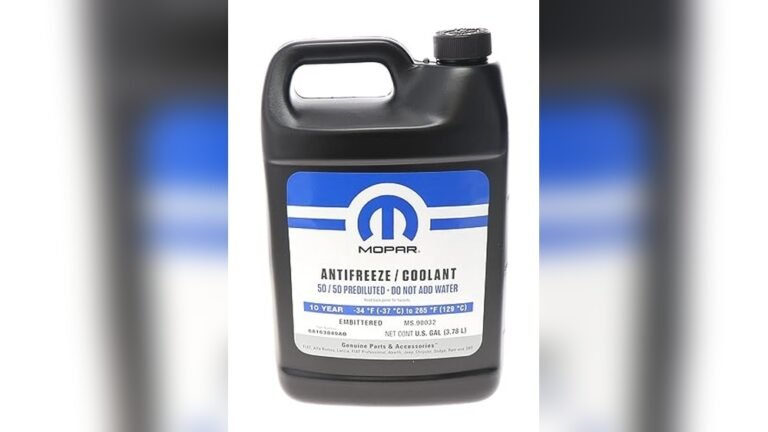
Check engine coolant
Coolant protects against freezing and helps control engine temperature. Check the level only as directed by the owner’s manual and never open a hot cooling system.
The correct coolant type and mixture depend on the vehicle. Do not mix products based only on color. Use the specification listed for your Wrangler or have a qualified technician test it.
A low coolant level, repeated loss, or visible leak needs prompt attention.
Fill the correct washer fluid
Use winter-rated windshield washer fluid with a freeze protection rating suited to your local conditions. Plain water can freeze in the reservoir, hoses, or spray nozzles.
Test both washer nozzles before a storm. Replace worn wiper blades if they leave streaks or skip across the glass.
Keep the windshield clear inside and out. A clean glass surface reduces glare from headlights and falling snow.
Check oil and other fluids
Confirm that the engine oil, brake fluid, transmission fluid, and power-steering fluid—if equipped—are at the proper levels and condition. Use the grades and service intervals in the owner’s manual.
Look under the Wrangler for fluid spots. A leak that seems minor in warm weather may become a serious problem during a cold trip.
Test heat and defrost
Start the Jeep before winter and test:
- Front defroster
- Rear defroster, if equipped
- Cabin heat
- Blower fan at each speed
- Heated seats, if equipped
- Heated steering wheel, if equipped
- Exterior lights
- Hazard flashers
Do not drive with a snow-covered windshield or roof. The defroster can help clear fog and frost, but it may not remove thick ice quickly.

Check Tires, Traction, and Four-Wheel Drive
Four-wheel drive helps a Wrangler move through snow, but it does not shorten stopping distance on ice. Tires remain the main contact between the Jeep and the road.
Inspect the tires
Check the following:
- Tread depth
- Uneven wear
- Sidewall cuts or bulges
- Valve-stem damage
- Correct tire pressure
- Matching tire sizes
- Spare-tire condition
Check pressure when the tires are cold. Use the pressure shown on the driver-side door-jamb label, not the maximum pressure molded into the tire sidewall.
Cold air lowers tire pressure. Check it again after a sharp temperature drop.
For frequent snow and ice, winter tires can provide more cold-weather grip than all-season tires. The best choice depends on your climate, driving pattern, and whether you use one tire set year-round. If you change tire sizes or use chains, confirm compatibility with your Wrangler’s manual and the tire maker.
Understand the drive modes
Read the owner’s manual before the first storm. Learn when to use:
- Two-wheel drive
- Four-high
- Four-low
- Any automatic four-wheel-drive mode
- Traction-control settings
Use the mode suited to the surface and speed. Four-low is generally for slow travel and difficult terrain, not normal highway driving. Do not shift modes at speed unless the manual allows it.
Practice in a safe, open area before you need the system. Knowing how the controls work is safer than learning during a blizzard.
Know the limits of traction
Drive slower, leave more space, and brake early. Snow, packed ice, and black ice can reduce grip even with four-wheel drive and good tires.
Avoid sudden steering, hard acceleration, and abrupt braking. If the Wrangler begins to slide, look and steer toward the path you want to follow. Release excessive throttle and make smooth inputs.

Protect the Wrangler From Road Salt and Slush
Road salt and de-icing chemicals can speed corrosion beneath the Jeep. A winter wash should include the underbody, wheel wells, frame areas, and brake components.
Rinse the Jeep after driving on treated roads, especially when temperatures allow the water to drain and dry. Do not direct high-pressure water at soft-top seams, window edges, electrical connectors, or damaged seals.
After washing:
- Dry the door edges and seals
- Check for trapped sand and salt
- Clean the windshield and windows
- Look for rust near fasteners and hinges
- Inspect the frame and suspension areas
- Confirm that drain plugs and floor areas are clear
Use a rubber-safe protectant only if the product is approved for the seals. Avoid products that make pedals, steering-wheel surfaces, or seat surfaces slippery.
A soft top does not need a glossy coating. The right cleaner and gentle care are more useful than a strong dressing.

Build a Winter Emergency Kit for the United States
Carry supplies based on the trip, weather forecast, and distance from help. A short drive in a city is different from a trip across a mountain pass or rural highway.
A useful winter kit can include:
- Snow brush and plastic ice scraper
- Work gloves
- Warm hat and extra layers
- Blanket or sleeping bag
- Flashlight or headlamp with spare batteries
- Phone charger or power bank
- Drinking water and shelf-stable food
- First-aid kit
- Reflective vest or warning triangles
- Small shovel
- Traction aid suitable for your tires
- Jumper cables or an approved jump pack
- Tire gauge and tire inflator
- Basic tools
- Tow strap rated for the vehicle and used only at approved recovery points
- Cat litter or another suitable traction material
- Printed emergency contacts and medication
Keep the exhaust pipe clear if you are stopped in snow. Snow can block exhaust flow and allow carbon monoxide to enter the cabin. Never run the engine in an enclosed garage.
Check local rules before carrying or using tire chains. Some states restrict their use, and some Wrangler tire sizes have limited clearance. Never install chains unless they are approved for your exact tire and vehicle setup.
The National Highway Traffic Safety Administration offers general winter-driving and vehicle-safety guidance at NHTSA.gov.
A Practical Pre-Storm Checklist
Use this checklist before a forecasted snow event:
| Area | Check | What success looks like |
|---|---|---|
| Soft top | Fabric, seams, zippers, fasteners | No new tears, loose parts, or trapped grit |
| Windows | Clear panels and edges | No cracks; windows sit correctly |
| Seals | Doors, header, side edges | No major gaps or folded seals |
| Snow removal | Roof and body | No snow or ice left on the roof |
| Visibility | Wipers, washer fluid, defrosters, lights | Glass clears and all lights work |
| Battery | Terminals and starting power | Clean connections and strong starting |
| Coolant | Level and freeze protection | Correct fluid and no visible leaks |
| Tires | Pressure, tread, damage | Correct cold pressure and sound tread |
| Four-wheel drive | Controls and modes | You know the correct procedure |
| Emergency gear | Kit and communication | Supplies match the trip and forecast |
Do not treat a checklist as proof that the Jeep is safe for every storm. Delay travel when officials advise against driving, and check the National Weather Service forecast and local transportation alerts before leaving.
Common Winterizing Mistakes to Avoid
Several habits cause preventable soft-top damage.
Folding the top while it is frozen
Cold plastic windows can crease and crack. Warm the material first and follow the Wrangler’s folding instructions.
Scraping clear windows like glass
A metal scraper or rough brush can permanently scratch a soft-top window. Use gentle tools and allow frost to loosen.
Leaving wet snow on the roof
Heavy, wet snow can strain the top and frame. Remove it as soon as practical.
Using household cleaners
Ammonia, bleach, petroleum solvents, and abrasive cleaners may damage fabric, plastic windows, seals, or stitching. Choose a cleaner made for the material.
Overinflating tires for snow
More pressure does not automatically create more winter traction. Use the door-jamb specification unless a qualified tire professional gives a vehicle-specific reason to change it.
Assuming four-wheel drive makes roads safe
Four-wheel drive helps with acceleration and control in some conditions. It does not overcome ice, poor tires, excessive speed, or long stopping distances.
Ignoring a small leak
A leak can wet insulation, carpet, wiring, and stored gear. Find the entry point early, when repairs are simpler.
What to Do If the Soft Top Leaks or Fails
If water enters the cabin, first note where it appears and when it happens. A leak during parked rain may have a different cause from a leak during highway spray.
Check the top in this order:
- Dry the interior so you can trace new water.
- Confirm that the front header is fully latched.
- Inspect door and window alignment.
- Clean debris from seals and retainers.
- Look for tears, loose stitching, and missing hardware.
- Test again with a gentle hose stream, not a high-pressure spray.
- Have a qualified shop inspect persistent leaks.
If a zipper jams, stop pulling. Remove tension from the panel, clear ice and grit, and try again only when the material is warm and flexible.
If the roof frame bends, a window tears, or a fastener pulls out, do not rely on tape for a long winter trip. Temporary repairs can fail in wind and snow. Use a qualified soft-top repair shop or Jeep dealer for structural or fit problems.
Frequently Asked Questions
Should I remove the soft top for winter?
No. You can leave the soft top installed for winter if it is in good condition and properly secured. Removing it may reduce exposure to snow, but storing a damp or cold top can cause damage. Keep it installed unless your owner’s manual or the condition of the top gives you a clear reason to remove it.
Is a Jeep Wrangler soft top warm enough for snow?
It can provide practical weather protection, but it usually offers less insulation than a hardtop. Use the heater and defroster, keep the windows properly sealed, and dress for the conditions in case you become stranded.
Can I use a snow brush on a soft-top Jeep?
Yes, but use a soft brush with light pressure. Do not scrub clear windows aggressively. Never use a shovel, metal scraper, or stiff brush on the fabric or plastic panels.
Should I use four-wheel drive on snowy roads?
Use the drive mode listed for the surface and speed in your Wrangler’s owner’s manual. Four-wheel drive can improve movement through snow, but it does not eliminate the need for suitable tires, lower speeds, and longer stopping distances.
Are tire chains safe on every Wrangler?
No. Chain clearance depends on the Wrangler model, tire size, wheel, suspension, and available space. Check the owner’s manual and chain manufacturer’s fit guide. Also follow state and local chain rules.
How often should I wash a Wrangler in winter?
Wash it whenever salt and road chemicals build up, with special attention to the underbody and wheel wells. Frequency depends on road treatment, temperature, and how often you drive. Dry seals and door edges after washing.
Final Winterization Advice
The best way to winterize a Jeep Wrangler with a soft top is to combine gentle top care with basic vehicle maintenance. Inspect the fabric and seals, keep the windows clean, remove snow before it accumulates, use the correct washer fluid and tire pressure, and test the battery, defroster, lights, and four-wheel-drive controls before the storm.
Before a long trip, check the Jeep owner’s manuals and vehicle information, review the National Weather Service forecast, and pack a winter emergency kit. If the soft top leaks, the frame is damaged, or the Wrangler has a mechanical fault, repair it before driving into severe winter weather.