

PCV Valve Location: Jeep Cherokee 2.4 Tigershark Guide
 Reading Time: 9 minutes
On most U.S.-market Jeep Cherokee KL models with the 2.4-liter Tigershark engine, the PCV valve is located on the rear side of the engine near the firewall. It is part of the crankcase ventilation system and connects to a hose that runs toward the intake manifold.
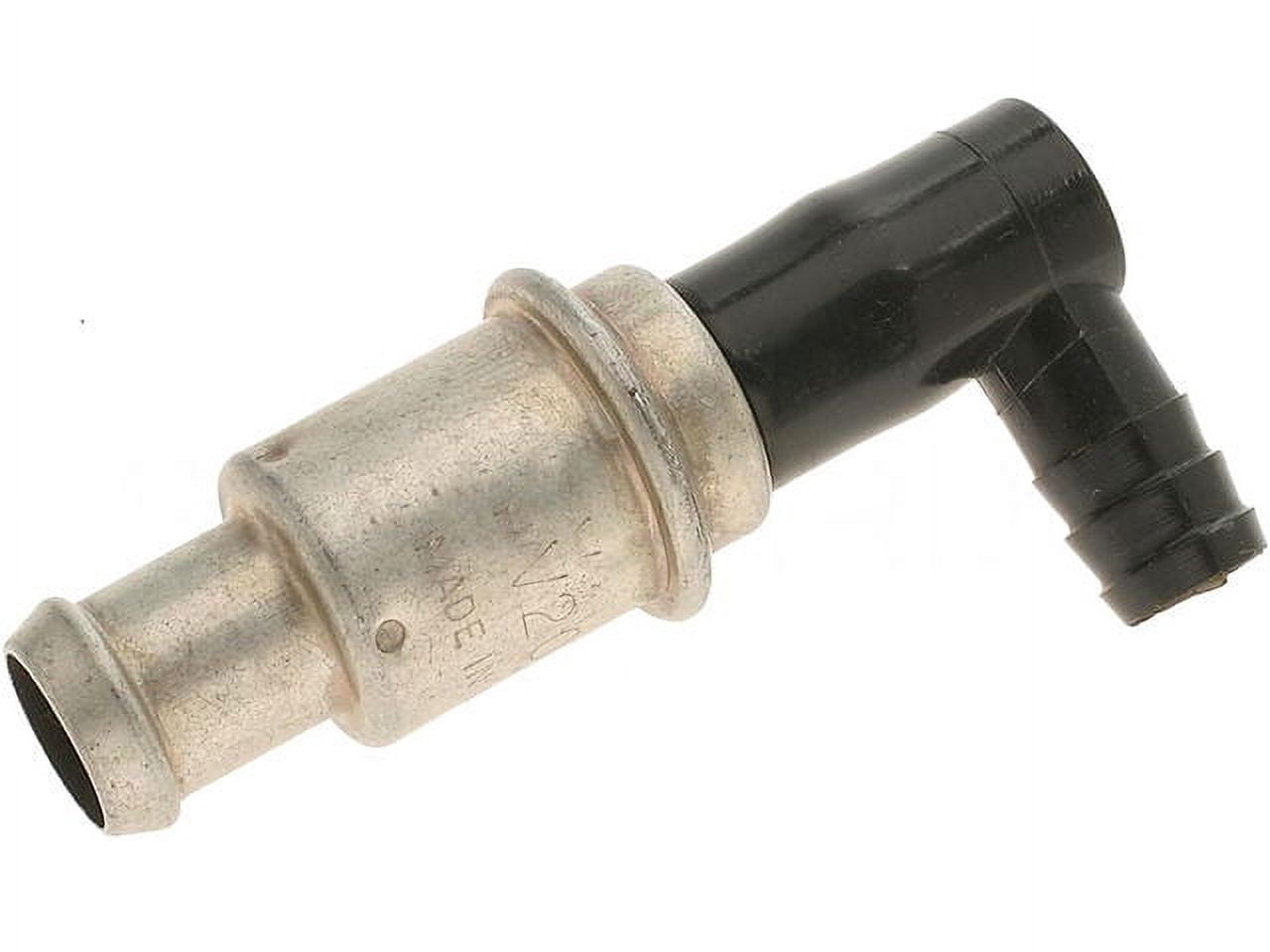
On some 2.4 Tigershark engines, the PCV valve is not a simple, exposed screw-in part. The valve or oil-separator assembly may be built into the cylinder head cover, also called the valve cover. This means the exact replacement procedure depends on the model year, engine build, and the part design used on that vehicle.
Introduction
For Jeep Cherokee owners in the United States, the 2.4-liter Tigershark engine is found mainly in Cherokee KL models from the 2014–2023 model range. The PCV system helps remove blow-by gases from the crankcase and sends them back into the intake to be burned.
The valve can be hard to see because it sits toward the back of the engine. Look behind the top of the engine, toward the windshield and firewall, rather than near the front radiator support. Always confirm the part by checking the vehicle identification number (VIN) and the factory service information before buying a replacement.

The Short Answer: Where to Look
The PCV valve or PCV outlet is usually found in this area:
- At the rear of the 2.4-liter engine
- Near the firewall
- At or below the cylinder head cover
- Connected to a rubber or molded vapor hose
- Close to the intake manifold or its vacuum connection
When you stand in front of the Jeep and face the engine, the valve is on the side farthest from you. On some vehicles, the hose and fitting are visible from above. On others, the intake manifold and nearby parts hide the valve.
The most useful visual clue is the PCV hose. Follow the hose from the intake manifold back toward the cylinder head cover. The valve, metering port, or built-in separator is normally located along that path.
What the PCV Valve Does
The PCV valve controls crankcase ventilation. Combustion gases can pass the piston rings and enter the crankcase. These gases are called blow-by gases. They contain fuel vapor, water vapor, and oil mist.
The PCV system draws those gases from the crankcase and sends them into the intake stream. The engine then burns them instead of allowing pressure and vapor to build inside the crankcase.
A working PCV system helps:
- Control crankcase pressure
- Reduce oil leaks caused by excess pressure
- Limit moisture and vapor buildup
- Return blow-by gases to the combustion process
- Reduce unmetered air and vacuum problems
The PCV valve is not the same as the oil filler cap, the engine breather hose, or the engine air filter. These parts work in the same general ventilation system but perform different jobs.

How to Access the PCV Valve
Access is usually possible from the top of the engine, but the amount of disassembly varies. Do not pull hard on the hose or nearby electrical connectors. Plastic fittings can become brittle with age and heat.
Basic access steps
-
Park on a level surface.
Turn the engine off and allow it to cool fully. -
Open the hood and identify the engine cover.
If the plastic cover is fitted, remove it according to the factory procedure. Some covers lift off, while others use fasteners or rubber grommets. -
Find the rear of the cylinder head cover.
Look toward the firewall. Search for a vapor hose or molded tube connected to the cover or a nearby PCV fitting. -
Trace the hose to the intake manifold.
The hose normally leads from the crankcase ventilation outlet toward the intake system. -
Inspect the connection.
Look for a separate valve, a threaded fitting, a plastic valve body, or a port integrated into the cylinder head cover. -
Remove only the parts required for access.
If the valve is hidden under the intake manifold, more extensive disassembly may be required. The service manual should be used for the removal order and tightening specifications.
The exact location can differ between model years. A parts catalog may list a PCV valve even when the physical service procedure requires replacing a larger cover or separator assembly.
Is the PCV Valve a Separate Replaceable Part?
Sometimes. This is one of the most important details on the 2.4 Tigershark engine.
Some listings describe a replacement PCV valve as a separate part. However, the engine may use a ventilation valve, restrictor, or oil separator that is built into the cylinder head cover. In that case, replacing only an external valve may not correct the problem.
Before ordering a part, compare:
| What you find | What it may mean |
|---|---|
| A small removable valve with a hose | The valve may be separately serviceable |
| A hose connected to a molded cover port | The metering device may be built into the cover |
| A plastic separator or baffle assembly | The service part may include the separator |
| A cracked cover with oil around the seam | The cover gasket or cover assembly may be the real fault |
| A blocked hose with no separate valve | The system may use an integrated PCV passage |
Use the VIN when checking a Jeep dealer parts catalog. Aftermarket listings can use “PCV valve” as a broad term for several different components.
Symptoms of a Bad or Blocked PCV System
A PCV fault can cause several engine symptoms, but none of these symptoms proves that the PCV valve is bad. Vacuum leaks, ignition faults, fuel problems, and worn engine parts can create similar signs.
Possible symptoms include:
- Rough idle
- Whistling or hissing from the engine
- Check Engine light
- Oil leaks from seals or gaskets
- Oil in the intake hose
- Higher-than-normal oil consumption
- Blue smoke from the exhaust
- Hard starting
- Lean-fuel fault codes
- Pressure or suction at the oil filler opening
A blocked PCV passage can raise crankcase pressure. A valve stuck open can act like a vacuum leak and allow too much air into the intake. A damaged hose can create the same type of problem.
Oil consumption on a Tigershark engine should not automatically be blamed on the PCV system. The cause may involve piston rings, cylinder wear, valve seals, leaks, or other engine conditions. A proper diagnosis is needed before replacing parts.
How to Check the PCV System
A basic inspection can reveal a damaged hose or loose connection. A complete diagnosis may require a scan tool, vacuum testing, or professional inspection.
Start with a visual inspection
With the engine off and cool, check for:
- Split or collapsed hoses
- Loose hose ends
- Broken plastic fittings
- Oil residue around the valve cover
- Oil inside the ventilation hose
- A cracked cylinder head cover
- Wiring or brackets blocking the hose
Do not mistake a small amount of oil vapor residue for proof that the valve has failed. Oil mist can collect naturally inside intake and ventilation hoses.
Listen for vacuum noise
A strong whistle or hiss near the rear of the cylinder head cover may indicate a damaged valve, hose, gasket, or cover. Use care around belts, fans, and hot parts if checking with the engine running.
Check for fault codes
A scan tool may show lean-mixture or crankcase ventilation-related faults. The code points to a system condition, not always a failed PCV valve. Check for air leaks and damaged hoses before replacing the valve.
Avoid unsafe “blow-through” tests
Do not rely on shaking the valve or blowing into it as the only test. Modern PCV systems may use calibrated passages, oil separators, and integrated valves. A part can pass a simple movement test and still leak or flow incorrectly when installed.
Common Mistakes to Avoid
Looking at the front of the engine
The radiator side is easier to see, but the PCV connection is generally toward the firewall side. Start at the rear of the cylinder head cover and follow the hose.
Assuming every 2.4 Tigershark uses the same part
The 2.4-liter engine name does not guarantee identical ventilation parts. Model year, emissions equipment, engine revision, and VIN can change the part number.
Replacing the wrong hose
The PCV hose is not always the largest hose on the engine. Trace each connection. A coolant hose, brake-booster hose, and intake-air hose serve different purposes.
Using a universal valve
A PCV valve controls air flow. Its spring rate, restriction, and operating range matter. A generic valve may fit physically but operate incorrectly.
Ignoring a damaged valve cover
If the valve, separator, or metering passage is built into the cover, installing a separate aftermarket valve may not solve the issue. Check the factory parts diagram first.
Working on a hot engine
The intake manifold, exhaust parts, and nearby metal surfaces can remain hot after the engine is shut off. Let the engine cool before touching the hose or cover.
When Professional Repair Makes Sense
A qualified technician is the better choice when:
- The intake manifold must be removed
- The valve cover or cylinder head cover must be replaced
- The hose fitting will not release
- A broken plastic fitting has fallen into the intake
- The engine has severe oil consumption
- The Check Engine light returns after repair
- Oil pressure or crankcase pressure seems abnormal
- You are unsure whether the part is emissions-related
If the vehicle is still covered by a warranty, use an authorized Jeep service center and keep the repair records. Emissions-related components may have separate coverage rules, so check the written warranty for the specific vehicle.
Factory Information and Part Verification
The most reliable way to confirm the PCV location and service method is to compare three pieces of information:
- The vehicle VIN
- The model year and engine code
- The factory parts and service information
Useful sources include:
- The Jeep owner’s manual for the specific vehicle
- The official Mopar parts catalog
- A factory service manual or licensed repair database
- A Jeep dealer parts department
- The emissions label under the hood, when fitted
Parts-store catalogs are useful for finding possible components, but they may combine several engine applications under one listing. The part name “PCV valve” can also describe a complete separator or cover assembly.
Frequently Asked Questions
Does the 2.4 Tigershark PCV valve sit on top of the engine?
The PCV connection is associated with the upper rear portion of the engine, near the cylinder head cover. The actual valve or metering device may be visible from above, or it may be built into the cover and partly hidden by the intake manifold.
Do I need to remove the intake manifold?
Not always. Some Cherokee models provide enough access from above. If the valve or hose is beneath the intake manifold, removal may be required. Check the exact service procedure for the VIN before taking the manifold off.
Can a bad PCV valve cause oil consumption?
It can contribute to oil use if it allows excessive oil vapor into the intake or creates abnormal crankcase pressure. However, high oil consumption has several possible causes. A PCV replacement should not be treated as a complete diagnosis.
How often should the PCV valve be replaced?
There is no single replacement interval that applies to every U.S.-market Cherokee 2.4 Tigershark configuration. Inspect the system during scheduled service and replace the valve, hose, or cover when testing shows a fault or when the manufacturer specifies replacement.
Can I drive with a bad PCV valve?
A short trip may be possible if the engine runs normally and has no severe oil leak, but continued driving can worsen oil leaks, air-fuel faults, and engine deposits. Stop driving if the engine has heavy smoke, severe misfire, rising oil pressure symptoms, or a major leak.
Final Answer
On a U.S.-market Jeep Cherokee with the 2.4-liter Tigershark engine, start looking for the PCV valve at the rear of the engine near the firewall and cylinder head cover. Follow the crankcase ventilation hose toward the intake manifold.
The valve may be a separate component, but some versions use an integrated valve or separator in the cylinder head cover. Confirm the design with the VIN and factory parts information before ordering parts or removing the intake manifold.


