
Jeep Wrangler Door Hinge Corrosion: Fix Bubbling Paint
 Reading Time: 12 minutes
Jeep Wrangler door hinges often corrode because they face rain, road salt, mud, and trapped moisture. On many U.S.-market Wranglers, the hinge, fasteners, door metal, and paint system can react differently when water and salt stay in the joint. The result may be orange rust, white powder, chipped paint, or bubbling paint around the hinge.
The best fix is to remove the corrosion, stop moisture from reaching the bare metal, lubricate the hinge correctly, and repair damaged paint before rust spreads. If the hinge is deeply pitted or the paint bubble returns, professional body repair may be needed.
Why Jeep Wrangler Door Hinges Rust and Bubble Paint
Jeep Wrangler door hinges corrode when moisture reaches exposed metal and remains there. Road salt speeds up this process because it allows water to carry an electrical current across the metal surface.
Several conditions can make the problem worse:
- Salted winter roads in states such as Michigan, Ohio, Pennsylvania, and New York
- Coastal air near the Atlantic, Pacific, or Gulf coasts
- Mud packed behind the hinge
- Repeated pressure washing without drying
- Scratches caused by removing or installing doors
- Loose, cracked, or poorly bonded paint
- Metal contact between parts with different corrosion behavior
- Grease or dirt that traps water against the hinge
- Hinge movement that breaks the paint film
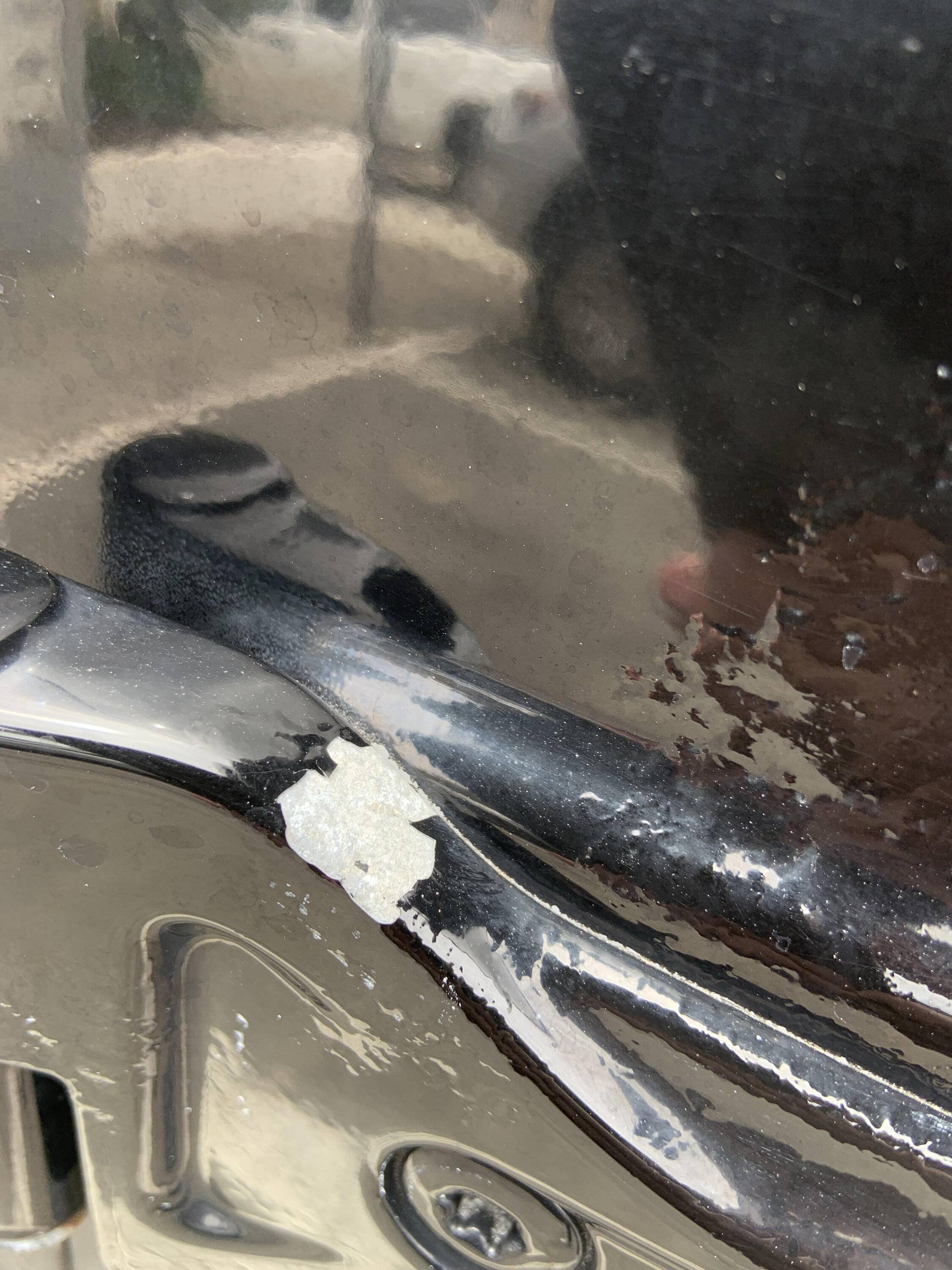
What bubbling paint means
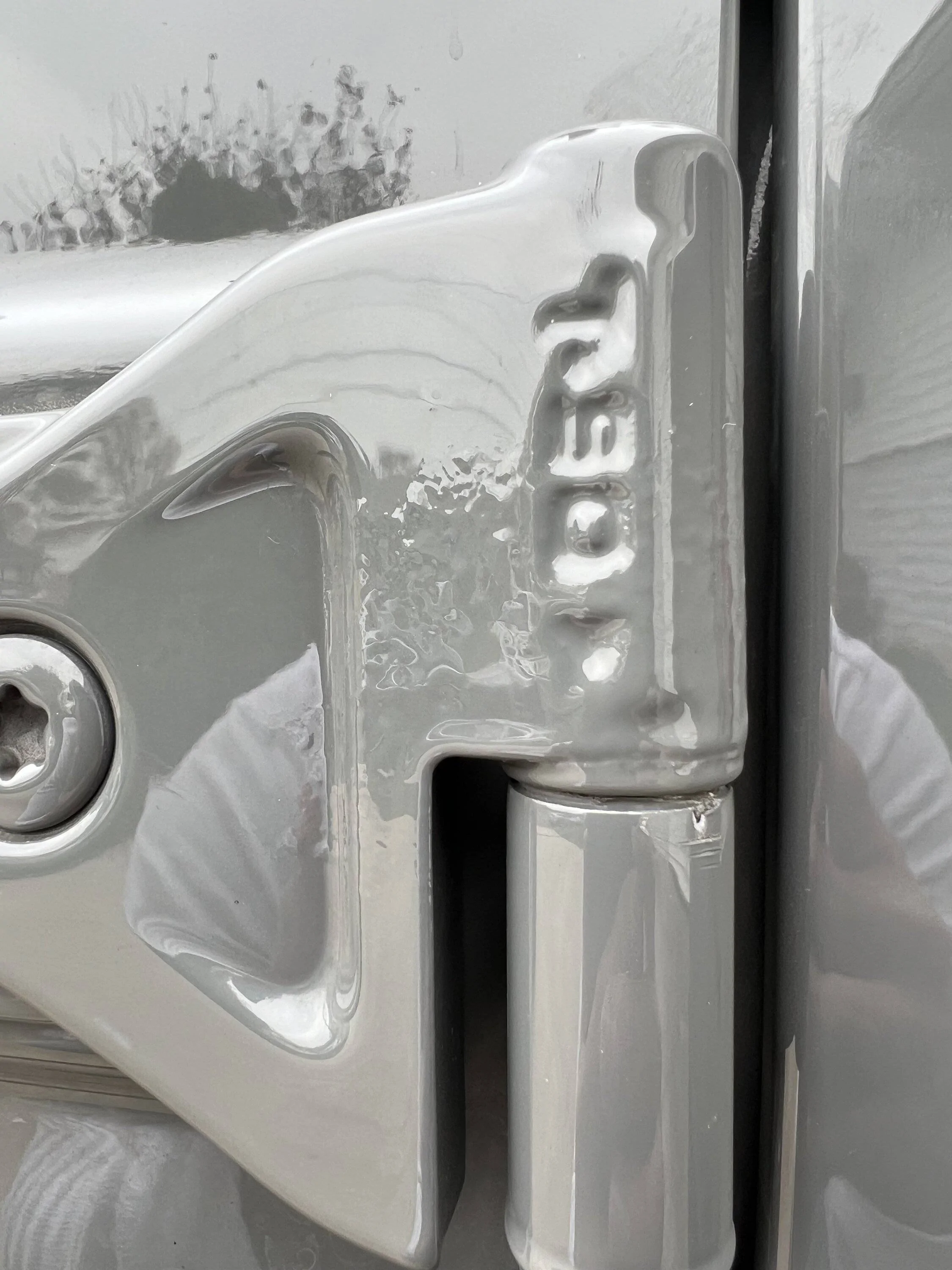
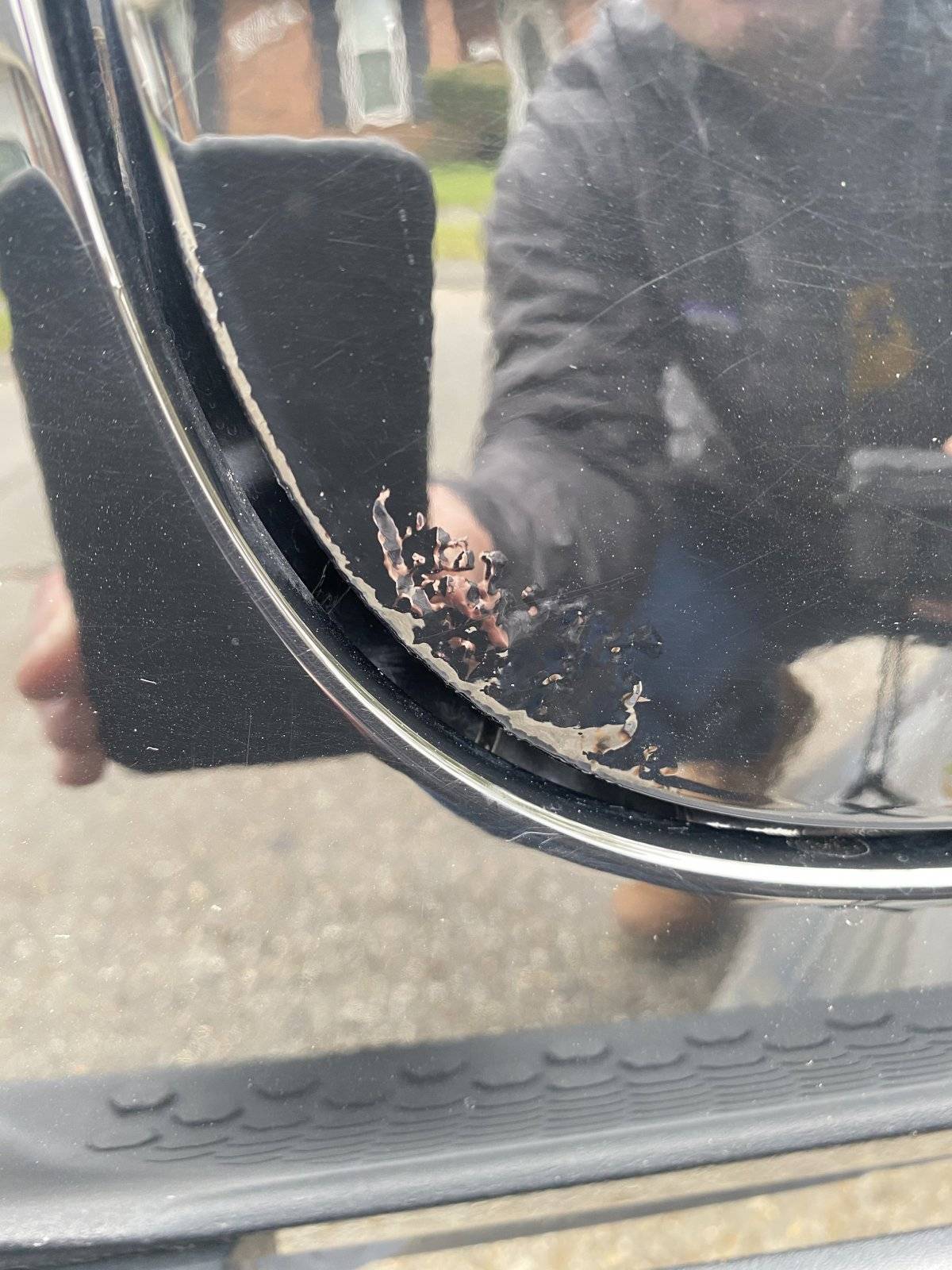
Bubbling paint usually means corrosion is growing under the coating. The visible bubble is not always the full size of the rust. Corrosion can spread under sound-looking paint from a small chip or seam.
On a painted steel hinge, orange or brown rust is the usual warning sign. On aluminum parts, corrosion may look like white or gray powder. Some Wrangler components and trim parts vary by model year and configuration, so identify the affected metal before choosing a repair product.
Do not simply sand the top of the bubble and cover it with spray paint. That may hide the problem for a short time while corrosion continues below the new coating.
What You Need Before Starting
You can handle light surface rust with basic tools. Deep rust, loose hinges, and paint damage that reaches the door edge require more care.
Basic supplies
Gather:
- Mild automotive soap
- Clean water
- Microfiber towels
- Soft detailing brush
- Nylon brush or small brass brush
- Fine abrasive pad or sandpaper
- 180- to 320-grit sandpaper for rust removal
- 400- to 600-grit sandpaper for paint blending
- Automotive wax and grease remover
- Rust-converting product labeled for automotive use, if suitable
- Automotive epoxy primer
- Matching touch-up paint
- Clear coat
- Hinge lubricant
- Painter’s tape and masking paper
- Nitrile gloves
- Eye protection
- A small torque wrench, if hinge fasteners must be removed
Use products that are made for automotive metal and paint. Household vinegar, harsh acids, and general-purpose penetrating oils may damage nearby finishes or leave residue under new paint.
Before you work
Park the Wrangler on a level surface. Work in a dry, well-ventilated area that is out of direct sun. The metal should be cool and dry.
Take photos of the hinge, door gaps, and paint damage before loosening anything. If you remove a door or hinge, support the door properly. Wrangler doors are heavy, and an unsupported door can damage the hinges, wiring, body, or your hands.
Do not remove hinge bolts unless you have a safe way to support and realign the door. Door alignment can change when a hinge moves.
How to Stop Jeep Wrangler Door Hinges From Corroding
The most reliable process is clean, inspect, remove corrosion, seal the metal, and maintain the hinge. The order matters because paint and lubricant cannot bond well to dirt, loose rust, or oil.
1. Wash and dry the hinge
Wash the hinge with automotive soap and water. Use a soft brush to remove sand, salt, and mud from the hinge barrel and the area where the hinge meets the body.
Rinse well. Avoid forcing high-pressure water directly into hinge gaps, seals, electrical connectors, or door checks. High pressure can drive water and grit deeper into the joint.
Dry the area with a clean towel. A short burst of low-pressure compressed air can help remove water from the hinge, but keep the nozzle away from seals and wiring.
Let the hinge dry fully before sanding or applying primer. Paint applied over damp metal can trap water and fail early.
2. Inspect the type and depth of corrosion
Look closely at the whole hinge, not just the most visible spot.
| Condition | What it may mean | Recommended action |
|---|---|---|
| Light orange film | Surface rust | Clean, abrade, prime, and protect |
| Small paint chip with rust | Coating failure at exposed metal | Remove loose paint and repair the spot |
| Raised paint with a sharp edge | Corrosion under the coating | Sand back to stable paint or bare metal |
| White powder | Possible aluminum corrosion | Confirm the metal and use a compatible repair system |
| Deep pits or flakes | Advanced corrosion | Consider hinge replacement or body-shop repair |
| Rust returning from a seam | Corrosion inside the joint or seam | Seek professional inspection |
| Door sag or hard closing | Hinge wear, loose bolts, or structural damage | Stop forcing the door and inspect alignment |
A screwdriver or pick should not be used to gouge the hinge. A light tap may reveal loose scale, but aggressive probing can create more damage.
3. Remove loose paint and rust
Mask the nearby body and door paint. Remove only loose paint, powder, and rust. Start with a nylon or brass brush. Use sandpaper or an abrasive pad for the remaining corrosion.
For small areas, 180- to 320-grit paper can remove rust and feather the paint edge. Finish the surrounding area with finer paper so the repair does not leave a sharp ridge.
The goal is stable metal, not a perfectly polished hinge. Stop when:
- Loose scale is gone
- The paint edge no longer lifts
- The metal feels firm
- No active rust remains in the repair area
Deep pits may remain after sanding. A rust converter may help with small areas that cannot be cleaned fully, but follow the product label. A converter is not a substitute for removing heavy scale.
Do not use a wire wheel near weather seals, glass, wiring, or painted body panels unless the area is fully protected. A spinning wheel can throw rust and damage nearby surfaces.
4. Clean the repair area
Wipe the sanded area with automotive wax and grease remover. Use a clean cloth and change to a dry part of the cloth often.
Do not touch the clean metal with bare fingers. Skin oils can reduce primer adhesion. Allow the cleaner to evaporate as directed on its label.
Avoid applying silicone dressings, tire shine, or oily rust sprays before painting. Silicone contamination can cause fish-eyes and poor paint adhesion.
5. Apply a suitable primer
Apply a thin coat of automotive epoxy primer to exposed metal. Epoxy primer is useful because it creates a sealed base and helps protect clean metal from moisture.
Follow the product’s:
- Mixing ratio
- Recoat window
- Temperature range
- Flash time
- Sanding instructions
- Required topcoat
If the product label calls for a separate etching primer, do not assume epoxy and etch primer can be layered in any order. Use a compatible system from the same manufacturer when possible.
Keep primer off hinge pivots and moving contact surfaces. A thick coating inside the hinge barrel can restrict movement or crack when the hinge moves.
6. Restore the paint
After the primer cures, lightly smooth it if the product requires sanding. Apply matching touch-up paint in several thin coats rather than one thick coat.
A factory paint code can help, but touch-up color may still differ because of age, sunlight, and paint condition. For a visible repair on a newer Wrangler, a body shop can blend the color into the surrounding panel.
Apply clear coat only when the touch-up system requires it. Allow the repair to cure before washing, waxing, or lubricating the hinge.
A small chip repair may stop corrosion. It will not correct a hinge that is badly pitted, distorted, or loose.
7. Lubricate the moving hinge
Use a light automotive hinge lubricant or a product specifically labeled for hinges. Apply a small amount to the hinge pivot, then open and close the door several times.
Wipe away excess lubricant. Heavy grease can collect grit and form a paste that wears the hinge.
Do not spray lubricant onto:
- Brake parts
- Seat belts
- Door latches unless the product is suitable
- Weather-strip rubber unless the label allows it
- Painted surfaces that you plan to refinish
A lubricant reduces friction. It does not replace paint repair or protect a rusted hinge from all moisture.
8. Check door alignment
After the repair, open and close the door slowly. Check that:
- The door does not drop when opened
- The door closes without force
- The body gaps look even
- The hinge does not bind
- The paint does not flex or crack
- The door latch works normally
If the door rubs, sags, or needs to be lifted to close, do not keep adjusting bolts at random. Mark the original hinge position and have the alignment checked. A misaligned door can put extra load on the hinge and cause fresh paint damage.
How to Prevent Rust From Coming Back
Repair stops existing corrosion. Regular care lowers the chance of recurrence.
Wash hinges after salt and mud exposure
Rinse the hinges after driving on salted roads, wet sand, or muddy trails. Give the water time to carry away salt, but do not use extreme pressure at the hinge joint.
During winter, inspect the hinges more often. A monthly check may be enough for a dry inland area, while a Wrangler used near the coast or on salted roads may need inspection after major exposure.
Dry the hinge area
Water left in a hinge joint can keep the surface wet for hours. Dry the hinge after washing and check the lower edge of the hinge, where water and grit often collect.
A soft towel is safer than a harsh brush on fresh touch-up paint. Wait until the repair has fully cured before regular washing.
Protect intact paint
A clean layer of automotive wax or a paint sealant can help water leave the surface. It will not repair rust, and it should not be used over loose paint or contaminated metal.
Avoid coating hinge pivots with thick wax. Keep protective products on the painted exterior surfaces unless the product label states that it is safe for moving metal joints.
Lubricate on a schedule
Lubricate the hinge when it becomes stiff, noisy, or dry, and inspect it during routine maintenance. There is no single interval that fits every Wrangler because climate, off-road use, and washing habits differ.
Wipe the hinge clean before adding new lubricant. Adding oil over grit can make wear worse.
Inspect after door removal
If you remove the Wrangler doors for trail use, inspect the hinge pins and mounting areas each time. Door removal can expose unpainted contact points and may create scratches during handling.
Set the doors on a padded, stable surface. Do not drag them or allow the hinge to strike concrete. Touch up any chip before moisture reaches the metal.
When Surface Repair Is Not Enough
DIY paint repair is reasonable when corrosion is small and shallow. Professional repair is the safer choice when the corrosion affects structure, alignment, or a large area.
Seek a body shop or qualified technician if:
- The hinge has deep pits, cracks, or flaking metal
- The hinge is loose after tightening
- The door sags or will not align
- Rust extends under the door edge or body seam
- Corrosion returns soon after repair
- Paint bubbles cover a large area
- The hinge is attached to damaged body metal
- You cannot support the door safely
- The repair requires welding or hinge replacement
A shop may remove the hinge, clean the mounting surface, replace damaged hardware, repair the paint system, and realign the door. Painting over a weakened hinge can make the repair look better without restoring strength.
Do not drill, grind, weld, or heat a hinge near wiring, fuel system parts, airbags, or weather seals unless the work is performed with the correct precautions.
Common Mistakes That Make Jeep Hinge Rust Worse
Painting over rust
New paint can seal in moisture and hide active corrosion. Remove loose rust and failed paint first.
Using only penetrating oil
Penetrating oil may free a stiff hinge, but it is not a durable paint coating. It can also interfere with primer adhesion.
Spraying thick grease everywhere
Grease attracts road dust. A small amount of suitable hinge lubricant is usually better than a heavy coating.
Ignoring the underside
Rust often starts where the hinge meets the body or where water collects below the visible surface. Inspect all sides.
Using a pressure washer too close
High-pressure water can force grit into the hinge and damage seals. Use a wider spray pattern and keep the nozzle back.
Tightening bolts without checking alignment
Over-tightening can damage threads or shift the door. Use the model-specific service information for bolt torque and alignment procedures.
Assuming every Wrangler uses the same metal
Wrangler parts and finishes can vary by model year, trim, and replacement history. Confirm the material before selecting a rust converter, primer, or touch-up system.
Should You Replace the Hinge or Repair It?
Repair light surface rust when the hinge remains solid, the pivot moves freely, and the door aligns correctly. Replace or professionally restore the hinge when corrosion has removed metal or caused movement.
| Situation | Repair may be suitable | Replacement or professional work is wiser |
|---|---|---|
| Small surface rust spot | Yes | Usually not needed |
| Paint chip with clean metal below | Yes | Not needed |
| Light rust around a bolt | Often | If the bolt or threads are damaged |
| Deep pitting | Limited | Often |
| Door sag | No | Yes, inspect hinge and mounts |
| Cracked hinge | No | Yes |
| Rust inside a seam | Limited | Often |
| Repeated bubbling after repair | No | Yes, find the hidden source |
The deciding factor is not appearance alone. A hinge can look acceptable while its pivot, fastener, or mounting metal is weakening.
Frequently Asked Questions
Can I stop Jeep Wrangler hinge rust with WD-40?
A water-displacing spray may help remove moisture or free a stiff hinge, but it is not a complete corrosion repair. Clean the hinge, repair damaged paint, and use a suitable hinge lubricant for ongoing maintenance.
Is bubbling paint on a Wrangler hinge covered by warranty?
Coverage depends on the vehicle’s model year, warranty terms, corrosion location, prior repairs, and the cause of the damage. Review the U.S. warranty booklet for your Wrangler and ask an authorized Jeep dealer to inspect the area. Do not assume that surface rust, rock chips, or aftermarket damage qualify.
Can I use rust converter under touch-up paint?
Some rust converters are designed for use under paint, but compatibility varies. Follow the product label and allow the converter to cure fully. Do not apply it over heavy scale or oily metal.
Should I remove the Jeep doors to repair the hinges?
Not for a small surface repair. Door removal adds alignment and handling risks. Remove a door only when the repair requires access and you can support and realign it safely.
How often should I inspect Wrangler door hinges?
Inspect them during routine washing and after exposure to road salt, mud, or coastal air. Check more often if the Wrangler is used off-road or stored outdoors. Early paint chips are much easier to repair than bubbling paint.
Key Takeaways
- Clean and dry the hinge before inspecting or painting it.
- Remove loose rust and failed paint instead of covering the bubble.
- Seal exposed metal with a compatible automotive primer.
- Use matching touch-up paint and clear coat as directed.
- Apply only a small amount of suitable hinge lubricant.
- Rinse salt and mud from the hinge, then dry the area.
- Treat door sag, deep pitting, cracked metal, and recurring rust as professional-repair signs.
- Follow the model-specific Jeep service information for fastener torque and door alignment.
Conclusion
To stop Jeep Wrangler door hinges from corroding and bubbling paint, repair the coating failure at its source. Wash away salt and mud, dry the hinge, remove active corrosion, prime exposed metal, restore the paint, and lubricate the moving joint lightly.
The next step is simple: inspect every hinge in bright light and mark each area as surface rust, paint failure, or structural damage. Repair small spots early. If the hinge is deeply pitted, loose, cracked, or causing door alignment problems, have a qualified body shop or Jeep technician handle it.


