Jeep Renegade Pros And Cons: Is It Worth Buying?
 Reading Time: 15 minutes
The Jeep renegade can be worth buying as a used vehicle in the United States, but it is not a clear choice for every shopper. It offers a high driving position, available four-wheel drive, useful ground clearance, and a small size that works well in cities. However, it has less rear-seat and cargo space than many rivals, average fuel economy, and a mixed record for reliability and repair costs.
The biggest point for U.S. buyers is that the Renegade is no longer a current Jeep model in the American market. That means most shoppers will consider a used model, mainly from the 2015–2023 model years. A well-kept, later model with a strong service record can make sense. A neglected early model with warning lights, poor maintenance, or a high price usually does not.

Jeep Renegade quick verdict
The Jeep Renegade is best for drivers who want a small SUV with Jeep styling and available four-wheel drive. It is less suited to buyers who want the best fuel economy, the most interior room, the lowest repair risk, or the smoothest ride.
Quick rating by buying need
| Buying need | Renegade assessment |
|---|---|
| City driving | Good size and visibility |
| Snow and light trails | Good with the right 4×4 system and tires |
| Fuel economy | Average to below average |
| Rear-seat room | Tight for adults |
| Cargo space | Adequate, but not class-leading |
| Ride comfort | Acceptable, but some rivals feel more refined |
| Reliability | Mixed; condition matters greatly |
| Towing | Limited; check the exact vehicle and equipment |
| Used value | Can be good if priced correctly |
| New-car purchase in the U.S. | Not applicable because U.S. production ended |
Bottom line: Buy a used Jeep Renegade only after a full inspection and a VIN recall check. Favor a later model with complete records. Skip examples with transmission trouble, electrical faults, oil leaks, or a history of missed service.
What is the Jeep Renegade?
The Jeep Renegade is a subcompact SUV. It sits below the Jeep Compass in size and competes with vehicles such as the Honda HR-V, Subaru Crosstrek, Mazda CX-30, Chevrolet Trailblazer, and Hyundai Kona.
The Renegade was sold in the U.S. from the 2015 model year through 2023. It used front-wheel drive as standard on some versions, while Jeep offered four-wheel drive on many trims. Depending on the year and trim, U.S. engines included a 1.4-liter turbocharged four-cylinder, a 2.4-liter four-cylinder, and a later 1.3-liter turbocharged four-cylinder.
The exact engine, transmission, and 4×4 system vary by model year. This matters because a 2015 Renegade is not mechanically identical to a 2023 Renegade. Always check the window sticker, build sheet, service records, and VIN.
The Renegade is not the same as a traditional body-on-frame Jeep Wrangler. It is a front-drive-based small SUV with unibody construction. Its available 4×4 system helps with snow, wet roads, gravel, and mild trails. It does not turn the Renegade into a Wrangler for deep mud, rocks, or serious off-road use.
Jeep Renegade pros
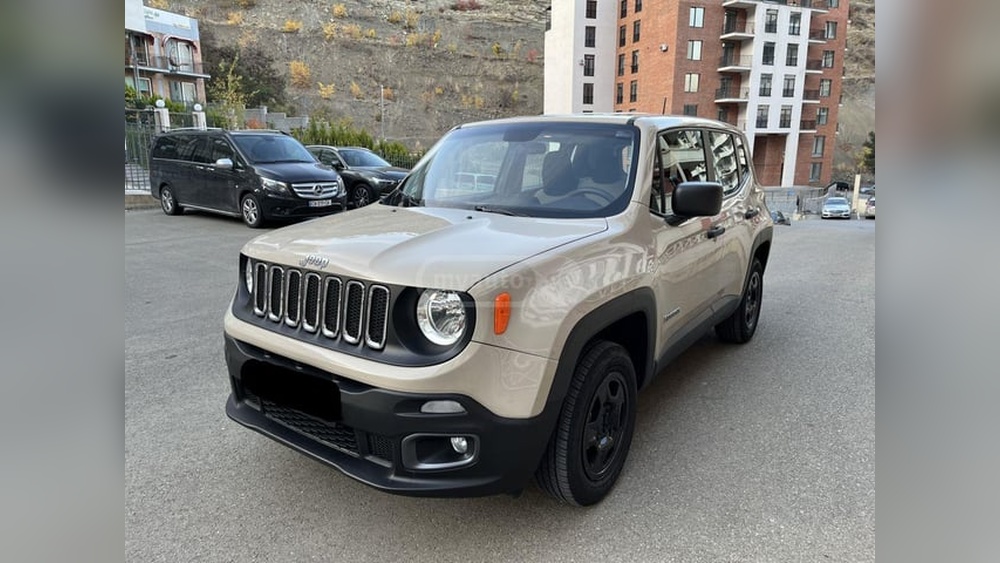
The Renegade has several real strengths. Its best qualities are its small footprint, upright cabin, available 4×4 hardware, and distinctive design.
1. Small size makes it easy to drive in town
The Renegade is easy to place on narrow streets and in crowded parking lots. Its upright shape gives the driver a clear view over nearby traffic. The boxy body also makes the corners easier to judge than on many rounded crossover SUVs.
This makes the Renegade useful for:
- Urban commuting
- Tight parking garages
- Short trips
- Drivers who prefer a higher seat
- Buyers who want SUV access without a large vehicle
The trade-off is that its upright body creates more wind noise and does not make the cabin as spacious as its outside shape may suggest.
2. Available four-wheel drive helps in snow and poor weather
Some Renegade models offer Jeep Active Drive or Jeep Active Drive Low. The exact system depends on the trim and model year. Four-wheel drive can improve traction when roads are covered with snow, loose gravel, or mud.
The Trailhawk trim adds more off-road equipment than regular Renegade models. Depending on the year, that equipment can include higher ground clearance, off-road tires, skid plates, hill-descent control, and a low-range-style setting.
Four-wheel drive does not shorten braking distance on ice. It also does not replace winter tires. In many winter conditions, a front-wheel-drive vehicle with good winter tires can be safer than an all-wheel-drive vehicle with worn all-season tires.
3. The Trailhawk is more capable than most small SUVs
The Renegade Trailhawk is one of the more off-road-focused choices in the subcompact SUV class. It has better underbody protection and more trail-focused programming than normal versions.
It can be a good fit for:
- Forest roads
- Gravel roads
- Moderate dirt trails
- Snow-covered routes
- Camping access roads
It is still limited by its size, power, approach angles, and compact-SUV design. Buyers should not assume that the Trailhawk can match a Wrangler or a larger body-on-frame SUV.
4. Upright styling and useful visibility appeal to some drivers
The Renegade has a square shape, tall roof, and Jeep design cues. The cabin feels more like a small SUV than a low hatchback. The high seating position can make entry and exit easier for some drivers.
The design is also one of the main reasons people choose the Renegade over a more practical rival. It has more character than many small crossovers. That is a personal benefit, but it matters when a vehicle is used every day.
5. Used prices can be attractive
Because the Renegade is discontinued in the U.S., used prices may be lower than those of some newer competitors. Depreciation can help buyers who want a newer small SUV on a limited budget.
A low price alone does not make a Renegade a good deal. Compare the total cost, including:
- Purchase price
- Sales tax and registration
- Insurance
- Fuel
- Tires
- Scheduled service
- Possible transmission or electrical repairs
A cheap Renegade with a weak service history can cost more than a better-maintained vehicle bought at a higher price.
6. The interior offers useful features on higher trims
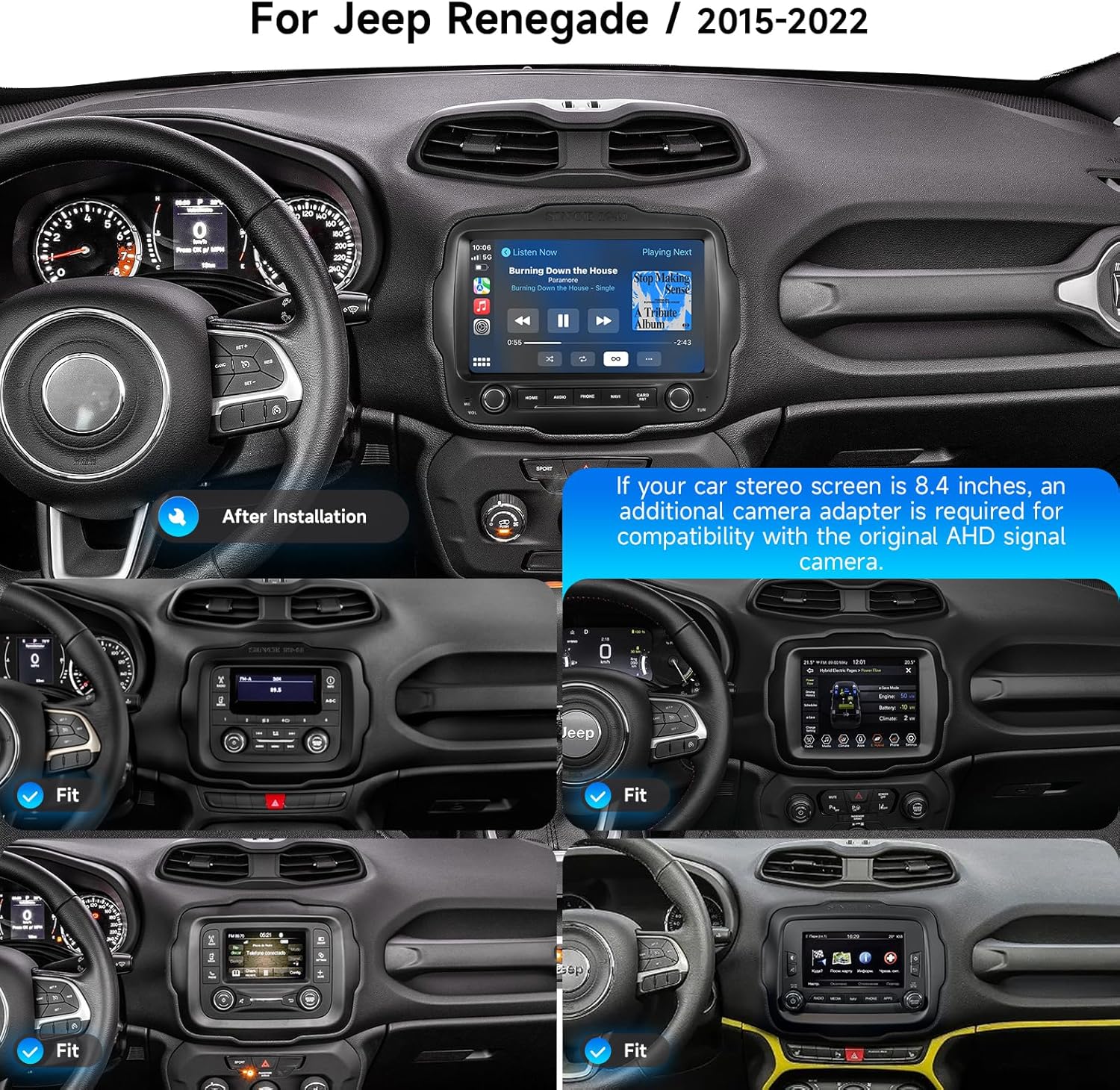
Higher trims may include heated seats, a heated steering wheel, dual-zone climate control, a larger touchscreen, Apple CarPlay, Android Auto, and driver-assistance features.
Equipment varies widely by year. Some early vehicles have older infotainment systems and fewer active safety features. Check the actual vehicle rather than assuming that every Renegade has the same technology.

Jeep Renegade cons
The Renegade’s weaknesses are important because they affect long-term ownership. The main concerns are tight rear space, average fuel economy, mixed reliability reports, and a less polished driving experience than some newer rivals.
1. Reliability is mixed across model years
Reliability is not a single score for every Renegade. It changes with the engine, transmission, model year, mileage, maintenance, and prior use.
Owners and repair databases have reported problems involving areas such as:
- Electrical systems
- Sensors and warning lights
- Cooling components
- Turbocharger-related parts
- Oil leaks
- Automatic transmissions
- Four-wheel-drive components
- Infotainment systems
A reported problem does not mean every Renegade will fail. It does mean that a pre-purchase inspection is especially valuable.
The safest used-car process is simple:
- Get the VIN.
- Check open recalls through the NHTSA recall tool.
- Review a vehicle history report.
- Confirm regular oil and filter service.
- Have an independent mechanic inspect the vehicle.
- Scan the vehicle for stored fault codes.
- Test the transmission when cold and warm.
- Confirm that all 4×4 modes work if equipped.
Do not buy a Renegade based only on a clean appearance or a dealer’s short test drive.
2. Fuel economy is not a major strength
The Renegade uses more fuel than some compact and subcompact competitors. EPA ratings vary by engine, drivetrain, model year, and transmission. Front-wheel-drive turbo models generally use less fuel than four-wheel-drive models, while the older 2.4-liter engine is usually less efficient.
Check the exact vehicle at the EPA Fuel Economy website. Use the model year, engine, and drivetrain. Do not rely on a general fuel-economy figure for the entire Renegade range.
A useful ownership calculation is:
Annual fuel cost = annual miles ÷ actual miles per gallon × local fuel price
For example, assume a driver travels 12,000 miles per year:
- Vehicle A gets 27 mpg.
- Vehicle B gets 33 mpg.
- Gas costs $3.50 per gallon.
Vehicle A uses about 444 gallons per year. Vehicle B uses about 364 gallons. The difference is about 80 gallons, or roughly $280 per year. The gap grows when fuel prices or annual mileage rise.
3. The rear seat is tight for adults
The Renegade’s front seats are fairly upright and usable. The rear seat is less generous. Tall adults may find legroom limited, especially when a tall driver sits in front.
The rear area works better for:
- Children
- Smaller adults
- Short trips
- Occasional passengers
If you often carry four adults, compare the Renegade directly with the Subaru Crosstrek, Honda HR-V, or Toyota Corolla Cross. Sit in the second row before buying. Published dimensions cannot replace a real fit test.
4. Cargo space is only moderate
The Renegade’s boxy shape helps it carry square items, but it does not offer class-leading cargo capacity. The rear seat folds for larger loads, but the floor may not be perfectly flat in every configuration.
Measure the cargo area if you carry:
- A large stroller
- Sports equipment
- A dog crate
- Work tools
- Camping gear
- Musical equipment
The Renegade can handle normal errands. It is less suitable for a family that regularly fills the vehicle with people and luggage.
5. Ride and handling are average
The Renegade is easy to drive, but it may not feel as smooth or quiet as a Honda HR-V, Mazda CX-30, or newer Toyota competitor. The suspension can feel firm, especially with larger wheels or the Trailhawk’s more rugged tires.
The Trailhawk’s hardware improves trail ability but may add road noise and reduce fuel economy. This is a clear trade-off: the more trail-focused the Renegade, the less it behaves like a quiet commuter vehicle.
6. Some engines and transmissions feel strained
The older 2.4-liter engine provides acceptable power but can feel noisy under load. The smaller turbocharged engines can offer better low-speed response, but turbo systems add parts that may be costly if they fail.
The automatic transmission should shift smoothly. Watch for:
- Delayed engagement
- Harsh shifts
- Slipping
- Shuddering
- A flare in engine speed between gears
- Warning messages
- A delay when selecting Drive or Reverse
A single rough shift during a cold start does not prove a major failure. Repeated symptoms, stored codes, fluid leaks, or a warning light deserve professional diagnosis.

Which Jeep Renegade model years are best?
There is no universal “best” Renegade year. Later models benefit from updates, but condition and service history remain more important than the badge on the trunk.
Early models: 2015–2017
These are often the least expensive used options. They may also have more age-related wear and a greater chance of deferred maintenance.
Check carefully for:
- Transmission behavior
- Electrical faults
- Oil leaks
- Cooling-system issues
- Unusual engine noise
- Recalls and completed campaigns
- Weak or outdated infotainment hardware
Buy an early Renegade only if the price reflects its age and an independent inspection supports the purchase.
Middle years: 2018–2020
These models may offer a better balance of price and equipment. Engine and transmission choices still vary, so compare the exact version.
The 2.4-liter engine and earlier turbocharged engines should be evaluated on their own maintenance record. Do not assume that all vehicles from the same year have the same mechanical risk.
Later models: 2021–2023
Later Renegades may have newer technology and updated powertrains. They are also newer, which can reduce age-related wear. However, they may cost more than older examples and still require a careful inspection.
A late-model Renegade can be a sensible used buy when it has:
- One or two owners
- Complete maintenance records
- No major accident history
- No active warning lights
- A clean inspection
- A reasonable price compared with newer rivals

Is the Jeep Renegade Trailhawk worth buying?
The Trailhawk is worth considering if you need real low-speed trail ability from a small SUV. It is not worth paying extra for if you only drive on paved roads.
Choose the Trailhawk when you need:
- Better clearance
- More underbody protection
- Trail-rated equipment
- Improved traction on loose surfaces
- A small vehicle for outdoor access roads
Choose a regular Renegade when you need:
- Lower purchase cost
- Better road comfort
- Lower tire costs
- Less road noise
- Normal city and highway use
The Trailhawk may use more fuel and have higher tire replacement costs. Its special equipment also does not remove the need for careful maintenance.

Jeep Renegade versus competing small SUVs
The right alternative depends on what you value most. No rival is better in every category.
| Vehicle | Main advantage over the Renegade | Main trade-off |
|---|---|---|
| Honda HR-V | Strong practicality and comfortable daily use | Less rugged image and limited off-road focus |
| Subaru Crosstrek | Standard all-wheel drive on many versions and good ground clearance | Can cost more; engine performance is modest in some trims |
| Mazda CX-30 | More polished road manners and upscale interior feel | Tighter rear space and less trail-focused hardware |
| Toyota Corolla Cross | Practical layout and strong brand reputation | Some versions feel slow or plain |
| Chevrolet Trailblazer | Efficient turbo options and useful cargo shape | Interior quality and long-term ownership costs vary by version |
| Jeep Compass | More room and a larger SUV feel | Higher cost and not always the best value |
The Renegade makes the most sense when Jeep styling, compact dimensions, and available trail equipment matter more than fuel economy or rear-seat room.

What should you check before buying a used Jeep Renegade?
A pre-purchase inspection can prevent a costly mistake. Pay attention to the following areas.
Mechanical checks
Ask the mechanic to inspect:
- Engine oil leaks
- Coolant leaks
- Turbocharger operation, if equipped
- Transmission fluid condition
- Driveshafts and axles
- Suspension bushings
- Brakes and tire wear
- Exhaust components
- Battery and charging system
- Four-wheel-drive operation
A vehicle with four unevenly worn tires can place extra stress on an all-wheel-drive system. Tire size and tread depth should match the manufacturer’s requirements.
Electronic checks
Test every feature, including:
- Backup camera
- Touchscreen
- Bluetooth
- Apple CarPlay or Android Auto
- Air conditioning
- Heated seats
- Power windows and locks
- Blind-spot monitoring
- Parking sensors
- Dashboard warning lights
- Remote start, if equipped
A scan tool can find stored trouble codes that are not visible during a short drive.
Documentation checks
Look for:
- Regular oil changes
- Transmission service where required
- 4×4 service records
- Tire replacement records
- Recall completion
- Accident repairs
- Salvage or flood history
- Lease or fleet use
If the seller will not allow an independent inspection, treat that as a serious warning.

How much should you pay for a used Renegade?
There is no single fair price because mileage, trim, location, condition, drivetrain, and market demand all affect value. Use several sources rather than trusting one dealer listing.
Compare:
- Private-party prices
- Dealer asking prices
- Certified used listings
- Local tax and registration costs
- Insurance quotes
- Expected repair reserves
A vehicle with a lower purchase price may not be cheaper over five years. For example, a Renegade priced several thousand dollars below a newer rival may need tires, brakes, suspension work, and electrical repairs soon after purchase.
When comparing prices, adjust for:
- Accident history
- Number of owners
- Mileage
- Service records
- 4×4 equipment
- Trim level
- Remaining factory or third-party warranty
- Open recalls
The best value is usually the cleanest, best-documented vehicle, not the cheapest listing.
Jeep Renegade maintenance and ownership costs
Routine care includes oil and filter changes, tire rotation, brake inspections, air-filter replacement, and scheduled fluid service. The exact schedule depends on the engine and model year, so use the owner’s manual for the vehicle you plan to buy.
Budget for normal wear items:
- Tires
- Brakes
- Battery
- Wiper blades
- Suspension parts
- Alignment
- Belts and hoses
Four-wheel-drive versions can cost more to maintain because they have additional driveline parts. Trail-focused trims may also use more expensive tires.
An extended warranty may help with some major repairs, but read the contract carefully. Check the deductible, covered parts, labor limits, exclusions, approval process, and whether the plan is backed by a stable provider. A service contract is not automatically good value.

Common Jeep Renegade buying mistakes
Avoid these errors when shopping.
Buying only by trim name
“Trailhawk” or “Limited” does not guarantee good condition. A base model with full records may be a better buy than a high trim with poor maintenance.
Ignoring warning lights
A dashboard light may indicate a small sensor issue, but it may also signal a transmission, emissions, or safety problem. Diagnose it before purchase.
Skipping the cold start
Ask to see the vehicle before it has been warmed up. Cold starts can reveal battery weakness, rough idle, smoke, rattles, and delayed transmission engagement.
Assuming four-wheel drive means safe winter braking
Four-wheel drive helps a vehicle move. It does not create extra grip when braking or cornering. Tires remain critical.
Forgetting insurance and tire costs
A Trailhawk with larger or specialized tires may cost more to insure and maintain than a front-wheel-drive base model.
Failing to check recall status
Use the VIN, not a general internet list. Recall campaigns can vary by vehicle and production date.
Key takeaways
- The Jeep Renegade is mainly a used-car choice for U.S. buyers.
- Its best traits are small size, upright visibility, Jeep styling, and available 4×4 capability.
- Its main drawbacks are mixed reliability, average fuel economy, tight rear seating, and limited cargo room.
- The Trailhawk is useful for mild trails but may be unnecessary for normal commuting.
- Later, well-maintained examples are usually easier to recommend than neglected early models.
- Always get a pre-purchase inspection and check the VIN for open recalls.
- Buy only when the price reflects the vehicle’s condition and likely repair needs.
Frequently asked questions
Is the Jeep Renegade reliable?
Reliability is mixed. Some owners report normal ownership with routine service, while others experience electrical, engine, transmission, or 4×4 repairs. Maintenance history, mileage, engine choice, and model year all matter. A professional inspection is more useful than a reliability score alone.
Is the Jeep Renegade good in snow?
A four-wheel-drive Renegade with proper winter tires can perform well in snow. Front-wheel-drive versions can also work well with winter tires. Four-wheel drive does not improve braking on ice, so speed, tires, and safe driving still matter.
Is the Jeep Renegade expensive to repair?
Repair costs can be reasonable for routine work, but major engine, transmission, turbocharger, electronic, or 4×4 repairs can be expensive. Local labor rates and parts availability affect the final bill. Keep an emergency repair fund when buying an older example.
Does the Jeep Renegade have enough room for a family?
It can work for a small family, especially with child seats and normal daily cargo. The rear seat and cargo area are less spacious than those in several competing small SUVs. Test the exact car with your child seats, stroller, or other gear.
Should I buy a Jeep Renegade with high mileage?
High mileage is not an automatic reason to reject one. A high-mileage Renegade with complete records may be safer than a low-mileage vehicle that sat unused or missed service. Inspect the engine, transmission, suspension, cooling system, electronics, and 4×4 hardware before deciding.
Does the Jeep Renegade hold its value?
It generally does not have the resale strength of some Honda, Toyota, or Subaru competitors. That can help used buyers because purchase prices may be lower. It can hurt owners who plan to sell after a short period.
Final verdict: Is a Jeep Renegade worth buying?
A Jeep Renegade is worth buying when you want a small, distinctive SUV with available four-wheel drive and you find a well-maintained used example at a fair price. The Trailhawk is the strongest version for light off-road use. A front-wheel-drive or regular 4×4 model may be the better choice for daily driving.
It is not the best choice if you need maximum reliability, low fuel costs, a roomy back seat, or class-leading cargo space. In those cases, compare the Renegade with the Honda HR-V, Subaru Crosstrek, Toyota Corolla Cross, Mazda CX-30, and Chevrolet Trailblazer.
Before signing a purchase contract, verify the VIN, check recalls, review service records, complete a cold-start test drive, and pay for an independent inspection. That process matters more than choosing a particular trim name.