Jeep Grand Cherokee Transmission Fluid: Ultimate Guide & Tips
 Reading Time: 7 minutes
 Jeep Grand Cherokee Transmission Fluid: Beginner’s Guide
If you own a Jeep Grand Cherokee, you want your SUV to last a long time and run smoothly. One of the most important fluids in your vehicle is the transmission fluid. Without proper care, your transmission can develop problems that are expensive to fix. This guide will help you understand what transmission fluid does, when to change it, how to choose the right type, and how to avoid common mistakes.
What Is Transmission Fluid And Why Does It Matter?
The transmission fluid in your Jeep Grand Cherokee is like blood for your transmission system. It lubricates moving parts, keeps them cool, and helps your transmission shift gears smoothly.
- Lubrication: Reduces friction and wear inside the transmission.
- Cooling: Carries heat away from critical parts.
- Hydraulic function: Helps move gears using pressure.
- Cleaning: Picks up dirt and small metal particles.
If your transmission fluid is low or dirty, you might notice:
- Hard or delayed shifting
- Strange noises or grinding
- Transmission slipping out of gear
- Overheating
These are warning signs. Ignoring them can lead to complete transmission failure, which often costs over $3,000 to repair.
Types Of Transmission Fluid For Jeep Grand Cherokee
Jeep Grand Cherokee models use different transmission fluids, depending on their year and engine. Using the wrong fluid can cause damage.
Common Fluid Types
- ATF+4: Most Jeep Grand Cherokees made after 1999 use ATF+4 automatic transmission fluid.
- Dexron III/Mercon: Some older models (pre-1999) use Dexron III or Mercon fluids.
- ZF Lifeguard 8: Some newer Grand Cherokees (with 8-speed ZF transmissions) require this special synthetic fluid.
Always check your owner’s manual. If you don’t have it, check the sticker under your hood or contact a Jeep dealer.
Quick Reference Table
Here’s a simple comparison of fluid types and compatible Jeep Grand Cherokee models:
| Model Year | Transmission | Fluid Type |
|---|---|---|
| 1993-1998 | 4-speed Auto | Dexron III/Mercon |
| 1999-2013 | 4/5-speed Auto | ATF+4 |
| 2014-2023 | 8-speed ZF | ZF Lifeguard 8 |
Credit: www.carcarekiosk.com
How Often Should You Change Jeep Grand Cherokee Transmission Fluid?
Changing your transmission fluid regularly protects your transmission and extends its life. But how often should you do it?
- Typical Interval: Jeep recommends changing transmission fluid every 60,000 miles for most Grand Cherokee models.
- Severe Use: If you tow heavy loads, drive in hot weather, or off-road often, change it every 30,000 miles.
- Check Fluid Level: At least every 6 months or 6,000 miles.
Real-world Example
A 2016 Jeep Grand Cherokee owner who tows a trailer should change the fluid more often than someone who only drives on highways. Following the severe use schedule prevents overheating and early wear.
Signs Your Transmission Fluid Needs Attention
You don’t have to wait for a scheduled service. Watch for these signs:
- Fluid color: Fresh fluid is bright red. Brown or black means it’s dirty.
- Burnt smell: Indicates overheating or damage.
- Low level: Leaks under your car or slow shifting.
- Foamy fluid: Air in the system can cause shifting problems.
If you notice any of these, check your fluid or visit a mechanic soon.
How To Check Transmission Fluid In A Jeep Grand Cherokee
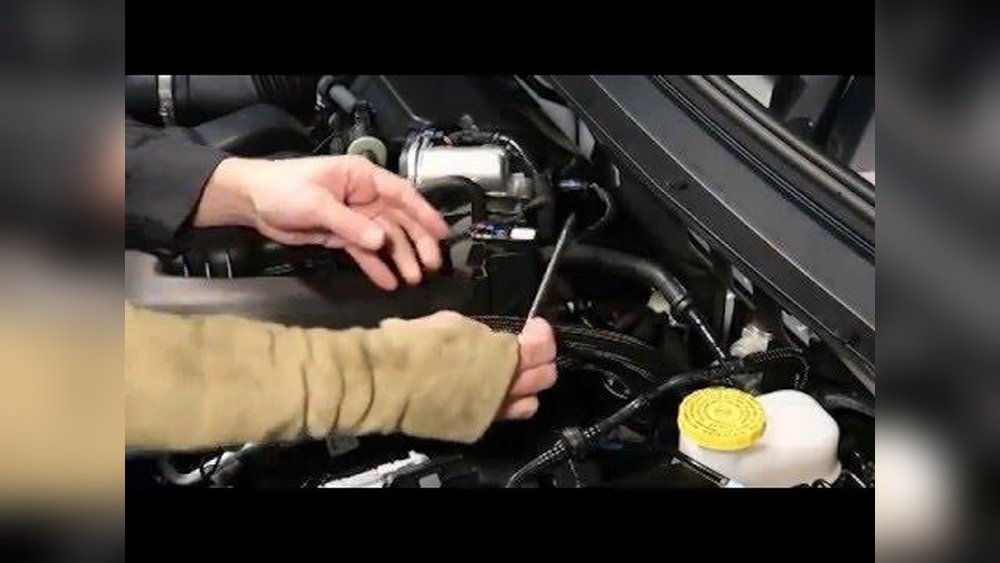
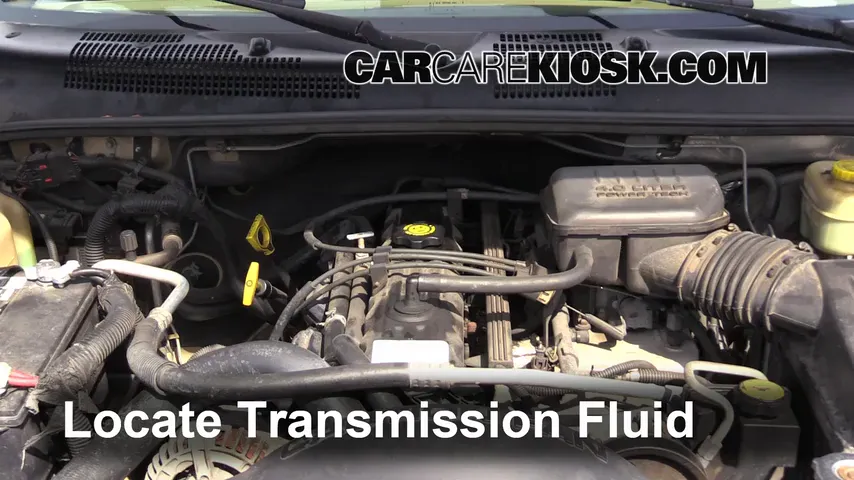
Not all modern Grand Cherokees have a traditional dipstick, but checking is still possible.
For Models With A Dipstick (older Models)
- Park on a level surface and warm up your engine.
- Shift through all gears, then put in Park.
- Pull out the transmission dipstick (usually labeled).
- Wipe clean, re-insert, and pull out again.
- Check fluid level and color.
For Models Without A Dipstick (newer Models)
Some newer Grand Cherokees have a sealed transmission. You’ll need a mechanic or special tool to check fluid. Don’t guess—using the wrong procedure can lead to overfilling or underfilling.
How To Change Jeep Grand Cherokee Transmission Fluid
While some people change their own transmission fluid, beginners often visit a mechanic. Here’s a simplified overview:
- Lift the vehicle safely and place on jack stands.
- Remove the transmission pan and drain old fluid.
- Replace the filter (if your model has one).
- Clean the pan and install a new gasket.
- Refill with correct fluid to the recommended level.
Typical Costs
- DIY Fluid & Filter Kit: $50 to $100 (for ATF+4 and filter)
- Professional Service: $180 to $300 at most shops
Fluid Capacity Comparison
How much fluid do you need? Here’s a rough guide:
| Year/Transmission | Fluid Change (quarts) | Full System (quarts) |
|---|---|---|
| 1999-2013, ATF+4 | 5-6 | 12-14 |
| 2014-2023, ZF 8-speed | 4-5 | 8-9 |
*Always check your manual for exact numbers. *
How To Choose The Best Transmission Fluid
Choosing the right transmission fluid is critical for your Jeep Grand Cherokee. Here’s what matters most:
- Manufacturer’s Specification: Only use fluid that matches your Jeep’s required standard (e.g., ATF+4, ZF Lifeguard 8).
- Brand Quality: Well-known brands like Mopar, Valvoline, and Castrol are safer choices.
- Synthetic vs. Conventional: Most modern Jeeps need synthetic fluid for better protection.
- Price vs. Value: Cheaper fluid might not protect as well or last as long.
Example
If you have a 2015 Grand Cherokee with an 8-speed ZF, using regular ATF+4 will damage your transmission. Only use ZF Lifeguard 8 or Mopar 8 & 9 Speed ATF.
Key Differences Table
| Fluid Type | Temperature Range | Compatibility |
|---|---|---|
| ATF+4 | -40°F to 266°F | Most 1999-2013 Jeeps |
| ZF Lifeguard 8 | -58°F to 275°F | 2014+ 8-speed ZF |
Common Mistakes Beginners Make
Even careful owners sometimes make errors with transmission fluid. Here are mistakes to avoid:
- Using the wrong fluid: Damages seals and gears.
- Overfilling or underfilling: Can cause shifting problems or leaks.
- Ignoring leaks: Small drips can lead to expensive repairs.
- Mixing fluid types: Never mix ATF+4 with other fluids.
- Skipping filter change: Some models have a filter that needs replacement.
Tip: Always ask for your old fluid and filter after a service. This lets you see if there’s metal shavings or burnt smell, which can signal problems.
Practical Tips For Jeep Grand Cherokee Owners
- Warm up the transmission before checking fluid for the most accurate reading.
- Use a catch pan during fluid changes to avoid spills.
- Keep records of each fluid change—this helps with resale and warranties.
- Inspect for leaks every oil change; look for red or dark brown stains.
- Drive gently after a fresh fluid change for 50-100 miles to let new fluid circulate.
Should You Flush Or Just Change The Fluid?
A fluid change replaces about half the old fluid. A flush replaces nearly all of it by pushing new fluid through the system.
- Flush: Removes more contaminants but can stir up old debris. Only do a flush if your mechanic recommends it and your transmission is healthy.
- Change: Safer for older or high-mileage transmissions.
If your Jeep has over 100,000 miles and never had a fluid service, a simple change is often safer than a full flush.
Environmental Impact Of Transmission Fluid
Used transmission fluid is hazardous. Never pour it down a drain or into the ground. Always:
- Store old fluid in a sealed container.
- Take it to a recycling center or auto shop.
- Ask your mechanic about eco-friendly disposal.
This keeps harmful chemicals out of water and soil.
How Transmission Fluid Affects Performance And Longevity
Fresh, clean transmission fluid can improve your Jeep’s:
- Shifting: Smoother gear changes, less hesitation.
- Fuel economy: Less friction means better mileage.
- Component life: Well-lubricated parts last longer.
A neglected transmission may start with minor problems—like delayed shifting—but can quickly lead to a breakdown. Regular fluid changes are a small investment compared to a new transmission.

Credit: www.youtube.com
Real-world Cost Vs. Benefit
Changing your transmission fluid costs about $200 every 60,000 miles. Replacing a Jeep Grand Cherokee transmission can cost $3,000–$5,000. Keeping up with fluid changes saves you thousands in the long run.
If you want more technical details, the official Jeep Maintenance Schedule lists exact intervals for your model.
Frequently Asked Questions
How Do I Know If My Jeep Grand Cherokee Needs Transmission Fluid?
Watch for hard shifting, slipping gears, or a burnt smell. Check your fluid level and color if you have a dipstick. If you don’t, see a mechanic for an inspection.
Can I Use Any Automatic Transmission Fluid In My Grand Cherokee?
No. Always use the fluid type recommended for your model year and transmission. Using the wrong fluid can cause damage and void your warranty.
How Much Does It Cost To Change The Transmission Fluid?
DIY kits cost $50–$100. A professional service is usually $180–$300, depending on location and model.
What Happens If I Never Change My Transmission Fluid?
Old fluid loses its ability to protect and lubricate. This leads to overheating, slipping, and eventually, transmission failure—often requiring a full replacement.
Can I Check The Transmission Fluid Myself On All Grand Cherokee Models?
Older models (pre-2014) usually have a dipstick for easy checks. Many newer models use sealed transmissions, so checking requires special tools or a visit to the mechanic.
Taking care of your Jeep Grand Cherokee’s transmission fluid is one of the easiest ways to keep your SUV running strong for years. With the right fluid, regular changes, and attention to warning signs, you’ll avoid costly repairs and enjoy smoother driving. Even beginners can master these basics and make smart choices for their Jeep’s future.

Credit: www.carcarekiosk.com