

Jeep Compass Parking Brake Automatically Engages: Causes
 Reading Time: 7 minutes
In the United States, a Jeep Compass parking brake that turns on by itself may be working as designed: many models can apply the electronic parking brake automatically when you shift into Park or turn the vehicle off. The exact setting and trigger vary by model year, trim, and software. If the brake applies while you are driving, will not release, or comes with a warning light or message, treat it as a possible fault and check the owner’s manual before driving again.
When automatic engagement is normal
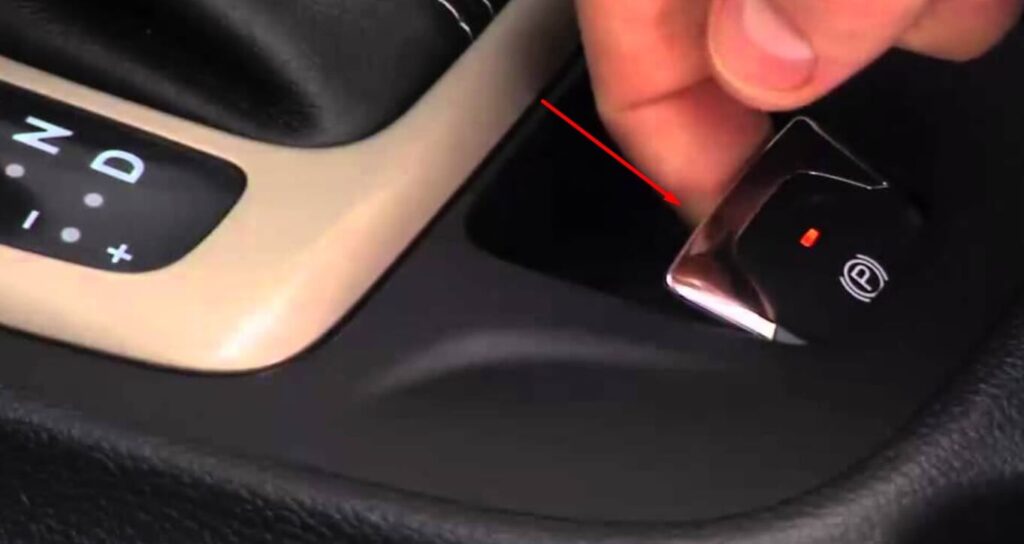
On many Jeep Compass models, an electronic parking brake (EPB) can apply without you pulling its switch. Depending on the model and settings, this may happen when you shift into Park, switch off the ignition, or use an automatic parking-brake feature in the vehicle settings.
The EPB uses an electric switch and actuators at the rear brakes instead of a traditional hand lever. Automatic application is meant to help keep the parked vehicle from moving. It is separate from the brake pedal and from driver-assistance features that may warn of a possible collision.
The trigger is not identical across all Compass model years. Check the “Parking Brake” or “Electronic Park Brake” section of the owner’s manual for your exact year, or look in the vehicle settings for an option such as Auto Park Brake. The Mopar owner’s manual page can help you find the manual for your vehicle.
A useful first check: If the brake applies only as you park or turn off the vehicle, and releases normally when you follow the manual’s procedure, the behavior may be normal.

Possible reasons your Jeep Compass parking brake engages by itself
The timing and warnings can help narrow down why the parking brake is applying. A single automatic application while parking is different from an application while moving or a brake that refuses to release.
| What you notice | Possible explanation | What to do |
|---|---|---|
| The brake applies after you shift into Park or shut off the vehicle | An automatic parking-brake setting or built-in function | Check your owner’s manual and vehicle settings |
| The brake applies while the vehicle is moving | A fault, switch input, electrical issue, or other problem may be present | Pull over safely and seek help; do not keep driving to test it |
| The brake will not release | Low system voltage, a fault, or a problem with an actuator or brake component may be involved | Keep the vehicle parked and arrange diagnosis |
| A brake or EPB warning appears | The system may have detected a fault; the warning alone does not identify the cause | Follow the manual’s warning instructions and have the system checked |
| The behavior began after a weak battery, jump-start, or battery replacement | A voltage issue or stored system fault is possible | Have the battery and charging system checked; scan the EPB system if the warning remains |
These are possible causes, not a diagnosis. A warning light, message, or symptom by itself cannot confirm which part has failed. A repair shop may need a scan tool that can read electronic parking-brake system codes, not just basic engine codes.
What to check first
Start with the safest checks. Keep the Compass on level ground, put your foot on the brake pedal when required, and do not work beneath the vehicle.
- Note when the brake applies. Does it happen only when you park, when you turn the vehicle off, or while you are driving? Record any message on the dashboard.
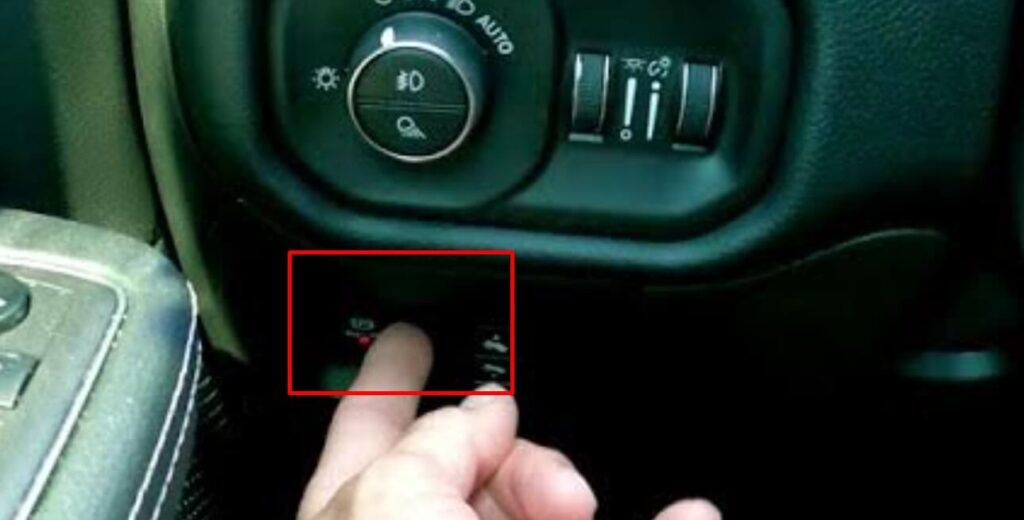
- Check the vehicle settings. If your model has an Auto Park Brake option, review its setting. Do not assume that every Compass has the same menu or feature.
- Use the release procedure in your manual. The procedure may depend on the vehicle’s state, such as whether the ignition is on or the brake pedal is pressed. Do not force the switch or repeatedly try to release a brake that remains stuck.
- Look for other warning signs. A low-battery warning, dim lights, trouble starting, unusual brake noise, or a burning smell can help a technician assess the issue. Do not touch hot brake parts.
- Check for open recalls using your VIN. Use the National Highway Traffic Safety Administration’s recall lookup. A recall search checks for applicable recalls; it does not diagnose a fault or list every service issue.
If the parking brake releases and no warning remains, monitor whether the behavior matches the manual’s description. If the brake reapplies unexpectedly, a warning returns, or the vehicle behaves differently, arrange a professional inspection.

When it is unsafe to drive
Do not drive the Compass if the parking brake remains applied, the vehicle resists moving, or you smell overheated brakes. Driving with a dragging brake can cause heat and damage, and the vehicle may not respond as expected.
If the brake engages while you are moving, focus on controlling the vehicle. Signal and pull over to a safe place as soon as you can. Once stopped, follow the owner’s manual and contact roadside assistance if the brake will not release or a warning remains.
Do not crawl under the vehicle, pull fuses, disconnect the battery, or try to force an electronic brake actuator. These actions may create additional risks or make diagnosis harder. If the vehicle needs towing, tell the operator it has an electronic parking brake and ask them to follow the towing instructions for your model; the correct method can vary.
When to contact a dealer or repair shop
Arrange service if the EPB warning stays on, the brake will not release using the manual’s steps, or the system applies at an unexpected time. Also seek help if the same problem returns after a battery issue or if the brake makes unusual sounds.
Ask the shop to check the electronic parking-brake system, the vehicle’s battery and charging system, and any stored fault codes. A code can point to a circuit or system condition, but the technician still needs to confirm the cause before replacing parts.
If the vehicle is under warranty, contact a Jeep dealer before authorizing repairs. For a possible safety defect or recall, check the VIN through NHTSA and contact a dealer for confirmation.

Frequently asked questions
Is it normal for a Jeep Compass parking brake to turn on when I park?
It can be normal on models with automatic parking-brake operation. Check your specific model year’s manual to confirm when the brake should apply and how it should release.
Can a weak battery make the electronic parking brake act strangely?
Low voltage can affect electronic vehicle systems, so a weak battery is one possible factor. It does not prove the battery caused the problem; have the battery and charging system tested if symptoms began after starting or charging trouble.
Why does the parking brake apply while I am driving?
That is not behavior to dismiss as a normal parking feature. Pull over safely, stop, and seek roadside or repair help, especially if a warning appears or the brake does not release.
Can I disable automatic parking-brake engagement?
Some Compass models may offer an automatic parking-brake setting, while others may not provide the same option. Check the manual and vehicle settings for your exact model; do not change a setting to mask a warning or fault.
Will disconnecting the battery reset the parking brake?
Do not disconnect the battery as a first-line fix. It may not resolve the cause and can affect vehicle settings or complicate diagnosis. Follow the manual or ask a qualified technician.
Bottom line
If your Jeep Compass parking brake engages only as you park or turn off the vehicle, an automatic feature may explain it. Confirm the behavior in the owner’s manual for your model year. If it engages while driving, will not release, or shows a warning, stop safely and have the system checked rather than trying to force it.


