
Does Jeep Take Regular Gas? What Owners Need to Know
 Reading Time: 7 minutes
 Buying a car is a big decision, and fuel type is one of the most common questions buyers ask. If you’re looking at a Jeep or already own one, you may wonder: Does Jeep take regular gas? The answer isn’t simple, as Jeep models have different engine types and fuel needs. Making the wrong choice can lead to lower performance, higher costs, or even engine problems. This article will help you understand which Jeeps use regular gas, which need premium, and how to decide what’s best for your vehicle.
Understanding Jeep Models And Their Fuel Types
Jeep is a well-known American brand. It has several popular models, including the Wrangler, Grand Cherokee, Compass, Cherokee, and Renegade. Each model may have different engines, which means their fuel requirements can change.
Most Jeeps use gasoline engines, but some offer diesel or hybrid options. For gasoline-powered Jeeps, the main fuel types are:
- Regular gas (87 octane)
- Mid-grade gas (89 octane)
- Premium gas (91+ octane)
But not every Jeep needs premium gas. Let’s look at some common models and their typical fuel needs.
| Jeep Model | Engine Type | Recommended Fuel |
|---|---|---|
| Wrangler | 3.6L V6 | Regular (87 Octane) |
| Grand Cherokee | 3.6L V6 | Regular (87 Octane) |
| Grand Cherokee | 5.7L V8 | Mid-Grade (89 Octane) |
| Cherokee | 2.4L I4 | Regular (87 Octane) |
| Renegade | 1.3L Turbo | Premium (91 Octane) |
Does Jeep Take Regular Gas? Simple Answers By Model
Most Jeep models can run on regular gas. However, some engines need higher octane, especially turbocharged or high-performance engines.
Jeep Wrangler
- The Wrangler with the standard 3.6L V6 engine uses regular gas.
- The 2.0L turbo engine recommends premium for best performance, but can use regular in emergencies.
Jeep Grand Cherokee
- The 3.6L V6 version takes regular gas.
- The 5.7L V8 needs mid-grade gas.
- The 6.4L V8 (SRT) and 6.2L supercharged (Trackhawk) need premium gas.
Jeep Cherokee
- The 2.4L and 3.2L engines accept regular gas.
- The 2.0L turbo recommends premium gas.
Jeep Renegade
- The 2.4L engine uses regular gas.
- The 1.3L turbo engine recommends premium gas.
Jeep Compass
- The 2.4L engine uses regular gas.
Many beginners think every Jeep needs expensive premium gas. But most Jeeps, especially base models, run well on regular gas. Always check your owner’s manual for details.
Octane Ratings: What Do They Mean?
Octane rating measures a fuel’s ability to resist “knocking” or pinging in the engine. Knocking happens when fuel burns unevenly, which can damage the engine over time.
- Regular gas: 87 octane
- Mid-grade gas: 89 octane
- Premium gas: 91-93 octane
Engines designed for regular gas can use it safely. Using premium gas in these engines won’t improve performance or mileage. However, engines with turbochargers or high compression may need premium to avoid knocking.
| Octane Type | Typical Price Difference | Common Usage |
|---|---|---|
| Regular (87) | Lowest | Most base Jeeps |
| Mid-Grade (89) | +5-10% vs Regular | Some V8 Jeeps |
| Premium (91-93) | +10-20% vs Regular | Turbo & Performance Jeeps |
Why Does Fuel Type Matter For Jeep Owners?
Choosing the correct fuel is important for:
- Engine health: Wrong fuel can cause knocking, damage, or reduce lifespan.
- Performance: Using lower octane than needed can lead to sluggish response.
- Fuel economy: Premium gas won’t improve mileage in engines designed for regular.
Non-obvious insight: Many Jeep owners mistakenly believe premium gas is always better. But for most Jeep engines, regular gas is ideal. Using premium in regular-only engines is just wasted money.

Credit: www.reddit.com
How To Check Your Jeep’s Fuel Requirement
Here’s how you can find out what fuel your Jeep needs:
- Owner’s manual: The most reliable source. Every Jeep comes with one.
- Fuel door sticker: Many Jeeps have a sticker inside the fuel door stating the recommended octane.
- Online resources: Use Jeep’s official site or trusted car review platforms.
- Ask your dealer: Dealers can confirm details for your specific model.
Tip: Don’t rely only on word-of-mouth or internet forums. Check official sources for your exact engine.
Common Mistakes Beginners Make With Jeep Fuel
Many first-time Jeep owners make these errors:
- Using premium gas in regular-only engines: This does not help and is costly.
- Ignoring turbo engine requirements: Turbo engines often need premium, even if the base engine doesn’t.
- Switching fuels randomly: Changing octane often can confuse the engine’s computer and affect performance.
- Assuming all Jeeps are the same: Each model (and year) may have different fuel needs.
Practical Examples: Real Jeep Owners’ Experiences
Let’s look at real-world cases:
- Sarah owns a 2018 Jeep Cherokee with the 2.4L engine. She uses regular gas, as recommended. Her Jeep runs smoothly, and she saves money.
- Mike drives a Grand Cherokee Trackhawk. He tried regular gas once but noticed rough idling and loss of power. After switching back to premium, the engine’s performance improved.
- Jia has a Renegade with a turbo engine. She uses premium gas as suggested. When she used regular gas during a road trip, the engine felt weaker, and she noticed lower mileage.
These examples show why it’s important to follow your Jeep’s specific fuel recommendations.
Jeep And Alternative Fuels
While most Jeeps use gasoline, some newer models offer:
- Diesel engines: Used in select Grand Cherokee and Wrangler models. These require diesel fuel, not gasoline.
- Hybrid powertrains: The Jeep Wrangler 4xe uses a mix of gasoline and electric power. The gasoline engine still needs regular gas.
Don’t use gasoline in diesel engines or vice versa. Doing so can cause serious engine damage.
Should You Ever Use Higher Octane Than Recommended?
Some people think using higher octane than required will help their Jeep. In most cases, this isn’t true.
- For engines designed for regular gas, premium won’t improve performance or fuel economy.
- For turbo or high-performance Jeeps, using premium is necessary.
If your engine knocks or feels rough on regular gas, it’s a sign you may need a higher octane—or your engine needs maintenance.
Saving Money On Gas For Your Jeep
Fuel costs can add up, especially with larger SUVs. Here are ways to save:
- Use regular gas if your Jeep allows it.
- Avoid premium unless your engine requires it.
- Drive smoothly; aggressive driving lowers mileage.
- Keep tires inflated and engine maintained.
- Compare gas prices at different stations.
Non-obvious insight: Some gas stations label their fuels differently. Always check the octane number, not just the label.

Credit: www.bmwoftenafly.com
Jeep Fuel Efficiency Data
Jeeps are not famous for high fuel efficiency, but choosing the right gas helps. Here’s a quick comparison:
| Model | Engine | Recommended Gas | EPA MPG (Combined) |
|---|---|---|---|
| Wrangler 3.6L V6 | Regular | 20 | |
| Grand Cherokee 3.6L V6 | Regular | 21 | |
| Renegade 1.3L Turbo | Premium | 27 | |
| Cherokee 2.4L I4 | Regular | 25 |
Knowing your Jeep’s EPA rating can help you estimate annual gas costs. For example, driving 12,000 miles per year in a Wrangler (20 MPG) means you’ll use 600 gallons. If regular gas costs $3. 50/gallon, that’s $2,100/year.
Jeep And Ethanol-blended Fuels
Many gas stations offer E10 (10% ethanol) or E15. Most Jeeps can use E10 safely, but check your manual for higher blends. Avoid E85 unless your Jeep is specifically flex-fuel.
- Ethanol blends can affect mileage slightly (lower MPG).
- They are usually cheaper, but not always ideal for every Jeep.
When Premium Gas Is Required
Some Jeep engines demand premium gas:
- Turbocharged engines: To prevent knocking and protect the turbo.
- High-performance models: Like Trackhawk or SRT versions.
If you use regular gas in these engines, you risk:
- Engine knocking
- Reduced power
- Increased wear and tear
Always follow the manufacturer’s recommendation.
Environmental Impact Of Fuel Choice
Choosing the right gas also affects emissions. Using premium gas in regular-only engines doesn’t reduce pollution. Proper fuel choice ensures your Jeep runs cleanly.
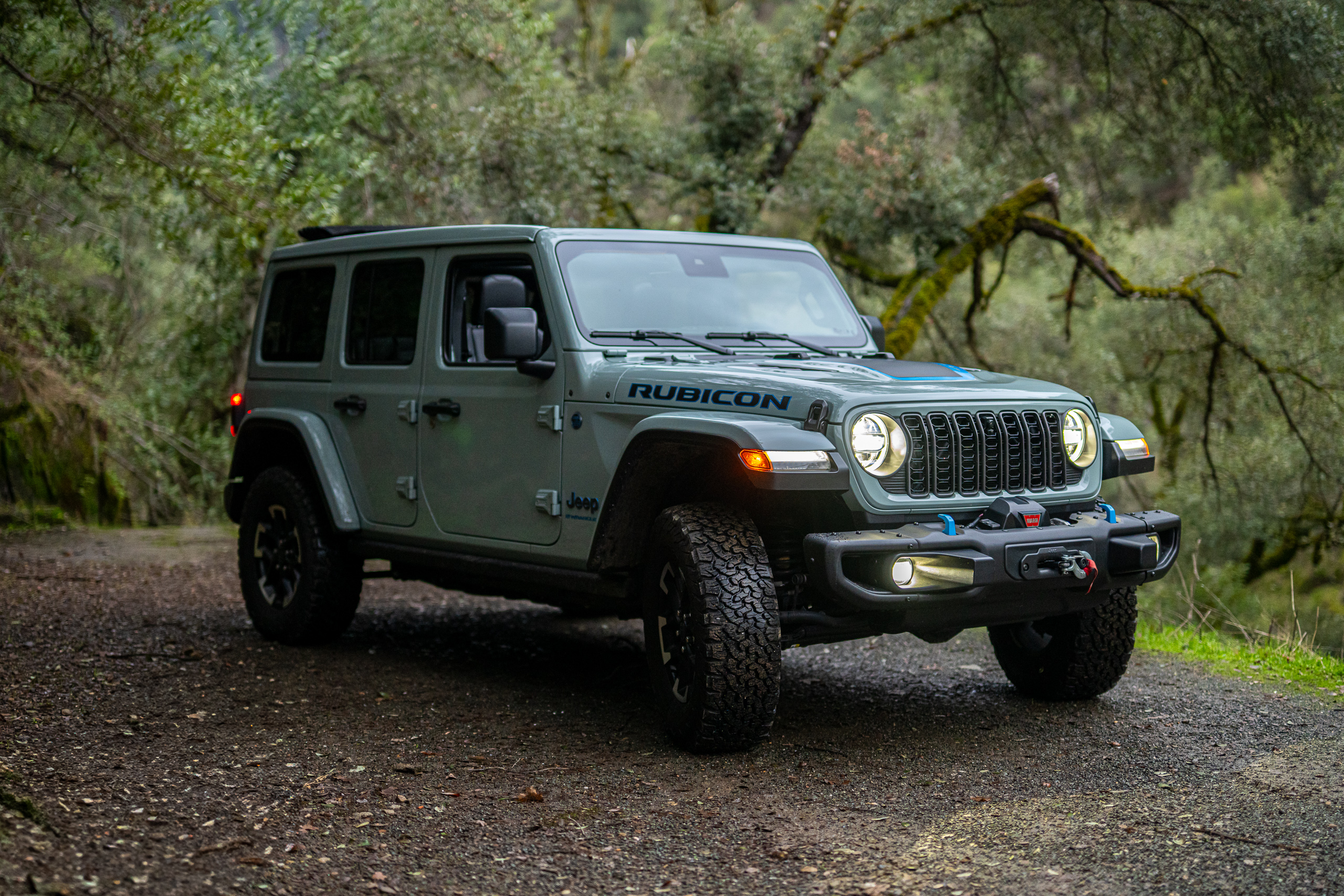
Hybrid Jeeps, like the Wrangler 4xe, use less gas and produce fewer emissions. This is a growing trend in the industry.
Credit: theweeklydriver.com
Where To Find More Information
For the most accurate info, visit Jeep’s official resources, speak with your dealer, or check trusted auto sites like FuelEconomy.gov. These sources update often and cover new models.
Frequently Asked Questions
Can I Use Regular Gas In My Jeep Grand Cherokee Srt?
No. The Grand Cherokee SRT engine requires premium gas. Using regular gas can cause knocking and reduce engine performance.
What Happens If I Use Premium Gas In My Regular-gas Jeep?
Usually, nothing bad happens. But you won’t get better performance, mileage, or engine life. You’ll just spend more money.
How Do I Know Which Gas My Jeep Needs?
Check your owner’s manual or the sticker on the fuel door. You can also ask your dealer or check Jeep’s official website.
Is It Safe To Use Ethanol-blended Gas In My Jeep?
Most Jeeps can use E10 (10% ethanol) safely. For higher blends, check your manual. Don’t use E85 unless your Jeep is flex-fuel.
Does Using The Wrong Fuel Void My Jeep Warranty?
If you regularly use lower octane than recommended, you could risk warranty coverage if engine damage occurs. Always follow the manufacturer’s guidelines.
Choosing the right gas for your Jeep is simple but important. Most Jeeps use regular gas, saving you money and keeping your engine healthy. Some engines, especially turbocharged and performance models, need premium gas. Check your manual, follow the recommendations, and you’ll enjoy reliable performance and lower costs.
This small step can make a big difference in your Jeep ownership experience.