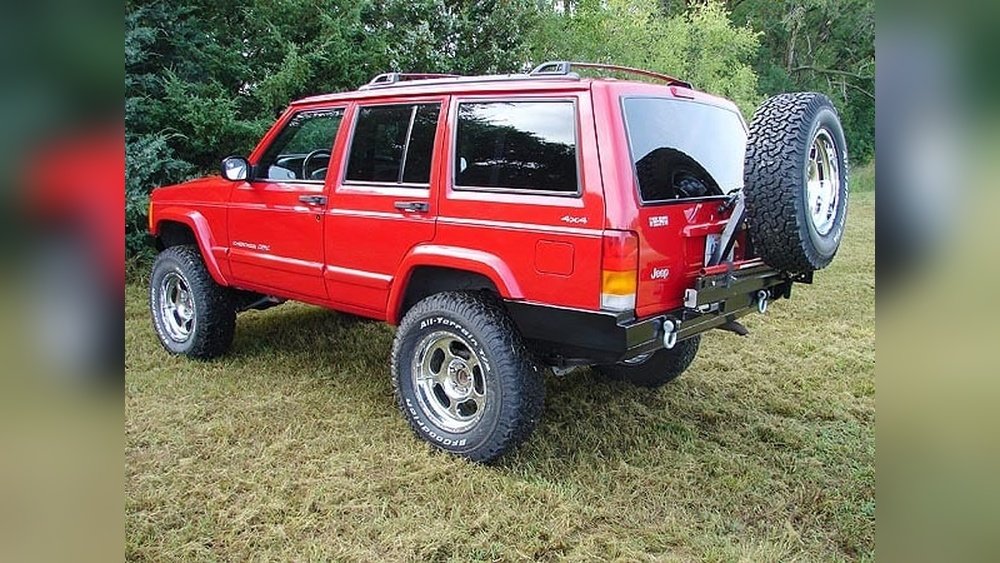
Jeep Cherokee XJ Spare Tire Carrier: Top Picks for 2024
 Reading Time: 7 minutes
 The Jeep Cherokee XJ is a legendary off-road vehicle, known for its rugged design and loyal fan base. For many owners, carrying a spare tire is not just a safety measure—it’s a necessity, especially when tackling rough trails where flat tires are common. However, the stock location for the spare tire inside the cargo area can take up valuable space and make access difficult. That’s where a spare tire carrier comes in, offering a practical and secure way to carry a full-size spare outside the cabin. If you’re new to the world of XJ upgrades, understanding your options for a spare tire carrier can make a big difference in your off-road experience and daily convenience.
Why You Need A Spare Tire Carrier
The Jeep Cherokee XJ was originally designed with the spare tire mounted vertically inside the rear cargo area. While this works for city driving, it becomes a challenge for off-road enthusiasts and people who need to carry gear.
Main reasons to consider a spare tire carrier:
- More cargo space: Moving the spare tire outside frees up room for tools, camping gear, or groceries.
- Full-size tire fitment: Larger tires, common on lifted XJs, often won’t fit in the stock location.
- Easy access: Reaching the spare is quicker and cleaner, especially on muddy trails.
- Reduced cabin mess: Keeps dirt, mud, and water from the spare outside the vehicle.
Many owners don’t realize how much interior space is lost until they remove the stock spare. For families, dog owners, or anyone carrying lots of gear, the difference is immediate.
Types Of Spare Tire Carriers For The Jeep Cherokee Xj
There are several main designs for spare tire carriers. Each has pros and cons depending on your needs, budget, and mechanical skills.
| Carrier Type | Mount Location | Pros | Cons |
|---|---|---|---|
| Rear Bumper Swing-Out | Back bumper | Strong, supports heavy tires, extra features | Expensive, may require bumper replacement |
| Hatch/Rear Door Mount | Tailgate/hatch | Simple install, affordable | Can stress hatch, not for very large tires |
| Roof-Mounted | Roof rack | Great for oversized tires, keeps rear clear | Harder to lift tire, affects roof load |
| Hitch-Mounted | Receiver hitch | No drilling, removable, good for towing | Blocks rear access, can wobble |
Rear Bumper Swing-out Carriers
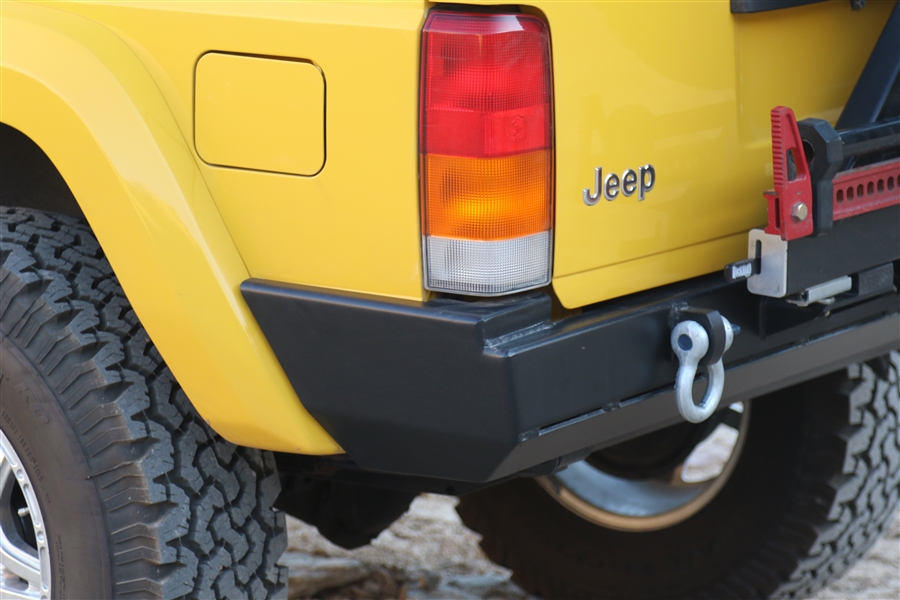
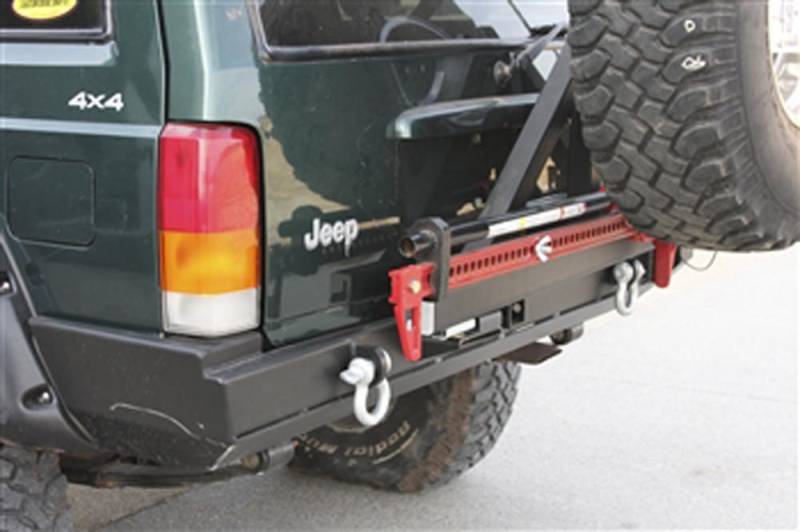
This is the most popular and robust option. The carrier is built into or bolted onto a heavy-duty rear bumper. It swings out to let you open the hatch.
Benefits:
- Handles heavy, oversized tires (up to 37 inches).
- Often includes mounts for gas cans, hi-lift jacks, or trail tools.
- Increases rear-end protection.
Drawbacks:
- Cost can range from $500 to $1,500+.
- Installation may require cutting or drilling.
- Adds weight to the rear of the vehicle.
Example: Many off-roaders install a steel bumper with a built-in swing-out carrier, such as those from JCR Offroad or Smittybilt.
Hatch/rear Door Mount Carriers
These bolt directly to the hatch or rear door, similar to how older SUVs carried their spares.
Benefits:
- Lower cost (often $100-$300).
- Simple installation using brackets.
- Easy to access.
Drawbacks:
- Not suited for very large or heavy tires.
- Can stress the hatch hinges and cause sagging over time.
Roof-mounted Spare Tire Carriers
If you have a roof rack, you can mount the spare on top.
Benefits:
- No modification to body or bumper.
- Works with oversized tires.
Drawbacks:
- Lifting a heavy tire overhead is tough.
- Raises the center of gravity, which can affect handling.
Hitch-mounted Spare Tire Carriers
These plug into your hitch receiver and swing away from the rear hatch.
Benefits:
- No permanent vehicle changes.
- Removable when not needed.
Drawbacks:
- Can block rear door access unless swung away.
- Some cheaper models wobble or rattle.
Credit: www.rockhard4x4.com
Choosing The Right Spare Tire Carrier
Picking the best option depends on your budget, tire size, and how you use your XJ. Here are some factors to consider:
- Tire size: For 33-inch and larger tires, a bumper-mounted or hitch-mounted carrier is safest.
- Budget: Rear bumper carriers cost the most but offer strength and features. Hatch and roof options are cheaper but have limits.
- Usage: Off-roaders need rugged carriers; daily drivers may prefer lighter, simpler mounts.
- Tools and skills: Some options require drilling, cutting, or welding. If you’re not comfortable with these, look for bolt-on models.
A common beginner mistake is buying a carrier that can’t handle the weight of their new oversized tires. Always check the weight rating before purchase.
Installing A Spare Tire Carrier: What To Expect
Installation difficulty can range from a simple bolt-on to a full afternoon with power tools. Here’s a general overview for beginners.
Typical steps for a bumper swing-out carrier:
- Remove old bumper (if required).
- Test fit the new bumper/carrier.
- Drill holes if the frame needs new mounting points.
- Bolt the bumper and carrier in place.
- Attach the spare tire and check for clearance.
For hitch-mounted carriers:
- Slide the carrier into your hitch receiver.
- Secure with the hitch pin and lock.
- Adjust the tire mount as needed.
- Double-check for wobble or movement.
Tips for beginners:
- Always use anti-seize lubricant on bolts.
- Check all fasteners after 50 miles of driving.
- If you’re unsure, ask for help at a local 4×4 shop.
Popular Spare Tire Carrier Brands For Jeep Cherokee Xj
Many companies make carriers for the XJ. Here are a few top choices:
| Brand | Carrier Type | Approximate Price |
|---|---|---|
| JCR Offroad | Rear bumper swing-out | $900-$1,600 |
| Smittybilt | Rear bumper swing-out | $700-$1,200 |
| Rugged Ridge | Hitch-mounted / Roof | $200-$600 |
| Olympic 4×4 | Hatch mount | $150-$350 |
Most carriers are steel, but some lighter-duty models use aluminum to save weight.
Real-world Example: Upgrading For Overlanding
Imagine you’re planning a week-long overlanding trip. You fit your XJ with 33-inch all-terrain tires, a roof tent, and recovery gear. The factory spare location won’t fit your bigger tire, and you need every inch of cargo space for camping supplies.
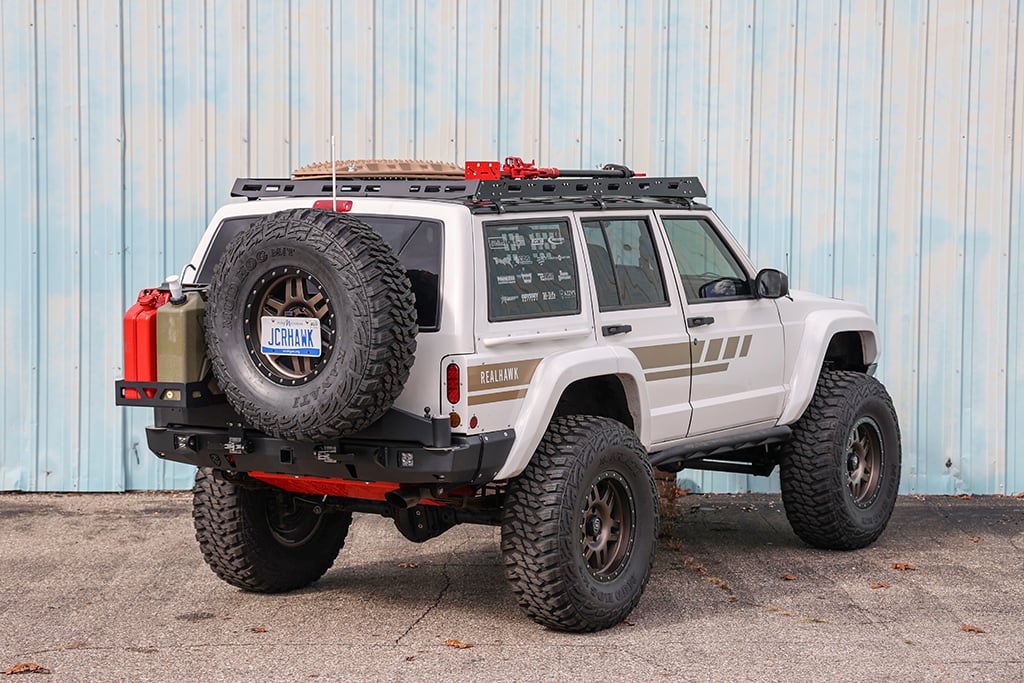
You choose a rear bumper swing-out carrier. It holds your 33-inch spare, plus two 5-gallon gas cans and a hi-lift jack. Installation takes half a day with a friend. On the trail, you quickly access the spare after a puncture—no need to unload the trunk.
After the trip, you notice the rear of your XJ feels heavier, but you enjoy the extra cabin room and trail-ready look. Checking the carrier bolts after every off-road session becomes part of your routine.
Credit: www.jcroffroad.com
Common Mistakes When Adding A Spare Tire Carrier
Many beginners rush the process and run into problems. Here are mistakes to avoid:
- Ignoring weight limits: Not all carriers can handle large, heavy tires. Overloading can cause failure.
- Forgetting suspension upgrades: Adding a heavy steel bumper and tire can sag stock rear springs.
- Skipping regular checks: All carriers can loosen over time. Inspect fasteners often.
- Neglecting license plate and lights: Some carriers block the stock plate or taillights. You may need to relocate them.
- Choosing price over quality: Cheap carriers often rust or develop rattles quickly.
Extra tip: Always keep your tire’s lug wrench and locking key (if used) accessible—not buried under gear.
How A Spare Tire Carrier Affects Your Jeep Cherokee Xj
Adding a carrier changes your XJ’s weight, balance, and sometimes its appearance. Here’s what to expect:
- Increased rear weight: This may affect how your Jeep handles, especially on rough roads.
- Possible drop in fuel mileage: More weight and wind resistance can reduce MPG slightly.
- Easier trail fixes: You can reach the spare quickly if you get a flat, even in mud or snow.
- Cargo flexibility: The trunk becomes more useful for trips, pets, or tools.
If you carry extra gear, consider upgrading your rear suspension with stronger leaf springs or airbags to keep ride quality high.
Maintenance And Safety Tips
To keep your spare tire carrier in good shape:
- Clean and lubricate hinges regularly, especially after mud or rain.
- Touch up paint to prevent rust.
- Check tire pressure on the spare every month.
- Inspect welds and bolts for cracks or loosening.
- Lock the tire if you park in public places to prevent theft.
A well-maintained carrier can last as long as your Jeep itself.
Frequently Asked Questions
What Size Tire Can I Fit On A Jeep Cherokee Xj Spare Tire Carrier?
Most bumper swing-out carriers handle up to 35-inch tires. Roof and hatch mounts are best for tires up to 31 inches. Always check the carrier’s specs.
Does A Spare Tire Carrier Affect Gas Mileage?
Yes, especially heavier steel carriers with large tires. Expect a small drop in MPG, usually 1-2 miles per gallon, due to weight and wind resistance.
Can I Install A Swing-out Carrier Myself?
If you have basic tools and follow instructions, yes. Some drilling or cutting may be needed. Ask for help if unsure, or have a shop install it for you.
Will A Spare Tire Carrier Block My Rearview Camera Or Sensors?
Some carriers can block cameras or parking sensors. Choose a model designed for your XJ or relocate the camera if needed.
Where Can I Find More Information About Jeep Cherokee Xj Upgrades?
A great place to start is the Jeep Cherokee (XJ) Wikipedia page, which offers detailed history and specs.
The right Jeep Cherokee XJ spare tire carrier adds both function and style to your rig. Whether you’re heading off-road or just need more space, the right carrier makes your Jeep safer and more capable. Take your time, choose the option that fits your needs, and enjoy the freedom to explore with peace of mind.
Credit: www.desertrat.com