Is the Jeep 36 V6 a Good Engine? Expert Review and Insights
 Reading Time: 11 minutes
 Is The Jeep 3.6 V6 A Good Engine?
If you’re searching for an SUV or pickup, you might see the Jeep 3.6 V6 engine mentioned again and again. This engine, known as the Pentastar 3.6-liter V6, powers many Jeep vehicles, including the Wrangler, Grand Cherokee, and Gladiator. But is it a good engine for daily driving, off-roading, or long-term ownership? Let’s break down 36 key aspects so you can decide if the Jeep 3.6 V6 is right for you.
1. Engine Design
The 3.6-liter V6 Pentastar is a naturally aspirated engine. This means it does not use a turbocharger or supercharger, so you don’t have to worry about extra parts that could break down. It uses aluminum heads and block for lighter weight, which helps with fuel efficiency and performance. The lighter build makes the engine easier to handle during repairs and reduces the overall vehicle weight, which can improve both ride quality and agility, especially in rough terrain. The design also allows better heat dissipation, lowering the risk of overheating.
2. Horsepower
You get about 285–295 horsepower depending on the model year and vehicle. That’s more than enough for city driving, highway cruising, and light towing. For example, when merging onto a busy highway or passing a slow truck, the extra horsepower means you have enough acceleration to do it safely. In the Wrangler, this power is useful for climbing hills or tackling steep off-road obstacles without feeling the engine struggle.
3. Torque
The engine produces 260 lb-ft of torque. Torque is important for acceleration and towing. While not class-leading, it’s adequate for most daily tasks and mild off-road use. For example, pulling a small trailer, boat, or even a pair of ATVs is within the comfortable range for this engine. In city traffic, the torque gives you good response from a stoplight, and off-road, it helps keep the wheels turning through sand or mud.
4. Fuel Efficiency
On average, expect 17–20 mpg in the city and 23–25 mpg on the highway in most Jeeps. This is typical for a V6, though not as efficient as a small turbo-four. The Pentastar’s fuel economy is good for its size and power, but if you do a lot of stop-and-go driving, you might see numbers closer to the lower end. Some drivers report even better fuel economy with careful driving and regular maintenance, but using larger tires or roof racks can lower your mpg.
5. Reliability
The Pentastar V6 has a reputation for being reliable. Many owners report high mileage with regular maintenance. There are a few common issues, but most are not severe. For example, regular oil changes and timely fluid checks go a long way toward preventing bigger problems. Even after 100,000 miles, most engines run smoothly if cared for. This engine is also less prone to major breakdowns compared to some older Jeep engines, making it a favorite for long-term owners.
6. Maintenance Costs
Routine maintenance is affordable. Oil changes, spark plugs, and filters are standard prices. Major repairs are rare in the first 100,000 miles. Some parts, like the water pump or sensors, might need replacing after many years, but these are not unique to the Pentastar and are reasonably priced.
The design makes it easy for mechanics to access most parts, so labor costs often stay low. DIYers find this engine straightforward to work on.
7. Common Problems
Some early models (2011–2013) had cylinder head issues. Jeep fixed this problem under warranty, and later models are more robust. Most used Jeeps on the market today have already had these repairs done. In rare cases, you might see minor oil leaks or sensor failures, but these are generally easy to fix and not expensive.
8. Timing Chain
The engine uses a timing chain, not a belt. Chains usually last the life of the engine, so you avoid expensive timing belt changes. This is a major plus, as timing belt replacements can cost hundreds of dollars and require lots of labor. The timing chain design means fewer surprise repairs and more peace of mind for owners who plan to keep their Jeep for many years.
9. Towing Capacity
With the 3.6 V6, many Jeeps can tow up to 6,200 pounds (Grand Cherokee). The Wrangler tows less, around 3,500 pounds. Always check your specific model. The actual towing experience is smooth, especially with the automatic transmission, and the engine rarely feels overworked within its rated limits. For camping trips or hauling small boats, the Pentastar handles towing tasks confidently.
10. Off-road Performance
The engine has enough power for most off-road trails. It’s not as torquey as a diesel, but the smooth power curve helps in rock crawling and mud. Many owners say the Pentastar’s throttle control is predictable, making it easier to modulate power over tricky terrain.
Paired with Jeep’s 4×4 systems, you can take on moderate trails, sand dunes, and even shallow river crossings with confidence.
11. Noise And Vibration
The Pentastar V6 is known for smooth operation. Cabin noise is low, and you won’t feel much vibration, even at highway speeds. This makes long road trips more comfortable. When idling at a stoplight, the engine is quiet enough that you can have a conversation without raising your voice. For drivers upgrading from older Jeeps, the difference in refinement is very noticeable.
12. Cold Weather Starts
Thanks to modern fuel injection and electronics, this engine starts easily in cold weather. Some users add block heaters in very cold climates. The starter and battery are sized for cold starts, so you won’t have to worry on winter mornings.
Even in below-freezing conditions, the engine fires up quickly and warms up evenly.
13. Transmission Pairing
Jeep pairs the 3.6 V6 with automatic and manual transmissions. Both work well, with the automatic offering smooth shifts. The 8-speed automatic, in particular, is praised for quick and gentle gear changes, improving both city and highway driving. Manual fans appreciate the clutch feel, and the engine’s power band is forgiving, making it beginner-friendly.
14. Aftermarket Support
There is strong aftermarket support. You can find upgrades, tuners, and parts easily, which is great for enthusiasts. Whether you want to add a lift kit, snorkel, or performance exhaust, you’ll find plenty of options. Jeep-specific forums and shops also provide tips and support for making modifications, so you’re not alone if you want to customize your ride.
15. Resale Value
Jeeps with the 3. 6 V6 hold their value. Buyers know and trust the engine, so resale prices remain strong. Used Wranglers and Grand Cherokees with this engine are always in demand, especially if you have a full maintenance history.
Even after several years, you can expect a better resale price compared to less popular engine options.
16. Warranty Coverage
Most new Jeeps come with a 5-year/60,000-mile powertrain warranty. This covers major engine parts and gives peace of mind. If you buy used, check for any remaining warranty or for certified pre-owned coverage, which sometimes extends the protection. This warranty covers most major repairs, so you’re not taking on too much risk during the first years of ownership.

Credit: www.dieselarmy.com
17. Emissions
The Pentastar meets modern emissions standards. Some models use start-stop technology for better fuel economy and lower emissions. You won’t have to worry about failing emissions tests in most states, and the engine is designed to work well with today’s fuel blends.
The emissions system is reliable, and repairs are rare.
18. Oil Change Interval
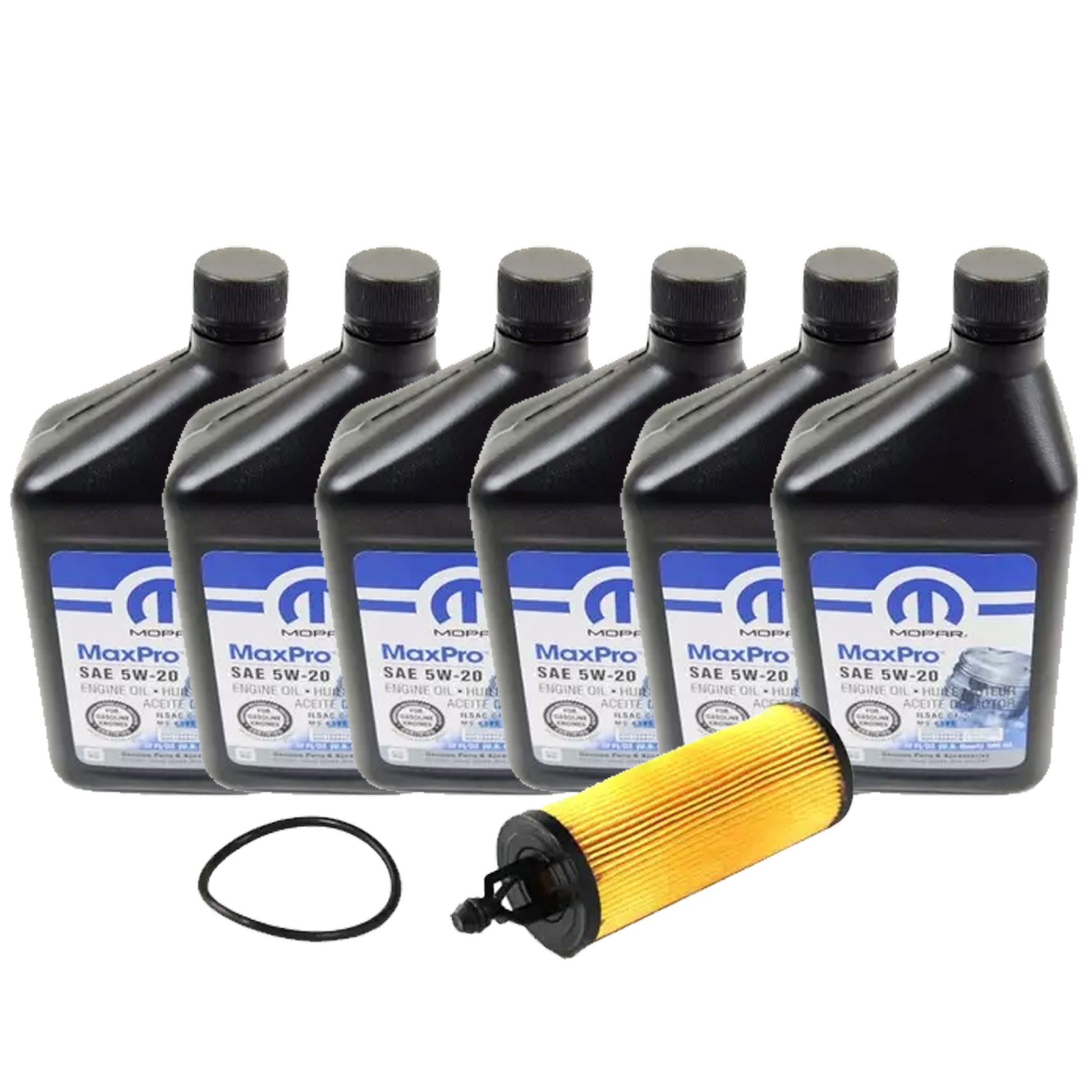
You can go 6,000–8,000 miles between oil changes with synthetic oil. This means fewer trips to the shop. The engine oil monitoring system will alert you if you need a change sooner due to heavy driving. Using quality oil and changing it on time helps keep the Pentastar running smoothly for years.
Credit: armorautoparts.com
19. Cooling System
The cooling system is robust. Overheating is rare unless you tow heavy loads in hot climates without proper maintenance. The radiator and fans are sized for the engine’s output, and coolant leaks are uncommon. If you do a lot of off-roading in mud or sand, it’s wise to check the radiator for debris to keep it working well.
20. Spark Plug Replacement
This engine uses iridium spark plugs that last up to 100,000 miles. Replacements are not expensive or difficult. Regular plug changes keep the engine running efficiently, and most garages can do this job quickly. If you notice rough idling or misfires, fresh plugs are often the fix.
21. Real-world Owner Reviews
Many owners report 150,000+ miles with minimal issues. The most common praise is low maintenance and smooth driving. Owners also say the engine feels strong even as it ages, and repairs are rarely urgent or expensive. Many Jeep forums and online groups have long-term owner threads sharing positive experiences.
22. Engine Sound
The 3.6 V6 has a quiet, refined sound. It’s not as aggressive as a V8 but much quieter than older Jeep engines. At higher revs, it makes a smooth, pleasant note without droning. If you want more growl, aftermarket exhaust options are available, but most drivers appreciate the quiet ride.
23. Engine Technology
It uses variable valve timing (VVT) and electronic throttle control, which improve both power and efficiency. VVT helps the engine breathe better at all speeds, giving you more power when you need it and better fuel economy when you don’t. Electronic throttle makes acceleration smoother and more predictable.
24. Availability Of Parts
Since this engine is common, parts are available at most auto stores. This lowers repair costs and wait times. Even in small towns, you can usually find what you need, and ordering online is always an option. This wide availability means you’re less likely to be stuck waiting for a repair.
25. Modifications
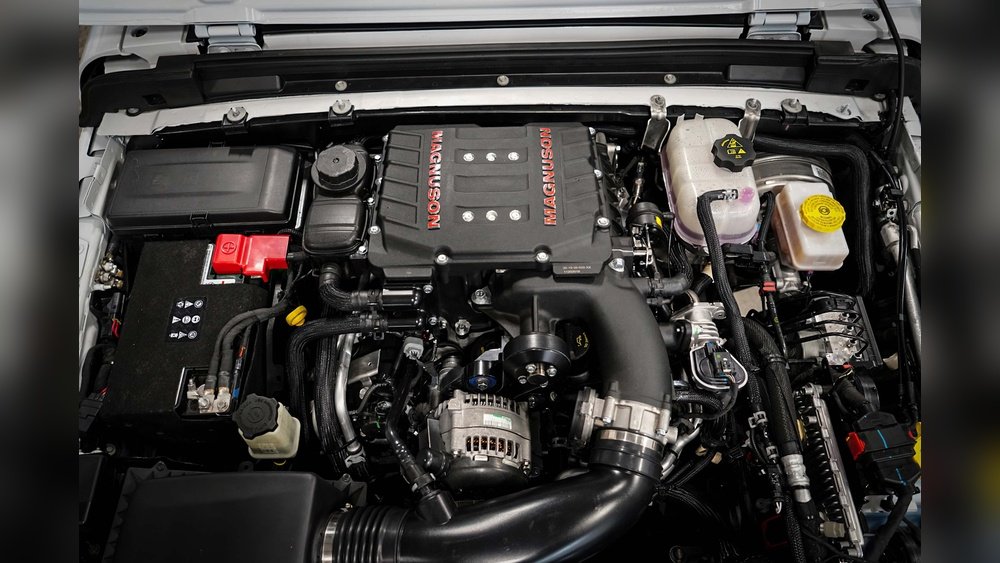
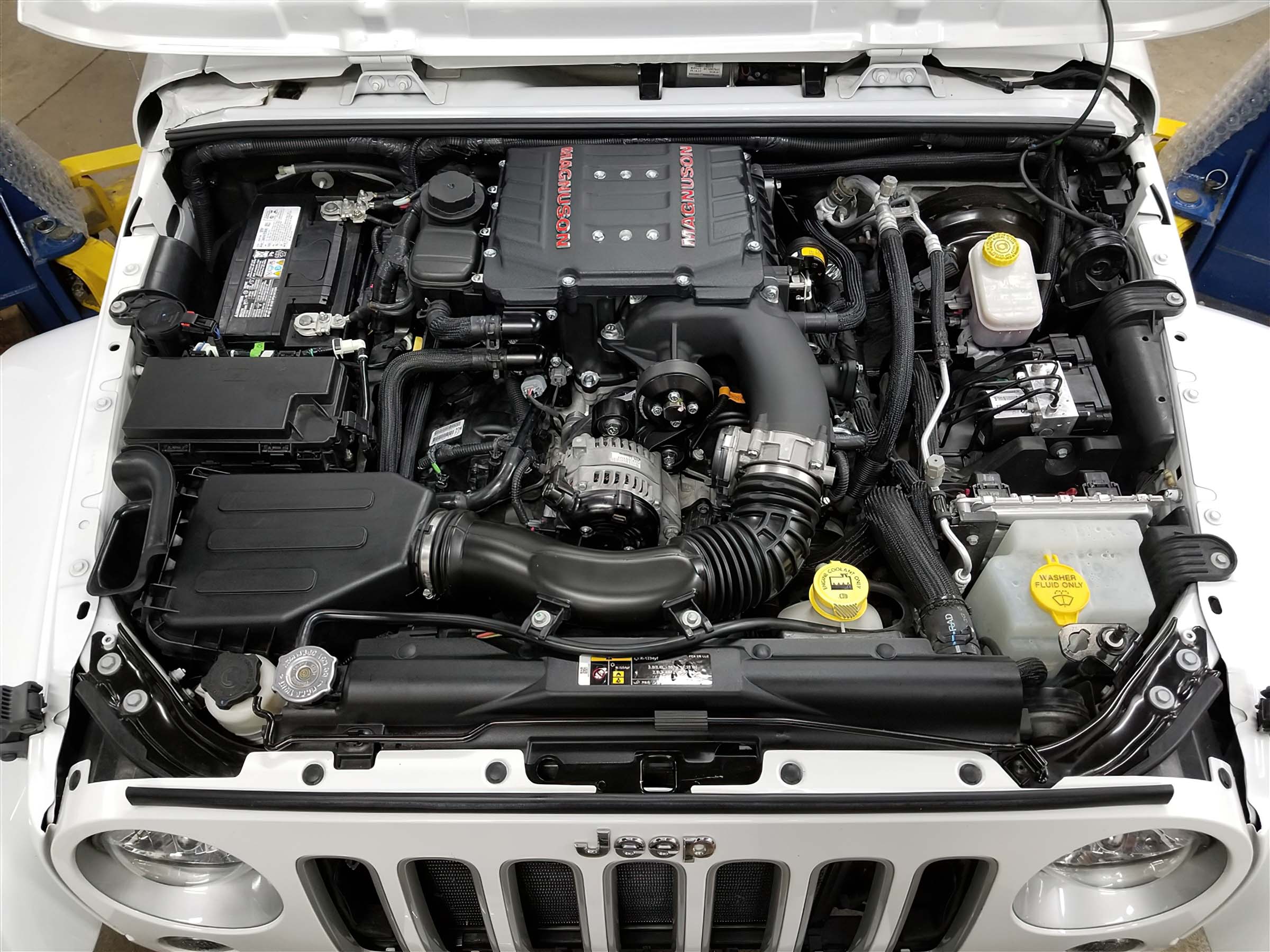
You can add cold air intakes, exhausts, or even superchargers. The engine responds well to mild mods but keep warranty effects in mind. For example, a new intake or exhaust can add a few horsepower and give a sportier sound.
Superchargers are possible but require more careful installation and tuning.
26. Serviceability
Mechanics are familiar with the Pentastar V6. Repairs are straightforward, and you don’t need specialty tools for most jobs. Even in rural areas, most garages know this engine well. DIYers find the engine bay spacious enough for home repairs, and service manuals are widely available.
27. Engine Weight
The all-aluminum design keeps weight lower. This helps handling, especially in the Wrangler. Lighter engines mean less stress on the suspension and better balance, so your Jeep feels more nimble both on and off road. This is a big plus for drivers who enjoy spirited driving or technical trails.
28. Insurance Costs
Most drivers find insurance rates reasonable for Jeeps with the 3. 6 V6. It’s not considered high-risk. In fact, insurance companies know the engine’s reliability record, which helps keep premiums moderate. If you add many modifications or drive in high-risk areas, rates may go up, but the engine itself isn’t a red flag.
29. Engine Replacement Cost
A brand-new Pentastar engine costs around $5,000–$7,000 installed. Used engines are cheaper but check mileage and condition. It’s important to buy from a reputable source and get warranty coverage if possible. Many repair shops can install a replacement engine in just a few days.
30. Comparison To Other Jeep Engines
Compared to the 2.0L turbo and 5.7L V8, the 3.6 V6 is a middle ground for power, price, and reliability.
| Engine | Horsepower | Torque (lb-ft) | MPG (Combined) |
|---|---|---|---|
| 2.0L Turbo I4 | 270 | 295 | 23 |
| 3.6L V6 | 285–295 | 260 | 20 |
| 5.7L V8 | 360 | 390 | 17 |
The V6 is the safest all-around choice for most drivers, providing a balance of efficiency and everyday performance. It’s less complex than the turbo, and easier to maintain than the V8.
31. Upgrade Options
You can upgrade to a V8 or a diesel, but the 3.6 V6 is usually less expensive and easier to maintain. The V8 offers more power but uses more fuel and costs more to insure. Diesel options give more torque for towing but can have higher repair costs and stricter emission controls. For most buyers, the V6 is the best compromise.
32. Recalls
There have been a few recalls for things like water pump failures and sensor issues. Always check your VIN for open recalls. Most recalls are handled quickly at Jeep dealerships, and many only involve minor parts. Addressing recalls early helps prevent larger issues.
33. Engine Cooling Fan
The electronic fan is reliable and rarely fails. If you do heavy off-roading in hot weather, keep it clean for best results. Mud or debris can block airflow, so check the fan and radiator after off-road trips. The fan runs quietly and is designed to handle a wide range of temperatures.
34. Throttle Response
The electronic throttle is responsive but can feel a little soft compared to older cable systems. Most drivers adjust quickly. For those who want sharper response, some aftermarket tuners can improve pedal feel, but for everyday driving, the stock setup is smooth and safe.
35. Exhaust System
The factory exhaust is quiet and durable. Upgrading can improve sound but may not add much power. The stock exhaust is designed for a balance of performance and comfort. If you want a deeper tone, consider a cat-back system, but keep emissions laws in mind.
36. Long-term Durability
Many Pentastar engines reach 200,000+ miles with proper care. The design is solid, and major failures are rare. Routine maintenance is the biggest key to longevity. Some owners have even reported engines lasting well past 250,000 miles with only minor repairs.
| Mileage | Common Issues | Typical Repairs |
|---|---|---|
| 0–60,000 | Few minor issues | Basic maintenance |
| 60,000–120,000 | Spark plugs, water pump | Moderate |
| 120,000–200,000+ | Oil leaks, sensors | Some repairs, still reliable |
Credit: magnusonsuperchargers.com
Frequently Asked Questions
Is The Jeep 3.6 V6 Good For Off-roading?
Yes, it provides steady power and torque for most off-road trails. While not as torquey as a diesel, it’s enough for rocks, sand, and mud. Many owners find the engine works well with Jeep’s 4×4 systems, and its smooth power delivery helps in technical situations.
How Long Does The Jeep 3.6 V6 Engine Last?
With regular oil changes and maintenance, many owners reach 200,000 miles or more. Some have even gone beyond that without major repairs. This long life makes the engine a top choice for buyers looking for long-term value.
Are There Common Problems With The 3.6 Pentastar?
Early engines (2011–2013) had cylinder head issues, but Jeep fixed these. Most modern engines are reliable, with rare issues like water pump or sensor failures. Keeping up with routine maintenance helps avoid most common issues.
How Does The 3.6 V6 Compare To The 2.0 Turbo?
The 3.6 V6 is smoother and simpler. The 2.0 turbo has more torque and better mpg but may cost more to repair due to its turbo system. The V6 offers a more traditional driving feel with fewer potential repair headaches.
What Is The Maintenance Cost Of The 3.6 V6?
Routine maintenance is affordable. Expect to pay regular prices for oil, filters, and spark plugs. Major repairs are rare in the first 100,000 miles. If you do your own maintenance, costs can be even lower.
Final Thoughts
The Jeep 3.6 V6 is a strong, well-balanced engine for most drivers. It offers a mix of power, reliability, and low maintenance that’s hard to beat in the Jeep lineup. While not perfect, and not the most fuel-efficient, it’s a safe choice for both new and experienced Jeep owners. For more technical details, check the official Pentastar engine overview.
If you want a Jeep that lasts, is affordable to maintain, and is ready for adventure, the 3.6 V6 stands out as a smart, beginner-friendly pick. With its strong track record, easy service, and wide support, it’s easy to recommend for nearly any Jeep buyer.