Is Jeep Compass Latitude A Good Car: Honest Review
 Reading Time: 9 minutes
For U.S. drivers, the Jeep Compass Latitude can be a good compact SUV if you want available four-wheel drive, a higher ride height, and a useful mix of everyday features. It is less compelling if your top priorities are a roomy back seat, low ownership costs, or the most refined ride in the class.
The short answer: It may be a good fit, but the model year, condition, service history, and price matter more than the Latitude badge alone. Check the exact vehicle’s equipment, recall status, and repair history before you buy.

What Is the Jeep Compass Latitude?
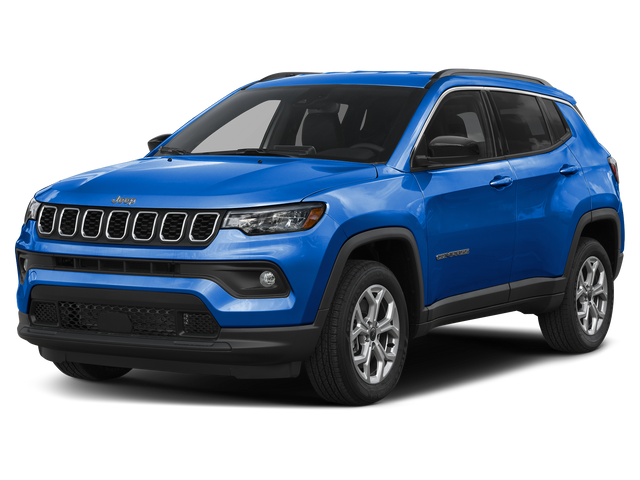
The Jeep Compass Latitude is a trim level of the Compass, a compact SUV sold in the United States. “Latitude” does not describe one fixed set of features for every year. Equipment, available packages, engines, and drivetrains can change by model year.
The Compass sits between smaller SUVs and larger two-row models. Its size can make it easier to park than a midsize SUV, while its available four-wheel-drive system can help in snow or on rough roads. It is not the same as a Wrangler, and a Compass Latitude should not be treated as a serious off-road vehicle just because it wears a Jeep badge.
Before comparing two Compass Latitude models, confirm the year and the vehicle’s actual equipment. A used Latitude may have options that another Latitude of the same year does not.
Is the Jeep Compass Latitude a Good Car Overall?
It can be a good everyday SUV for the right buyer, especially when four-wheel drive is a priority. Its strongest points are its manageable size, useful ground clearance, and available traction for poor weather. Its main trade-offs are limited rear-seat and cargo room compared with some rivals, mixed powertrain details across years, and features that vary by trim and package.
| What matters to you | How the Compass Latitude may fit |
|---|---|
| Driving in snow | Available four-wheel drive can help, but tires and driving skill still matter. |
| City parking | Its compact-SUV size is easier to manage than a larger SUV. |
| Rear-seat space | Check it in person; some rivals offer more room. |
| Fuel use | Compare the exact year and drivetrain on the EPA FuelEconomy.gov site. |
| Off-road use | It can handle some rough roads, but the Latitude is not the off-road-focused Trailhawk. |
| Used-car value | Condition, service records, recalls, and price matter more than the trim name. |
A good test drive is essential. Try the SUV on the roads you use most, and bring the people or gear that will regularly ride in it. A car that looks right on paper may feel cramped or less comfortable once you use it every day.
What Are the Main Pros and Cons?
The Latitude’s advantages are practical, but they do not make it the best choice for every compact-SUV shopper. Compare its strengths with the limits that matter most to you.
Pros
- Available four-wheel drive: This can be useful in snow, on wet roads, or on some unpaved routes. It does not replace winter tires or careful driving.
- Compact size: The Compass is easier to park and maneuver than many larger SUVs.
- SUV seating position: Some drivers prefer the higher view of the road.
- Useful everyday layout: The rear seats fold to make space for larger items, though cargo room should be checked against your needs.
- Jeep styling: If you like the Compass design, the Latitude may offer the look and features you want without moving to a larger Jeep.
Cons
- Space is not a class leader: Check rear-seat legroom and cargo capacity in person, especially if you use child seats or carry bulky gear.
- Fuel economy depends on the exact vehicle: Engine, drivetrain, model year, and driving conditions all affect fuel use.
- Features vary: Do not assume a Latitude has a specific screen, safety aid, heated seat, or driver-assistance feature. Verify the vehicle’s window sticker or build information.
- Ride and powertrain feel are personal: Test the car in stop-and-go traffic, at highway speed, and on rough pavement.
- Four-wheel drive has trade-offs: It may add purchase and running costs, and it does not make a vehicle immune to skids or crashes.
Which Jeep Compass Latitude Model Years Should You Consider?
Start with the exact model year, then compare the vehicle’s condition and records. The Compass has had major changes over time, so a review of one year may not describe another.
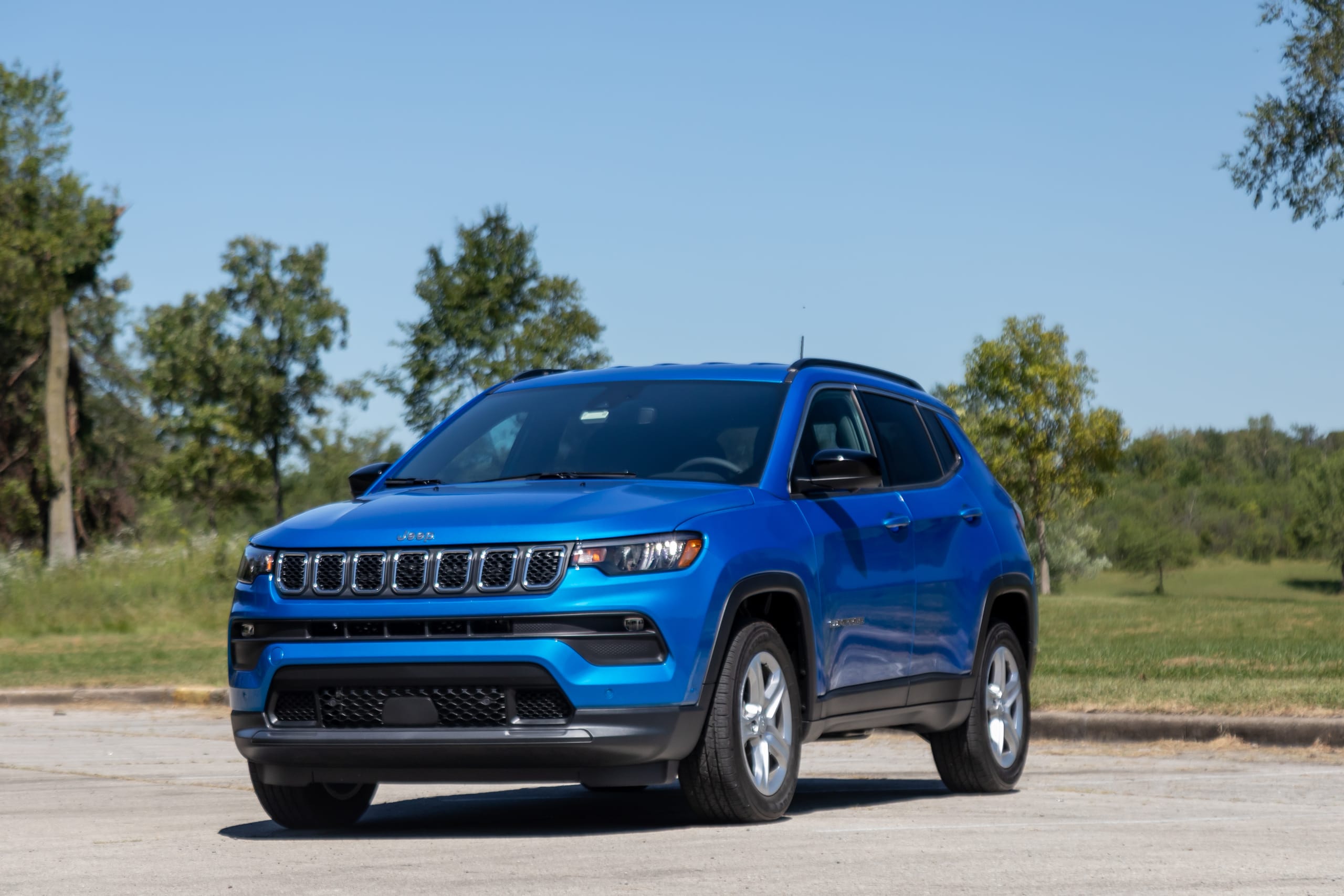
For example, U.S. Compass models from 2017 through 2021 commonly used a 2.4-liter four-cylinder engine. The redesigned models beginning with the 2022 model year use a 2.0-liter turbocharged four-cylinder engine in the U.S. market. Powertrain details and equipment can still depend on the model year and configuration, so confirm them for the specific SUV you are considering.
Do not assume a newer Compass is automatically a better buy. A well-kept older vehicle with clear records may be a safer choice than a newer one with damage, missed maintenance, or unresolved warning lights. Likewise, do not use a reliability claim about one year to judge every Compass.
For any year, check:
- The VIN-specific recall status through the National Highway Traffic Safety Administration (NHTSA).
- The vehicle’s fuel economy on FuelEconomy.gov, using the correct year and drivetrain.
- Crash-test information for the exact model year through the Insurance Institute for Highway Safety (IIHS).
- The owner’s manual and service details through Jeep’s owner resources.
Safety scores, recalls, and standard features can change by year. A rating for one Compass model year is not proof that another year has the same result.

Is the Jeep Compass Latitude Reliable?
There is no single reliability answer that applies to every Compass Latitude. The vehicle’s year, mileage, maintenance, past damage, and repair history all affect the risk of buying it.
A used-car inspection can reveal problems that a test drive may miss. Ask an independent mechanic to check for fluid leaks, uneven tire wear, suspension noise, warning lights, signs of collision repair, and evidence of neglected maintenance. If the seller will not allow an inspection, treat that as a reason to pause.
Also review service records and ask whether any recall repairs remain open. A recall search is tied to the vehicle identification number (VIN), so checking only the model name is not enough. NHTSA’s recall tool can show open recalls, but it does not replace a full mechanical inspection.
Do not treat online owner reports as proof that every vehicle has the same fault. Reports can help you form questions, but a mechanic should assess the specific SUV in front of you.
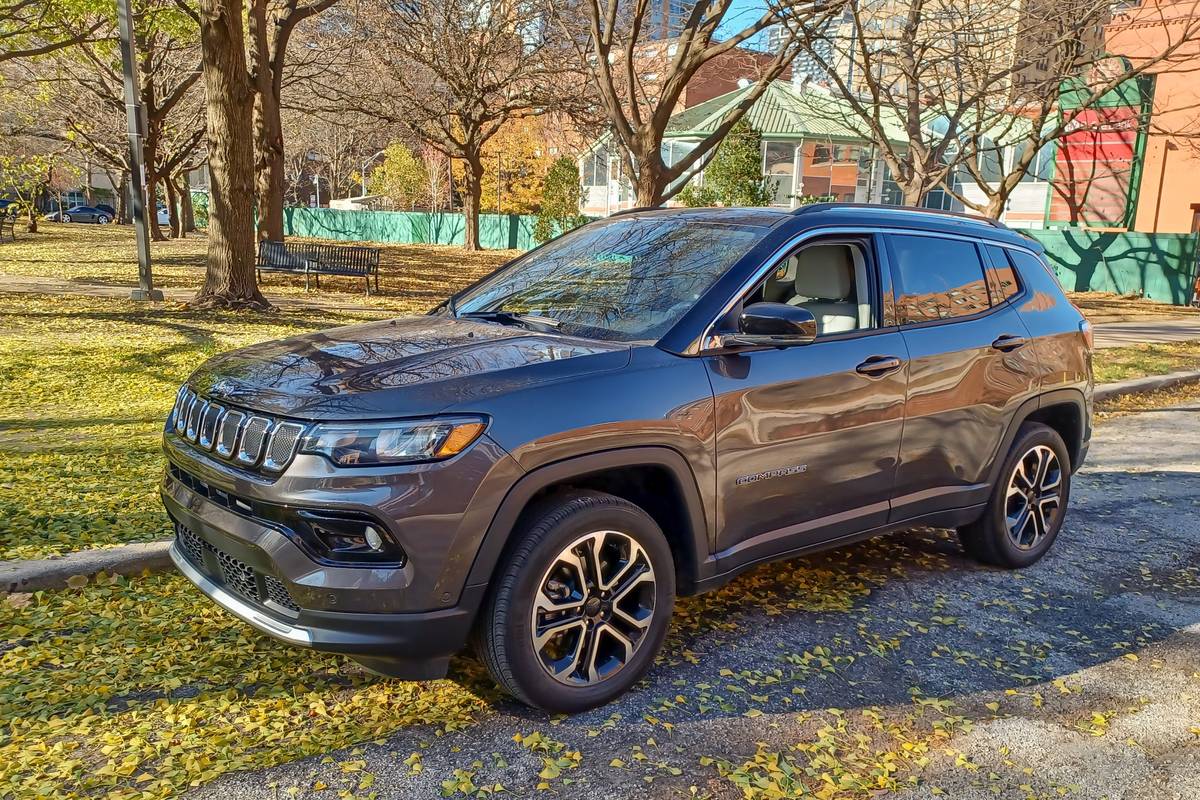
What Should You Check Before Buying a Used Compass Latitude?
Use a short, repeatable process. It helps you compare vehicles on facts instead of relying on a seller’s description.
- Confirm the identity. Match the VIN on the vehicle with the title and paperwork. Confirm the model year, trim, drivetrain, and installed options.
- Check recalls. Search the VIN on NHTSA’s recall site. Ask for proof that completed recall repairs were done.
- Review records. Look for regular maintenance, repair invoices, and clear information about prior damage or ownership.
- Inspect the SUV. Arrange an inspection by a qualified mechanic who is not connected to the seller.
- Test the features. Try the air conditioning, heat, windows, locks, infotainment system, cameras, and driver-assistance features, if fitted.
- Take a useful test drive. Include low-speed turns, stop-and-go traffic, a hill if available, and highway driving when safe. Listen for unusual sounds and watch for warning lights.
- Compare total cost. Get insurance quotes and check fuel economy for the exact year and drivetrain. Include maintenance and likely repair costs in your budget.
- Compare the price. Use vehicles with similar years, mileage, condition, equipment, and drivetrain as your reference.
If you notice a warning light, rough shifting, strong vibration, a burning smell, or a brake issue, do not assume it is minor. Ask a mechanic to diagnose it before you agree to buy.
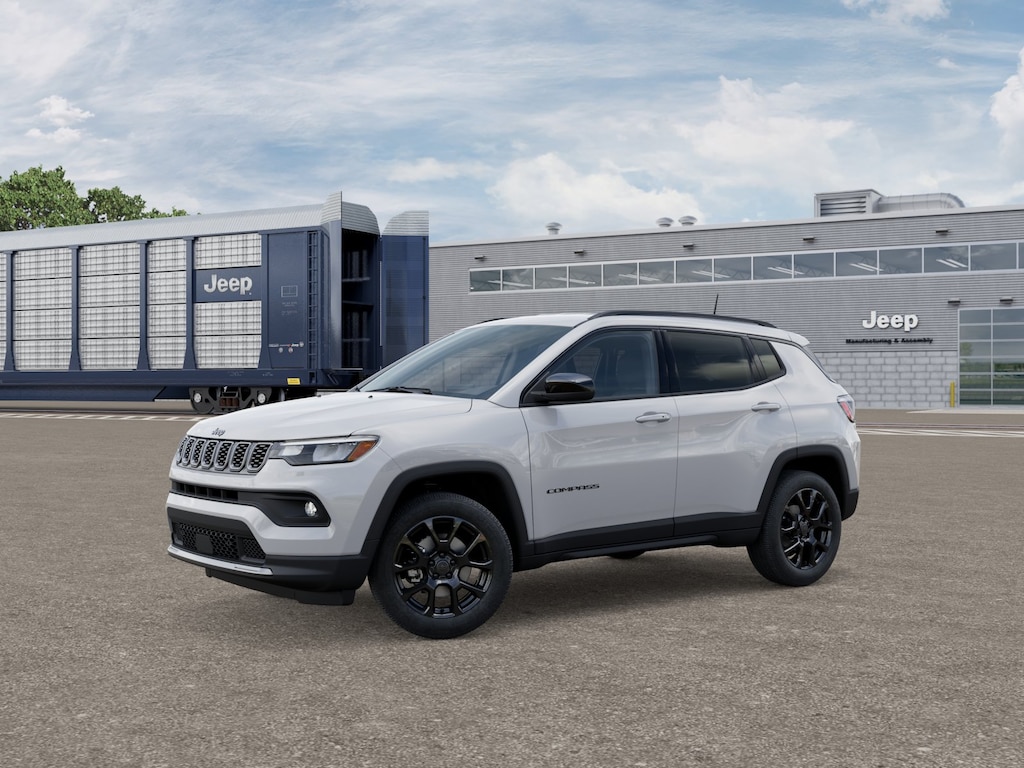
How Does the Compass Latitude Compare With Other Compact SUVs?
The Compass Latitude makes the most sense when its available four-wheel drive and Jeep design matter more to you than maximum cabin space or a particularly low-cost commute. Compare it with other compact SUVs that fit your budget, then test-drive them under similar conditions.
When comparing models, use the same checklist:
- Does the vehicle have the drivetrain you need?
- Can passengers sit comfortably in the back?
- Does the cargo area fit your regular load?
- Are the safety features you want included on this exact vehicle?
- What do fuel economy, insurance quotes, and maintenance records show?
- Is the used vehicle’s inspection result and history stronger than the alternatives?
For snow, compare tires as well as drivetrain. A two-wheel-drive SUV with suitable winter tires may be a better fit for some drivers than a four-wheel-drive SUV with worn or unsuitable tires. Four-wheel drive can help a vehicle move, but it does not guarantee shorter stopping distances.
Key Takeaways
- The Jeep Compass Latitude can be a good compact SUV for a driver who values available four-wheel drive, compact size, and Jeep styling.
- It may not be the best choice if you need generous rear-seat space, class-leading cargo room, or the lowest possible ownership costs.
- Latitude equipment and powertrains vary by year, so verify the exact vehicle rather than relying on the trim name.
- For a used Compass, check the VIN for recalls, review maintenance records, get an independent inspection, and take a careful test drive.
FAQs
Is the Jeep Compass Latitude good in snow?
It can be useful in snow if the specific vehicle has four-wheel drive and suitable tires. Four-wheel drive can help with traction when moving, but it does not prevent every skid or make braking safer on ice. Tire condition and driving speed matter.
Is the Compass Latitude a four-wheel-drive vehicle?
Some Compass Latitude models have four-wheel drive, but the answer depends on the model year and configuration. Check the window sticker, VIN-based vehicle information, or the owner’s manual for the exact SUV.
Is the Compass Latitude the same as the Trailhawk?
No. Latitude and Trailhawk are different Compass trims. Trailhawk models are designed with more off-road-focused equipment. Do not assume a Latitude has the same features or capability.
Is a used Jeep Compass Latitude worth buying?
It may be, if the price is fair and the specific vehicle has a clean history, completed recall work, and a satisfactory independent inspection. Compare it with similar compact SUVs before deciding.
How can I check a Jeep Compass Latitude’s fuel economy?
Look up the exact model year and drivetrain on FuelEconomy.gov. The EPA estimate is a comparison tool; real fuel use can differ with traffic, weather, tire condition, driving style, and vehicle maintenance.
Conclusion
The Jeep Compass Latitude is a reasonable choice for some U.S. drivers, not an automatic best buy. Its available four-wheel drive and compact size can suit daily use, especially in areas with snow or rough roads. Its space, fuel use, features, and condition deserve close review.
Before buying, compare the exact model year with alternatives, check the VIN for recalls, and pay for an independent inspection. That process will tell you more about the vehicle you are considering than the Latitude name alone.