Is A Jeep Compass A Good Car: Reliability And Value
 Reading Time: 8 minutes
A 2016 Jeep Compass can be a good used car if it has a clean history, passes an independent inspection, and costs less than newer, more refined compact SUVs. It offers available four-wheel drive and a higher ride than a small sedan, but it is an older design with modest power, dated features, and a transmission that deserves careful testing.
For U.S. buyers, the right question is not just whether the Compass is “reliable.” At this age, maintenance, mileage, rust, and the specific engine and transmission matter more than the model name alone. Check the vehicle’s history and recall status, then compare its total cost with other used SUVs in your area.

Quick verdict: Is a 2016 Jeep Compass worth buying?
It may be worth buying as a low-cost, basic SUV, but it is not a strong choice if you want modern safety features, quick acceleration, or a quiet, polished ride. Buy based on the condition of the specific vehicle—not its Jeep badge or low asking price.
| It may suit you if… | Look elsewhere if… |
|---|---|
| You want a small SUV with available four-wheel drive | You need strong acceleration or frequent highway passing power |
| Your budget favors an older used vehicle | You want current driver-assist features and newer infotainment |
| The vehicle has service records and passes an inspection | The seller cannot explain its history or transmission service |
| You can set aside money for age-related repairs | A major repair would strain your budget |
A well-kept Compass can serve for everyday trips, but a neglected one can become costly. Before you decide, get a mechanic to inspect the engine, transmission, brakes, suspension, and underbody.

What the 2016 Jeep Compass offers
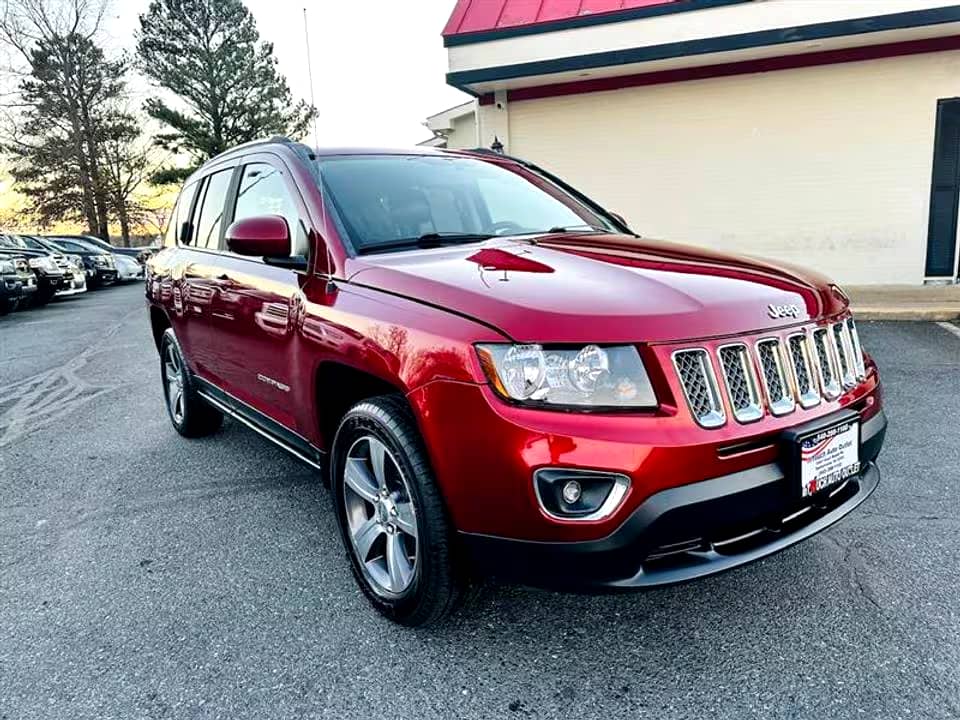
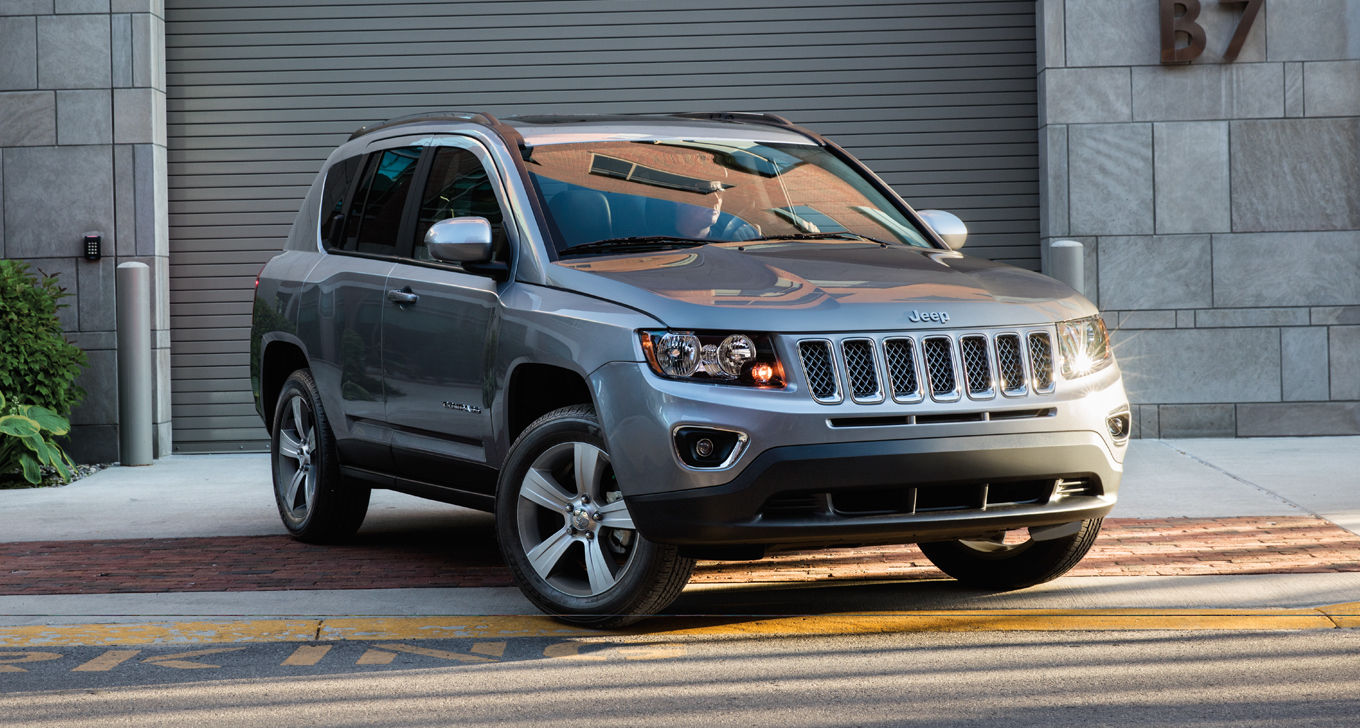
The 2016 Compass is a compact SUV from the first generation of the model. In the U.S., it came in Sport, Latitude, and Limited trims, with front-wheel drive or available four-wheel drive, depending on configuration.
The main engine choices were a 2.0-liter four-cylinder and a 2.4-liter four-cylinder. Transmission options varied by trim and drivetrain and included a manual transmission, a continuously variable transmission (CVT), and, on some versions, a six-speed automatic. The 2.4-liter engine has more power, but neither engine makes the Compass feel especially quick by today’s standards.
Four-wheel drive can help in some low-traction conditions, but it does not make the Compass a serious off-road vehicle by itself. Tires, ground clearance, vehicle condition, and the specific four-wheel-drive system all affect what it can safely handle. Do not assume every Compass has the same equipment.
Fuel economy also varies by engine, transmission, and drivetrain. Check the exact configuration on the U.S. EPA’s FuelEconomy.gov vehicle search, and compare its estimated fuel costs with the vehicles you are considering. The EPA estimate is a useful comparison, not a promise of what a used vehicle will achieve.

Reliability and common concerns
There is no single reliability verdict that applies to every 2016 Compass. A car with regular maintenance and a sound transmission may be a reasonable buy; one with poor service records or warning signs may not be. Age and upkeep make the individual vehicle’s condition crucial.
Pay close attention to the transmission. Some Compass versions use a CVT, which operates differently from a conventional automatic. During a test drive, watch for shuddering, slipping, unusual whining, delayed engagement, or engine revs that rise without a matching increase in speed. These symptoms do not prove a specific failure, but they call for a professional diagnosis before you buy.
Also ask the seller for service records and look for signs of:
- Oil, coolant, or transmission-fluid leaks
- Uneven tire wear, which can point to alignment or suspension issues
- Rust on the body, brake lines, or underbody
- Warning lights, rough starts, or unstable engine idle
- Noisy brakes, clunks, or vibration over bumps
A short test drive cannot rule out hidden faults. Ask an independent mechanic to inspect the car and scan its systems for stored trouble codes. If a seller refuses an inspection, treat that as a reason to walk away.
Safety and recalls: What buyers should check
Check the exact vehicle identification number (VIN) for open recalls before you buy. Recall work is generally completed at no charge by the manufacturer, but you should confirm the repair is done rather than assume it is.
Use the NHTSA VIN recall lookup to check for unrepaired recalls. The result applies to that VIN, so a general list of recalls for the model is not a substitute.
The Compass also lacks many driver-assistance features now common in newer vehicles. Do not assume a 2016 model has automatic emergency braking, blind-spot warning, or other modern safety aids; equipment can differ by trim and options.
The Insurance Institute for Highway Safety (IIHS) lists test results for the 2016 Jeep Compass. Review the specific test categories and limits, rather than treating one score as a complete measure of safety. Crash-test results describe performance in defined tests; they cannot predict the outcome of every real-world crash.

How to inspect a 2016 Jeep Compass before buying
Use this sequence to reduce the chance of missing an expensive problem:
- Check the VIN and title. Look up recalls, confirm the title is not branded, and review a vehicle-history report for accidents, ownership changes, and mileage records.
- Ask for maintenance records. Look for consistent oil changes and any documented transmission or major repair work. If records are missing, budget for a more detailed inspection.
- Start the engine cold. If possible, ask the seller not to warm up the car first. Listen for unusual knocking or rattling, and check whether warning lights stay on after startup.
- Drive it in varied conditions. Test low-speed turns, stop-and-go traffic, and a safe stretch of road at higher speed. Check for transmission hesitation, vibration, pulling, brake noise, and steering problems.
- Arrange an independent inspection. Ask a mechanic to check the transmission, engine, suspension, brakes, tires, leaks, rust, and diagnostic codes.
- Compare the full cost. Add the asking price, taxes, registration, insurance, expected maintenance, and any repairs found during inspection. Compare that total with similar vehicles in your area.
For fuel economy, use the EPA listing for the exact engine and drivetrain. For recalls, use the VIN lookup. For condition, rely on records and an independent inspection; a clean history report alone cannot confirm that a car is mechanically sound.
When is a 2016 Jeep Compass a good choice?
It is most appealing when the price reflects its age and limitations, and the vehicle has clear records and a clean inspection. It is less appealing when its price is close to newer compact SUVs that offer better performance, newer safety features, or a stronger service history.
Consider alternatives if you often drive long distances, carry a full load, or need confident passing power. If you need four-wheel drive for winter roads, compare the Compass with other used SUVs and budget for proper winter tires. Four-wheel drive can help a vehicle get moving, but it does not replace tires that can brake and grip in winter conditions.
Avoid making a decision based only on low mileage. A low-mileage vehicle can still have old tires, worn seals, neglected fluids, or long periods of inactivity. Service history and inspection findings matter more than one number on the odometer.

Frequently asked questions
Is the 2016 Jeep Compass good in snow?
It can be useful in snow if it has four-wheel drive and suitable tires, but the setup matters. Front-wheel-drive versions are different from four-wheel-drive models, and no drivetrain makes worn or unsuitable tires safe. Drive slowly and leave more room to stop.
Does every 2016 Jeep Compass have a CVT?
No. Transmission choice depends on the vehicle’s engine, trim, and drivetrain. Check the owner’s manual or vehicle build information for the exact car, and have a mechanic assess the transmission during a pre-purchase inspection.
How much should I pay for a 2016 Jeep Compass?
There is no reliable single price without knowing the mileage, condition, location, trim, and history. Compare similar listings in your area, then adjust for inspection findings, needed repairs, and the vehicle’s service record.
Is the 2016 Jeep Compass good for a new driver?
It may work for a new driver who needs a basic vehicle, but its age means it lacks many newer safety aids. Check the crash-test information, tires, brakes, visibility, and maintenance history, and compare it with newer vehicles before deciding.
What should I do if the seller will not allow an inspection?
Do not buy the vehicle without one unless you are prepared to accept the risk of hidden problems. A seller who refuses an independent inspection gives you less reason to trust the car’s condition.
Conclusion
A 2016 Jeep Compass can be a reasonable used SUV, but only if the specific vehicle is in good shape and priced accordingly. Its available four-wheel drive may appeal to some buyers, while its modest power, older design, and need for careful transmission checks are real trade-offs.
Before you commit, check the VIN for recalls, review the service history, take a thorough test drive, and pay for an independent inspection. If the car shows transmission trouble, has poor records, or needs repairs that erase its price advantage, keep shopping.


