How to Stop Jeep Death Wobble: Proven Fixes and Prevention Tips
 Reading Time: 8 minutes
 If you own a Jeep and have ever felt your steering wheel shake violently after hitting a bump, you’ve probably experienced the dreaded Jeep death wobble. This is a scary and confusing problem for many drivers, especially beginners. You might wonder if your Jeep is safe, what causes this, and most importantly, how you can stop it for good. Don’t worry—this guide will help you understand what’s really happening and what steps you need to take to fix Jeep death wobble.
What Is Jeep Death Wobble?
Jeep death wobble is a rapid and strong vibration in the front wheels, usually felt through the steering wheel. It often happens after you hit a bump at speeds above 45 mph. The shaking can be so strong that you feel like you might lose control.
Death wobble is not just a small vibration. It often makes drivers stop on the side of the road, thinking something has broken. This issue mostly affects solid front axle Jeeps, like the Wrangler and Cherokee.
Common Signs
- Steering wheel shakes back and forth quickly
- The whole Jeep feels like it’s bouncing
- It usually happens after hitting a bump or pothole
- It only stops when you slow down or stop
Why Does Death Wobble Happen?
To stop Jeep death wobble, you first need to know what causes it. The main reason is loose or worn steering and suspension parts. But it’s rarely just one problem—usually, several small issues combine to create the wobble.
Main Causes
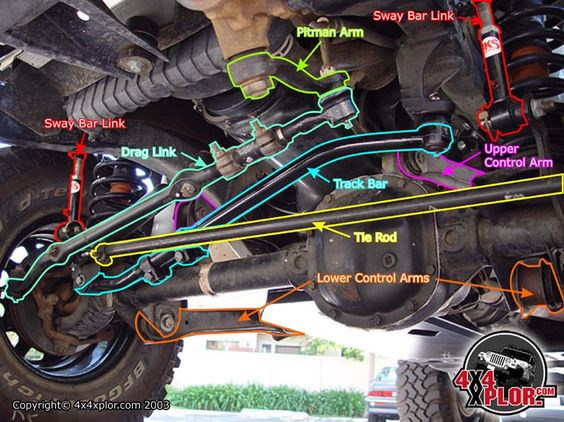
- Worn track bar bushings or bolts—the most common cause
- Loose tie rod ends or drag link joints
- Bad ball joints
- Bent wheels or unbalanced tires
- Worn wheel bearings
- Lift kits installed incorrectly
- Loose steering box
Even new Jeeps can get death wobble if any of these parts are not tight or in good condition.
Example
Let’s say your Wrangler has 60,000 miles. The track bar’s bushing is a little worn, and the tie rod end is a bit loose. Alone, these might not cause problems. But after hitting a pothole at 55 mph, both weak points “work together” and cause the wheels to shake violently.
How To Stop Jeep Death Wobble: Step-by-step
Stopping Jeep death wobble means finding and fixing the real cause. Here’s what you should do, even if you’re a beginner.
1. Inspect The Track Bar
The track bar keeps your Jeep’s axle from moving side to side. If it’s loose or has bad bushings, it’s the #1 cause of death wobble.
- Check both ends of the track bar for play.
- Have a friend turn the steering wheel back and forth while you watch for movement at the ends.
- If the bar moves before the wheels, the bolts or bushings are bad.
Tip: Always tighten track bar bolts to the Jeep’s torque spec. Loose bolts can cause wobble even if parts are new.
2. Check Tie Rod Ends And Drag Link
These parts connect the steering wheel to the wheels. Even a little movement can cause problems.
- Grab the tie rod and try to move it up and down or side to side.
- Any movement means the joint is worn out and needs to be replaced.
3. Inspect Ball Joints
Ball joints allow your wheels to turn and move up and down. When they wear out, they cause steering problems.
- Jack up the Jeep.
- Wiggle the wheel at the top and bottom.
- Movement means the ball joint is worn.
4. Balance And Align Your Tires
Unbalanced tires or bad alignment can “trigger” death wobble, even if the main parts are good.
- Get your tires balanced by a shop.
- Ask for a front-end alignment.
5. Check Wheel Bearings
Wheel bearings let your wheels spin freely. If they’re loose, the wheels can wobble.
- Jack up the Jeep.
- Grab the wheel at the top and bottom and try to move it.
- Any play could mean bad wheel bearings.
6. Inspect Suspension Lift Components
If you have a lift kit:
- Make sure all bolts are tight.
- Check for worn bushings or parts.
- Make sure the track bar and control arms are the correct length.
7. Examine The Steering Box
A loose steering box makes the whole system feel sloppy.
- Check for movement where the steering shaft enters the box.
- Tighten the box if needed, but don’t overtighten.
Practical Example: Step-by-step Inspection
Imagine you drive a 2013 Jeep Wrangler, and you feel a death wobble after hitting a bump at 50 mph. Here’s how you’d inspect the Jeep:
- Track Bar: You see movement at the axle end. The bushing is worn.
- Tie Rod Ends: No play.
- Ball Joints: Slight movement.
- Tires: Out of balance.
- Steering Box: Feels tight.
You’d first replace the track bar bushing, get your tires balanced, and replace the ball joints. This usually fixes the problem.
How To Fix Each Part
Track Bar
- Replace worn bushings or the entire bar.
- Use high-quality aftermarket or OEM parts.
- Torque bolts to spec (usually 125 ft-lbs).
Tie Rod Ends And Drag Link
- Replace any part with play.
- After replacing, get an alignment.
Ball Joints
- Replace both upper and lower joints on both sides if worn.
- Use a press tool or have a shop do it.
Tires And Wheels
- Balance tires with a road-force machine.
- Replace bent wheels.
- Make sure all tires are the same size.
Wheel Bearings
- Replace if you feel play or hear grinding noise.
Alignment
- Always align your Jeep after replacing steering or suspension parts.
Cost Comparison: Diy Vs Professional Fix
Here’s a quick look at how much it can cost to fix Jeep death wobble yourself or at a shop.
| Part/Service | DIY Cost | Shop Cost |
|---|---|---|
| Track Bar Replacement | $80–$200 | $250–$400 |
| Tie Rod Ends | $40–$100 | $150–$350 |
| Ball Joints (per pair) | $100–$200 | $300–$600 |
| Wheel Alignment | $0 (DIY)–$80 | $80–$150 |
Tip: DIY saves money but only do repairs if you’re comfortable and have the right tools.
Common Mistakes Beginners Make
Even experienced Jeep owners can miss simple causes. Here are beginner mistakes to avoid:
- Ignoring small steering vibrations—fix problems early
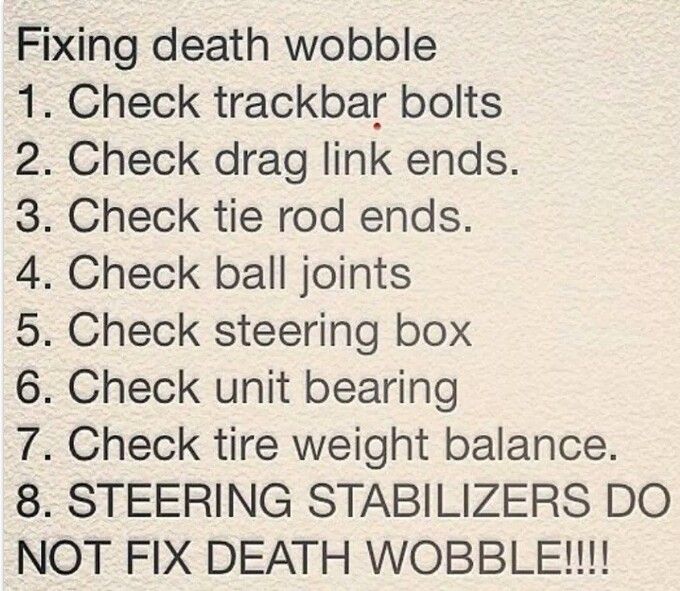
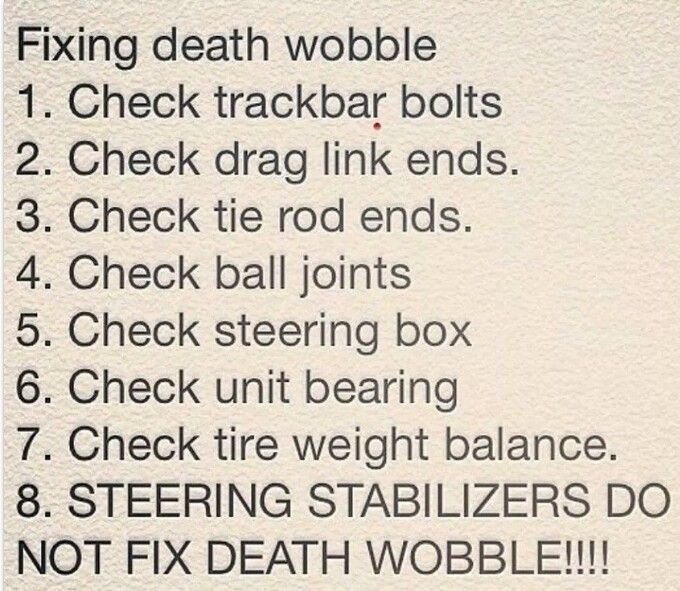
- Only replacing the steering damper—it’s a “band-aid,” not a fix
- Not torquing bolts to spec—hand-tight is not enough
- Forgetting to align the front end after repairs
- Overlooking tire balance—unbalanced tires can trigger wobble
Is The Steering Stabilizer A Solution?
Many people think the steering stabilizer (or damper) will fix death wobble. This part can hide the symptoms, but it does not solve the real problem. A stabilizer only helps absorb shocks. If your Jeep wobbles, you must fix the cause, not just the symptoms.
Credit: www.offroadelements.com
Data: Which Jeeps Are Most At Risk?
Death wobble mostly affects Jeeps with solid front axles and coil spring suspension. Here’s a comparison of common Jeep models:
| Model | Year Range | Death Wobble Risk |
|---|---|---|
| Wrangler TJ | 1997–2006 | High |
| Wrangler JK/JL | 2007–Present | High |
| Cherokee XJ | 1984–2001 | Medium |
| Grand Cherokee (WJ) | 1999–2004 | Medium |
| Compass/Renegade | 2015–Present | Low |
Solid front axle models are more likely to develop death wobble, especially after adding lift kits or larger tires.
How To Prevent Death Wobble
Once you fix the problem, you want to keep it from coming back. Here’s how:
- Regularly check all steering and suspension bolts for tightness
- Inspect bushings and joints every oil change
- Balance tires every 5,000–7,000 miles
- Get alignment after any suspension work
- Use high-quality parts—cheap bushings wear out fast
Credit: www.offroadelements.com
Two Non-obvious Insights Beginners Miss
- Torque Specs Matter: Many beginners tighten bolts “by feel.” Death wobble often returns if bolts aren’t torqued to the exact Jeep spec. Always use a torque wrench, especially for the track bar.
- Multiple Small Problems Add Up: You might find several “almost okay” parts (a slightly loose tie rod, a worn bushing). Each alone is minor, but together they cause death wobble. Fix every small issue you find, not just the worst one.
When To See A Professional
If you’ve checked all parts, fixed what’s worn, and still have death wobble, it’s time to see a specialist. Sometimes frame damage or rare suspension issues cause problems only experts can find.
- Choose shops with Jeep experience.
- Ask for a full front-end inspection.
- Bring a list of parts you’ve already replaced.
Real-world Example
A 2012 Wrangler owner had death wobble for months. They replaced the steering stabilizer and tires but the problem returned. A shop finally found a loose track bar bolt and worn lower ball joints. After fixing both and aligning the Jeep, the death wobble stopped completely.
External Resource
If you want to learn more about the technical side of suspension systems and how they relate to death wobble, check out this detailed explanation from Wikipedia.
Credit: www.offroadelements.com
Frequently Asked Questions
What Is The Quickest Way To Stop Death Wobble While Driving?
The fastest way is to slow down safely and pull over. Reduce your speed below 40 mph, and the wobble should stop. Then drive slowly until you can fix the problem.
Can A Bad Steering Stabilizer Cause Death Wobble?
No, a steering stabilizer cannot cause death wobble. It can only mask symptoms. The real cause is usually worn or loose suspension or steering parts.
Is Death Wobble Dangerous?
Yes, it can be dangerous because it makes the Jeep hard to control at high speeds. Always stop and fix the problem before driving again.
How Often Should I Check My Jeep’s Suspension?
Check the suspension and steering parts every oil change (about every 5,000 miles) or if you notice any new vibrations.
Will A Lift Kit Increase The Risk Of Death Wobble?
Yes, adding a lift kit can increase the risk if not installed correctly. Make sure all parts are tight, bushings are good, and the track bar and control arms are the right length for your lift.
Jeep death wobble feels scary, but with the right steps, it’s a problem you can solve and prevent. Regular checks, using quality parts, and paying attention to small details are the keys to a safe and smooth Jeep ride.