How To Adjust Seat In Jeep Wrangler 2: Easy Guide
 Reading Time: 13 minutes
 Quick answer: In a U.S.-market Jeep Wrangler 2-door, adjust the front seat by using the bar beneath the seat for forward and backward movement, the recline lever on the seat side for the backrest angle, and the height lever if your trim includes one. Set the seat so you can fully operate the pedals while keeping a safe distance from the steering wheel and air bag. Always confirm that the seat locks before driving.
Introduction
For drivers in the United States, the exact seat controls in a Jeep Wrangler 2-door depend on the model generation, model year, trim level, and whether the Jeep has manual or power-adjustable seats. Most Wrangler 2-door models use manual front-seat controls, while some higher trims or option packages may include additional lumbar or power adjustments.
The basic process is straightforward, but correct positioning matters. A poorly adjusted seat can reduce pedal control, restrict visibility, increase fatigue, or place the driver too close to the steering-wheel air bag. The rear seat in a 2-door Wrangler also has separate folding and tumble mechanisms that should be returned to their locked position before passengers ride in the back.

Identify the Jeep Wrangler Seat Controls
Before adjusting the seat, identify the controls on the driver or passenger seat. Jeep has used similar controls across Wrangler generations, but their location and operation can vary.
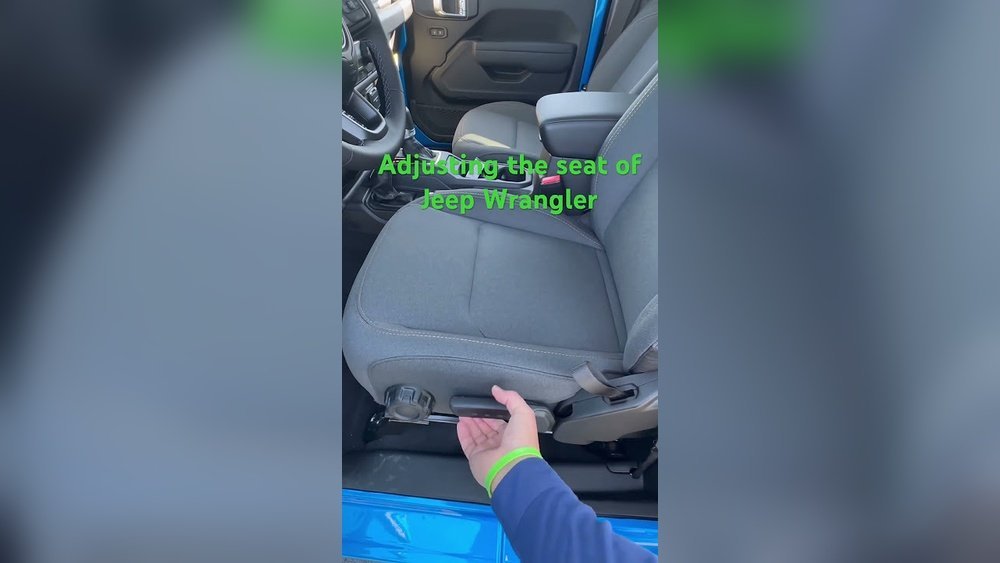
Front-to-back adjustment bar
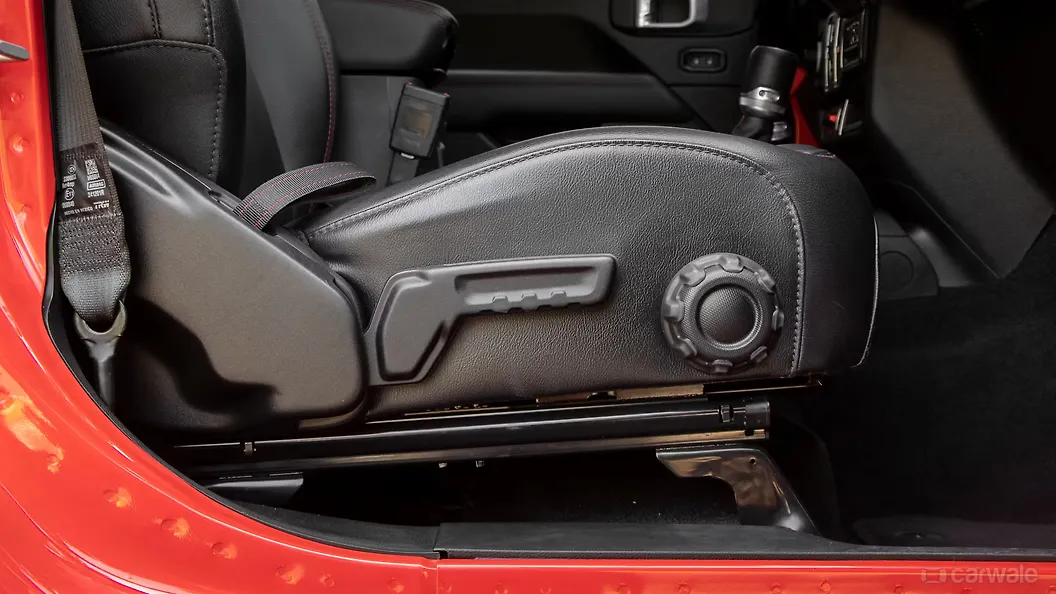
The front-to-back adjustment bar is located beneath the front edge of the seat cushion. It releases the seat track so the entire seat can slide forward or backward.
- Pull the bar upward.
- Keep it raised while sliding the seat.
- Release the bar after reaching the desired position.
- Rock the seat slightly without pulling the bar to verify that it has locked.
Do not use the seatback recline lever to move the entire seat. The recline lever changes only the angle of the seatback.
Seatback recline lever
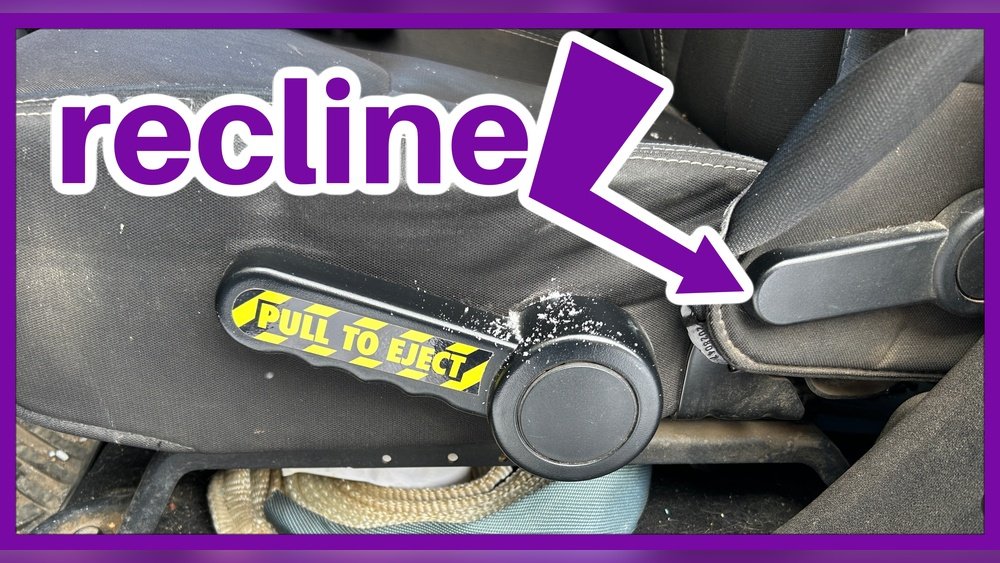
The recline lever is usually mounted on the outside edge of the front seat near the door. Pulling it releases the seatback so you can lean forward or backward.
- Pull and hold the lever.
- Move the seatback to the desired angle.
- Release the lever.
- Apply light pressure against the seatback to confirm it is latched.
The seatback should not move freely after you release the lever. If it does, do not drive until the locking mechanism has been checked.
Seat-height control
Many manually adjustable Wrangler seats include a height lever on the outside of the seat. Depending on the design, repeatedly lifting or lowering the lever raises or lowers the seat cushion.
A height adjustment may not be present on every Wrangler trim. Do not force a lever that does not move normally.
Lumbar adjustment
Some Wrangler seats include a manual or electric lumbar control. Lumbar support changes the contour of the lower seatback and does not move the seat itself.
Adjust lumbar support only after setting the seat distance and recline angle. Excessive lumbar support can push your lower back forward and make the driving position uncomfortable.
Front-seat release and tumble controls
A 2-door Wrangler uses a forward-folding or tumble function to provide access to the rear seat. This control is separate from the normal recline adjustment.
Depending on the model year, you may need to:
- Move the front seat forward.
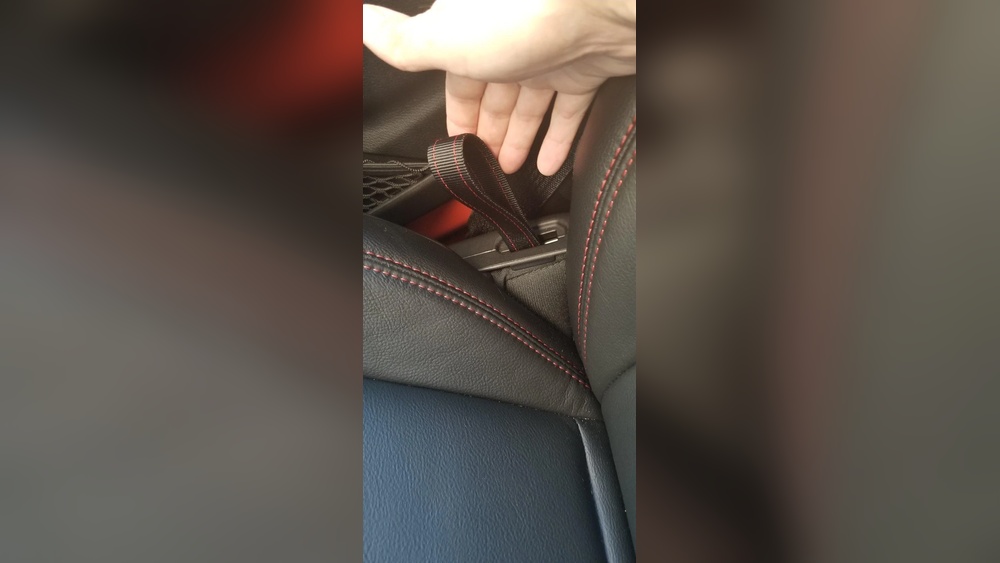
- Use the seatback release or tumble strap.
- Fold the seatback forward.
- Slide or tip the seat to create rear-seat access.
Use the specific owner’s manual for your Jeep if the control is difficult to identify. The 2007–2018 Wrangler JK and 2018-and-newer Wrangler JL can use different seat-release arrangements.
How to Adjust the Driver’s Seat in a Jeep Wrangler 2-Door
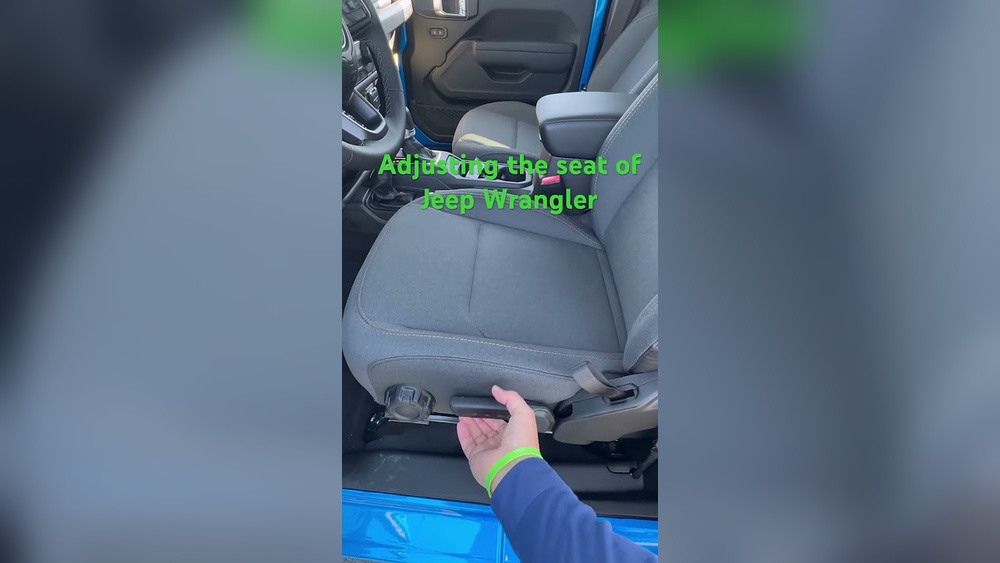
Adjust the driver’s seat before starting the engine whenever possible. The following sequence works for most U.S.-market Wrangler 2-door models with manual front seats.
1. Park the Jeep securely
Place the Jeep in Park for an automatic transmission or neutral with the parking brake applied for a manual transmission. Adjusting the seat while driving can distract you and may cause you to lose control.
2. Set the seat distance first
Sit fully back in the seat with your shoulders against the seatback.
Pull up the bar beneath the front of the seat and slide the seat forward or backward. Release the bar when your leg position feels correct.
A useful target is to keep a slight bend in your knee when the brake pedal is fully depressed. You should be able to press the clutch pedal completely in a manual-transmission Wrangler without stretching or lifting your hips from the cushion.
Do not move so close that your knees are tightly bent or your legs press against the underside of the steering wheel. Do not move so far away that you must reach for the pedals or lean forward to steer.
3. Adjust the seat height
If your Wrangler has a height-adjustable driver’s seat, raise or lower the cushion until you can see the road and instrument panel clearly without placing your head close to the roof.
The seat should provide firm support beneath your thighs without pressing sharply behind your knees. Drivers wearing different footwear may need to make a small height adjustment to preserve comfortable pedal control.
4. Set the seatback angle
Pull the recline lever and adjust the backrest so your torso remains upright but relaxed. A nearly vertical position generally provides better steering control than a deeply reclined position.
You should be able to place your wrists near the top of the steering wheel while keeping your shoulders against the seatback. This is only a positioning check, not a substitute for following the instructions in the Jeep owner’s manual.
Avoid driving with the seatback reclined excessively. A reclined posture can change how the seat belt fits and may place your body in a less favorable position during a crash.
5. Adjust the steering wheel
After setting the seat, adjust the Wrangler’s steering wheel for reach and height if your model is equipped with a tilt-and-telescoping steering column.
The steering wheel should allow you to see the gauges and maintain a comfortable bend in your elbows. Keep your chest a reasonable distance from the steering-wheel air bag, while still maintaining full control of the pedals and wheel.
6. Position the head restraint
Raise or lower the head restraint so the middle of it is approximately level with the back of your head. The head restraint should be close to the back of your head without forcing your neck forward.
Never remove or permanently reposition a head restraint to improve visibility or comfort. If the restraint does not adjust normally, have it inspected.
7. Fasten and check the seat belt
Sit upright and route the shoulder belt across the center of your chest and over your shoulder. The lap belt should lie low across your hips and pelvis, not across your stomach.
After fastening the belt, confirm that:
- You can fully depress the brake, clutch, and accelerator pedals.
- Your knees are not pressed tightly against the dashboard.
- You can see the instrument cluster and mirrors.
- The seat does not slide or rock.
- The seatback remains locked.
- The belt is not twisted.
How to Adjust the Passenger Seat
The front passenger seat uses the same basic adjustment principles, although its controls may differ from the driver’s seat.
Slide the seat forward or backward with the bar below the cushion. Adjust the backrest with the side lever, then set the height or lumbar support if equipped. The passenger should sit far enough from the dashboard to maintain a comfortable, upright position.
Do not place a rear-facing child restraint in the front passenger seat unless the vehicle and restraint instructions specifically permit it under the applicable conditions. The front passenger air bag system and child-restraint requirements are safety-critical. Follow the Wrangler owner’s manual and the child-restraint manufacturer’s instructions.
For children, use the appropriate restraint system for the child’s age, size, and weight. The rear seat is generally the preferred seating position for children when the restraint is installed according to the manufacturer’s instructions.
Adjusting the passenger seat for rear access
To let passengers enter the rear seat of a 2-door Wrangler:
- Move the front seat forward enough to create clearance.
- Use the seatback release or tumble control.
- Fold the seatback forward.
- Slide or tip the seat according to the mechanism in your Wrangler.
- Allow the rear passenger to enter without stepping on unsupported trim or control surfaces.
- Return the front seat to its normal position.
- Check that the seatback and seat track are locked.
Do not allow a passenger to sit in the rear seat while the front seat remains partially folded or unsecured.

How to Fold and Return the Rear Seat
The rear seat in a Jeep Wrangler 2-door is designed to fold for cargo loading and, depending on the model, tumble or tip forward to increase access or cargo space. The exact straps, levers, and release points vary between Wrangler generations.
To fold the rear seatback
A typical procedure is:
- Remove or reposition cargo that could interfere with the seat.
- Lower the rear head restraints if the owner’s manual permits and the design requires it.
- Use the seatback release strap or lever.
- Fold the seatback forward onto the seat cushion.
- Secure the seat or use the designated tumble strap if additional cargo access is needed.
Do not force the seatback if it will not release. A seat belt, cargo item, or incorrectly positioned head restraint may be blocking the mechanism.
To return the rear seat to the passenger position
- Remove cargo from the seat and floor area.
- Return the seat cushion or seat frame to its normal position.
- Raise the seatback until the latch engages.
- Pull gently on the seatback to confirm it is locked.
- Raise the head restraints when required.
- Check that rear seat belts are accessible and not trapped behind the seat.
- Confirm that the seat belt buckles are visible and usable.
A seatback that appears upright is not necessarily locked. Always test it with moderate pressure before carrying passengers.
Cargo-load limits and visibility
Folding the rear seat can create additional cargo space, but it can also change the position of luggage and obstruct the driver’s rearward view. Secure heavy objects so they cannot move during hard braking or an impact.
Do not stack cargo where it can interfere with the driver, cover exterior lamps, block the rearview mirror, or prevent the tailgate from closing securely.
.jpg "How to Fold and Return the Rear Seat")
Correct Seat Position for Comfort and Air-Bag Safety
The best position balances pedal control, steering control, visibility, seat-belt fit, and distance from the air-bag system.
Use these checks after making the basic adjustments:
| Check | Correct result |
|---|---|
| Pedal reach | You can fully press every required pedal without stretching |
| Knee position | Knees remain slightly bent rather than locked straight |
| Backrest | Your shoulders stay against the seatback while steering |
| Steering wheel | You can steer without leaning forward or gripping at full arm extension |
| Head restraint | The restraint supports the back of your head |
| Seat track | The seat does not slide, rock, or move unexpectedly |
| Seat belt | The shoulder belt crosses the chest and the lap belt sits low on the hips |
| Visibility | You can see the road, mirrors, and instrument panel clearly |
Do not place objects between your body and the seat belt. Avoid thick cushions or aftermarket seat covers that interfere with the belt, side air bags, occupancy sensors, or seat-mounted wiring.
If the air-bag warning light remains illuminated, or if the passenger air-bag indicator behaves unexpectedly, arrange for diagnosis by a qualified Jeep technician. Do not attempt to disconnect seat wiring or air-bag components as a seat-adjustment fix.
Troubleshooting Jeep Wrangler Seat Adjustment Problems
Most seat-adjustment problems can be narrowed down by identifying whether the problem involves movement, locking, access, or electrical operation.
The seat will not move forward or backward
Possible causes include:
- The adjustment bar is not being lifted far enough.
- Cargo or floor debris is blocking the seat track.
- The seat is loaded unevenly.
- The track or release mechanism is damaged.
- A floor mat is interfering with movement.
Park the Jeep, remove objects around the track, and try again without excessive force. If the bar moves but the seat remains stuck, or if the seat shifts unevenly, have the track inspected.
The seat slides while driving
Stop using the seat until the issue is corrected. A seat that slides may have an incomplete latch, worn track component, damaged release mechanism, or obstruction in the locking teeth.
Do not rely on tightening a visible bolt unless the repair procedure specifically calls for it. Seat mounting hardware and restraint systems are safety-related components.
The seatback will not lock
Check whether the release lever has returned fully to its normal position and whether the seatback is aligned with the latch. For folding rear seats, verify that the seat belt or cargo is not caught in the latch area.
If the seatback still moves after the release lever is released, do not carry a passenger in that seat until it is repaired.
The front seat will not tumble for rear access
Confirm that the front seat is in the required starting position. Some Wrangler designs require the seat to be moved forward before the tumble release operates. Check for objects under the cushion or behind the seatback.
If the mechanism remains stuck, avoid pulling hard on straps or levers. The release cable, latch, or hinge may need service.
A power seat or lumbar control does not work
If your Wrangler has an electric adjustment:
- Turn the ignition to the appropriate position if required.
- Check whether other electrical functions are operating.
- Inspect the relevant fuse only according to the owner’s manual.
- Look for objects blocking the seat movement.
- Do not probe yellow air-bag connectors or disconnect under-seat wiring.
A qualified technician should diagnose faults involving seat wiring, air-bag connectors, occupancy sensors, or powered seat modules.
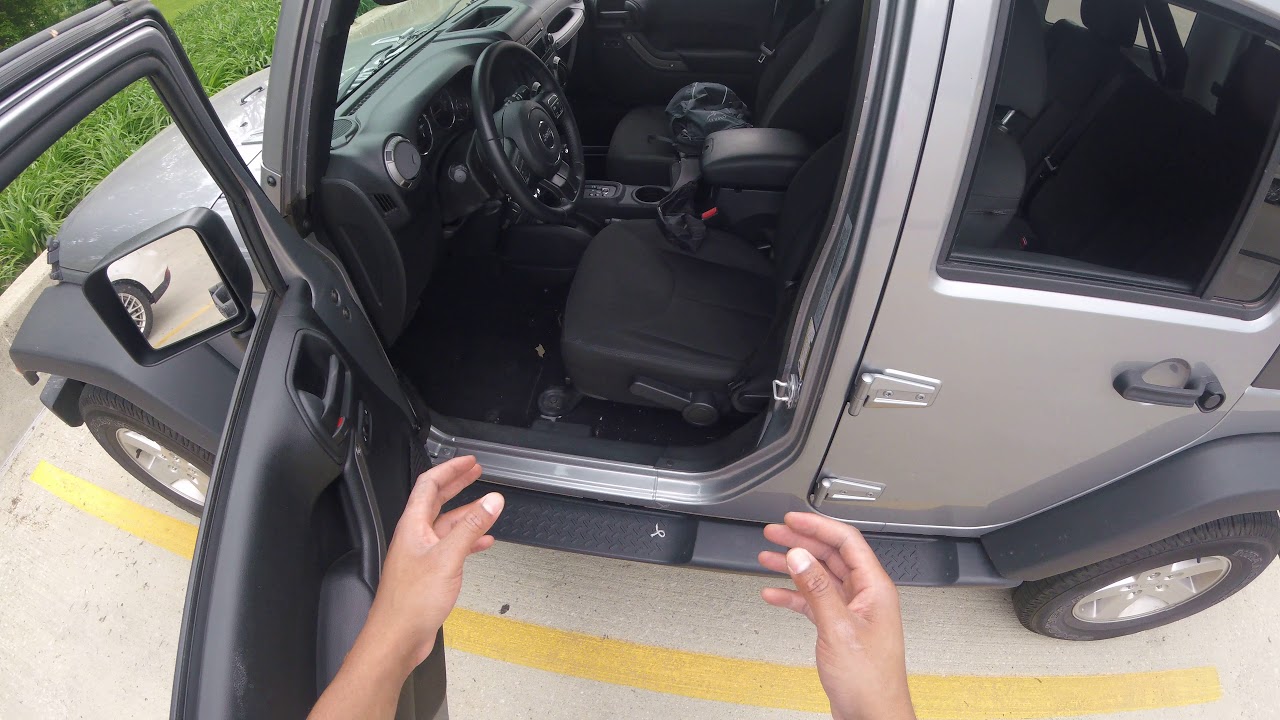
Wrangler Seat Adjustment by Model Generation
The broad adjustment method is similar, but the detailed procedure may differ.
| Wrangler generation | Approximate U.S. model years | Important variation |
|---|---|---|
| YJ | 1987–1995 | Older manual seat and folding-seat designs |
| TJ | 1997–2006 | Front-seat slide, recline, and rear-access mechanisms vary by trim |
| JK | 2007–2018 | Front-seat tumble and rear-seat folding controls differ from JL models |
| JL | 2018–present model line | Updated seat, release, and restraint designs; check the exact year and trim |
The 2018 model year includes both late JK and JL-related production distinctions, so the vehicle identification label and owner’s manual are more reliable than the calendar year alone.
For the exact instructions, use the official Jeep owner’s manual for your Wrangler’s year and vehicle identification number. The manual is especially important when adjusting or removing rear seats, installing child restraints, diagnosing air-bag lights, or servicing seat-mounted electrical components.
Common Mistakes to Avoid
Avoid these errors when adjusting a Jeep Wrangler 2-door seat:
- Moving the seat while driving: Stop first and apply the parking brake.
- Using the recline lever to move the entire seat: Use the bar beneath the cushion for fore-and-aft movement.
- Driving before checking the latch: Rock the seat and push the seatback lightly to verify that both are locked.
- Reclining too far: Keep your upper body supported and preserve proper belt contact.
- Placing cargo beneath the seat: Items can interfere with the track or locking mechanism.
- Ignoring an air-bag warning light: The issue may involve a seat sensor or restraint-system component.
- Forcing a stuck release strap: Excessive force can damage the latch or cable.
- Leaving the rear seat partially folded: Return it fully to the locked passenger or cargo position.
- Installing accessories without checking air-bag compatibility: Seat covers and cushions can affect sensors or side-air-bag deployment.
Frequently Asked Questions
How far should I sit from the steering wheel in a Jeep Wrangler?
Sit as far from the steering wheel as practical while still maintaining full control of the pedals and steering. Keep your shoulders against the seatback, your arms slightly bent, and your knees slightly bent when operating the pedals. Follow the distance and positioning guidance in your specific Wrangler owner’s manual.
Why does my Jeep Wrangler seat keep moving?
A sliding seat may not be fully engaged in the track, or the track may contain debris or have a damaged latch. Stop driving if the seat moves unexpectedly. Inspect for simple obstructions, but have persistent movement professionally repaired.
Can I adjust the Jeep Wrangler seat while driving?
You should adjust the seat while the Jeep is parked. Seat adjustment can distract you and may temporarily reduce your ability to control the pedals or steering wheel.
How do I make the front seat fold forward in a 2-door Wrangler?
Move the front seat forward if required, then use the seatback release or tumble control located on the seat side or rear area. The exact sequence depends on the Wrangler generation and trim. After rear passengers enter, return the seat to its normal position and verify that it locks.
Why will the rear seat not stay upright?
The seat may not be fully aligned with its latch, or a belt, strap, head restraint, or cargo item may be interfering. Remove the obstruction and raise the seatback until it locks. If it still will not latch, do not use the seat for passengers until it has been inspected.
Key Takeaways
- Use the bar beneath the front seat to adjust forward and backward position.
- Use the side lever to change the seatback angle.
- Set the seat before driving and confirm that it locks.
- Keep a slight bend in your knees and maintain full pedal control.
- Position the head restraint and seat belt correctly.
- Use the correct tumble or fold mechanism for rear-seat access.
- Do not drive with a loose seat, unsecured seatback, or active air-bag warning light.
- Consult the owner’s manual for the exact Wrangler year and trim.
Conclusion
Adjusting a Jeep Wrangler 2-door seat requires three basic steps: set the seat distance, set the backrest angle, and confirm that the seat and seatback are locked. Then adjust the steering wheel, head restraint, and seat belt so you can operate the vehicle comfortably and maintain proper restraint positioning.
Because Wrangler seat mechanisms vary between YJ, TJ, JK, and JL generations, use the official owner’s manual whenever the normal controls are unclear or a seat will not lock, slide, fold, or tumble correctly.