How Much Is A New Jeep Liberty 2: 2026 Price Guide
 Reading Time: 10 minutes
 Introduction
There is no new Jeep Liberty 2 currently sold in the United States. Jeep discontinued the Liberty after the 2012 model year, and the nameplate has not returned as a new vehicle in the U.S. market.
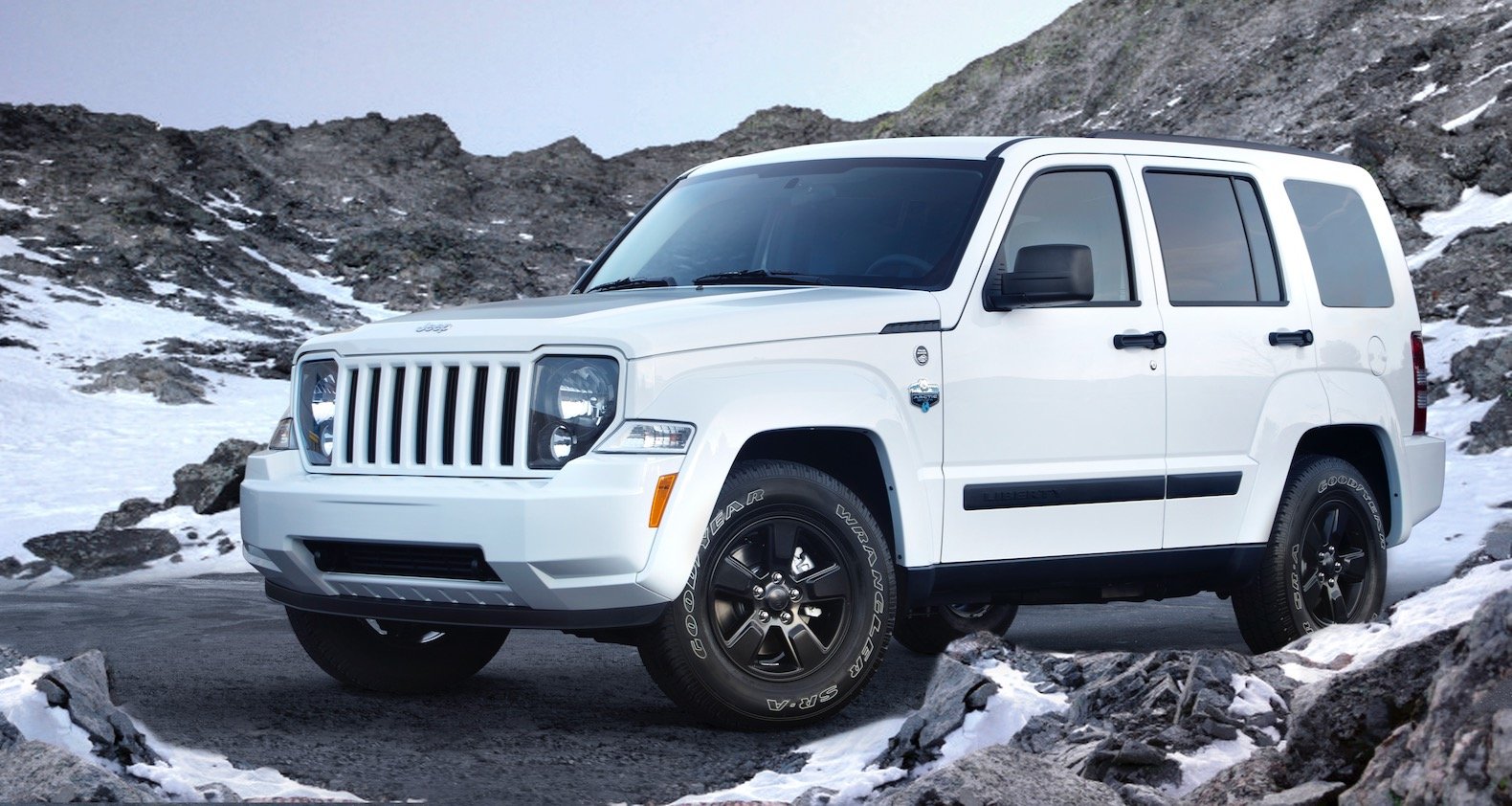
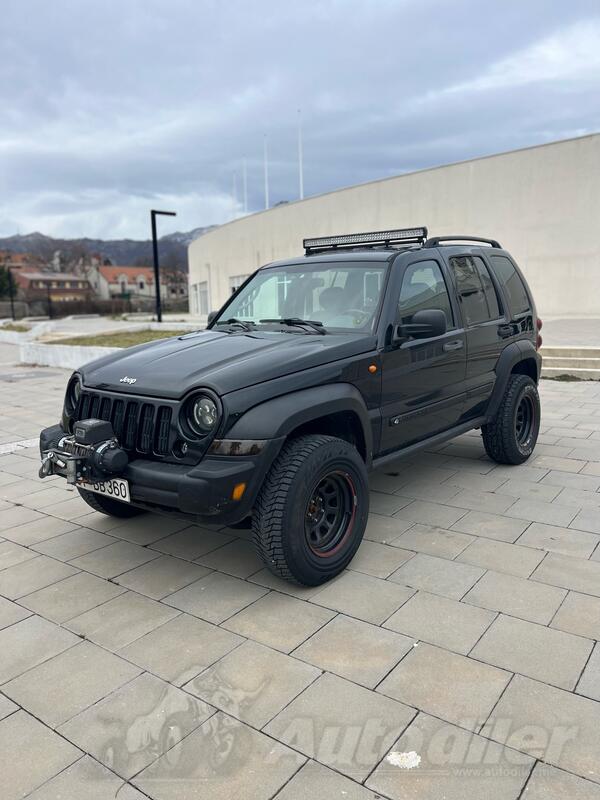
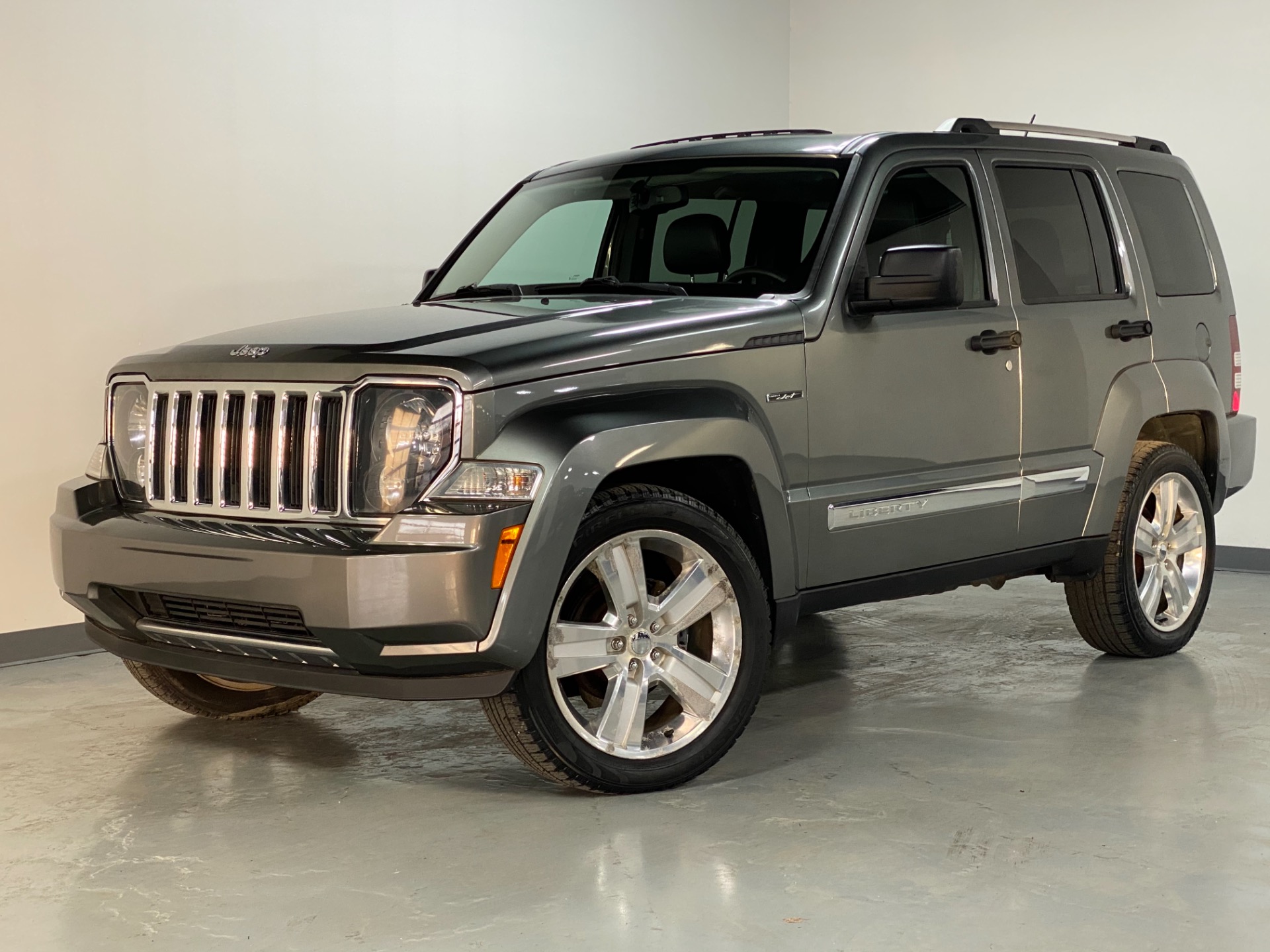
If “Jeep Liberty 2” refers to the second-generation Jeep Liberty, that model was produced from 2008 through 2012. Its final U.S. manufacturer’s suggested retail price, or MSRP, started at approximately $23,395 before destination charges for a 2012 two-wheel-drive Sport and reached about $30,795 before destination charges for a 2012 four-wheel-drive Limited.
Today, a Jeep Liberty is available only as a used vehicle. Actual prices depend on model year, mileage, condition, drivetrain, maintenance history, location, and title status.
Is There a New Jeep Liberty 2 in the United States?
No. Jeep does not currently manufacture or sell a new Liberty in the United States.
The original Jeep Liberty was sold in the U.S. from 2002 through 2012. The second generation, commonly called the KK-generation Liberty, covered the 2008–2012 model years. Jeep replaced the Liberty with the Jeep Cherokee, beginning with the 2014 model year after skipping the 2013 model year for the Liberty nameplate.
This distinction matters because online listings may use phrases such as:
- “New Jeep Liberty”
- “Jeep Liberty 2”
- “Jeep Liberty II”
- “2013 Jeep Liberty”
- “Brand-new Liberty”
Those descriptions may refer to an older vehicle being advertised as new to that seller, a used vehicle with very low mileage, an overseas listing, or an incorrect listing title. A vehicle cannot be a current new U.S.-market model simply because it has never been registered.
What does “Jeep Liberty 2” mean?
“Jeep Liberty 2” is not an official current U.S. model name. It may mean one of three things:
- Second-generation Jeep Liberty: Usually the 2008–2012 Liberty.
- A Liberty with a 2.0-, 2.4-, or 2.8-liter engine: The wording may refer to engine size, although U.S. second-generation models generally used a 3.7-liter V6.
- A typo for another Jeep model or model year: Some searches use “2” when they mean “II,” “2022,” or “2024.”
For a U.S. buyer, the most accurate interpretation is usually the second-generation Liberty, sold from 2008 to 2012.
What Was the Last New Jeep Liberty Price?
The final new Jeep Liberty was the 2012 model. Based on published U.S. MSRP figures for that model year, the approximate starting prices were:
| 2012 Jeep Liberty trim | Drive system | Approximate MSRP before destination charge |
|---|---|---|
| Sport | 2WD | $23,395 |
| Sport | 4WD | $25,195 |
| Latitude | 2WD | $25,995 |
| Latitude | 4WD | $27,795 |
| Limited | 2WD | $28,995 |
| Limited | 4WD | $30,795 |
These figures represent the vehicle’s original suggested retail pricing, not what a buyer should expect to pay today. Destination charges, taxes, registration, dealer-installed accessories, financing costs, and optional equipment were additional.
The exact original price could vary depending on:
- Factory options
- Navigation or entertainment equipment
- Roof systems
- Dealer-installed accessories
- Regional pricing
- Destination and handling fees
- Incentives or rebates
- Whether the vehicle was sold at a discount
A 2012 Liberty advertised today for more than its original MSRP would not necessarily be a good deal. Used-car value depends on current condition and market demand, not simply on the vehicle’s original window sticker.
How Much Does a Used Jeep Liberty Cost Today?
A used Jeep Liberty generally costs far less than its original MSRP, but there is no single national price. Because the newest Liberty is now more than a decade old, condition and maintenance history can influence value more than the trim level.
Typical asking-price ranges may look like this:
| Vehicle condition | Possible U.S. asking-price range |
|---|---|
| High-mileage, heavily worn, or repair-needing example | $2,000–$5,000 |
| Average 2008–2012 example | $5,000–$10,000 |
| Lower-mileage, clean, well-maintained example | $9,000–$15,000 or more |
| Exceptionally preserved or unusually low-mileage example | Potentially higher, depending on local demand |
These are broad market estimates rather than a guaranteed valuation. Prices change by region and over time. A Liberty in a rust-prone area may cost less than a similar vehicle in another market, but corrosion can make it substantially more expensive to own.
To estimate a specific vehicle’s value, compare at least three to five similar listings using:
- Exact model year
- Sport, Latitude, or Limited trim
- Two-wheel drive or four-wheel drive
- Mileage
- Accident and title history
- Number of owners
- Service records
- Rust and body condition
- Local market
An asking price is not the same as a completed-sale price. Private-party listings may be cheaper than dealer listings, while dealer prices may include reconditioning, limited warranties, documentation fees, or other charges.

Is a 2012 Jeep Liberty Worth Buying?
A 2012 Jeep Liberty can make sense for a buyer who wants an inexpensive, traditional SUV with four-wheel-drive availability, but it should be evaluated as an older used vehicle—not as a modern replacement for a new Jeep SUV.
Potential advantages
The Liberty offers several features that may appeal to used-SUV shoppers:
- Available four-wheel drive
- Traditional SUV seating and cargo layout
- Relatively simple controls compared with newer vehicles
- V6 power
- Higher seating position than a sedan
- Used prices that may be lower than many newer compact SUVs
Important disadvantages
Its age creates several ownership concerns:
- Lower fuel economy than newer compact SUVs
- Older safety technology
- Possible suspension, steering, electrical, and drivetrain repairs
- Rust-related problems in salt-belt states
- Fewer examples with complete maintenance records
- Higher age-related repair risk
- Potentially lower resale demand than newer Jeep models
The 2012 Liberty used a 3.7-liter V6 and was not designed to match the fuel economy, driver-assistance technology, cabin refinement, or crash-avoidance equipment found in current U.S. SUVs.
The right purchase decision depends less on whether the Liberty is inexpensive and more on whether the specific example has been maintained properly.
What Should You Check Before Buying a Used Jeep Liberty?
A professional pre-purchase inspection is strongly recommended, especially for a vehicle that is more than 10 years old. The inspection should occur before signing the final purchase documents.
1. Check the title and vehicle history
Obtain the vehicle identification number, or VIN, and review a history report. Look for:
- Salvage, rebuilt, flood, or lemon-law branding
- Reported crashes
- Odometer inconsistencies
- Rental or fleet use
- Multiple ownership transfers
- Gaps in registration history
A clean history report does not prove that the vehicle has never been damaged. It only reflects information reported to the database.
2. Inspect the underside for rust
Rust is one of the most important concerns on an older Liberty. Examine:
- Frame and unibody structural areas
- Suspension mounting points
- Brake and fuel lines
- Rocker panels
- Subframes and crossmembers
- Exhaust components
- Door bottoms and liftgate areas
Surface rust is not automatically a reason to reject a vehicle, but structural corrosion can make the SUV unsafe or uneconomical to repair. Have a qualified technician assess severe corrosion.
3. Test the four-wheel-drive system
If the Liberty has four-wheel drive, confirm that the system engages and disengages correctly according to the owner’s manual. Watch for:
- Warning lights
- Grinding or clunking
- Difficulty shifting into four-wheel drive
- Binding during turns
- Unusual vibration
- Leaking transfer-case or differential fluid
Do not test four-wheel drive on dry pavement if the system or owner’s manual prohibits that operation. A mechanic familiar with Jeep drivetrains can inspect the transfer case, differentials, driveshafts, and related components.
4. Evaluate the engine and transmission
During a cold start, check for:
- Excessive tapping or knocking
- Blue or white exhaust smoke
- Rough idle
- Delayed starting
- Warning lights
- Fluid leaks
- Overheating
During the road test, pay attention to:
- Harsh or delayed gear changes
- Transmission slipping
- Engine hesitation
- Vibration under acceleration
- Poor braking
- Steering looseness
- Suspension noise
A seller who starts the vehicle before you arrive may be trying to hide a cold-start problem. Ask to inspect and start the vehicle when the engine is cold.
5. Verify maintenance records
Useful records may include evidence of:
- Oil and filter changes
- Cooling-system service
- Brake replacement
- Tire replacement
- Battery replacement
- Transmission service
- Suspension repairs
- Four-wheel-drive service
- Recall completion
Because maintenance schedules and recommended fluids depend on the exact vehicle configuration, confirm details in the official owner’s manual rather than relying only on a generic online checklist.
What Are the Main Ownership Costs?
The purchase price is only one part of the cost of an older Jeep Liberty. A lower sale price may be offset by repairs, fuel, insurance, and registration.
Fuel
The Liberty’s V6 engine and boxy SUV design generally result in higher fuel consumption than many newer compact crossovers. Your actual fuel cost depends on:
- Annual mileage
- Local gasoline prices
- Two-wheel drive or four-wheel drive
- Tire condition
- Driving style
- Vehicle maintenance
A simple estimate is:
Annual fuel cost = annual miles ÷ actual miles per gallon × local price per gallon
For example, if a driver travels 12,000 miles per year, the Liberty averages 18 mpg, and gasoline costs $3.50 per gallon:
12,000 ÷ 18 × $3.50 = approximately $2,333 per year
This is a hypothetical calculation, not a guaranteed Liberty fuel-cost figure.
Repairs and maintenance
A 2008–2012 Liberty may need age-related work even when its mileage is moderate. Potential expenses include:
- Tires
- Brakes
- Shocks and struts
- Battery and charging-system repairs
- Cooling-system components
- Suspension bushings
- Wheel bearings
- Exhaust components
- Sensors and electrical parts
- Drivetrain or four-wheel-drive repairs
A buyer should keep an emergency repair reserve rather than spending the entire budget on the vehicle itself.
Insurance and registration
Insurance costs vary by state, driver, coverage level, age, and vehicle use. Registration costs also vary by state and county. Obtain insurance quotes using the exact VIN before buying.
Financing
Older vehicles may receive shorter loan terms or higher interest rates. Compare the total amount financed—not just the monthly payment. A cheap older SUV financed over a long period can become expensive if repairs are added to the loan.
How Does the Jeep Liberty Compare With Current Jeep SUVs?
The Jeep Liberty is not a direct new-vehicle alternative today. Jeep’s current U.S. lineup includes newer models such as the Compass, Cherokee where available by model year and market status, Wrangler, and Grand Cherokee, depending on the current product lineup.
A modern Jeep generally provides newer:
- Crash-protection systems
- Infotainment technology
- Fuel-saving systems
- Emissions equipment
- Cabin materials
- Warranty coverage
- Driver-assistance features
However, a new Jeep also costs substantially more than a used Liberty. The comparison should therefore be based on budget and use case:
| Buyer priority | More suitable direction |
|---|---|
| Lowest possible purchase price | Used Liberty, after inspection |
| New-vehicle warranty | Current Jeep or another new SUV |
| Better fuel economy | Newer compact crossover |
| Traditional four-wheel-drive capability | Liberty, Wrangler, or another vehicle evaluated for the intended terrain |
| Lower repair uncertainty | New vehicle or certified used vehicle |
| Basic transportation under a limited budget | Carefully inspected used vehicle |
A Liberty may be affordable to purchase but not necessarily the least expensive vehicle to own. A newer front-wheel-drive crossover could cost more initially while reducing fuel and repair expenses.

Are There Any Brand-New, Unregistered Jeep Libertys for Sale?
A genuinely unregistered Liberty could theoretically exist as old dealer inventory, a private collection vehicle, or a vehicle imported from another market. However, finding one in the United States would be unusual.
Before treating such a listing as a “new Jeep Liberty,” verify:
- The VIN
- The title status
- The date of manufacture
- Whether it was ever titled or registered
- Whether it has a U.S. safety certification label
- Whether parts and warranty support are available
- Whether it can legally be registered in your state
- Whether the seller is using “new” to mean only “new to the seller”
An unregistered older vehicle may still have aged rubber components, fluids, seals, tires, and batteries. Low mileage or no registration does not eliminate age-related deterioration.
If the vehicle was imported, confirm compliance with U.S. Department of Transportation and Environmental Protection Agency requirements before sending money or signing a contract.
Common Mistakes When Searching for a “New Jeep Liberty 2”
Mistake 1: Assuming “new” means current model year
A listing may use “new” as a sales term even when the vehicle is an older used model. Verify the model year and title status.
Mistake 2: Confusing the Liberty with the Jeep Cherokee
The Liberty and Cherokee are different nameplates. The Liberty ended after 2012, while the Cherokee replaced it in the U.S. lineup beginning with the 2014 model year.
Mistake 3: Comparing a used Liberty with a new SUV only by sticker price
Purchase price does not include fuel, repairs, taxes, insurance, financing, and registration. Calculate the expected ownership cost.
Mistake 4: Ignoring corrosion
A clean interior and attractive paint can conceal serious underside rust. An inspection on a lift is more useful than a quick driveway walk-around.
Mistake 5: Buying based only on mileage
Low mileage is helpful but does not guarantee reliability. A well-maintained higher-mileage vehicle may be preferable to a neglected low-mileage example.
Mistake 6: Skipping a recall check
Use the vehicle’s VIN to check open recalls through the official NHTSA recall lookup tool. A recall search does not replace a mechanical inspection.

Frequently Asked Questions
Is the Jeep Liberty still being made?
No. Jeep discontinued the Liberty after the 2012 model year in the United States.
How much did a 2012 Jeep Liberty cost when new?
The approximate 2012 U.S. MSRP ranged from $23,395 for a two-wheel-drive Sport to $30,795 for a four-wheel-drive Limited, before destination charges and options.
How much is a used Jeep Liberty worth?
Many used examples are advertised for roughly $2,000 to $15,000, depending on mileage, condition, trim, location, and history. Exceptional low-mileage vehicles may be priced higher, while vehicles needing major repairs may sell for less.
Is the Jeep Liberty 2 a seven-seat SUV?
No. The second-generation Jeep Liberty is a compact SUV with two rows of seating. It is not a seven-passenger vehicle.
Does the Jeep Liberty have four-wheel drive?
Some Libertys have four-wheel drive, while others are two-wheel drive. Confirm the drivetrain using the VIN, vehicle equipment label, transfer-case controls, and a physical inspection.
Should I buy a Jeep Liberty with a salvage title?
Only after a qualified inspection and a clear understanding of the legal, insurance, financing, and resale limitations. A salvage or rebuilt title can conceal serious prior damage and may make insurance difficult or expensive.
Bottom Line: What Is the Price of a New Jeep Liberty 2?
There is no new Jeep Liberty 2 for sale as a current U.S. model. The second-generation Liberty refers primarily to the 2008–2012 vehicles, with the last new 2012 models priced at approximately $23,395 to $30,795 before destination charges, depending on trim and drivetrain.
For today’s buyer, the relevant question is the price and condition of a used Jeep Liberty. Expect broad advertised prices from approximately $2,000 to $15,000, but treat those figures as starting points rather than fixed values.
Before buying, verify the VIN, inspect the underside for rust, test the drivetrain, check recall status, review maintenance records, and obtain an independent pre-purchase inspection. A low purchase price is worthwhile only if the vehicle’s condition supports safe and affordable ownership.
Sources for verification
- NHTSA Vehicle Safety Recalls
- FTC Used Car Buyer’s Guide
- Jeep official website
- Kelley Blue Book vehicle valuation resources
- Edmunds vehicle pricing and appraisal resources