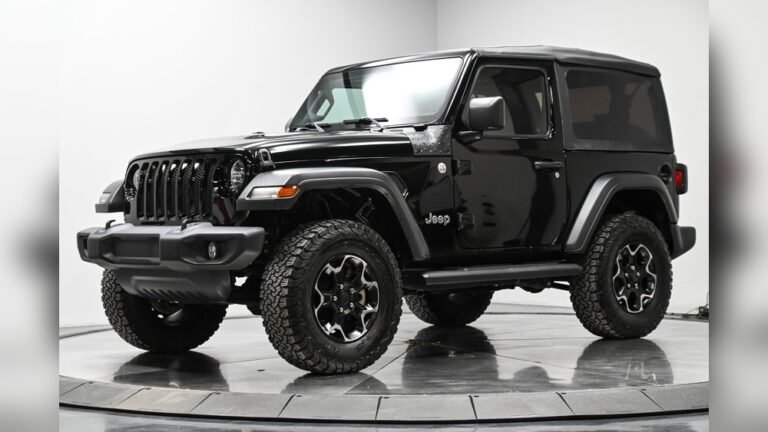
How Many Miles are Jeep Wranglers Good for? Longevity Revealed
 Reading Time: 7 minutes
 How Many Miles Are Jeep Wranglers Good For
Few vehicles have the reputation of the Jeep Wrangler. Known for its rugged build, off-road skills, and unique look, the Wrangler is loved by many. But one big question always comes up: How many miles can a Jeep Wrangler last? If you are thinking about buying a Wrangler, or you already have one, you probably want a clear answer. The truth is, mileage depends on many factors. This article will give you a practical, beginner-friendly guide to understanding Wrangler longevity, what affects it, and how you can make your Jeep last as long as possible.
Typical Lifespan Of A Jeep Wrangler
Most Jeep Wranglers are famous for their long lives. With good care, these vehicles often reach 200,000 miles or more. In some cases, owners report passing 300,000 miles. But not every Wrangler will get there. The main reasons for the wide range are:
- Maintenance habits
- Driving style
- Climate and road conditions
- Model year and engine type
Let’s break down the typical numbers you can expect:
| Mileage Range | Condition | Notes |
|---|---|---|
| 0–100,000 miles | Like New to Good | Most Wranglers run strong with basic care |
| 100,000–200,000 miles | Good to Average | Some repairs needed, but still reliable |
| 200,000+ miles | High Mileage | Regular repairs likely, but many keep running |
Many Jeep Wranglers pass 150,000 miles with only routine service. Reaching 250,000 or more is possible if you keep up with maintenance and avoid harsh driving.
Factors That Affect Wrangler Longevity
Maintenance
Regular maintenance is the top reason some Wranglers last longer than others. Basic steps include:
- Changing oil every 5,000–7,500 miles
- Replacing filters (air, oil, fuel) on schedule
- Checking fluids (coolant, brake, transmission)
- Rotating tires and aligning wheels
Wranglers that miss these basics often suffer from engine or transmission problems before 150,000 miles.
Driving Habits
Your style of driving makes a big difference:
- Gentle driving (slow acceleration, smooth stops) puts less stress on parts.
- Harsh driving (fast starts, heavy towing, constant off-roading) wears out parts quickly.
Many owners who keep their Wranglers mostly on the road see higher mileages than those who do heavy off-roading every weekend.
Climate And Location
Weather and road conditions matter more than most people think:
- Rust is a big risk if you live where roads are salted for snow.
- Extreme heat can make engines work harder, especially if cooling systems are not maintained.
- Humidity speeds up rust on the underbody and frame.
Buying a used Wrangler from a dry, warm climate can often mean less hidden rust and longer life.
Model Year And Engine
Older Wranglers, such as the TJ (1997–2006) and JK (2007–2018) models, are known for their simple, tough engines. The newer JL (2018–present) models have more electronics, which can be a plus or minus. Some engines are famous for lasting longer. For example:
- 4.0L Inline-6 (1991–2006): Known for going 250,000+ miles.
- 3.6L Pentastar V6 (2012–present): Many reach 200,000+ miles with few issues.

Credit: www.reddit.com
Common Parts That Need Replacement
Even the toughest Wrangler will need parts replaced over time. Here’s what most owners expect:
- Brakes: Pads and rotors may last 40,000–70,000 miles.
- Clutch (manual): Often lasts 100,000+ miles.
- Suspension parts: Ball joints, bushings, and shocks can wear out after 80,000–120,000 miles, especially with off-road use.
- Radiators and water pumps: Often need replacement by 120,000–150,000 miles.
Knowing these average lifespans can help you plan for repairs and avoid surprises.
Real-world Examples
Thousands of Jeep Wrangler owners have shared their experiences online. Here are some real-life stories:
- A 2003 Jeep Wrangler TJ with 340,000 miles still runs daily, with only basic engine rebuilds and a new clutch.
- A 2014 Wrangler JK with 210,000 miles needed a new radiator, but the original engine and transmission are still strong.
- A 2018 JL model already at 120,000 miles is problem-free, thanks to consistent oil changes.
These examples show that high mileage is possible, but repairs and part replacements are expected.
Wranglers Vs Other Suvs
How does a Wrangler compare to other SUVs for total miles? Here’s a comparison:
| Vehicle Model | Typical Lifespan (Miles) | Notes |
|---|---|---|
| Jeep Wrangler | 200,000–250,000+ | Strong with good care |
| Toyota 4Runner | 250,000–300,000+ | Very reliable, more expensive to repair |
| Ford Bronco | 150,000–200,000 | Newer models still being tested |
| Land Rover Defender | 120,000–180,000 | Prone to more repairs |
Wranglers are not always the cheapest to maintain, but their engines and frames are built to last if you take care of them.
What Mileage Is Too High For A Used Wrangler?
If you are shopping for a used Wrangler, you might worry about buying one with high miles. Here are smart guidelines:
- Under 100,000 miles: Usually a safe bet if maintenance records are good.
- 100,000–150,000 miles: Fine if service history is solid and price is right.
- 150,000–200,000 miles: Check carefully for rust, leaks, and worn parts. Plan for repairs.
- Over 200,000 miles: Only buy if it’s very cheap and you’re ready for possible major repairs.
A Wrangler with 180,000 miles and full service records can be a better buy than one with 90,000 miles but poor maintenance.
Tips To Make Your Wrangler Last Longer
You can control many factors that affect your Wrangler’s lifespan. Here are some proven ways to add years and miles:
- Follow the maintenance schedule in your owner’s manual.
- Wash the underbody often, especially after driving on salted roads.
- Check and replace fluids before they get dirty or low.
- Use quality parts for repairs—cheap parts can fail early.
- Drive gently—avoid fast starts, hard stops, and high-speed off-roading.
- Listen for odd noises—fix small problems before they grow.
- Protect from rust—consider rust-proofing sprays if you live in a snowy area.
A non-obvious tip: Change your differential and transfer case fluids every 30,000–50,000 miles if you off-road. Many owners skip these, but it prevents costly repairs.
Warning Signs Of A Wrangler Near End Of Life
All vehicles show signs when they are near the end of their useful life. For Wranglers, watch for:
- Major frame rust—this is often the final stage
- Severe oil leaks or burning oil
- Transmission slipping or grinding
- Constant overheating, even after repairs
- Frequent electrical problems in newer models
If you see several of these at once, it may be time to move on or prepare for expensive repairs.
What Beginners Often Miss About Wrangler Longevity
New Jeep owners sometimes believe the legend that Wranglers are “indestructible.” While tough, they are not magic. Common beginner mistakes:
- Skipping regular oil changes, thinking it’s “just a Jeep”
- Ignoring small leaks or noises until they become big, expensive problems
- Not checking for rust under carpets, seats, and the frame
- Forgetting about fluids in axles, differentials, and transfer cases
Another insight: Aftermarket modifications (like bigger tires or lift kits) can reduce lifespan if not installed and maintained properly. Always have upgrades checked by a pro.
Cost Of Keeping A High-mileage Wrangler
Keeping an older Wrangler on the road can be cost-effective, but only if you plan for repairs. Here are typical costs:
- Routine service: $300–$600 per year
- Major repairs (clutch, radiator, suspension): $1,000–$3,000 over 10 years
- Unexpected repairs: Budget $500–$1,500 a year for higher-mileage vehicles
Wranglers are not the cheapest SUVs to own, but many fans say the fun and capability are worth the investment.

Credit: www.simivalleychryslerdodgejeepram.com
Should You Buy A High-mileage Wrangler?
Buying a Wrangler with 150,000+ miles is not for everyone. Consider these points:
- Do you enjoy working on cars or have a trusted mechanic?
- Are you okay with regular repairs?
- Is the price much lower than a low-mileage model?
If you answer yes, a high-mileage Wrangler can be a good deal. If you want a worry-free ride, stick to lower miles.
For more details on the history and reliability of Jeep Wranglers, check out the Jeep Wrangler Wikipedia page.
Frequently Asked Questions
How Many Miles Can A Jeep Wrangler Last With Regular Maintenance?
With regular maintenance, most Jeep Wranglers last between 200,000 and 250,000 miles. Some reach over 300,000 miles with careful driving and timely repairs.
What Is Considered High Mileage For A Jeep Wrangler?
Generally, a Wrangler with over 150,000 miles is considered high mileage. But condition and maintenance matter more than just the number on the odometer.
Are Jeep Wranglers Reliable After 100,000 Miles?
Yes, if they have been well maintained. Many Wranglers stay reliable after 100,000 miles, but you should expect to replace some parts like the radiator, suspension, or clutch.
What Is The Most Reliable Wrangler Engine?
The 4.0L Inline-6 (used from 1991 to 2006) is famous for reliability and can go over 250,000 miles. The 3.6L Pentastar V6 is also well regarded in newer models.
How Does Off-roading Affect Wrangler Lifespan?
Heavy off-roading puts extra stress on the engine, suspension, and frame. Wranglers used mostly off-road may need more repairs and might not last as many total miles as ones used mostly on-road.
A well-maintained Jeep Wrangler can be a long-term companion. Take care of it, and you may find yourself driving the same vehicle for decades. For many, that’s part of the Wrangler’s special charm.

Credit: www.reddit.com