Compare Toyota 4Runner And Jeep Grand Cherokee: Ultimate SUV Showdown
 Reading Time: 7 minutes
 Comparing the Toyota 4Runner and the Jeep Grand Cherokee is a common task for SUV buyers in the US. Both are popular, midsize SUVs with long histories. Each has a strong reputation, but they suit different needs. If you’re new to these models, it’s easy to get confused by the options, trims, and features. This guide makes things simple. You’ll see clear differences, important details, and tips to help you choose the right SUV for your lifestyle.
Brand Reputation And Reliability
Toyota and Jeep are well-known names in the automotive world.
- Toyota has a reputation for building reliable, long-lasting vehicles. Many Toyota SUVs, including the 4Runner, often reach 200,000 miles or more with good maintenance.
- Jeep is famous for off-road capability and adventure. The Grand Cherokee carries this legacy but has mixed reviews for long-term reliability.
Why does this matter? If you plan to keep your SUV for 8–10 years or more, Toyota 4Runner is often seen as a safer bet for reliability. However, the Jeep Grand Cherokee offers more advanced features and comfort, especially in newer models.
Exterior Design And Size
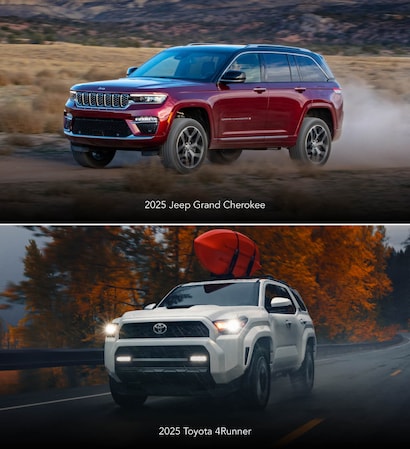
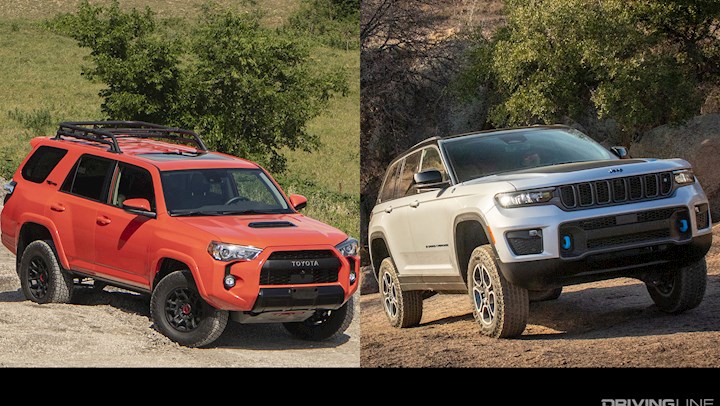
When you see these SUVs side by side, the difference is clear.
- The Toyota 4Runner looks rugged and boxy. It has a classic SUV shape, high ground clearance, and a tough front grill.
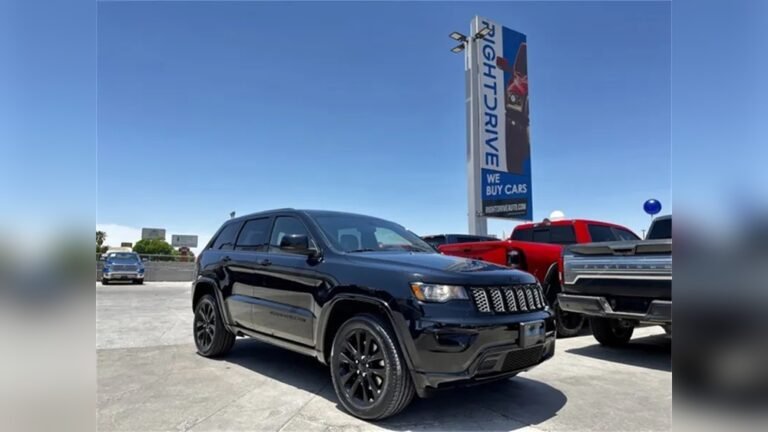
- The Jeep Grand Cherokee appears more modern and sleek. It has smoother lines, bold headlights, and a sporty stance.
Size Comparison
Here’s a quick look at their size, based on 2024 models:
| Model | Length (inches) | Width (inches) | Height (inches) |
|---|---|---|---|
| Toyota 4Runner | 190.2 | 75.8 | 71.5 |
| Jeep Grand Cherokee | 193.5 | 77.5 | 70.8 |
Key insight: The Grand Cherokee is a bit longer and wider, which helps with interior space but may make parking in tight spots harder.
Engine And Performance
The engine is the heart of any SUV. Here’s what you’ll find:
- Toyota 4Runner uses a 4.0-liter V6 engine with 270 horsepower. It comes with a 5-speed automatic transmission.
- Jeep Grand Cherokee offers more choices:
- 3.6-liter V6 with 293 horsepower
- 5.7-liter V8 with 357 horsepower (optional)
- 2.0-liter turbo plug-in hybrid (4xe) with 375 horsepower (optional)
Performance Table
| Model | Base Engine | Horsepower | Towing Capacity (lbs) |
|---|---|---|---|
| Toyota 4Runner | 4.0L V6 | 270 | 5,000 |
| Jeep Grand Cherokee | 3.6L V6 | 293 | 6,200 |
| Jeep Grand Cherokee (V8) | 5.7L V8 | 357 | 7,200 |
What beginners miss: The 4Runner’s engine is older and less powerful, but it’s simple and proven. The Grand Cherokee’s engines are more modern and offer better towing, especially with the V8.
Off-road Capability
Both vehicles are known for off-road fun, but they have different strengths.
- Toyota 4Runner is built on a body-on-frame chassis (like a truck). This gives it excellent off-road durability.
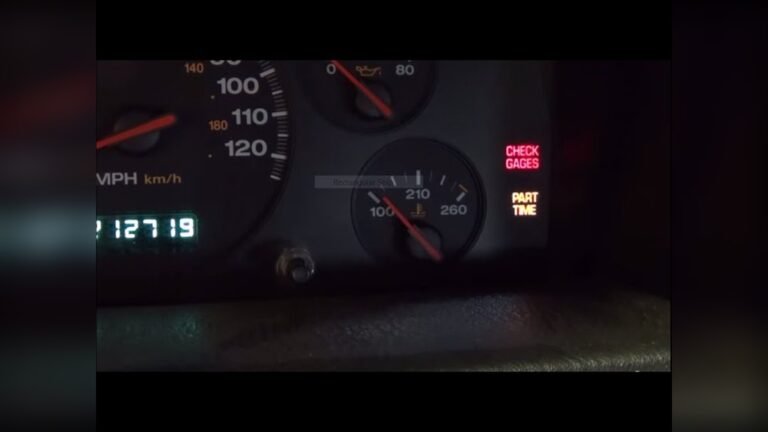
- It offers features like part-time 4WD, locking rear differential, and Crawl Control (in TRD trims).
- Jeep Grand Cherokee uses a unibody design (like a car), but advanced 4×4 systems like Quadra-Trac II and Quadra-Drive II make it a strong off-roader.
- The Trailhawk trim adds air suspension and extra skid plates.
Off-road Features Table
| Feature | Toyota 4Runner | Jeep Grand Cherokee |
|---|---|---|
| Ground Clearance (inches) | 9.6 | 8.6 (standard), up to 10.9 (Trailhawk) |
| 4WD System | Part-time/Full-time (TRD Pro) | Quadra-Trac I/II, Quadra-Drive II |
| Locking Differential | Rear (TRD Off-Road, Pro) | Electronic (Trailhawk) |
Non-obvious insight: The 4Runner is simpler for beginners who want reliable off-road performance without complex settings. The Grand Cherokee is more advanced, but you need to pick the right trim for serious off-roading.
Interior Comfort And Features
Step inside, and the differences grow.
- Toyota 4Runner has a straightforward dashboard, large buttons, and easy-to-clean materials.
- Seats are comfortable but can feel dated compared to rivals.
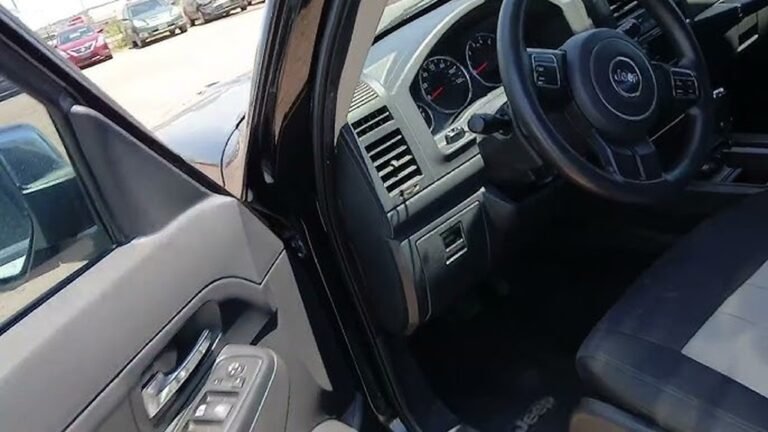
- Jeep Grand Cherokee offers a more modern interior. You get soft-touch materials, a digital display, and more luxury options.
Key Interior Features
Toyota 4Runner:
- 8-inch touchscreen with Apple CarPlay/Android Auto
- Up to 7 seats (with optional third row)
- Simple climate controls
Jeep Grand Cherokee:
- 10.1-inch touchscreen (Uconnect 5)
- Digital instrument cluster
- Available leather seats, panoramic sunroof, massaging seats (high trims)
- Up to 7 seats (in Grand Cherokee L)
Practical tip: The Grand Cherokee’s tech is easier to use for new drivers, but the 4Runner’s simpler controls are less distracting on rough roads.
Cargo Space And Utility
Cargo space is important for families and adventurers.
- Toyota 4Runner gives you up to 89.7 cubic feet of cargo space with the rear seats folded.
- Jeep Grand Cherokee (2-row version) offers 70.8 cubic feet, while the 3-row Grand Cherokee L has 84.6 cubic feet.
What this means: The 4Runner is better if you need to haul large items or go camping often. The Grand Cherokee is fine for everyday use, but the 2-row model has less space.
Credit: www.bomninchryslerdodgejeepram.com
Ride Quality And Handling
How Do These Suvs Feel On The Road?
- Toyota 4Runner is known for a firm ride. You’ll notice bumps, especially on city streets. This is due to its truck-like frame.
- Jeep Grand Cherokee offers a smoother ride, more like a car. It’s quieter, with better steering and less body roll in corners.
Beginner insight: If you drive mostly on highways or in the city, the Grand Cherokee feels more comfortable. The 4Runner shines on rough roads and trails.
Safety And Driver Assistance
Safety features can make a big difference for peace of mind.
Toyota 4Runner:
- Toyota Safety Sense P (standard)
- Pre-collision system with pedestrian detection
- Lane departure alert
- Adaptive cruise control
- Automatic high beams
Jeep Grand Cherokee:
- Advanced safety suite (standard on most trims)
- Adaptive cruise control
- Blind-spot monitoring
- Lane keep assist
- Automatic emergency braking
Crash test scores: The Grand Cherokee generally scores higher in recent crash tests. The 4Runner, due to its older design, does not perform as well in some side and small overlap tests.
Tip: If the latest safety ratings are important to you, check the IIHS or NHTSA websites for detailed results.

Credit: www.jackyjonescdjr.com
Fuel Economy
Gas mileage matters, especially with rising fuel costs.
- Toyota 4Runner: EPA-estimated 16 mpg city / 19 mpg highway
- Jeep Grand Cherokee:
- V6: 19 mpg city / 26 mpg highway
- V8: 14 mpg city / 22 mpg highway
- 4xe plug-in hybrid: Up to 56 MPGe (electric + gas)
Key point: The Grand Cherokee is more efficient, especially in hybrid form. The 4Runner’s older engine uses more fuel, especially in city driving.
Cost, Trims, And Value
Pricing and features vary widely.
Toyota 4Runner: Starts around $41,000 (SR5 base model)
- Top trims (TRD Pro) can reach $55,000+
Jeep Grand Cherokee: Starts around $40,000 (Laredo base model)
- Top trims (Summit Reserve, 4xe) can go over $70,000
What you get for your money:
- 4Runner: Strong resale value, great reliability, solid off-road ability
- Grand Cherokee: More luxury, modern tech, better on-road comfort
Resale value: Toyota 4Runner holds value better over time, a major plus for budget-focused buyers.
Common Buyer Mistakes
- Ignoring future needs: Many buyers pick a model based on today’s needs, not thinking about growing families or changing hobbies.
- Assuming all-wheel drive is equal: The 4Runner’s 4WD and Grand Cherokee’s systems are different. For true off-roading, know the trim and system you’re getting.
- Overpaying for unused features: High trims add cost. If you don’t need advanced off-road or luxury features, stick with lower trims.
- Forgetting about fuel costs: The 4Runner’s lower mpg adds up over time, especially if you drive a lot.
- Not test-driving both: Each SUV feels very different. Drive both before deciding.
Which Suv Is Right For You?
- Choose the Toyota 4Runner if:
- You want maximum reliability and resale value.
- You plan to go off-road often.
- You prefer simple, rugged design.
- Fuel economy is not your top concern.
- Choose the Jeep Grand Cherokee if:
- You want modern comfort and tech.
- You drive mostly in the city or on highways.
- You want more engine choices, including hybrid.
- You value a smooth, quiet ride.
Real-world example: A family who camps twice a month and keeps cars for 10+ years will likely prefer the 4Runner. A professional who commutes daily and wants a stylish, high-tech SUV may find the Grand Cherokee a better match.
Credit: www.drivingline.com
Frequently Asked Questions
Is The Toyota 4runner More Reliable Than The Jeep Grand Cherokee?
Yes, the Toyota 4Runner is often ranked higher for reliability. Owners report fewer problems, and the 4Runner is known for lasting many years with regular maintenance.
Which Suv Is Better For Off-roading?
Both are good, but the Toyota 4Runner is usually considered better for off-roading, especially in TRD trims. The Jeep Grand Cherokee Trailhawk is strong too, but you must choose the right trim and options.
How Do The Fuel Costs Compare?
The Jeep Grand Cherokee has better fuel economy, especially with the V6 or hybrid engine. The 4Runner uses more gas due to its older engine design.
Can Both Suvs Tow A Trailer?
Yes, both can tow. The Jeep Grand Cherokee has a higher towing capacity (up to 7,200 lbs with the V8), while the 4Runner is rated up to 5,000 lbs.
Where Can I Find More Technical Details?
For complete specifications and latest updates, visit the official websites for the Toyota 4Runner and Jeep Grand Cherokee or see trusted sources like Wikipedia.
Choosing between the Toyota 4Runner and Jeep Grand Cherokee depends on your priorities: reliability and ruggedness versus comfort and advanced features. Take a test drive, consider your daily needs, and check the trim options carefully. Either SUV can serve you well if you match it to your lifestyle.