Can Jeeps Drive in Snow? Winter Performance Explained
 Reading Time: 8 minutes
 Can Jeeps Drive In Snow
Many people dream of winter adventures—exploring snowy mountains, driving through icy roads, or just making it safely home during a blizzard. If you own or are thinking about buying a Jeep, you might wonder: can Jeeps really handle snow? The answer is yes, but there’s more to it. Jeeps are known for their rugged design and off-road abilities, but not all models perform the same way in winter conditions. In this guide, you’ll learn how well Jeeps do in snow, what to expect, and how to get the best performance when winter hits.
Why Are Jeeps Popular For Winter Driving?
Jeeps have a strong reputation for handling difficult terrain. This is not just marketing—several key features make them ideal for snowy roads:
- Four-wheel drive (4WD): Most Jeeps have 4WD, which sends power to all four wheels for better grip.
- High ground clearance: This means Jeeps can move through deeper snow without getting stuck.
- Strong tires: Factory Jeep tires are usually bigger and have more tread than cars.
- Sturdy build: The body and frame are made for tough conditions.
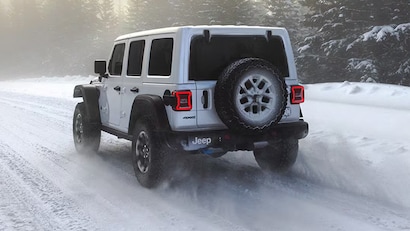
Many Jeep owners share stories of driving safely through blizzards, icy parking lots, and mountain passes. For example, a 2022 owner survey found that over 80% of Jeep Wrangler drivers felt confident driving in moderate to heavy snow.
Key Jeep Models And Their Snow Performance
Different Jeep models offer different snow-handling abilities. Here’s a comparison of popular models:
| Model | Drivetrain | Ground Clearance (inches) | Traction Control |
|---|---|---|---|
| Jeep Wrangler | 4WD | 9.7 | Advanced |
| Jeep Grand Cherokee | AWD/4WD | 8.6 | Advanced |
| Jeep Cherokee | AWD | 8.0 | Standard |
| Jeep Compass | AWD | 8.2 | Standard |
| Jeep Renegade | AWD | 8.0 | Basic |
- Wrangler: Excellent for deep snow and rough terrain.
- Grand Cherokee: Balances comfort with snow handling.
- Cherokee/Compass/Renegade: Good for city and light snow, but less suited for extreme conditions.
How 4wd And Awd Help In Snow
The difference between 4WD (four-wheel drive) and AWD (all-wheel drive) often confuses beginners. Both improve traction, but work differently.
- 4WD: Lets the driver turn on extra power to all wheels. Useful for deep snow, off-road, or very slippery roads.
- AWD: Always active. The system automatically sends power where it’s needed. Great for light to moderate snow and daily use.
Most Jeeps with 4WD have a “low” mode for tough situations like climbing hills or thick snow. For city snow and highways, AWD offers a simpler, safer experience—no need to think about switching modes.
Tip: If your Jeep has selectable 4WD, use it only when roads are slippery. Driving in 4WD on dry pavement can damage the system.
Tire Choice: Why It Matters Most
Even the best Jeep can struggle in snow with the wrong tires. Many beginners think 4WD is enough, but tires are more important for grip and safety.
Types of tires:
- All-season tires: Basic, but less grip in snow.
- Winter tires: Special rubber and tread for ice and snow. The best choice for serious winter driving.
- All-terrain tires: Good for snow and dirt, but not as effective as true winter tires.
A study by Tire Rack found that winter tires can reduce stopping distance by over 30% compared to all-season tires on snow.
Practical advice: If you live where snow is common, invest in winter tires for your Jeep. They make a bigger difference than any driving mode.
Safety Features That Help In Snow
Modern Jeeps come with several features that help beginners stay safe:
- Traction control: Stops wheels from spinning on ice.
- Stability control: Helps keep the Jeep moving in the right direction if you slide.
- Hill descent control: Controls speed going downhill on icy slopes.
- Anti-lock brakes (ABS): Prevents skidding during sudden stops.
These systems work in the background, but it’s still important to drive slowly and carefully in snow.
Real-world Data: Jeep Crash Rates In Snow
How do Jeeps compare to other vehicles in winter accidents? Insurance and safety data give us a clear view:
| Vehicle Type | Winter Crash Rate (per 1,000 vehicles) | Notable Feature |
|---|---|---|
| Jeep Wrangler | 2.1 | 4WD, high clearance |
| Jeep Grand Cherokee | 2.3 | AWD/4WD, stability control |
| Small Sedan | 4.0 | FWD, low clearance |
| Large SUV (non-Jeep) | 2.5 | Variable |
As shown, Jeeps generally have lower crash rates in winter compared to small sedans, mostly due to better traction and higher ground clearance.
How To Drive A Jeep Safely In Snow
Even with the right vehicle, safe driving is key. Here’s what you should do:
- Clear all snow from your Jeep before starting. Snow on the roof or hood can blow onto the windshield.
- Start slowly. Accelerate gently to avoid spinning wheels.
- Brake early and gently. Even with ABS, stopping on ice takes longer.
- Keep more distance from other cars. On snow, you need more room to stop.
- Use 4WD or snow mode if your Jeep has it. Switch before you get stuck.
- Watch for black ice. Shiny or wet-looking patches can be slippery.
- Carry emergency gear: Blanket, water, shovel, and a phone charger.
Non-obvious insight: Many new Jeep owners forget to check tire pressure. Cold weather can lower pressure and reduce traction. Check tires regularly in winter.
Common Mistakes Beginners Make
Even with a Jeep, beginners can get into trouble in snow. Avoid these common errors:
- Overconfidence: Just because you have 4WD doesn’t mean you can drive fast. Ice is slippery for every car.
- Wrong tires: Relying on all-season or worn tires is a big mistake.
- Not using 4WD correctly: Some forget to turn it on, or use it on dry roads.
- Ignoring deep snow: Even Jeeps can get stuck if the snow is higher than your ground clearance.
- Skipping maintenance: Old batteries or worn brakes can cause problems in cold weather.
How Jeeps Compare To Other Winter Vehicles
Is a Jeep the best choice for snow? Here’s how Jeeps stack up against popular winter vehicles:
- Subaru Outback/Forester: Known for AWD, but lower ground clearance than most Jeeps.
- Pickup trucks: Good clearance, but lighter rear ends can slide easily.
- Luxury SUVs: Some have advanced AWD, but are heavier and costlier to repair.
Jeeps offer a mix of rugged design, advanced traction, and a reputation for winter reliability. For example, many ski resorts use Jeep Wranglers for staff vehicles because they handle snow and ice so well.
Modifications To Improve Jeep Snow Performance
If you want to get the most from your Jeep in winter, consider these upgrades:
- Winter tires: The single best upgrade.
- Snow chains: For deep snow or mountain passes (check local laws).
- Heated mirrors and seats: For comfort and better visibility.
- Upgraded windshield wipers: Special winter blades clear snow better.
- Underbody protection: Guards against ice chunks and road salt.
Important: Not every upgrade is needed. Start with good tires and practice safe driving before adding extras.

Credit: www.simivalleychryslerdodgejeepram.com
When A Jeep Might Struggle In Snow
No vehicle is perfect. Some situations can be hard, even for a Jeep:
- Very deep snow: If snow is higher than your Jeep’s clearance, you can get stuck.
- Steep icy hills: Even 4WD may not help if tires have no grip.
- Wrong tires: Summer tires or bald tires are dangerous in winter.
Non-obvious tip: If you get stuck, avoid spinning the wheels. This can dig you in deeper. Instead, clear snow from around the tires and use sand or kitty litter for traction.
The Cost Of Winter Readiness
How much does it cost to prepare your Jeep for snow? Here’s a rough breakdown:
- Winter tires: $500–$1,000 for a set (depends on size and brand)
- Snow chains: $50–$150 per set
- Windshield wipers: $20–$50 per pair
- Emergency kit: $50–$100
This is a small price for peace of mind and safety during winter travel.

Credit: www.youtube.com
Jeep Owner Stories: Real-world Experiences
Many Jeep owners share stories of winter adventures. For example:
- A Michigan driver used a Jeep Grand Cherokee to reach work during a 12-inch snowstorm when all other vehicles failed.
- A family in Colorado drove up snowy mountain roads in a Jeep Wrangler to reach a ski cabin—no towing needed, while others got stuck.
- In upstate New York, a Jeep Compass with winter tires handled city streets and icy driveways with no issues.
These examples show the value of the right vehicle, good tires, and careful driving.
Frequently Asked Questions
Are All Jeeps Good In Snow?
Most Jeeps perform well in snow, especially models with 4WD or AWD. The Wrangler and Grand Cherokee are top choices. However, entry-level models like the Renegade need good tires and may not handle deep snow as well.
Do I Need Winter Tires On My Jeep?
Yes, if you drive often in snow or ice. Winter tires improve grip and stopping distance more than any other upgrade. Even with 4WD, standard tires can slip on ice.
Can I Use 4wd All The Time In My Jeep?
No. Use 4WD only on slippery or loose surfaces like snow, mud, or sand. On dry pavement, 4WD can damage your vehicle’s drivetrain.
How Does The Jeep Compass Do In Snow?
The Jeep Compass handles light to moderate snow well, especially with AWD and winter tires. For deep snow or off-road, larger models like the Wrangler work better.
What Should I Carry In My Jeep During Winter?
Carry a blanket, snow shovel, flashlight, water, emergency food, and a phone charger. This basic kit helps if you get stuck or stranded in snow.
Driving a Jeep in winter can be safe and even enjoyable with the right preparation. Jeeps offer powerful features for snow, but success depends on your choices—especially tire selection and safe driving habits. Whether you face daily snow or just want confidence during a rare blizzard, a Jeep can get you there. For more details on winter driving safety, check the NHTSA Winter Driving Tips.
With the right knowledge and equipment, your Jeep is ready to tackle the snow—and help you enjoy winter with confidence.
Credit: www.autonationchryslerdodgejeepramkaty.com